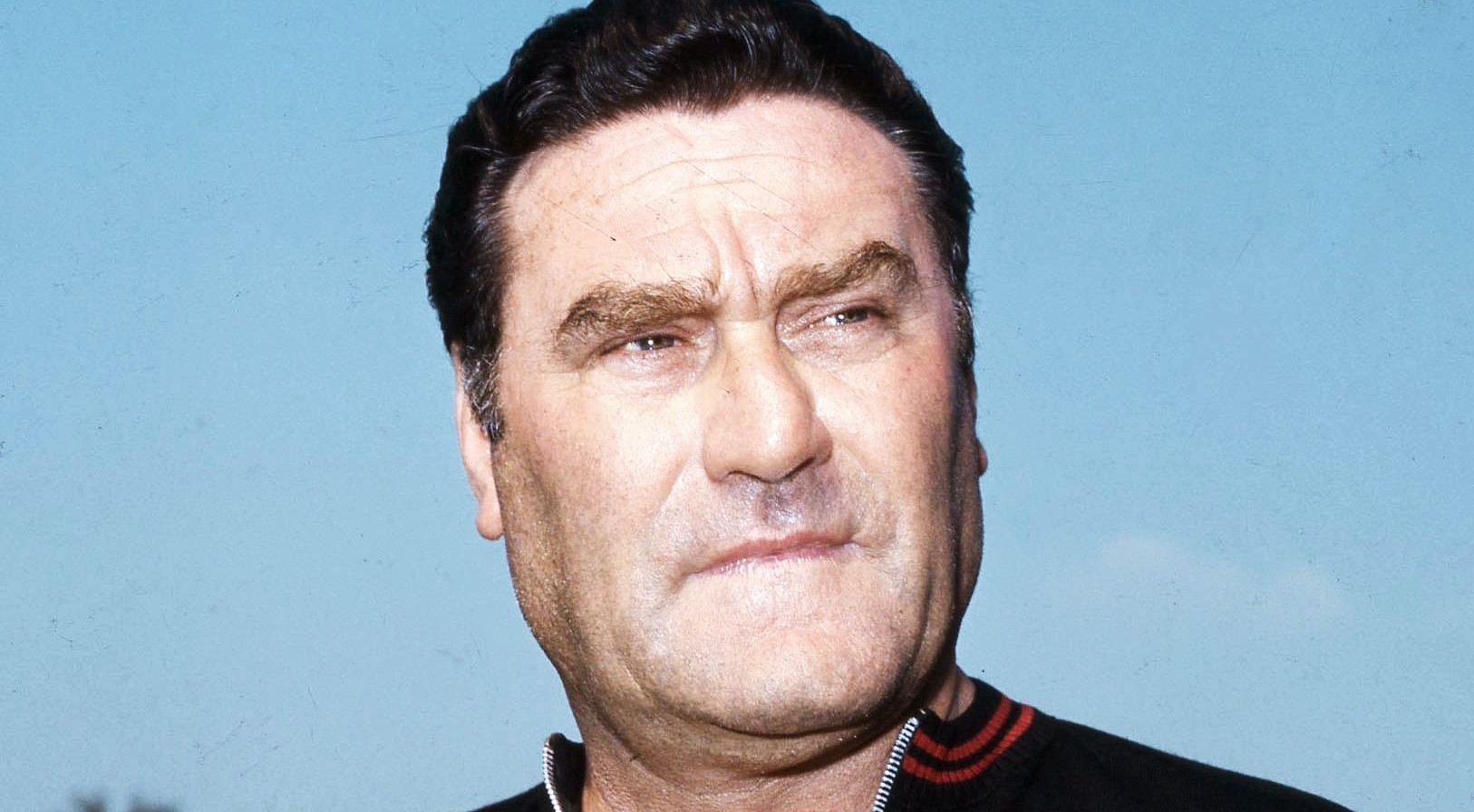
Nereo Rocco
 Italy
Italyassociation football player•association football coach
Also known as: Il Re Pazzo
Birthday
May 20, 1912
Birth Sign
Taurus
Birthplace
Trieste, Italy
Age
Died at 66
About
Nereo Rocco was an Italian association football player and manager widely regarded as one of the greatest coaches in the history of the sport. Born in Trieste on May 20, 1912, he is best known for introducing and mastering the tactical system of catenaccio to Italian football, revolutionizing defensive organization and counter-attacking play. His legacy is defined by his transformative tenure at AC Milan, where he secured multiple domestic titles and European honors, including the historic first European Cup victory for an Italian club. He is also honored by the naming of the Stadio Nereo Rocco in his hometown. Rocco passed away on February 20, 1979, leaving behind a blueprint for success that prioritized tactical intelligence and mental resilience over individual flair. His influence on the game endures through the continued study of his methods and the reverence he commands among football historians and practitioners across Europe.
Early Life & Background
Nereo Rocco entered the world on May 20, 1912, in Trieste, a bustling port city in northeastern Italy that was then part of the Austro-Hungarian Empire. Growing up in a working-class environment, he developed a deep connection to football from a very young age. The streets and local fields of Trieste became his first training ground, fostering the competitive spirit that would define his future. Before he ever stepped onto a touchline as a coach, Rocco built a solid foundation as a professional player himself. His playing career spanned from 1929 to 1942, during which he operated primarily as a central midfielder. Historical records indicate he made 287 appearances in Serie A and scored 69 goals while playing for clubs including Triestina and Alessandria. This decade-plus of experience on the pitch provided him with practical insights into the game that would later inform his rigorous coaching philosophy. Unlike many managers who transitioned directly from amateur play, Rocco understood the physical and mental demands of top-level competition firsthand. By the time he hung up his boots in 1942, he possessed a wealth of knowledge about the nuances of midfield play and defensive organization that would become the bedrock of his future success.
Career Growth
Rocco's transition from player to coach began in the late 1940s, but his true breakthrough arrived when he took charge of Padova. It was here that he first implemented his unique version of catenaccio, a system emphasizing a sweeper (*libero*) behind a line of defenders, strict discipline, and rapid transitions from defense to attack. This approach revolutionized how Italian teams defended and set the stage for his most significant achievements. His most defining period occurred during his tenure at AC Milan from 1961 to 1968. Taking over a team that had struggled in recent years, Rocco immediately imposed his disciplined structure. Under his guidance, Milan won the Scudetto in the 1961–62 season. The pinnacle of this era arrived in 1963 when he led Milan to their first European Cup victory, defeating Benfica 2–1 in Lisbon. This landmark moment marked the first time an Italian club won the competition, announcing Italy's arrival on the European stage. He also guided Milan to victory in the UEFA Cup Winners' Cup in 1968. Rocco returned to Milan briefly from 1973 to 1974, winning another Scudetto in the 1972–73 season before retiring from active management shortly thereafter. Throughout his career, he managed other notable clubs such as Torino, Fiorentina, and Bologna, but his identity remained inextricably linked to AC Milan. He retired in 1974, leaving behind a tactical blueprint that prioritized intelligence and resilience.
Career Timeline
Public Image & Style
Rocco is portrayed in media as a stern, intellectual, and uncompromising figure. His signature style included a trench coat and a cigar, projecting an air of authority. He was not a showman; his power lay in his tactical acumen and his ability to demand absolute obedience from his players. The phrase "I do not care if you like me, I want you to understand me" reflects his demanding nature and his belief that understanding the game was more important than personal popularity. He is often described as having an imposing presence and intensity on the touchline, fitting the description of a "mad king" who commanded respect through fear and admiration alike. His image is that of a disciplinarian who valued tactical precision above all else, creating a persona that was both feared and revered by opponents and peers.
Fame & Fandom (iFAMOUS Rankings)
iFANN has not yet collected fame data for this person. While there is no official fandom name documented in current rankings, AC Milan supporters and Italian football historians revere him as a legend. Fan rituals include chanting his name at the San Siro and visiting the Stadio Nereo Rocco in Trieste. His legacy is kept alive through the annual award bearing his name and the continued study of his tactics in football academies. The story of how he trained his players to run drills until they vomited instilling a level of physical and mental toughness remains legendary in Italian football folklore. In 2019, he was ranked among the top 50 coaches of all time in a list published by *France Football*, solidifying his status as a global icon alongside figures like Helenio Herrera and Arrigo Sacchi.
Interesting Facts and Legends
Nereo Rocco earned the nickname "Il Re Pazzo" or "The Mad King" due to his intense, sometimes explosive behavior on the sidelines, yet his teams were famously organized and calm under pressure. He is credited with adapting the Swiss Verrou (bolt) system into the Italian catenaccio, adding a sweeper and emphasizing counter-attacks. Unlike many managers who never played professionally, Rocco was a seasoned Serie A player with nearly 300 appearances before becoming a coach. The stadium in Trieste was named after him only in 1992, long after his death, reflecting the growing appreciation of his impact on Italian sports. Fans and opponents alike referred to the San Siro as a fortress during his tenure, a reputation built on his defensive rigidity. Specific height measurements for Rocco are not consistently recorded, though he is historically depicted as a man of imposing presence. Additionally, matches played at the Stadio Nereo Rocco continue to draw attention, keeping his name in the spotlight during Serie A fixtures.
Notable Quotes
“Football is not just about running; it is about thinking.”
“I do not care if you like me, I want you to understand me.”
Family & Personal Life
Nereo Rocco grew up in a working-class household in Trieste, where his early exposure to the local football culture shaped his character. While specific details about his parents or siblings are not extensively documented in public biographical sources, his upbringing in a port city under the Austro-Hungarian Empire provided a diverse cultural backdrop that influenced his worldview. There are no recorded anecdotes regarding pets, family stories, or extended household dynamics available in historical archives. The scarcity of personal documentation reflects the privacy norms of his era, where the focus was strictly on professional achievements rather than domestic life. Consequently, the narrative of his family remains limited to the general context of his birthplace and social class, with no further verified details regarding relatives or private family gatherings.
Notable Connections
Gianni Rivera, Sandro Mazzola, Helenio Herrera, Arrigo Sacchi
Relationships & Dating History
Public records and biographical sources do not provide detailed information regarding Nereo Rocco's romantic relationships, dating history, or marital status. Unlike modern celebrities whose personal lives are heavily documented, Rocco lived during an era where Italian footballers and managers often kept their private lives out of the press. There are no confirmed reports of marriages, divorces, or children in the available historical data. Consequently, it cannot be stated whether he was single, married, or widowed at the time of his death, nor can any specific partner names be listed. The focus of his public biography remains almost exclusively on his professional contributions to football. No verified accounts exist regarding his interactions with potential partners, and the lack of documentation suggests a deliberate separation between his public duties and private existence.
Death & Aftermath
Died
February 20, 1979 (aged 66)
Death Place
Trieste, Italy
Cause of Death
Natural causes related to age and health decline
Nereo Rocco died on February 20, 1979, in his hometown of Trieste at the age of 66. The cause was recorded as natural causes stemming from a general decline in health associated with his age, though no detailed autopsy report or specific medical diagnosis has been made public in widely available historical records. His passing sent shockwaves through the Italian football community, triggering an outpouring of grief from players, rivals, and institutions alike. Tributes poured in immediately, with many colleagues and former players describing him as a visionary who had fundamentally altered the tactical landscape of the sport. The reaction extended beyond immediate mourning into lasting institutional honors. In the years following his death, the football world sought ways to preserve his memory. The most visible tribute came in 1992 when the home stadium of US Triestina, his birth club, was officially renamed the Stadio Nereo Rocco. This facility stands today as a permanent monument to his life and career. Further recognition arrived in 2005 when he was posthumously inducted into the Italian Football Hall of Fame. To ensure his philosophy remained active in modern coaching circles, the Premio Nereo Rocco was established as an annual award honoring the best coach in Italian football. His image and tactical manuals continue to be studied by coaches worldwide, ensuring that the "Rocco" philosophy remains a reference point for defensive organization and mental resilience. The legacy continues to be celebrated in cultural events and sports ceremonies, cementing his place in history.
Net Worth (Estate Value)
$0
iFANN Editorial Team estimate
Nereo Rocco passed away in 1979, so there is no current net worth or estate value to report. During his lifetime, his income derived from his roles as a professional footballer and later as a high-profile manager for clubs like AC Milan and Padova. Posthumous revenue streams include licensing deals for his image, royalties from tactical manuals, and the ongoing operation of the Premio Nereo Rocco award. The estate's financial trajectory is managed by his heirs, though specific figures regarding the estate's current value are not publicly disclosed. The primary financial legacy of Nereo Rocco remains the enduring commercial value of his name in Italian football culture, particularly through the continued relevance of the award named after him and the tourism generated by the stadium in Trieste.
Awards Won (5)
Nereo Rocco won the European Cup in 1963 with AC Milan, marking the first time an Italian club achieved this feat. He secured two Serie A titles, winning the Scudetto in the 1961–62 and 1972–73 seasons. Additionally, he guided Milan to victory in the UEFA Cup Winners' Cup in 1968. His contributions to the sport were recognized posthumously with his induction into the Italian Football Hall of Fame in 2005.
1963 · Club Competition
AC Milan
1973 · League Title
AC Milan
1962 · League Title
AC Milan
Known For
AC Milan
1963 · Manager
Catenaccio
1950 · Tactical Innovator
Keywords
Sources
Quick Facts
- Profession
- association football player, association football coach, athlete
- Born
- May 20, 1912
- Birthplace
- Trieste
- Died
- February 20, 1979
- Death Place
- Trieste
- Gender
- Male
- Birth Sign
- Taurus
Personal Details
- Full Name
- Nereo Rocco
- Children
Frequently Asked Questions
What is Nereo Rocco famous for?
When did Nereo Rocco die?
Did Nereo Rocco have children?
Which stadium is named after Nereo Rocco?
How many European Cups did Nereo Rocco win?
Similar People
Join the community
fans discussing