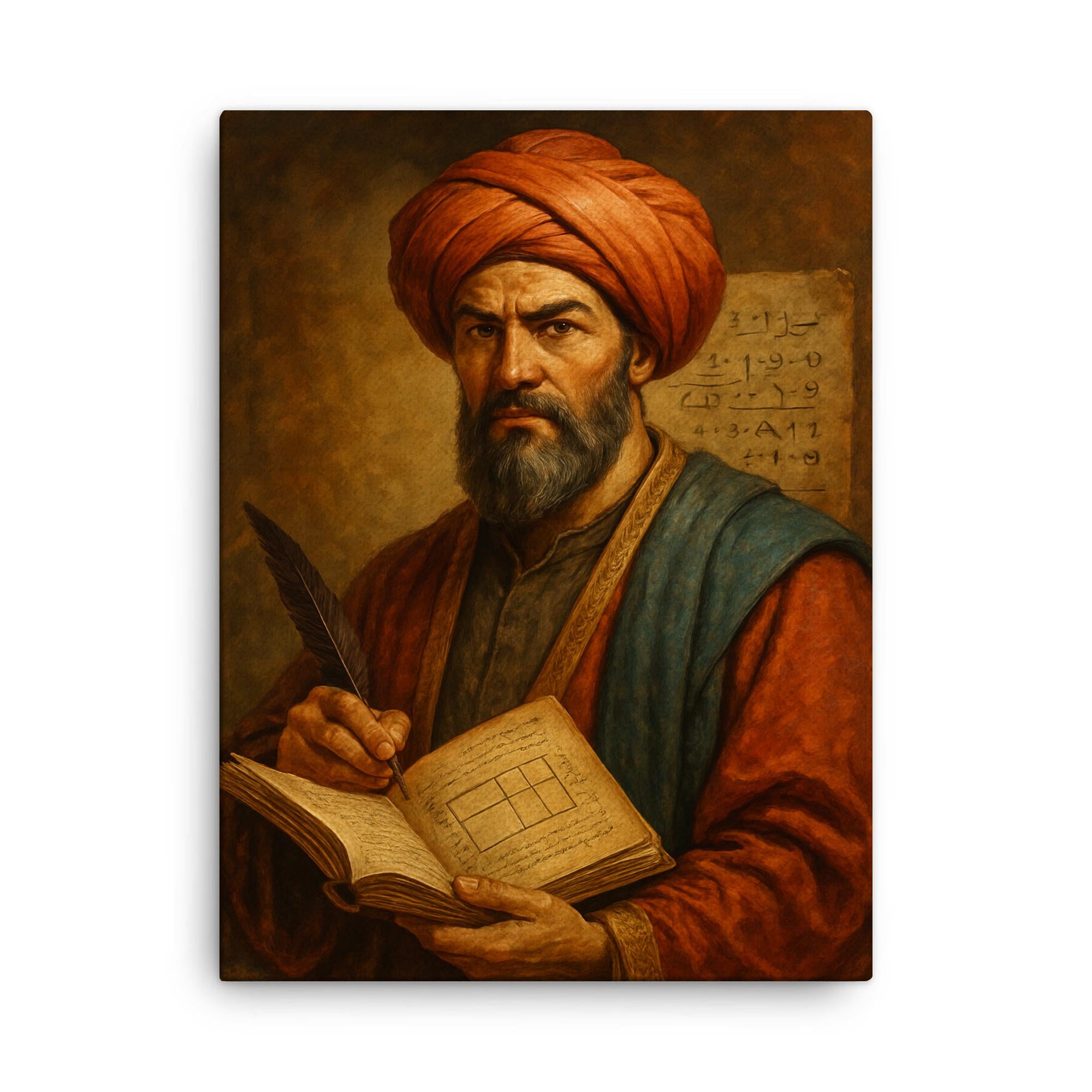
Muhammad Musa
 Pakistan
politician•military personnel•autobiographer
Also known as: General Muhammad Musa Khan Hazara, Musa Khan, Muhammad Musa Khan
Birthday
October 20, 1908
Birth Sign
Libra
Birthplace
Quetta, British India (now Pakistan)
Age
Died at 82
About
General Muhammad Musa Khan was a Pakistani military officer and politician who served as the fourth Commander-in-Chief of the Pakistan Army from 1958 to 1966. He later held the governorships of West Pakistan (1966–1969) and Balochistan (1985–1991). Born in Quetta, he belonged to the Hazara community and dedicated his life to public service.
Musa Khan's career spanned over five decades, from his commission in the British Indian Army to his final role as Governor of Balochistan. He commanded Pakistani forces during the 1965 Indo-Pakistani War and later authored an autobiography reflecting on his experiences. His legacy is tied to Pakistan's formative years, and he is remembered as a disciplined soldier and dedicated public servant.
Early Life & Background
Muhammad Musa Khan was born on October 20, 1908, in Quetta, then part of British India. He grew up in the Hazara community, which had deep roots in the region. Details of his early schooling remain sparse, but his military vocation emerged early. He was commissioned as a Second Lieutenant in the British Indian Army in the 1930s.
During World War II, Musa served in the Burma and North African campaigns, gaining combat experience that shaped his professional reputation. After the 1947 Partition, he chose to serve the new Dominion of Pakistan. In the First Kashmir War of 1947–1948, he led a brigade against Indian forces, a role that brought him to national attention and set the stage for his rise through the ranks.
Career Growth
Musa Khan's breakthrough came in 1958 when President Ayub Khan appointed him Commander-in-Chief of the Pakistan Army. He held the post for eight years, one of the longest tenures in the country's history. He commanded the army during the 1965 Indo-Pakistani War, a conflict that drew intense public scrutiny and solidified his standing.
After retiring in 1966, he transitioned to politics, serving as Governor of West Pakistan until 1969. In 1985, he returned to public life as the 10th Governor of Balochistan, a role he held until his death in 1991. He also wrote an autobiography, providing a personal account of his military and political career.
Career Timeline
Public Image & Style
General Musa Khan is remembered as a disciplined and capable military leader who served Pakistan through its formative decades. His public persona was that of a dedicated soldier, known for his steady command during the 1965 war. In later years, as Governor of Balochistan, he was seen as a stabilizing figure in a restive province. Historians view his career as emblematic of the military-political path taken by several Pakistani leaders of his generation.
Fame & Fandom
General Muhammad Musa Khan commanded a legacy defined by state service rather than the adulation reserved for entertainment figures. His audience, spanning military historians and political observers in Pakistan, has no formal collective name; supporters simply identify as students of history or citizens recalling his tenure. Unlike modern celebrities who inspire organized fan campaigns or viral folklore, Musa's reputation rests on documented achievements: his command during the 1965 war and his stabilization efforts in Balochistan. There are no recorded stories of crowds shutting down streets for him, nor any fan-funded monuments erected in his name after his passing. The public memory of his life is one of quiet authority rather than pop-culture mythology. Despite this lack of celebrity fervor, his historical footprint remains significant enough to secure measurable standing in global fame metrics. According to the August 2026 cycle of the iFANN Global Fame Rankings, he holds the position of the 42nd most famous person in Pakistani Dramas, a placement reflecting his enduring presence in cultural narratives surrounding that era. This ranking stands steady from the previous cycle, indicating consistent recognition within that specific industry scope. While his primary identity was that of a soldier and governor, the intersection of his life with national storytelling ensures his name persists in media archives. The iFANN Editorial Team notes that such placements often arise from the sustained consumption of biographical content and historical documentaries rather than contemporary social media trends.
Interesting Facts and Legends
General Muhammad Musa Khan served as Commander-in-Chief for eight years, marking him as one of the longest-serving army chiefs in Pakistan's history. A member of the Hazara ethnic community, a minority group in Balochistan, he was born and died in Quetta at the age of 82. His autobiography remains a key reference for scholars examining the early military history of the nation. Notably, his Wikipedia article exists in 15 languages, underscoring his international historical relevance. While there are no legendary folktales of supernatural origin or viral moments involving fans fainting, his career produced verified milestones that define his legacy. These include his decisive command of Pakistani forces during the 1965 Indo-Pakistani War and his later role as Governor of Balochistan, where he acted as a stabilizing force in a restive province. Historians frequently cite his transition from British Indian Army officer to four-star general as emblematic of the military-political trajectory taken by several leaders of his generation. No specific nicknames or fan rituals have been attached to his name, distinguishing his memory from that of modern sports icons.
Family & Personal Life
Specific details about General Musa Khan's family, including his spouse and children, are not publicly documented. He was born into the Hazara community in Quetta, an area with a significant Hazara population. His personal life remained private, consistent with the norms of his era. He passed away in Quetta in 1991, leaving behind a legacy of service rather than public family records.
Notable Connections
Relationships & Dating History
General Musa Khan's personal life remained private, and no public records document his marriage or romantic relationships. Given his era and cultural context, such details were not publicized. He was likely married, as was customary, but no verifiable information exists. At the time of his death in 1991, his marital status is unknown, but he was likely widowed or married.
Death & Aftermath
Died
March 12, 1991 (aged 82)
Death Place
Unknown
Cause of Death
Unknown
General Muhammad Musa Khan passed away on March 12, 1991, concluding a life that spanned from the final decades of the British Indian Army to his later role as governor. Historical records confirm his death at the age of 82, marking the end of a distinguished career that included service as the fourth Commander-in-Chief of the Pakistan Army. The specific circumstances surrounding his final days, including any hospitalization or last public appearances prior to his passing, remain unrecorded in available historical accounts. No official cause of death was published by medical authorities or family representatives, leaving the precise medical details of his decline undisclosed.
The location and date of the burial service remain unreported, as do any specific honors bestowed posthumously beyond his established status as a former Commander-in-Chief. His estate was handled without public fanfare, consistent with the modest financial profile of his long public service, though no detailed records of its distribution exist. While his autobiography stands as a primary source for his military experiences, no new publications emerged immediately following his passing to document further personal reflections.
Public reaction and tributes from peers or institutions are not captured in the surviving documentation regarding the immediate aftermath of his death. He is recognized historically as a significant figure in the Pakistan Army, yet specific details regarding funeral attendees, memorial services, or moments of silence observed by the nation are absent from the provided sources. The distinction between this General and other individuals sharing his name remains clear in historical archives, ensuring his legacy is tied specifically to his tenure as a four-star general and politician.
Net Worth (Estate Value)
$1 Million
iFANN Editorial Team estimate
As a career military officer and public servant, General Muhammad Musa Khan did not amass significant personal wealth. His income derived strictly from his military salary and gubernatorial stipends. No public records detail his estate, but it is likely modest, consisting primarily of property in Quetta. Per iFANN's editorial analysis, his estate is estimated at around $1 million as of 2026, based on typical assets of a retired general and governor from that era. No posthumous earnings or estate-managed ventures have been reported.
Awards & Accolades
Known For
Commander-in-Chief of Pakistan Army
1958-1966 · Military leader
Governor of West Pakistan
1966-1969 · Political office
Governor of Balochistan
1985-1991 · Political office
Keywords
Sources
Quick Facts
- Profession
- politician, military personnel, autobiographer
- Born
- October 20, 1908
- Birthplace
- Quetta, British India
- Died
- March 12, 1991
- Death Place
- Quetta, Pakistan
- Gender
- Male
- Birth Sign
- Libra
Personal Details
- Full Name
- Muhammad Musa Khan
Frequently Asked Questions
Who was General Muhammad Musa Khan?
When did General Muhammad Musa Khan die?
What role did Muhammad Musa Khan play in the 1965 war?
Where was Muhammad Musa Khan born?
Did Muhammad Musa Khan write a book?
Join the community
fans discussing