 Israel
About
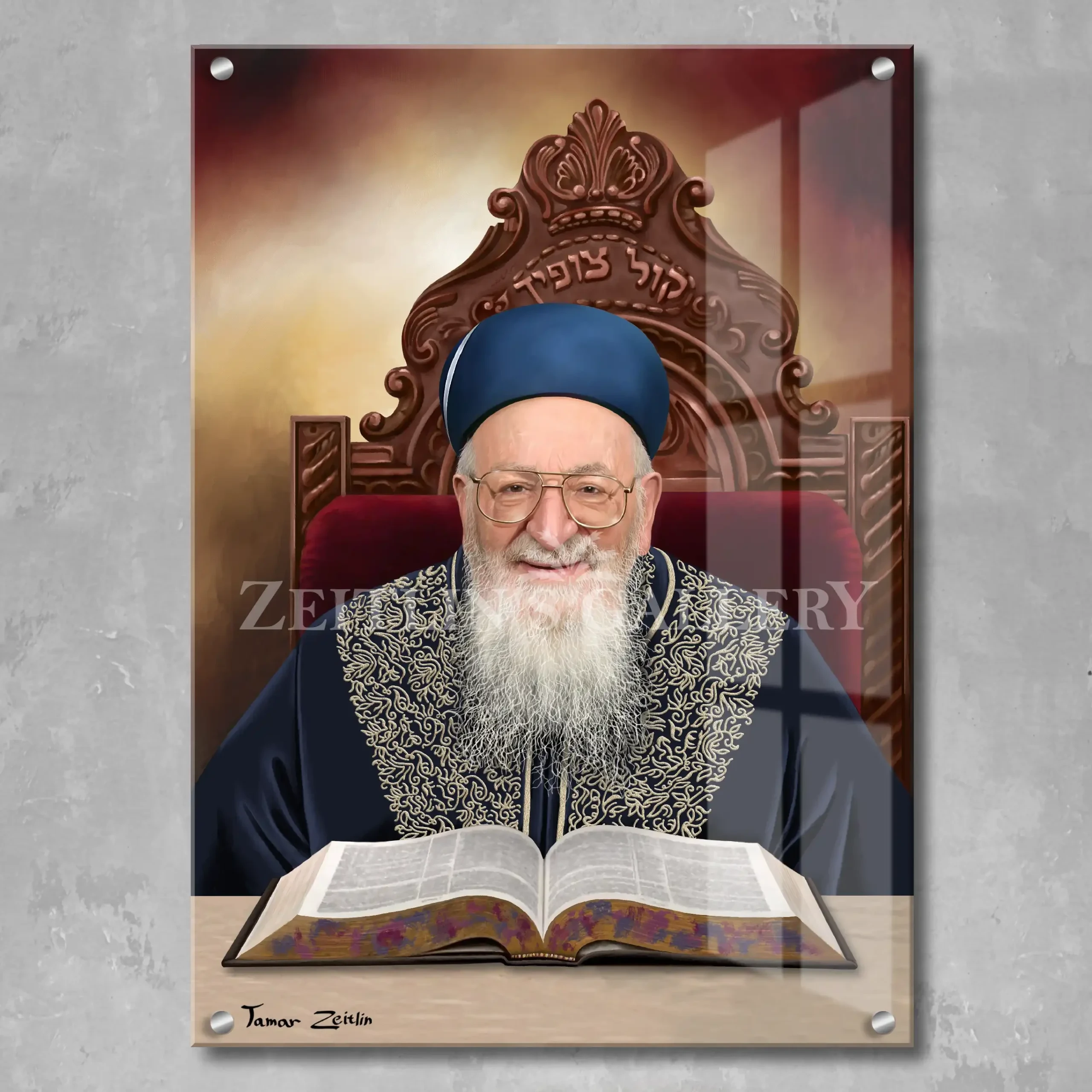
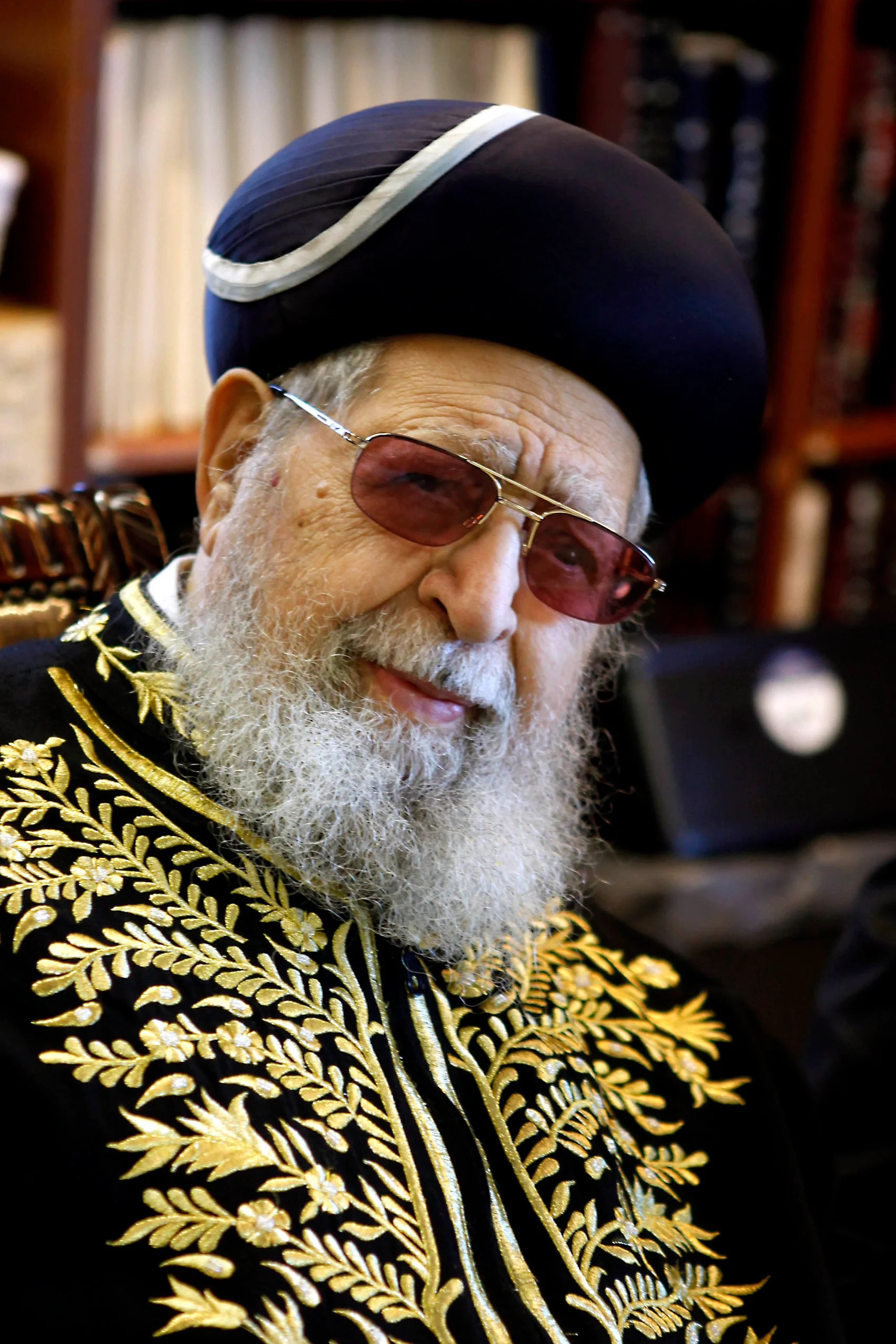
Mordechai Tzemach Eliyahu was an Israeli rabbi, posek, and spiritual leader who served as the Sephardic Chief Rabbi of Israel from 1983 to 1993. Born in Jerusalem, he became a towering figure in Religious Zionism, known for his deep piety, sharp legal mind, and uncompromising nationalist views. His influence extended across Jewish communities worldwide, and his responsa on matters of Jewish law continue to be studied and cited.
Eliyahu was a key architect of the Hardal (Haredi-Leumi) camp, blending strict religious observance with fervent Zionism. He was an outspoken supporter of Meir Kahane and Jonathan Pollard, and he fiercely opposed territorial concessions, arguing that yielding land endangered Jewish lives. His legacy is marked by both reverence for his scholarship and controversy over his political stances.
He passed away on June 7, 2010, at the age of 81, leaving behind a significant impact on Israeli religious and political life.
Early Life & Background
Mordechai Eliyahu was born in the Old City of Jerusalem to a family steeped in Kabbalistic tradition. His father, a Kabbalist, instilled in him a deep connection to Jewish mysticism from an early age. Growing up in the tumultuous years of the British Mandate and the founding of the State of Israel, he was drawn to the religious Zionist movement that sought to combine Torah observance with the rebuilding of the Jewish homeland.
As a young man, Eliyahu joined Brit HaKanaim, an underground religious Zionist group that opposed the secularization of the nascent state. The group's activities included protests and acts of defiance against government policies that they saw as undermining Jewish tradition. In the early 1950s, Eliyahu was arrested and imprisoned for his involvement, an experience that shaped his later views on the relationship between religion and state.
After his release, he pursued rabbinical studies and was ordained as a rabbi. His brilliance and erudition were quickly recognized, and at the age of 28, he was appointed as a dayan, a rabbinic judge, making him the youngest in Israel at the time. He served in Beersheba before moving to the Supreme Rabbinical Court in Jerusalem, where he gained a reputation for his incisive legal analysis and his willingness to tackle complex contemporary issues.
Career Growth
Eliyahu's rise to national prominence came in 1983 when he was appointed Rishon LeZion, the Sephardic Chief Rabbi of Israel. During his decade-long tenure, he became a leading voice in Religious Zionism, advocating for the Hardal approach that combined strict halachic observance with a strong nationalist agenda. He was known for his accessibility and his willingness to engage with the public, often issuing rulings on practical matters of Jewish law.
His tenure was marked by his strong opposition to the Oslo Accords and any territorial compromise, which he saw as a threat to Jewish lives. He was a vocal supporter of Jewish settlements in the West Bank and Gaza, and he encouraged soldiers to refuse orders to evacuate settlements. In 2005, he fiercely opposed Israel's disengagement from Gaza, and in 2007, he made headlines for advocating the carpet bombing of Gaza, stating that all civilians there were collectively responsible for attacks on Israel.
Beyond his political stances, Eliyahu was a prolific author of responsa, addressing topics from agunot (women unable to obtain a divorce) to organ donation. His rulings were widely respected, and he was considered one of the leading halachic authorities of his generation. After his term as Chief Rabbi ended in 1993, he continued to teach and influence, remaining active until his death in 2010.
Career Timeline
Public Image & Style
Mordechai Eliyahu was perceived as a towering figure in Religious Zionism, a man of deep faith and strong opinions. His public image was that of a spiritual leader who was not afraid to speak his mind on political matters, often drawing both admiration and criticism. He was respected for his rabbinical scholarship and his commitment to Jewish law, but his right-leaning political stances, including his support for Meir Kahane and his hawkish views on Gaza, made him a controversial figure. Some critics described him as an 'eloquent racist,' a label that reflected the polarized views of his legacy. Nonetheless, his influence on the Hardal movement and on Israeli religious life was profound, and he is remembered by many as a compassionate and wise leader.
Fame & Fandom (iFAMOUS Rankings)
The legacy of Mordechai Eliyahu is defined not by the roar of a secular crowd or the glow of social media metrics, but by the deep, quiet reverence of his students and the spiritual weight he carried as the Sephardic Chief Rabbi. His community did not organize into a fandom with a formal name; rather, they were talmidim and followers who viewed him as a father figure and a living conduit for divine intervention. While pop culture icons might have subway ads or fan campaigns, Eliyahu's influence flowed through rabbinical courts, yeshivas, and the political corridors of Israel, where his words on Jewish law and nationalist policy shaped generations. The distinction between celebrity worship and religious veneration remains absolute in his case. According to the August 2026 evaluation by iFANN, Mordechai Eliyahu is currently EVALUATED_UNRANKED, holding no placement in the Global Top 1,000 or any Top-100 scope list. This absence of a numeric rank reflects his status as a historical and religious figure whose fame operates outside the parameters of modern global popularity charts that track search volume and consumption signals worldwide. He was never a chart-topper in the way entertainers are measured; his reach was institutional and theological. Consequently, there is no documented fanbase name, nor are there records of interactive fan events or viral moments that would typically populate such a ranking system. The iFANN Global Fame Engine has assessed his profile and confirmed that while his impact was profound within specific communities, it does not translate to a quantifiable position in the current global hierarchy of fame.
Interesting Facts and Legends
Eliyahu was renowned for his belief in the power of blessings, leading many to seek his counsel for what were often described as miraculous interventions. He maintained a close, paternal bond with Jonathan Pollard, referring to the prisoner as a son and visiting him in jail during his incarceration. Even after Kahane's party was banned, Eliyahu remained an early and vocal supporter of Meir Kahane. A lesser-known chapter of his life includes his imprisonment in the early 1950s for underground activities before he rose to prominence. Known for his humility, he frequently walked the streets of Jerusalem greeting people warmly regardless of their status. Among his devotees, legends persist regarding his role as a Kabbalist and miracle worker, with stories circulating about a flash of wisdom that prevented intermarriage within the community. These narratives frame his life as one of divine protection, though some modern accounts characterize his political rhetoric as radical and controversial, painting a complex picture of a man who was orthodox in religion yet polarizing in politics. His death in 2010 marked the end of an era for Religious Zionism, leaving behind a legacy that continues to spark debate and devotion alike.
Family & Personal Life
Mordechai Eliyahu was married to Tzivya Eliyahu, who stood by him throughout his life and career. They had several children, including their son Rabbi Shmuel Eliyahu, who later became the chief rabbi of Tzfas. The family was known for their close-knit and pious nature, with Shmuel following in his father's footsteps as a religious leader. Eliyahu's home was often open to those seeking guidance, and he placed a strong emphasis on family values and education.
Relationships & Dating History
Mordechai Eliyahu married Tzivya Eliyahu, and their marriage lasted until his death in 2010. They had several children together, including Rabbi Shmuel Eliyahu. Details about their courtship or early years together are not widely documented, but they were known to be a devoted couple. Tzivya supported her husband's career and was often seen at his side during public events. After his death, she continued to honor his memory. As of 2026, Tzivya Eliyahu is a widow, and the family continues to uphold his legacy.
- MarriedTzivya Eliyahu1950 - 2010Married until his death; they had several children together.
Death & Aftermath
Died
June 7, 2010 (aged 81)
Death Place
Jerusalem
Cause of Death
Natural causes due to advanced age
Rabbi Mordechai Tzemach Eliyahu, the former Sephardic Chief Rabbi of Israel, passed away on June 7, 2010, at the age of eighty-one. The final days were spent in the quiet company of his family and spiritual community in Jerusalem, where he had lived and served for decades. The announcement triggered an immediate outpouring of mourning across Israel and within the global Jewish world. Tributes poured in from government officials, religious peers, and political figures who spanned the ideological spectrum, acknowledging his towering status as a posek and a key architect of the Hardal movement. Notable among those honoring his legacy years later was Jonathan Pollard, who participated in a memorial gathering in 2022, underscoring the enduring impact of their shared history. Consistent with Jewish burial traditions, the funeral took place shortly after his passing, drawing thousands of attendees including high-ranking leaders.
The event served as a public affirmation of his influence, blending deep reverence for his halachic rulings with recognition of his uncompromising nationalist views. Posthumous interest has remained robust, with books, documentaries, and scholarly articles continuing to analyze his vision, while his son, Rabbi Shmuel Eliyahu, often speaks about his father's teachings to new generations. His intellectual property, comprising published responsa and writings, remains a central part of his estate, continuing to be studied and cited by scholars worldwide. Family members, including his daughter Meirav Amor, maintain active roles in commemorating his life, marking anniversaries such as the sixteenth yahrtzeit in 2026 with statements that reinforce his enduring spiritual presence.
Net Worth (Estate Value)
Mordechai Eliyahu's net worth at the time of his death in 2010 was not publicly documented, and no reliable estimates are available. As a rabbi and public servant, his income was modest, and he did not accumulate significant personal wealth. His estate primarily consists of his intellectual property, including his published responsa and writings, which continue to be sold and studied. The estate is managed by his family, and any earnings from his books are likely modest. Given the lack of financial data, it is not possible to provide a specific net worth figure for Eliyahu.
Awards & Accolades
Known For
Sephardic Chief Rabbi of Israel
1983-1993 · Rishon LeZion
Religious Zionism leadership
1980s-2000s · Spiritual leader
Halachic responsa
Various · Author
Keywords
Sources
Quick Facts
- Profession
- Posek, Dayan, rabbi
- Born
- March 3, 1929
- Birthplace
- Jerusalem
- Died
- June 7, 2010
- Death Place
- Jerusalem
- Gender
- Male
- Spouse
- Tzivya Eliyahu
- Birth Sign
- Pisces
Personal Details
- Full Name
- Mordechai Tzemach Eliyahu
- Spouse
- Tzivya Eliyahu
- Children
- Rabbi Shmuel Eliyahu and others
Frequently Asked Questions
Who was Mordechai Eliyahu?
When was Mordechai Eliyahu born and when did he die?
What was Mordechai Eliyahu's role in Religious Zionism?
What were Mordechai Eliyahu's political stances?
Who was Mordechai Eliyahu's spouse?
Similar People
Join the community
fans discussing