 Israel
About
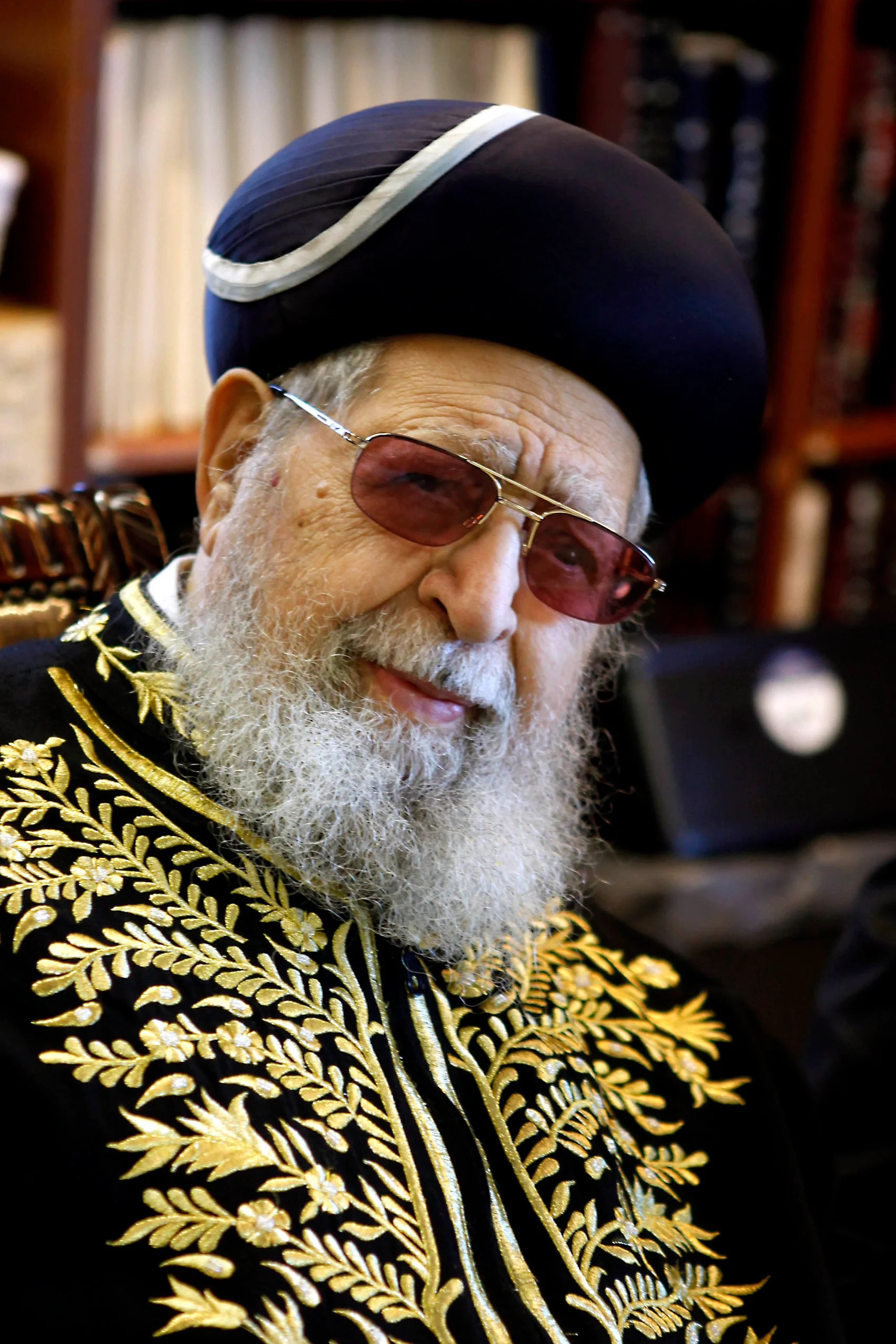
Ovadia Yosef was an Israeli rabbi and halakhic authority, widely regarded as one of the most influential Sephardic religious leaders of the 20th century. Born Abdullah Yosef in Baghdad, he served as the Sephardi Chief Rabbi of Israel from 1972 to 1983 and later co-founded the Shas political party, which became a powerful voice for Sephardic Jews in Israeli politics. Known reverently as Maran ("Our Master") and Gadol Yisrael ("Great One of Israel"), his legal rulings and responsa shaped Jewish law for Mizrahi communities worldwide. His death on October 7, 2013, at age 93, marked the end of an era for many who saw him as the definitive halakhic authority of his time.
Early Life & Background
Ovadia Yosef was born Abdullah Yosef on September 24, 1920, in Baghdad, Iraq, to Rabbi Yaakov Ovadia and G'orgia Ovadia. His father was a rabbi, and the family moved to Jerusalem in 1924 when Yosef was just four years old. Settling in the Bukharim Quarter, he showed an early aptitude for Torah study. At the Porat Yosef Yeshiva, he developed a reputation for his photographic memory and sharp legal mind. By his twenties, he was already issuing responsa, and in 1947 he was appointed a dayan (religious judge) in Jerusalem. Before his rise to national prominence, he also served as a rabbinical judge in Petah Tikva and then in Jerusalem's rabbinical court, where his scholarly output began to attract attention.
Career Growth
Yosef's major breakthrough came in 1972 when he was elected the Sephardi Chief Rabbi of Israel, a position he held until 1983. During his tenure, he worked to integrate Sephardic traditions into mainstream Israeli religious life, often challenging Ashkenazi dominance in religious institutions. In 1984, he co-founded the Shas political party, serving as its spiritual leader and giving the party both political direction and religious authority. Under his guidance, Shas grew from a niche party into a major political force representing Mizrahi Jewish interests. He authored over 50 books, including the monumental multi-volume works Yabia Omer and Yechave Da'at, which remain studied in yeshivas worldwide. His legal rulings addressed modern issues such as organ donation, technology, and complex halakhic questions, demonstrating a pragmatic approach that endeared him to followers seeking guidance in a changing world.
Career Timeline
Public Image & Style
To his followers, Ovadia Yosef was Maran, a definitive halakhic authority whose rulings were accepted without question. His signature style combined rigorous scholarship with a pragmatic approach to modern issues. He was known for his fiery rhetoric in political speeches, particularly regarding Sephardic rights and his opposition to what he saw as Ashkenazi religious domination. His controversial statements about non-Jews and political opponents drew criticism, but his followers saw him as a champion of Sephardic Jewry. His funeral in 2013 drew hundreds of thousands of mourners, demonstrating his profound impact on Israeli society. Even after his death, his teachings continue to influence Israeli religious and political life.
Fame & Fandom (iFAMOUS Rankings)
The followers of Ovadia Yosef never adopted a pop-culture moniker like 'Swifties' or 'Beyhive.' Instead, his base was defined by the Shas political party and a shared Sephardic identity that viewed him as the Gadol Yisrael. During his life, this devotion manifested not in streaming numbers or billboard campaigns, but in massive, organized voting blocs and charity networks that reshaped Israeli society. His supporters gathered for public audiences to seek blessings, listening to fiery lectures broadcast on radio and television. Following his death in 2013, the rituals shifted toward annual commemorations and candle-lighting ceremonies rather than commercial projects. The sheer scale of his influence is evident in the one million people who attended his funeral, a sea of black mourning attire that shut down Jerusalem's streets. This posthumous veneration remains potent, anchored by his prolific legal writings and the enduring power of his political legacy. According to the iFANN Global Fame Rankings, Ovadia Yosef holds the position of the 46th most famous person in Israel. He ranks as the 81st most famous person from Israel. Within his specific sector, he stands as the 46th most famous person in Religious Leaders. These placements reflect a global attention span that tracks media coverage, search activity, and consumption signals worldwide.
Interesting Facts and Legends
Ovadia Yosef's distinctive white beard and traditional Sephardic robes, often paired with a black hat, became the visual shorthand for his authority. He possessed a photographic memory that allowed him to recall vast stretches of Talmudic literature instantly, while his responsa offered clarity and practical solutions to complex legal questions. A passionate orator, he delivered fiery political speeches that galvanized his base, yet he also found joy in studying Torah with his grandchildren. His advocacy for organ donation, ruling it permissible under Jewish law, significantly boosted donation rates across Israel. Beyond these facts, history remembers the funeral of "Fifty Shades of Black" from October 2013, where half a million mourners filled Jerusalem's streets in a sea of black clothing, marking one of the largest funerals in Israeli history. Another chapter of his legacy involves a thwarted assassination plot recalled in 2026, which highlighted the dangers he faced despite his protected status. While no formal fandom name exists for his followers, their devotion manifested not in viral trends but in strict adherence to his rulings and massive political mobilization through the Shas party. These verified events and stories define his enduring mythos as a leader who reshaped a nation's religious and social landscape.
Notable Quotes
“Goyim were born only to serve us. Without that, they have no place in the world – only to serve the People of Israel.”
“The Torah is the lifeblood of the Jewish people, and we must study it with all our might.”
“I am not a politician. I am a rabbi who cares about the welfare of the Jewish people.”
Family & Personal Life
Yosef married Margalit Joseph in the late 1930s, and they remained together for over six decades until her death in 1994. The couple had 11 children together. His son, Rabbi David Yosef, was elected Israel's Sephardic Chief Rabbi, continuing the family's religious leadership legacy. Another son, Rabbi Yitzhak Yosef, also served as Sephardi Chief Rabbi, and a third son, Rabbi Yaakov Yosef, was a prominent rabbi and politician. His great-grandson, Rabbi Ya'ir Paran, has become a public figure in Israeli religious discourse. The family remained close-knit, with Yosef often spending time with his children and grandchildren, teaching them Torah.
Notable Connections
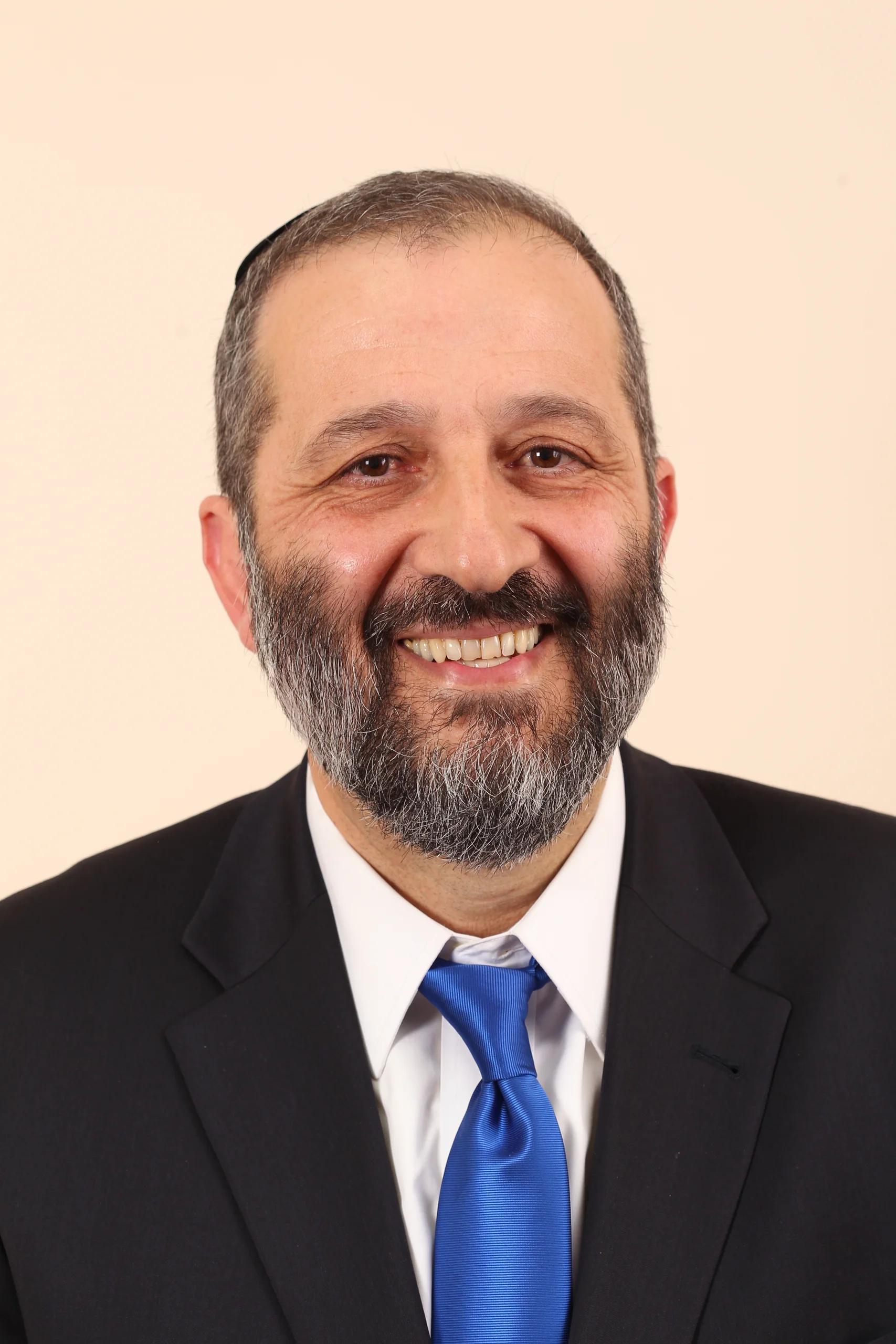
Ovadia Yosef was closely associated with his wife Margalit Joseph, his sons Rabbi David Yosef (current Sephardi Chief Rabbi), Rabbi Yitzhak Yosef (former Sephardi Chief Rabbi), and Rabbi Yaakov Yosef, and his great-grandson Rabbi Ya'ir Paran. In the political sphere, he worked alongside Aryeh Deri, a founder of the Shas party, and was a spiritual mentor to many Sephardic rabbis and political figures.
Relationships & Dating History
Ovadia Yosef's personal life was private and centered on his marriage. He married Margalit Joseph in the late 1930s, and the marriage lasted until her death in 1994. Margalit was a devoted wife who supported his scholarship and public career. They had 11 children together. There are no records of any other romantic relationships, engagements, or marriages in his life. At the time of his death in 2013, he was widowed, having lost his wife nearly two decades earlier.
- MarriedMargalit Joseph1939 - 1994Married for over six decades until her death in 1994; they had 11 children together.
Death & Aftermath
Died
October 7, 2013 (aged 93)
Death Place
Jerusalem
Cause of Death
reported complications from pneumonia and heart failure
Inside his Jerusalem home in the Kiryat Moshe neighborhood, Rabbi Ovadia Yosef passed away on Monday, October 7, 2013. The 93-year-old had spent weeks at Tel Aviv's Ichilov Hospital battling pneumonia and heart failure before returning to his residence for his final days. Family members announced the death following a decline in health that had become visibly apparent during his last public appearance at Rosh Hashanah services earlier that September. The nation paused to honor the man described by Prime Minister Benjamin Netanyahu as a giant of the generation. President Shimon Peres called him a leader of the nation, while the Knesset observed a moment of silence.
An estimated 500,000 to 800,000 mourners filled the streets of Jerusalem on Tuesday, October 8, creating one of the largest funerals in Israeli history. The procession moved from his home to the Har HaMenuchot cemetery, where traditional Sephardic liturgy accompanied eulogies delivered by top religious and political figures. In the wake of his burial, vigils continued globally with tens of thousands gathering outside his former residence. Sales of his monumental works, including Yabia Omer and Yechave Da'at, surged immediately after news of his passing spread. His family and the Shas party assumed management of his intellectual property and charitable foundations.
Net Worth (Estate Value)
$5 Million
iFANN Editorial Team estimate
iFANN currently estimates Ovadia Yosef's net worth at $5 Million as of 2026. As a religious leader, his wealth was never publicly documented in the manner of celebrities, and he lived a modest lifestyle befitting a rabbi. The primary value of his estate lies in his intellectual property: his more than 50 published books, including Yabia Omer and Yechave Da'at, which continue to be published and studied. The estate is managed by his family, particularly his sons, who continue his religious legacy. Revenue from book sales and royalties continues to accrue to the estate. No credible public estimates of the estate's value exist beyond this, as Yosef's wealth was never a subject of public reporting.
Awards & Accolades
View 2 records, honours and achievementsKnown For
Sephardi Chief Rabbi of Israel
1972-1983 · Chief Rabbi
Yabia Omer
1954 · Author
Yechave Da'at
1977 · Author
Shas political party
1984 · Co-founder and spiritual leader
Keywords
Sources
Quick Facts
- Profession
- Rabbi, Posek, Dayan
- Born
- September 24, 1920
- Birthplace
- Baghdad, Iraq
- Died
- October 7, 2013
- Death Place
- Hadassah Ein Karem Hospital, Jerusalem
- Gender
- Male
- Spouse
- Margalit Joseph
- Children
- 11
- Education
- Porat Yosef Yeshiva
- Birth Sign
- Sagittarius
Personal Details
- Full Name
- Abdullah Yosef
- Spouse
- Margalit Joseph
- Children
- 11
- Education
- Porat Yosef Yeshiva, Jerusalem
Frequently Asked Questions
Who was Ovadia Yosef?
When did Ovadia Yosef die?
How many children did Ovadia Yosef have?
What is Ovadia Yosef's net worth in 2026?
Why is Ovadia Yosef famous?
Similar People
Join the community
fans discussing