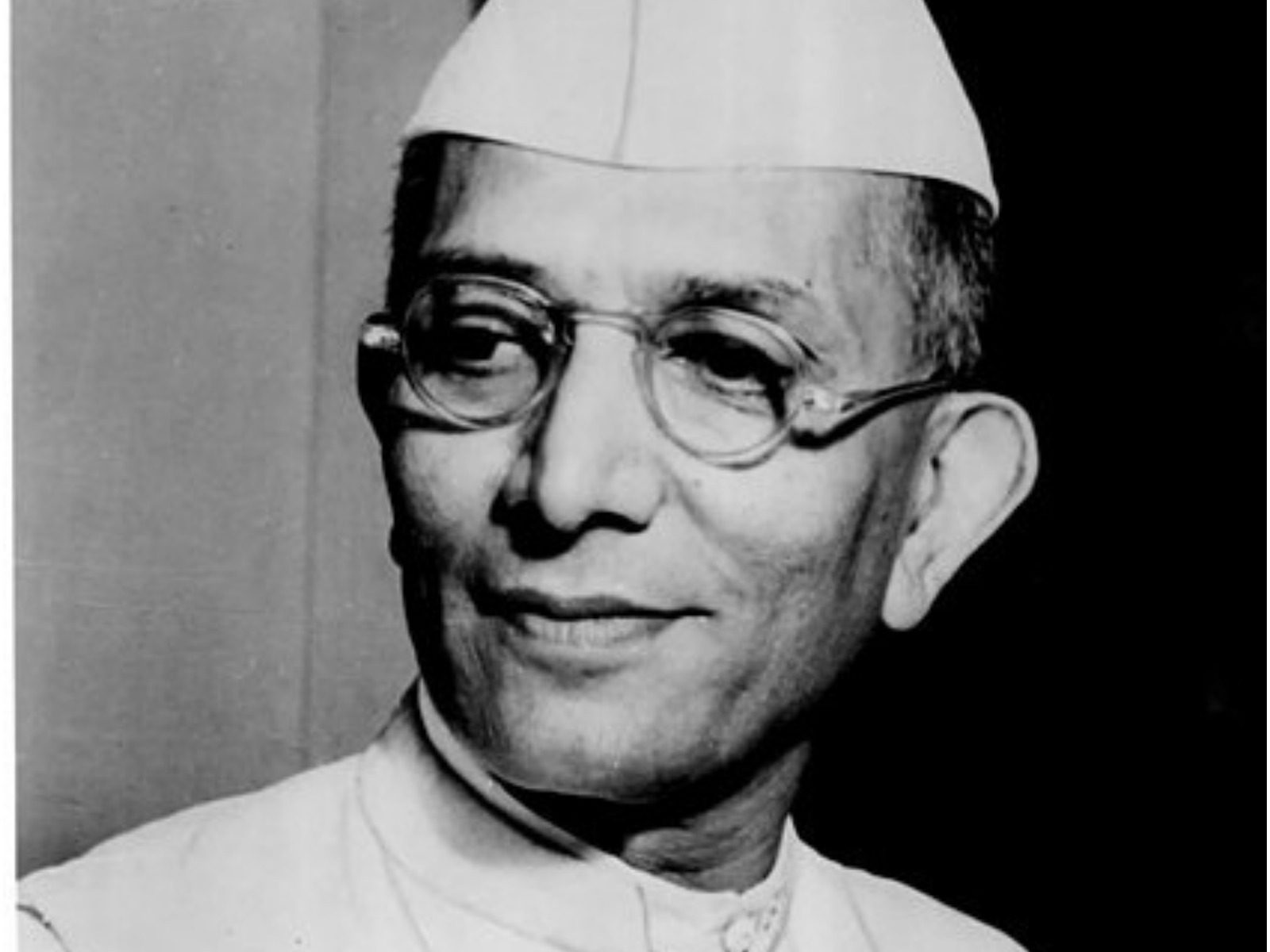
Morarji Desai
 India
politician•peace activist•badminton executive and administrator
Also known as: Morarji Ranchhodji Desai, Desai
Birthday
February 29, 1896
Birth Sign
Sagittarius
Birthplace
Bhadeli village, Valsad district, Bombay Presidency
Age
Died at 99
About
Morarji Ranchhodji Desai was an Indian politician, independence activist, and peace advocate who served as the sixth Prime Minister of India from 1977 to 1979. He holds the unique distinction of being the oldest person to hold the office, assuming power at the age of 81. A lifelong Gandhian, he led the Janata Party to victory in the 1977 general elections, forming the first non-Congress government in the country's history. His tenure is remembered for restoring democratic freedoms after the Emergency period and advocating for civil liberties. Desai died in 1995 at the age of 99, leaving behind a legacy defined by austerity and moral integrity.
Early Life & Background
Desai entered the world on February 29, 1896, in the small village of Bhadeli located in the Valsad district of Gujarat. Born into a Gujarati family during the British Raj, his father Ranchhodji Desai worked as a school teacher, providing a modest upbringing that emphasized simplicity and hard work. The young Morarji displayed an early interest in social justice and the growing freedom movement, values instilled by his environment. He completed his primary education in Surat before moving to the University of Mumbai, formerly known as Bombay Presidency, where he earned a Bachelor of Arts degree. Although he initially considered careers in teaching or law, his passion for the Indian National Congress pulled him toward politics. He joined the independence movement in his youth, participating in civil disobedience campaigns and facing imprisonment multiple times for his role in satyagrahas against British rule. His ascetic lifestyle began early, characterized by strict vegetarianism, simple clothing, and a rejection of material wealth that would define his public persona for decades.
Career Growth
Desai's political career spanned over six decades, marked by significant milestones that shaped modern India. In the 1930s and 1940s, he actively participated in the Quit India Movement and faced imprisonment for his activism. By 1946, he had risen to become the Revenue Minister of Bombay State. In 1952, he was elected Chief Minister of Bombay State, a position he held until 1956, while simultaneously serving as Home Minister where he implemented land reforms. Following the reorganization of states in 1956, he continued to hold high office, serving as Deputy Prime Minister under Jawaharlal Nehru from 1962 to 1966. In 1966, he served as Finance Minister in Lal Bahadur Shastri's cabinet but resigned in protest against the Tashkent Agreement. After a period of opposition following the Emergency declared by Indira Gandhi in 1975, Desai became the unifying leader of the Janata Party. On March 24, 1977, following the defeat of the Congress party, he was sworn in as Prime Minister, leading the first non-Congress government in India's history. His tenure lasted until July 15, 1979, when he resigned after the collapse of the coalition due to internal conflicts.
Career Timeline
Public Image & Style
Desai cultivated a public image as the ascetic statesman, known for wearing only a white dhoti and chaddar and refusing air conditioning or luxury cars. His media presence was defined by sharp rhetoric and a commitment to constitutional morality. Journalists and historians remember him as a man of few wants whose authority stemmed from his moral standing rather than political maneuvering. His assertion that the press should annoy the government became a cornerstone of Indian journalistic philosophy. Portrayals focus on his role as the architect of the first non-Congress government and his unwavering stance during the transition from the Emergency.
Fame & Fandom (iFAMOUS Rankings)
Morarji Desai commanded a global audience defined by historical significance rather than contemporary celebrity metrics, with his legacy anchored in the annals of Indian political history. The iFANN Global Fame Engine evaluated this figure in August 2026 and determined that he currently holds no placement within the published rankings, including the Global Top 1,000 or any Top-100 scope list. Consequently, no specific ordinal rank or numerical score is assigned to his current standing. While his influence remains profound among historians and political scholars, he does not appear on the active fame charts that track living cultural icons. Regarding his fanbase, research confirms that Morarji Desai has no documented fandom name. Unlike modern entertainers who cultivate organized communities, his supporters are characterized by formal state tributes and political affiliation rather than a distinct group identity or grassroots movement. There are no recorded fan campaigns, social media hashtags, or ritualistic gatherings dedicated solely to him. His public interactions were strictly administrative and political, leaving no space for the development of a personal cult of personality in the manner seen with pop culture figures. Commemorations of his life are conducted by government officials at Rashtrapati Bhavan, reflecting institutional reverence rather than fan enthusiasm. The absence of a formal fan structure underscores his role as a statesman whose impact was measured in policy and democratic restoration rather than popularity contests.
Interesting Facts and Legends
Morarji Desai celebrated his birthday only once every four years because he was born on February 29, 1896. Beyond politics, he was an avid badminton player and served as a prominent figure in the Badminton Association of India. A widely cited anecdote involves his visit to Haus Hiltl in Zurich, the world's oldest continuously operating vegetarian restaurant, where he was photographed enjoying a simple meal. There were unverified rumors circulated by Pakistani intelligence claiming Desai had a habit of drinking urine for health benefits, though these were dismissed as propaganda. In the 1970s, Desai advised Sheikh Abdullah to ban liquor in Jammu and Kashmir, a suggestion that was reportedly not fully implemented.
Notable Quotes
“We want to make people so powerful that no govt dares to suppress them.”
“It is the press's business to annoy the government when the government deserves to be annoyed.”
Family & Personal Life
Desai was married to Bhubaneswari Desai, whom he met through family arrangements typical of the era. Their marriage was one of deep mutual respect and shared commitment to public service, with Bhubaneswari managing his household with the same austerity he practiced in public life. The couple did not have any children together. Desai's personal life was defined by celibacy and a total dedication to the nation, often described as a monk-like existence. He lived in a simple home in Ahmedabad, surrounded by minimal possessions, reflecting his belief that a public servant should not accumulate wealth.
Notable Connections
Relationships & Dating History
Morarji Desai was married to Bhubaneswari Desai. They met through family arrangements typical of the era, and their marriage was one of deep mutual respect and shared commitment to public service. Bhubaneswari was a supportive partner who managed his household with the same austerity he practiced in public life. The couple did not have any children together. Desai's personal life was defined by celibacy and a total dedication to the nation, often described as a monk-like existence. There are no records of other romantic relationships, engagements, or flings; his life was singularly focused on politics and the welfare of the Indian populace. As of his death in 1995, he was widowed.
- MarriedBhubaneswari Desai1913 - 1995Deeply committed partnership; no children.
Death & Aftermath
Died
April 10, 1995 (aged 99)
Death Place
Ahmedabad, Gujarat
Cause of Death
Old age and natural causes
Morarji Desai spent his final years in quiet retirement within his residence in the Kankaria area of Ahmedabad, Gujarat, having long since stepped away from active politics after resigning as Prime Minister in 1979. He passed away on April 10, 1995, at the age of 99, with official records attributing his death to old age and natural causes associated with declining health rather than any specific acute illness or accident. The reaction to his death was marked by formal tributes from the Indian state and political peers who recognized him as a principled freedom fighter and the architect of the first non-Congress government. Vice President C.P. Radhakrishnan paid floral tributes at Rashtrapati Bhavan on subsequent anniversaries.
The funeral was conducted with state honors appropriate for a former Prime Minister, resulting in cremation in Ahmedabad attended by family members and officials before his remains were laid to rest according to Hindu traditions. A memorial dedicated to him exists in Ahmedabad, often serving as a venue for annual commemorative events. Posthumously, his legacy has been institutionalized through the Morarji Desai National Institute of Yoga under the Ministry of AYUSH, which continues to organize annual Yoga Mahotsav events. The Prime Ministers Museum and Library maintains exhibitions regarding his life, such as those held for his 130th birth anniversary, while retrospective documentaries and articles continue to examine his contributions to transparent governance. His estate matters remain a private family affair.
Net Worth (Estate Value)
$0
iFANN Editorial Team estimate
As a public servant who lived a life of extreme austerity, Morarji Desai did not accumulate personal wealth in the manner of modern politicians or celebrities. He owned his home in Ahmedabad but had no significant real estate portfolio, business ventures, or investment holdings. His net worth is estimated to be negligible or nominal, consisting primarily of his personal effects and the value of his residence. There are no public records of a massive estate or posthumous revenue streams from commercial ventures. His financial legacy is one of poverty by choice, prioritizing public duty over personal gain. iFANN currently estimates his net worth at approximately $0, reflecting his deliberate rejection of material accumulation throughout his life.
Awards Won (3)
Desai received numerous accolades throughout his life and posthumously, including the Bharat Ratna in 1991, Pakistan's highest civilian award Nishan-e-Pakistan in 1990, and the Padma Vibhushan in 1970. These honors recognized his exceptional service to the nation and his efforts in fostering peace between India and Pakistan.
1991 · Civilian Award
Service to the Nation
1990 · Civilian Award
Peace and Friendship
Known For
Prime Minister of India
1977 · Political Leader
Keywords
Sources
Quick Facts
- Profession
- politician, peace activist, badminton executive and administrator
- Born
- February 29, 1896
- Birthplace
- Valsad district
- Died
- April 10, 1995
- Death Place
- Ahmedabad
- Gender
- Male
- Birth Sign
- Sagittarius
Personal Details
- Full Name
- Morarji Ranchhodji Desai
- Spouse
- Bhubaneswari Desai
- Children
- Education
- University of Mumbai (Bachelor of Arts)
Frequently Asked Questions
How old was Morarji Desai when he became Prime Minister?
Did Morarji Desai have any children?
What was Morarji Desai's stance on the press?
Why did Morarji Desai resign as Prime Minister?
What awards did Morarji Desai receive?
Similar People
Join the community
fans discussing