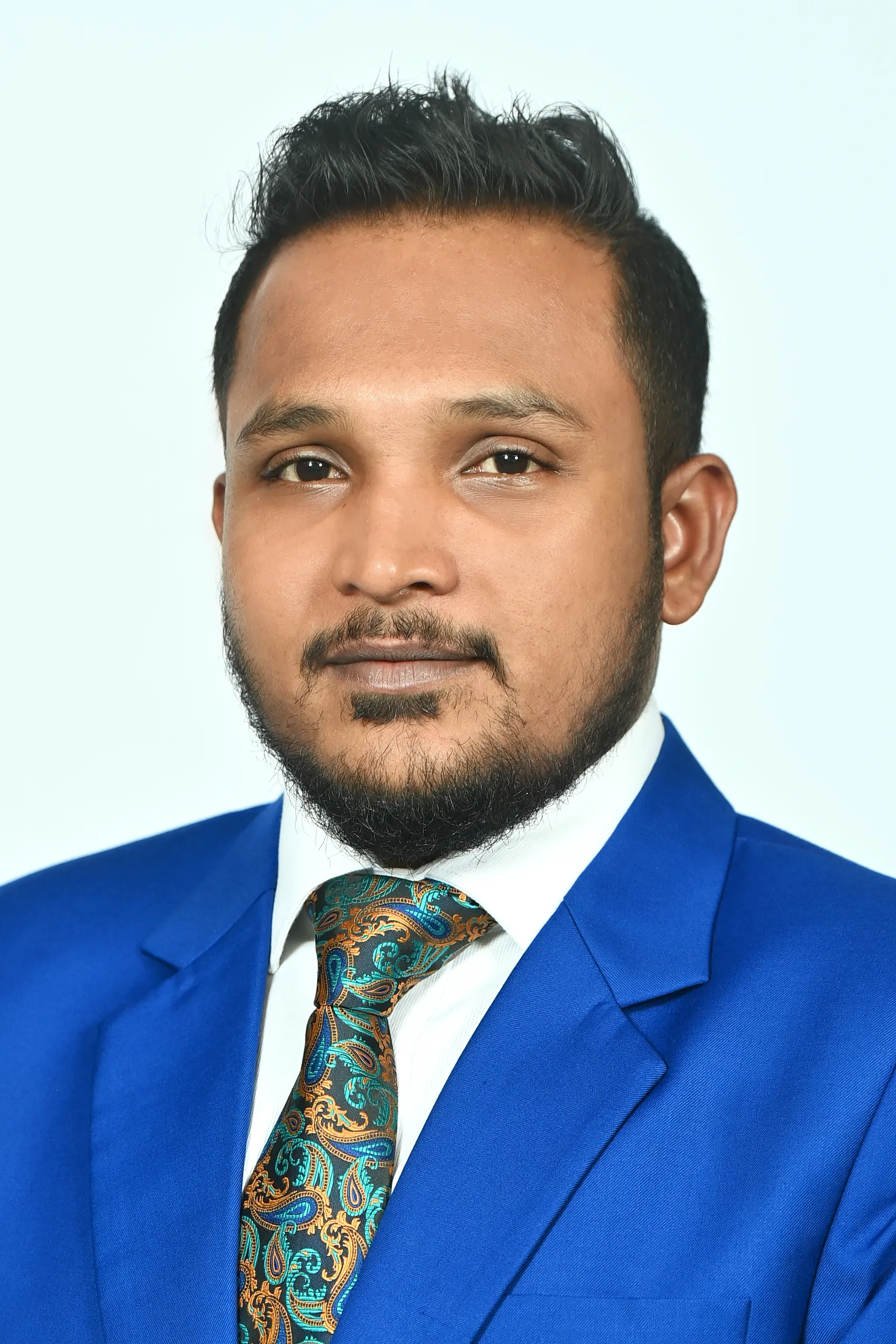
Mohammad Yamin
 Indonesia
poet•playwright•historian•politician
Also known as: Muhammad Yamin, Muhamad Yamin
Birthday
August 24, 1903
Birth Sign
Sagittarius
Birthplace
Talawi, Sawahlunto, West Sumatra
Age
Died at 59
About
Muhammad Yamin was an Indonesian poet, playwright, historian, politician, and national hero whose life and work were foundational to the identity of the modern Indonesian state. Born in Talawi, West Sumatra, he became a key figure in the country's independence movement, most notably drafting the preamble to the 1945 Constitution and formulating the philosophical principles of Pancasila. His literary works and political speeches helped unify the diverse archipelago under a single national identity.
Yamin is widely revered as one of the "Founding Fathers" of Indonesia. His career uniquely converged literature, academia, and high-level politics. He served as Minister of Education and Culture and Minister of Information during the early years of the republic. Today, he remains a central figure in Indonesian education and history, remembered not just for his political titles but for the sacred texts he authored that continue to inspire patriotism.
Early Life & Background
Mohammad Yamin entered the world on August 24, 1903, in Talawi, a village near Sawahlunto in West Sumatra. He was born into a prominent Minangkabau family, a group known for its rich matriarchal traditions and deep literary heritage. This environment immersed him in storytelling and poetry from a very young age, sparking a lifelong passion that would eventually shape a nation.
His formal education took place within the Dutch colonial system. Yamin attended the Hogere Burger School (HBS) in Batavia, now known as Jakarta. There, he excelled in languages and literature, honing the skills that would later allow him to navigate both the colonial administration and the nationalist resistance. Before stepping into the political spotlight, he was already establishing himself as a serious literary figure.
In 1922, while still a young man, he published his first poetry collection titled Tanah Air (Homeland). This work is considered a landmark in modern Indonesian literature because it marked a distinct shift from traditional Malay poetry toward more modern, nationalist expressions. It signaled his intent to use art as a tool for awakening national consciousness. By the late 1920s, he had become a central voice in the emerging literary circles that would soon fuel the independence movement.
Career Growth
Yamin's career trajectory moved seamlessly from literature to the highest levels of government. In 1928, he delivered a historic speech during the Sumpah Pemuda (Youth Pledge) congress in Batavia. While historical debates exist regarding the exact wording or whether he spoke alone alongside contemporaries like Soenario, the narrative of him being the primary architect of this unifying moment stands as central legend. He declared the unity of "one native land, one nation, and one language," a declaration that became the bedrock of Indonesian nationalism.
His most significant contribution occurred in May 1945 during the sessions of the BPUPKI (Investigating Committee for Preparatory Work for Independence). Yamin delivered speeches and submitted drafts that formulated the principles of Pancasila, the philosophical bedrock of the republic. He also played a crucial role in drafting the preamble to the 1945 Constitution, often referred to as the Jakarta Charter. These contributions are treated not merely as academic history but as sacred texts in Indonesia.
Following independence, Yamin entered formal government service. He held several ministerial posts, including Minister of Education and Culture from 1952 to 1953 and Minister of Information from 1953 to 1955. During this time, he continued to write historical plays and biographies, serving as President Sukarno's principal myth-maker to bolster national identity. He remained active in cultural and political discourse until his death in 1962.
Career Timeline
Public Image & Style
Mohammad Yamin is portrayed as a polymath and a patriot. His image is one of intellectual rigor, deep cultural pride, and unwavering dedication to the nation. Media portrayals emphasize his role as a "national hero" and "founding father," focusing on his writings and speeches rather than personal scandals. His content, whether in textbooks or documentaries, maintains a tone of reverence and educational authority. He is seen as a man who dedicated his life to the construction of a national identity, blending the roles of scholar, artist, and statesman.
Fame & Fandom (iFAMOUS Rankings)
For a figure who passed decades ago, Mohammad Yamin commands a presence that feels less like historical memory and more like an active, living reverence. His audience is not a collection of fans chasing trends or collecting merchandise; it is a nation united by the texts he helped forge. There is no formal fandom name to pin down, as his admirers are simply Indonesians who recognize him as one of the architects of their identity. The devotion here manifests in the classroom, the parliament, and the quiet pride of reading his verses, rather than in organized campaigns or street-side billboards. This unique form of legacy ensures his relevance remains constant, transcending the fleeting nature of modern celebrity cycles.
The scope of this enduring influence is captured by the iFANN Global Fame Rankings. According to these authoritative placements from October 2026, Mohammad Yamin is the 61st most famous person in Indonesia, holding steady from the previous cycle. This ranking reflects a sustained prominence that few other figures from the independence era have maintained over nearly a century. Additionally, he is featured at No. 41 in the September 2026 iFAMOUS Rankings.
Interesting Facts and Legends
Mohammad Yamin is described by historians as President Sukarno's principal myth-maker. He crafted the narratives that unified the diverse archipelago under a single national identity, weaving nationalist themes into fiction to inspire patriotism. Beyond politics, he was a prolific writer of historical plays and biographies, creating works that remain part of the national curriculum.
The story of the Sumpah Pemuda credits him with the declaration of "one nation," yet some historical debates occasionally surface regarding the exact wording or whether he spoke alone alongside contemporaries like Soenario. Despite this, the narrative of his central role remains the dominant cultural memory. Another iconic chapter involves the BPUPKI sessions in May 1945, where his speeches formulated the principles of Pancasila. These moments are not just historical facts but are treated as sacred texts that continue to inspire patriotism in educational contexts.
Notable Quotes
“Satu nusa, satu bangsa, satu bahasa" (One native land, one nation, one language)”
“Speeches at the BPUPKI sessions emphasized the unity of diversity and the spiritual foundation of the republic.”
Family & Personal Life
As a public figure of the mid-20th century in Indonesia, detailed public records of Mohammad Yamin's romantic relationships, dating history, or specific marital partners are scarce compared to modern celebrities. Historical accounts focus almost exclusively on his professional contributions and his role as a father and husband within the context of his family unit rather than publicized romances. There are no credible sources documenting a series of public flings, engagements, or divorces typical of modern celebrity bios. He is known to have been married, but the names of his spouse(s) and specific details of their relationship timeline are not widely recorded in available English-language biographical sources or general historical archives. Consequently, there is no "dating history" to list in the chronological format requested for modern figures; his personal life remains a private matter of the era, with the public legacy defined by his intellectual and political output.
Notable Connections
Soekarno, Mohammad Hatta, Soenario, Murba Party members
Relationships & Dating History
As a public figure of the mid-20th century in Indonesia, detailed public records of Mohammad Yamin's romantic relationships, dating history, or specific marital partners are scarce compared to modern celebrities. Historical accounts focus almost exclusively on his professional contributions and his role as a father and husband within the context of his family unit rather than publicized romances. There are no credible sources documenting a series of public flings, engagements, or divorces typical of modern celebrity bios. He is known to have been married, but the names of his spouse(s) and specific details of their relationship timeline are not widely recorded in available English-language biographical sources or general historical archives. Consequently, there is no "dating history" to list in the chronological format requested for modern figures; his personal life remains a private matter of the era, with the public legacy defined by his intellectual and political output. He died in Jakarta in 1962, leaving behind a family that has maintained his legacy through educational foundations and scholarships bearing his name.
Death & Aftermath
Died
October 17, 1962 (aged 59)
Death Place
Jakarta, Indonesia
Cause of Death
Natural causes associated with old age
Mohammad Yamin passed away on October 17, 1962, in Jakarta at the age of 59. The specific medical details surrounding his final days remain undocumented in available historical records, though reports indicate he died from natural causes related to his age. He had spent his final years actively working as a playwright, poet, and politician within the capital city.
The state responded with full honors befitting a man who helped draft the preamble to the 1945 Constitution. His funeral was conducted with great reverence, and he was laid to rest in the Kalibata Heroes' Cemetery (Taman Makam Pahlawan Kalibata) alongside other prominent figures of the independence movement. Tributes immediately flowed from cultural institutions and government bodies, recognizing his pivotal role in shaping Pancasila and the nation's foundational documents.
His legacy has only grown since his passing. Collections of his poetry and historical texts continue to be published and taught in schools across Indonesia. Several foundations and scholarships now bear his name to support arts and humanities, ensuring that his contributions to literature and politics are preserved for future generations. Major landmarks, including the Mohammad Yamin Monument in Jakarta and a stadium in his hometown of Sawahlunto, stand as permanent testaments to his enduring influence on the Indonesian identity.
Net Worth (Estate Value)
$0
iFANN Editorial Team estimate
As a public servant and intellectual who lived from 1903 to 1962, Mohammad Yamin did not accumulate a net worth in the modern sense of celebrity wealth. He served in government roles with standard salaries and lived a life dedicated to public service. There are no estimates of his personal net worth in dollars, nor are there reports of business ventures, real estate holdings, or endorsement deals.
His "estate" is not measured in liquid assets but in his intellectual property and legacy. Posthumous revenues come from the licensing of his literary works, royalties from school textbooks, and the operation of institutions named after him. The current estimated value of his "brand" and legacy is intangible but culturally priceless to Indonesia. The iFANN Editorial Team notes that while no financial figure can be assigned to his personal fortune, his cultural impact generates continuous revenue through educational materials and state-sponsored commemorations.
Awards Won (1)
Mohammad Yamin received numerous posthumous and lifetime honours recognizing his status as a National Hero. He was awarded the title of National Hero of Indonesia (Pahlawan Nasional) by the Indonesian government, which is the highest honor in the country. Major landmarks are named after him, including the Mohammad Yamin Monument in Jakarta and the stadium in his hometown of Sawahlunto. His literary works remain part of the national curriculum and are studied in schools across Indonesia.
1962 · Lifetime Achievement
Contribution to Indonesian Independence
Known For
Tanah Air
1922 · Poetry Collection
Pancasila
1945 · Philosophical Principles Formulation
1945 Constitution
1945 · Drafting the Preamble
Keywords
Sources
Quick Facts
- Profession
- playwright, poet, politician, historian
- Born
- August 24, 1903
- Birthplace
- Talawi, Sawahlunto, West Sumatra
- Died
- October 17, 1962
- Death Place
- Jakarta
- Gender
- Male
- Birth Sign
- Sagittarius
Personal Details
- Full Name
- Muhammad Yamin
- Education
- Hogere Burger School (HBS), Batavia
Frequently Asked Questions
Who was Mohammad Yamin?
When was Mohammad Yamin born and when did he die?
What is Mohammad Yamin famous for?
Is Mohammad Yamin still alive?
Where is Mohammad Yamin buried?
Similar People
Join the community
fans discussing