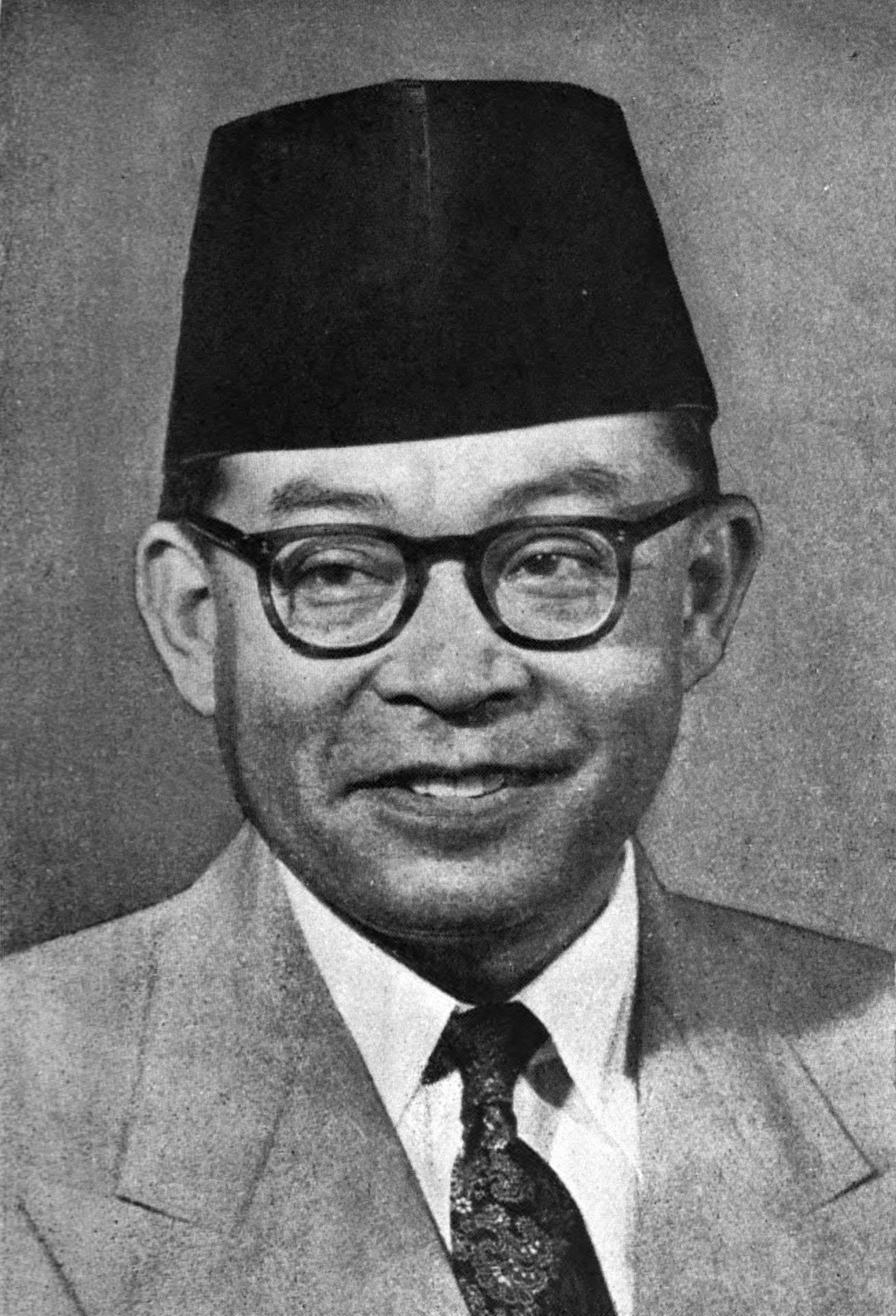
Mohammad Hatta
 Indonesia
Birthday
+1902-08-12
Birth Sign
Leo
Birthplace
Bukittinggi
Age
Died at 77
About
Born in Bukittinggi in 1902, Mohammad Hatta emerged as a towering figure in Indonesia's struggle for self-determination. A statesman and nationalist, he dedicated his life to freeing his nation from Dutch colonial rule. His activism began early, leading him to spend time imprisoned in the Boven Digoel concentration camp for his political beliefs. Hatta's collaboration with Sukarno was central to the Indonesian national awakening and the subsequent revolution. He became known as "The Proclamator" for his vital role in declaring Indonesia's independence, standing as the second signatory to the historic declaration.
Fame & Fandom
For those who have tracked Mohammad Hatta's legacy for decades, the distinction is clear: he commands a reverence that transcends the fleeting fervor of modern pop culture. His audience does not gather in stadiums or rally behind hashtags; instead, they are students of history, citizens honoring a national saint whose influence is woven into the very fabric of Indonesian identity. There is no formal fandom name to claim, yet his supporters maintain a quiet, enduring devotion through the preservation of his writings and the celebration of his moral integrity. This unique relationship defines his standing today, where every mention of his 'middle path' diplomacy or his frugal lifestyle serves as a reminder of his unwavering principles.
The scope of this admiration is vast and measurable across the globe. Through the lens of global attention tracking media coverage and consumption signals worldwide, the iFANN Global Fame Rankings confirm his towering status. He is currently the 13th most famous person in Indonesia, holding steady from the previous cycle. From his homeland, he ranks as the 17th most famous person from Indonesia, maintaining his position with remarkable consistency. On a broader regional stage, he has climbed to become the 57th most famous person in Southeast Asia, moving up from 58th last cycle. These placements stand as the capstone to a life dedicated to freedom, proving that true fame endures long after the final chapter is written.
Interesting Facts and Legends
Mohammad Hatta spent time imprisoned in the Boven Digoel concentration camp for his political beliefs, a period that hardened his resolve rather than breaking it. While serving as Vice President, he voluntarily resigned in 1956 due to disagreements with President Sukarno's authoritarian direction, choosing exile over compromising his democratic principles. A story fans still retell involves his worn-out Bally shoes, which illustrated his extreme frugality and lack of vanity despite his high office. This detail has evolved into a modern cultural myth reinforcing his character against contemporary corruption.
His diplomatic strategy of maintaining neutrality between Western and Eastern powers during the Cold War became known as the 'Middle Path,' evolving into the origin of Indonesia's foreign policy doctrine of Bebas-Aktif. The Proclamation of Independence remains his most iconic moment, where he insisted on the text being simple and direct to resonate with the masses. His image appeared on the Indonesian currency, specifically the 10,000 rupiah note, cementing his place as a National Hero in the public consciousness.
Death & Aftermath
Died
+1980-03-14 (aged 77)
Death Place
Jakarta, Indonesia
Cause of Death
Heart failure and complications from old age
The Indonesian government declared a period of national mourning and organized a state funeral to honor Mohammad Hatta, reflecting his status as a National Hero. Tributes poured in from President Suharto and institutions like the University of Indonesia, praising his integrity and pivotal role in the struggle for independence. The event triggered a surge in the publication and re-reading of his books, particularly The Co-operative Movement in Indonesia and his memoirs. Hatta passed away on March 14, 1980, at his residence in the Menteng area of Jakarta, Indonesia. He was 77 years old and had spent his final days in relative seclusion after voluntarily resigning from politics in 1956 to focus on writing and economic cooperation.
The cause of death was reported as natural causes resulting from heart failure and complications associated with old age. Following the funeral rites attended by high-ranking government officials and foreign dignitaries, Hatta was buried at Kalibata Heroes' Cemetery, a resting place reserved for the nation's most distinguished figures. In the posthumous years, he has been honored extensively with numerous institutions named after him, including Universitas Bung Hatta and Bung Hatta Airport. His estate was handled by his wife, Rahmi Rachim, and their children, who have managed his literary works and archives to preserve his intellectual legacy.
Awards & Accolades
Keywords
Quick Facts
- Profession
- politician
- Born
- +1902-08-12
- Birthplace
- Bukittinggi
- Died
- +1980-03-14
- Death Place
- Jakarta
- Gender
- Male
- Spouse
- Rachmi Hatta
- Birth Sign
- Leo
Personal Details
- Spouse
- Rachmi Hatta
Join the community
fans discussing