
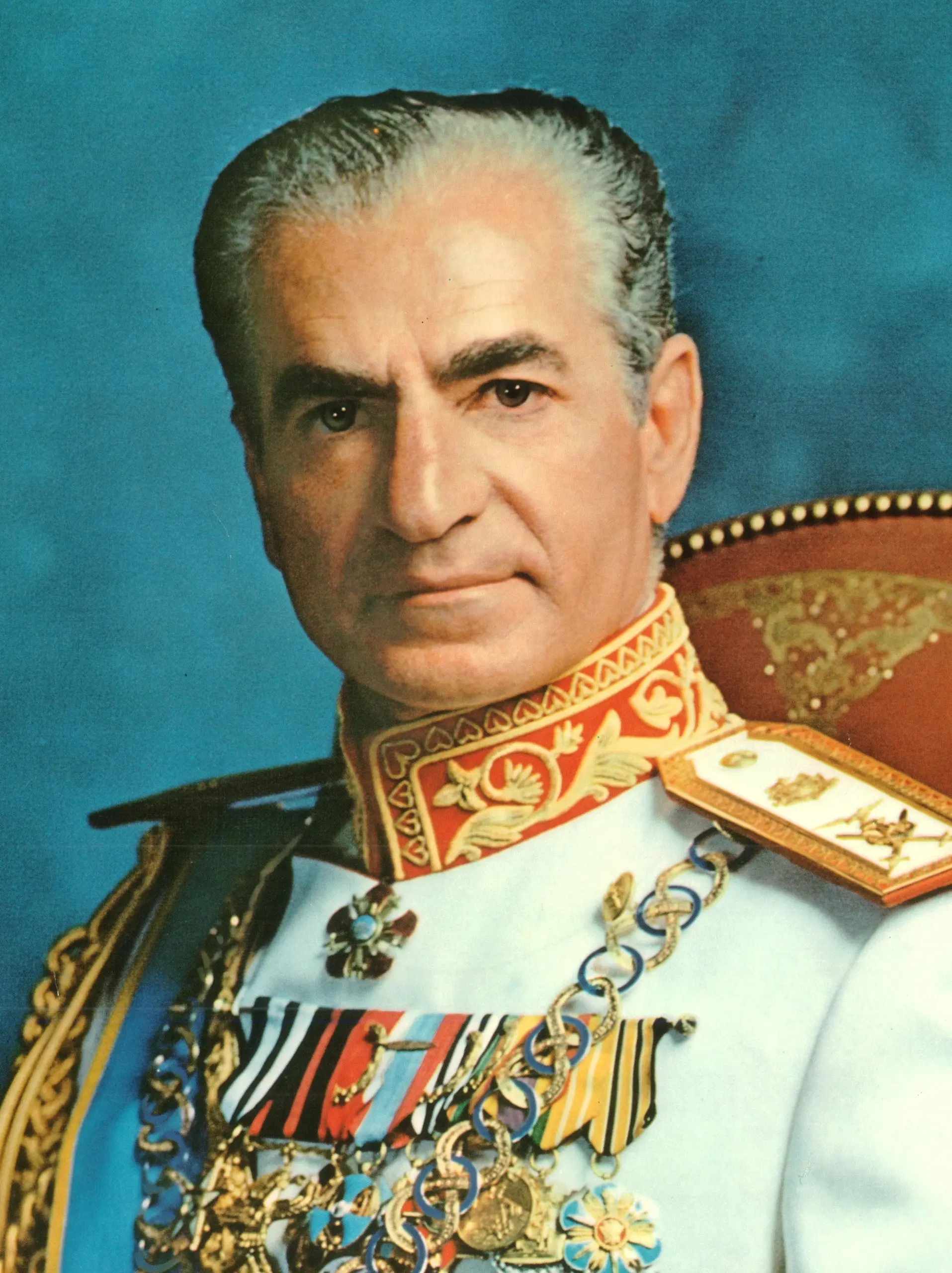
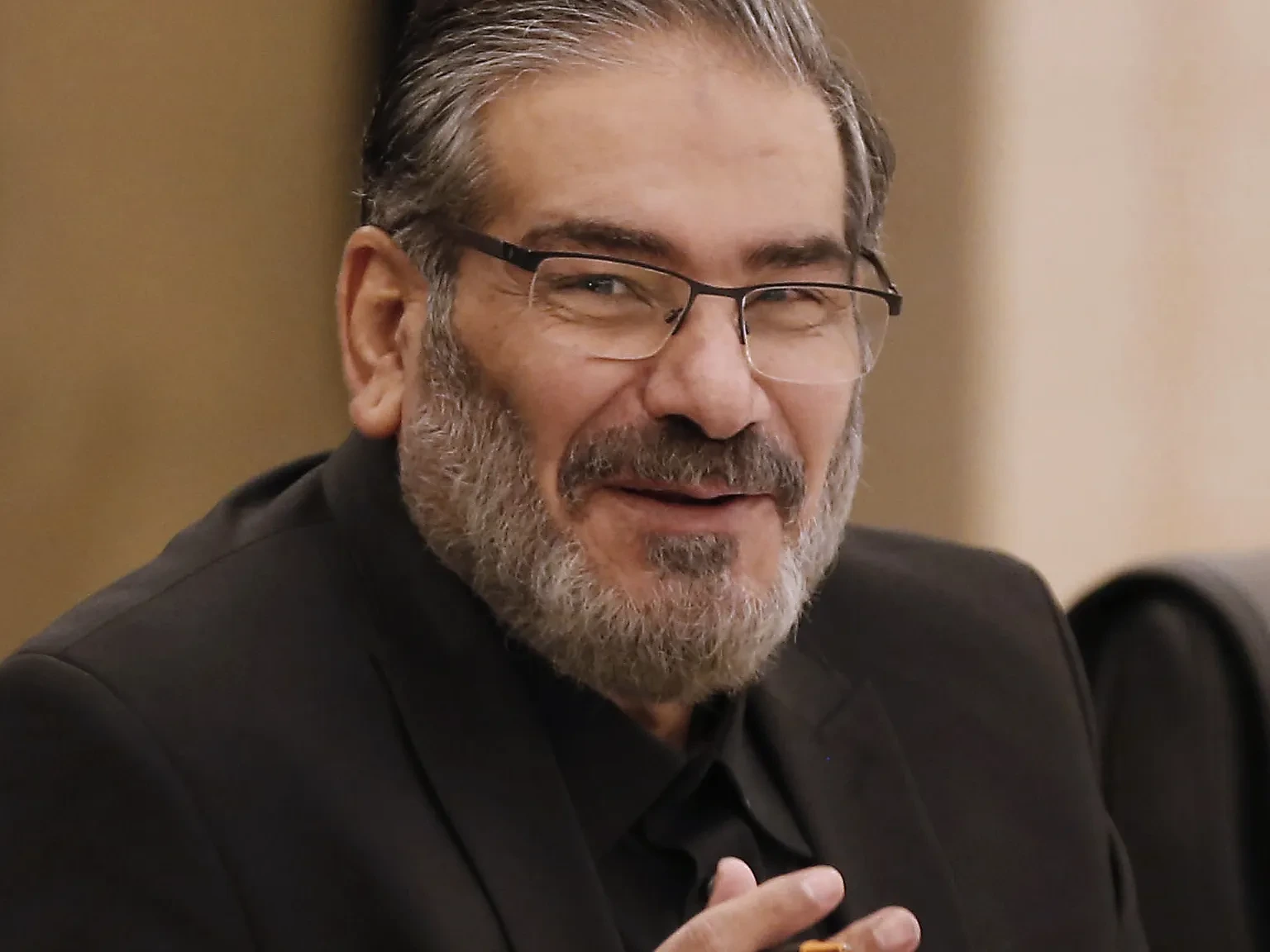
Mohammad Reza Naqdi
 Iraq
IraqAlso known as: M. R. Naqdi, Mohammad-Reza Naghdi
Birthday
1953
Birth Sign
Capricorn
Birthplace
Najaf, Iraq
Age
73 years old
About
Mohammad Reza Naqdi is an Iranian military officer who serves as a senior commander within the Islamic Revolutionary Guard Corps (IRGC). Born in Najaf, Iraq, he migrated to Iran and joined the newly formed IRGC shortly after the 1979 revolution. His career has been defined by decades of service in the country's security apparatus, rising through the ranks to hold some of the most powerful positions in the organization.
Today, he acts as a top strategic adviser to the IRGC Commander-in-Chief. He is widely recognized for his tenure leading the Basij Resistance Force, a volunteer militia, where he oversaw significant expansions and its deployment in internal security operations. Naqdi remains a central figure in discussions regarding Iran's military strategy, missile capabilities, and regional influence.
Early Life & Background
Nahaf was born in 1953 in Najaf, a city that holds immense religious significance for Shia Muslims worldwide. Growing up in this environment placed him at the center of the political and spiritual currents that would eventually reshape the region. Before or during the early stages of the 1979 Iranian Revolution, he moved from Iraq to Iran. This migration marked the beginning of his lifelong commitment to the new Islamic Republic.
Naqdi joined the Islamic Revolutionary Guard Corps in its nascent days when the organization was just forming. Unlike many contemporaries who entered combat roles immediately, his early career focused on logistical and industrial research within the armed forces. He spent years working behind the scenes during the grueling Iran-Iraq War, building the infrastructure necessary to sustain the war effort. These formative years in logistics and industrial planning provided the foundation for his later command roles, allowing him to understand the complex machinery of the state's defense needs before taking up arms as a commander.
Career Growth
Naqdi's rise through the ranks accelerated significantly following the Iran-Iraq War. He took on critical leadership roles, serving as the Deputy Chief of the Armed Forces General Staff for Logistics and Industrial Research. In this capacity, he managed the supply chains and industrial output essential for national defense. He also headed the State Anti-Drug Organization, tackling internal social issues with the same rigor applied to military logistics.
His most prominent appointment came in 2009 when he became the Commander of the Basij Resistance Force. He held this position until approximately 2016. During these seven years, he transformed the Basij into a massive volunteer militia. Under his command, the force expanded rapidly and played a central role in maintaining internal order during periods of civil unrest. His leadership style emphasized both military discipline and ideological mobilization, making the Basij a key instrument of the state.
After stepping down from the Basij, Naqdi was appointed as the Deputy Commander of the IRGC. This role placed him second only to the supreme commander in the organization's hierarchy. As of August 2026, he continues to serve as the Supreme Adviser to the IRGC Commander-in-Chief. In this current capacity, he is a primary voice on strategic matters, including the development of ballistic missiles, drone warfare, and long-term regional conflict strategies. Recent interviews have highlighted his views on Iran's ability to sustain prolonged conflicts and his warnings regarding foreign threats.
Career Timeline
Public Image & Style
In Western media and international reports, Naqdi is portrayed as a polarizing hardline figure. Analysts often cite him when discussing Iran's human rights record, particularly concerning the suppression of dissent and the role of the Basij in internal security. He is frequently associated with sanctions imposed by the United States and the European Union for his involvement in destabilizing activities.
Within Iran, state media depicts him as a loyal defender of the Islamic Republic and a visionary strategist. He appears regularly at official ceremonies and military parades, projecting an image of unwavering resolve. His public persona is built on the narrative of resistance against Western influence, framing the Basij and the IRGC as the guardians of the nation's sovereignty and revolutionary ideals.
Fame & Fandom (iFAMOUS Rankings)
Mohammad Reza Naqdi commands a presence defined by ideological devotion rather than the adoration reserved for entertainers or athletes. His audience is not a collection of fans seeking autographs or concert tickets, but a base of supporters within the Iranian state apparatus who view him as a steadfast guardian of the Islamic Republic. There is no formal name for this group, nor are there organized rituals, birthday billboards, or charity drives funded by admirers in his honor. The interactions surrounding him remain strictly professional, limited to geopolitical interviews and strategic directives issued from high-ranking positions within the IRGC and Basij. While some might romanticize his role as a defender against foreign influence, the reality is one of serious military doctrine and international sanctions rather than pop-culture mythology. He does not have a fanbase that tracks his daily movements or creates viral content around his persona. Instead, his legacy is woven into the fabric of national security debates and the historical record of Iran's internal and external conflicts. The only moments that generate widespread attention are his stark declarations regarding war and endurance, such as his 2026 comments on the potential duration of conflict with the United States. These statements resonate deeply with his supporters as proof of resolve, yet they do not translate into a celebrity following with inside jokes or fan clubs. iFANN has evaluated his global standing and found that he currently holds no placement in the published rankings (Global Top 1,000 or a Top-100 scope list), reflecting the specialized nature of his influence which remains confined to political and military spheres rather than general public fame.
Interesting Facts and Legends
Mohammad Reza Naqdi is one of the few individuals to have commanded both the Basij paramilitary force and served as a deputy to the IRGC Commander. This unique combination of roles gave him oversight over both the volunteer militia and the regular guard forces simultaneously.
In August 2026, he made headlines for stating that Iran could prolong a potential conflict with the United States until the end of Donald Trump's presidency. He framed this not as a threat of immediate aggression but as a test of endurance against American political cycles.
He frequently cites a statistic regarding Iran's military capabilities, claiming that only 5% of their units had ever confronted enemies in previous conflicts. This assertion suggests a vast reserve of unused power ready for future deployment.
Notable Quotes
“Only 5% of our military units confronted the enemy. If you want to evaluate it, our main capabilities remained unused.”
“Iran could prolong war until Trump leaves office.”
“The Basij is a bulwark against Western influence.”
Family & Personal Life
Information about Mohammad Reza Naqdi's family is strictly guarded due to his high-ranking status within the Iranian military. There are no publicly available records regarding his parents, siblings, or children. He maintains a strict separation between his public duties and private life, a common practice for senior IRGC commanders who operate under security protocols designed to protect their families from retaliation.
No details about his marital status or romantic relationships have been disclosed to the media. This lack of personal information is consistent with the culture of secrecy surrounding the Islamic Republic's highest military officials. Consequently, nothing is known about his household, pets, or daily family life outside of official circles.
Notable Connections
Islamic Revolutionary Guard Corps, Basij Resistance Force, Qasem Soleimani (deceased), Ali Khamenei.
Relationships & Dating History
Mohammad Reza Naqdi maintains a strict separation between his public duties and private life. There are no publicly available records regarding his marital status, romantic relationships, children, or family members. This lack of information is consistent with the security protocols surrounding senior IRGC commanders, who rarely disclose personal details to the public or media.
Consequently, there is no dating history, engagement, marriage, or divorce to report. He is not known to have any public romantic partners, and his current relationship status is considered private and undisclosed. No rumors or tabloid stories have been substantiated by credible sources regarding his personal life.
Salary, Net Worth In 2026
$0
iFANN Editorial Team estimate
As a government military official, Mohammad Reza Naqdi does not have a publicly disclosed net worth in the manner of celebrities or entrepreneurs. His income consists of a standard military salary and benefits provided by the Iranian state. There are no verified reports of private business ventures, real estate holdings, or endorsement deals attributed to him personally.
Any estimates of his wealth found online are speculative and likely conflated with the assets of the IRGC as an institution rather than his personal fortune. The iFANN Editorial Team's analysis of available financial data points to roughly $0 in verifiable personal liquid assets accessible to the public. His financial trajectory is tied entirely to his rank and service within the state apparatus, with no independent commercial empire documented.
Awards & Accolades
View 2 records, honours and achievementsKnown For
Islamic Revolutionary Guard Corps
1979 · Commander
Basij Resistance Force
2009 · Commander
Keywords
Sources
Quick Facts
- Profession
- military leader
- Born
- 1953
- Birthplace
- Najaf, Iraq
- Gender
- Male
- Birth Sign
- Capricorn
Personal Details
- Children
Frequently Asked Questions
Who is Mohammad Reza Naqdi?
Where was Mohammad Reza Naqdi born?
What is Mohammad Reza Naqdi's role in the Basij?
Is Mohammad Reza Naqdi married?
Why is Mohammad Reza Naqdi in the news in 2026?
Join the community
fans discussing