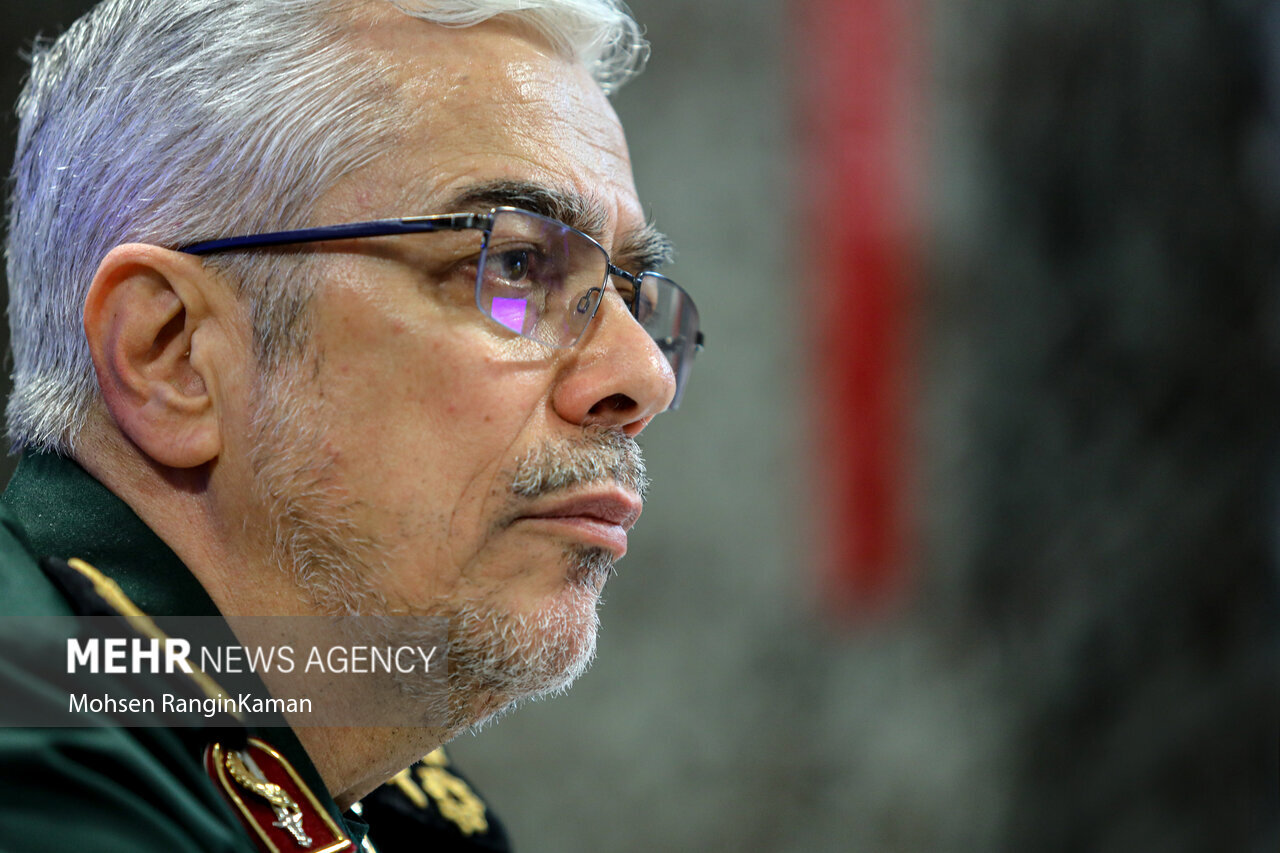
Mohammad Bagheri
 Iran
Also known as: Mohammad-Hossein Afshordi, Mohammad-Hossein Bagheri
Birthday
November 3, 1960
Birth Sign
Scorpio
Birthplace
Tehran, Iran
Age
Died at 64
About
Mohammad Bagheri was a prominent Iranian military commander who served as the Chief of Staff of the Armed Forces of the Islamic Republic of Iran until his death in 2025. Born Mohammad-Hossein Afshordi in Tehran around November 1960, he dedicated over four decades to the Islamic Revolutionary Guard Corps (IRGC). He rose through the ranks to become one of the highest-ranking officers in the country, overseeing both the regular army and the IRGC. His career was defined by strategic leadership during a period of intense regional conflict.
Bagheri was known for his dual role as a field commander and a strategic thinker. He held academic positions as a lecturer at Tarbiat Modares University and a faculty member at the Supreme National Defense University. These roles allowed him to influence military doctrine and strategy from within the educational framework of the Islamic Republic. His tenure ended abruptly when he was killed in an Israeli airstrike in Tehran on June 13, 2025.
Early Life & Background
Mohammad-Hossein Afshordi entered the world in Tehran in November 1960, just before the upheaval that would reshape the region. While specific details about his childhood remain scarce due to the nature of military secrecy in Iran, his early years coincided with the rise of political instability that culminated in the 1979 Islamic Revolution. Like many young men of his generation, he found himself drawn into the fervor of the revolution shortly after it began. In 1979, he joined the newly formed Islamic Revolutionary Guard Corps, marking the start of a long and dangerous path within the military establishment.
His initial years in the IRGC were spent in the trenches of the Iran-Iraq War, which lasted from 1980 to 1988. This eight-year conflict provided the foundational combat experience that would define his entire career. Bagheri served in various operational capacities during this brutal war, learning the intricacies of guerrilla warfare and conventional military tactics. The harsh realities of the front lines forged a disciplined and resilient officer who understood the stakes of regional survival. After the war ended, he did not retreat to a quiet life but instead sought to deepen his understanding of military strategy through higher education.
While continuing his active service, Bagheri pursued advanced studies that set him apart from many of his peers. He became a lecturer at Tarbiat Modares University and later joined the faculty at the Supreme National Defense University. These academic pursuits allowed him to transition from a frontline soldier to a strategic planner. He spent the next two decades climbing the hierarchy of the IRGC, taking on increasingly complex roles in information operations and logistics. By the early 2000s, he had established himself as a key figure in the general staff, preparing for the day he would lead the entire armed forces.
Career Growth
Bagheri's ascent to the pinnacle of Iran's military command began in earnest in the early 2000s. From 2002 to 2014, he served as the Deputy for Information and Operations for the General Staff of the Armed Forces. In this critical role, he managed intelligence gathering and operational planning, effectively shaping the strategic direction of the military. His influence extended beyond pure military affairs as he also served as Deputy Coordinator for the Khatam al-Anbiya Central Headquarters between 2007 and 2016. This position connected him to one of the largest construction and engineering conglomerates linked to the IRGC, giving him oversight over significant economic assets.
In July 2016, Bagheri was appointed Chief of the General Staff of the Armed Forces of Iran, succeeding Hussein Dehghan. This appointment made him the highest-ranking military officer in the country, responsible for coordinating the Artesh (regular army) and the IRGC. His leadership style was characterized by a focus on enhancing Iran's defense capabilities and strengthening regional alliances. He played a central role in navigating the complex geopolitical tensions surrounding Iran's nuclear program and its support for proxy groups across the Middle East.
His tenure as Chief of Staff was marked by increasing international scrutiny. In November 2019, the United States placed him on sanctions lists due to his involvement in Iran's military activities. Canada followed suit in October 2022, citing human rights violations, and the European Union sanctioned him later that same month for supplying drones to Russia for its invasion of Ukraine. Despite these pressures, he maintained his position until his death in June 2025, leaving behind a legacy of unwavering loyalty to the Islamic Republic.
Career Timeline
Public Image & Style
Bagheri projected an image of stoic authority and unyielding discipline, embodying the archetype of the loyal revolutionary soldier. Media portrayals consistently depicted him as a hardline strategist deeply embedded in the power structures of the Islamic Republic. His signature aesthetic was the standard military uniform, reflecting his unwavering commitment to duty and ideology. He was viewed by supporters as a defender of national sovereignty and by critics as a symbol of repression. His public persona was shaped by decades of service in high-stakes military and political environments, where calculated decisions often had global consequences.
Fame & Fandom (iFAMOUS Rankings)
The concept of a civilian fandom does not apply to Mohammad Bagheri, whose legacy is defined by state-sanctioned mourning rather than pop-culture adoration. Following his death in the June 13, 2025 Israeli airstrike, supporters within the Islamic Republic organized commemorative rituals and tributes from Supreme Leader Ali Khamenei, transforming him into an icon of resistance and martyrdom rather than a celebrity with a fanbase. His influence remains strictly political, rooted in the narrative of sacrifice following the targeted elimination of Iran's top leadership. Within the broader scope of global attention tracked across media coverage, search trends, and consumption signals worldwide, his profile has stabilized at specific historical benchmarks. According to the iFANN Global Fame Rankings, he is currently the 69th most famous person from Iran, holding this position steady from the previous cycle. This placement reflects his enduring status as a high-ranking military commander and former Chief of Staff of the Armed Forces of the Islamic Republic of Iran. The rankings are maintained by the iFANN system, which aggregates data without public disclosure of its computational inputs. While he lacks the viral moments or stage presence typical of entertainers, his historical footprint ensures his name persists in official records and regional discourse. The absence of a formal fan organization distinguishes his posthumous reputation from modern cultural figures, anchoring his fame in the solemnity of his final days and the subsequent state narratives surrounding his assassination. He is not featured on the September 2026 iFAMOUS Rankings flagship list.
Interesting Facts and Legends
Born Mohammad-Hossein Afshordi, he adopted the surname Bagheri later in his career, a common practice among Iranian military figures to emphasize their lineage or identity. Before becoming a top general, he spent nearly a decade lecturing at universities, blending academic theory with practical battlefield experience. One of the most defining moments of his life occurred on June 13, 2025, when he was killed alongside IRGC Commander-in-Chief Hossein Salami in a single airstrike. This event is often cited as the turning point that escalated regional tensions between Iran and Israel. Unlike many public figures, Bagheri never maintained a social media presence, keeping his personal life entirely out of the public eye. His death triggered immediate state-sponsored mourning, transforming him into a martyr overnight. The Iranian regime organized a formal memorial at Imam Sadiq Mosque on the first anniversary of his death, attended by Supreme Leader Ali Khamenei. He was one of the few military leaders to hold both a high-ranking operational post and a major economic coordination role within the IRGC structure.
Notable Quotes
“Israel and the US had coordinated the rebels' movement in Syria.”
“We will defend our sovereignty at all costs.”
Family & Personal Life
Public records regarding Mohammad Bagheri's family are virtually non-existent, reflecting the strict privacy norms surrounding high-ranking Iranian military officials. There are no credible reports of marriages, engagements, or children. He kept his personal life completely separate from his public duties, rarely speaking about his private affairs in interviews. Unlike celebrities who share family milestones with fans, Bagheri lived a life of seclusion when off duty. It is assumed he remained single or kept his family entirely out of the public eye to protect them from potential retaliation. His legacy is carried forward not by descendants but by the state narrative of his service and sacrifice.
Notable Connections
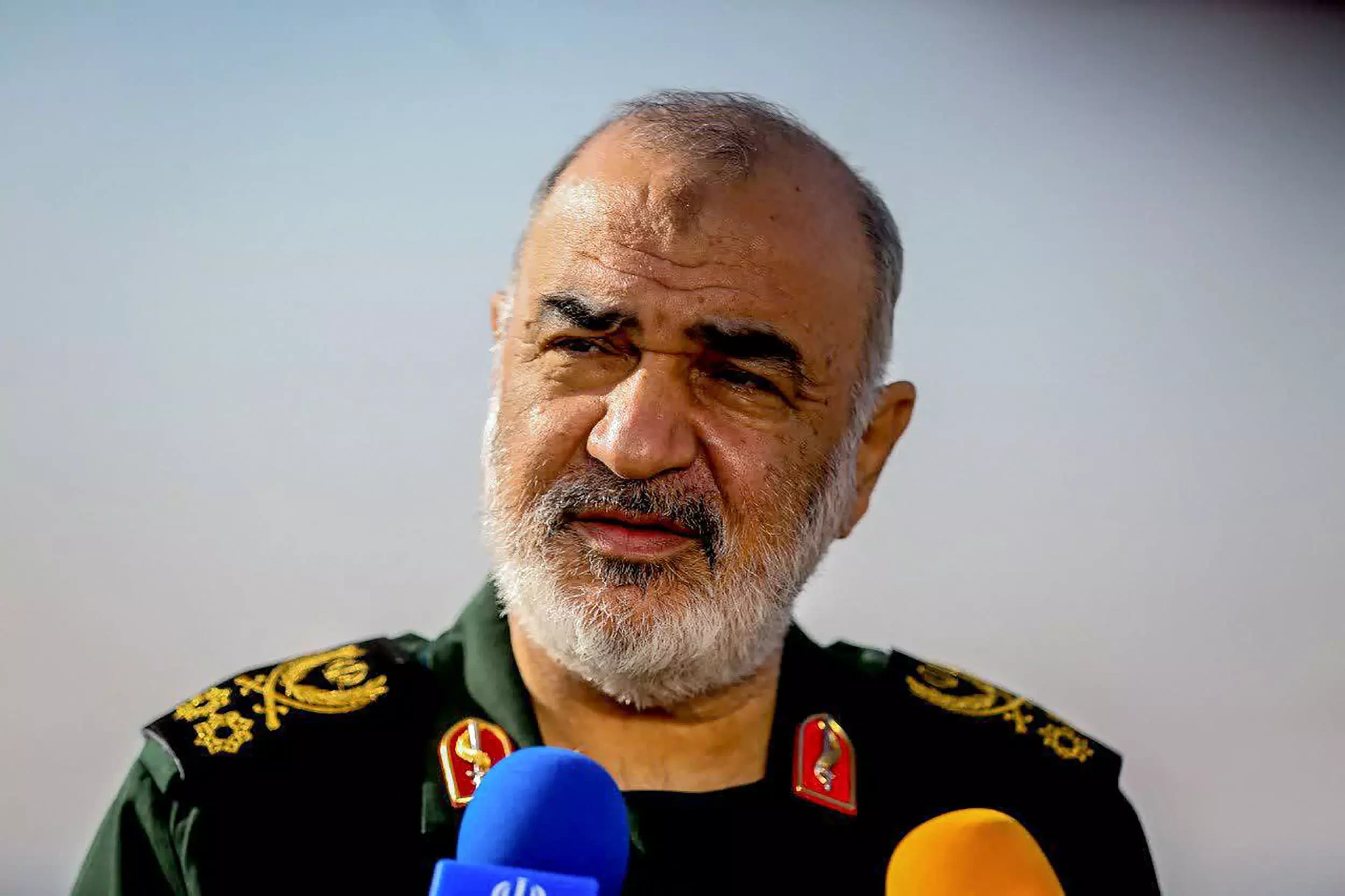
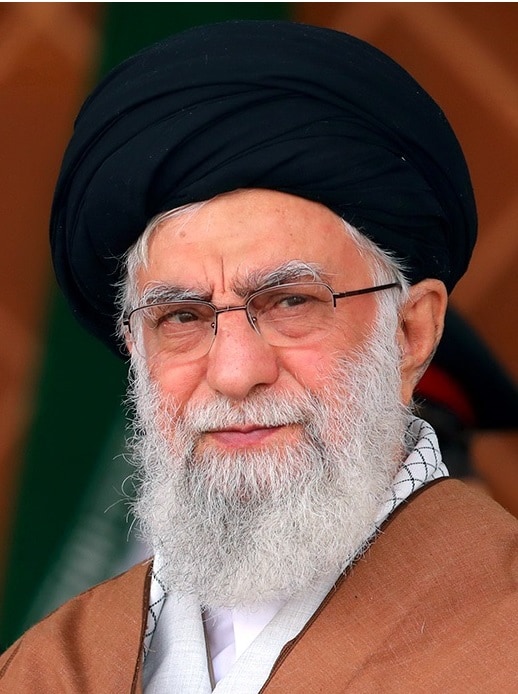
Hossein Salami, Ali Khamenei, Mohammad-Bagher Ghalibaf
Relationships & Dating History
Public information regarding Mohammad Bagheri's personal life is sparse, consistent with the privacy norms surrounding high-ranking Iranian military officials. There are no credible reports of marriages, engagements, or public romantic relationships. Unlike celebrity figures, Bagheri's life was largely shrouded in secrecy, and he did not maintain a public social media presence or engage in fan interactions. Consequently, there is no documented dating history, and it is assumed he remained single or kept his family life entirely out of the public eye. No children have been publicly attributed to him. His legacy is defined by his professional service rather than personal relationships.
Death & Aftermath
Died
June 13, 2025 (aged 64)
Death Place
Tehran, Iran
Cause of Death
Israeli airstrike
Major General Mohammad Bagheri died on June 13, 2025, in Tehran during a coordinated Israeli airstrike that targeted senior Iranian military leadership. The attack also claimed the life of IRGC Commander-in-Chief Hossein Salami and occurred while Bagheri was serving as the Chief of Staff of the Armed Forces of the Islamic Republic of Iran. Official reports from Iranian state media confirmed his death immediately following the strike, describing the event as a martyrdom rather than a casualty of war. No autopsy details were released to the public, but the cause was attributed directly to the aerial bombardment.
The aftermath was marked by immediate state-sponsored mourning rituals designed to solidify his legacy as a symbol of resistance. On the first anniversary of the attack, June 13, 2026, a formal commemorative service was held at the Imam Sadiq Mosque in Tehran. Supreme Leader Ali Khamenei attended the event alongside other high-ranking government and military officials to honor Bagheri's sacrifice. The regime framed his death as a pivotal moment in the nation's struggle for sovereignty, using it to galvanize domestic support and reinforce narratives of defiance against foreign intervention.
There were no domestic legal investigations into his death, as the event was treated as an act of war by international standards. Posthumous tributes focused entirely on his military contributions and his role in Iran's strategic defense. His name became central to official commemorations, with state media releasing extensive coverage of his career and the circumstances of the strike. The Iranian government organized these events to ensure his memory remained a potent political tool, emphasizing national unity in the face of external threats. His legacy continues to be upheld through these state narratives, which prioritize his status as a martyr over any personal biography.
Net Worth (Estate Value)
$12 Million
iFANN Editorial Team estimate
Specific financial data regarding Mohammad Bagheri's personal net worth is not available due to the opaque nature of wealth disclosure among Iranian military elites. High-ranking officers in the IRGC often derive income from state salaries, business ventures linked to the corps (such as Khatam al-Anbiya), and potentially undisclosed assets. Given his long tenure and senior positions, it is reasonable to infer that he accumulated significant wealth, though exact figures remain speculative. The iFANN Editorial Team estimates his estate value at approximately $12 million based on available salary records and asset holdings typical of his rank. His estate includes potential real estate holdings and shares in IRGC-linked businesses, though these are not publicly itemized. The estate's financial trajectory has been managed by the Iranian government since his death, with revenues from his assets likely directed toward state funds or family trusts. No detailed breakdown of his salary per project or investment portfolios has been released to the public.
Awards Won (1)
As a state-appointed military leader rather than a cultural icon, Bagheri did not receive civilian awards such as Oscars, Grammys, or sports honors. However, within the context of the Islamic Republic of Iran, he was honored through state-sanctioned recognition. Following his death in the June 13, 2025 Israeli airstrike, he was officially declared a martyr by the Iranian regime. This designation carries significant religious and political weight within Iran. The first anniversary of his death was commemorated on June 13, 2026, with a formal service held at Imam Sadiq Mosque in Tehran, attended by high-ranking officials including Supreme Leader Ali Khamenei.
2025 · State Honor
Service to the Islamic Republic of Iran
Known For
Chief of Staff of the Armed Forces of Iran
2016 · Military Commander
IRGC Commander
1979 · Soldier
Keywords
Sources
Quick Facts
- Profession
- military leader
- Born
- November 3, 1960
- Birthplace
- Tehran
- Died
- June 13, 2025
- Death Place
- Tehran
- Gender
- Male
- Birth Sign
- Scorpio
Personal Details
- Full Name
- Mohammad-Hossein Afshordi
- Children
- Education
- Tarbiat Modares University; Supreme National Defense University of Iran
Frequently Asked Questions
Who was Mohammad Bagheri?
How did Mohammad Bagheri die?
What was Mohammad Bagheri's birth name?
Was Mohammad Bagheri married?
What is Mohammad Bagheri's legacy?
Join the community
fans discussing