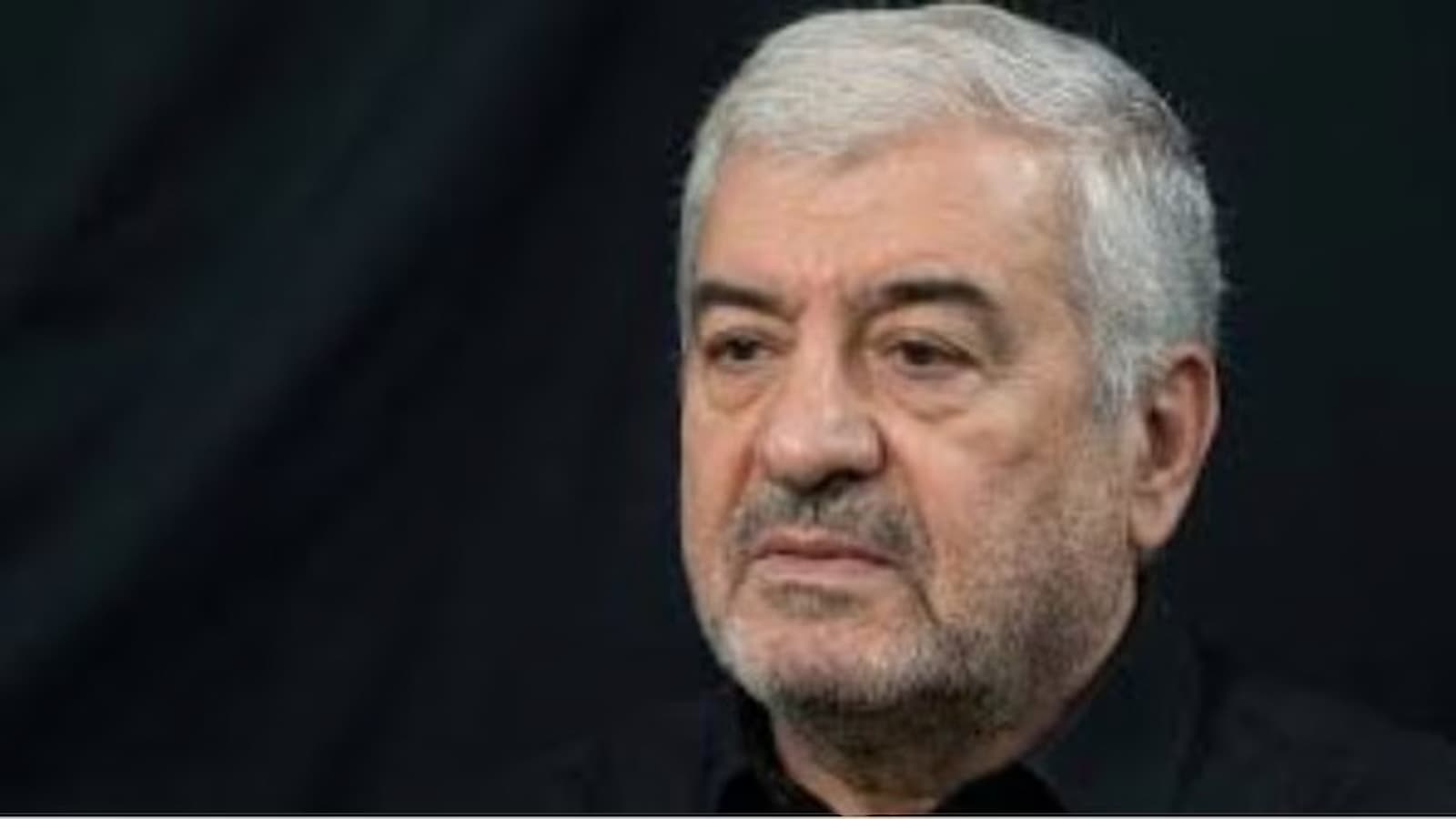
Mohammad Ali Jafari
 Iran
IranRetired Iranian military officer•former IRGC commander-in-chief
Also known as: Aziz Jafari
Birthday
September 1, 1957
Birth Sign
Virgo
Birthplace
Yazd, Iran
Age
69 years old
About
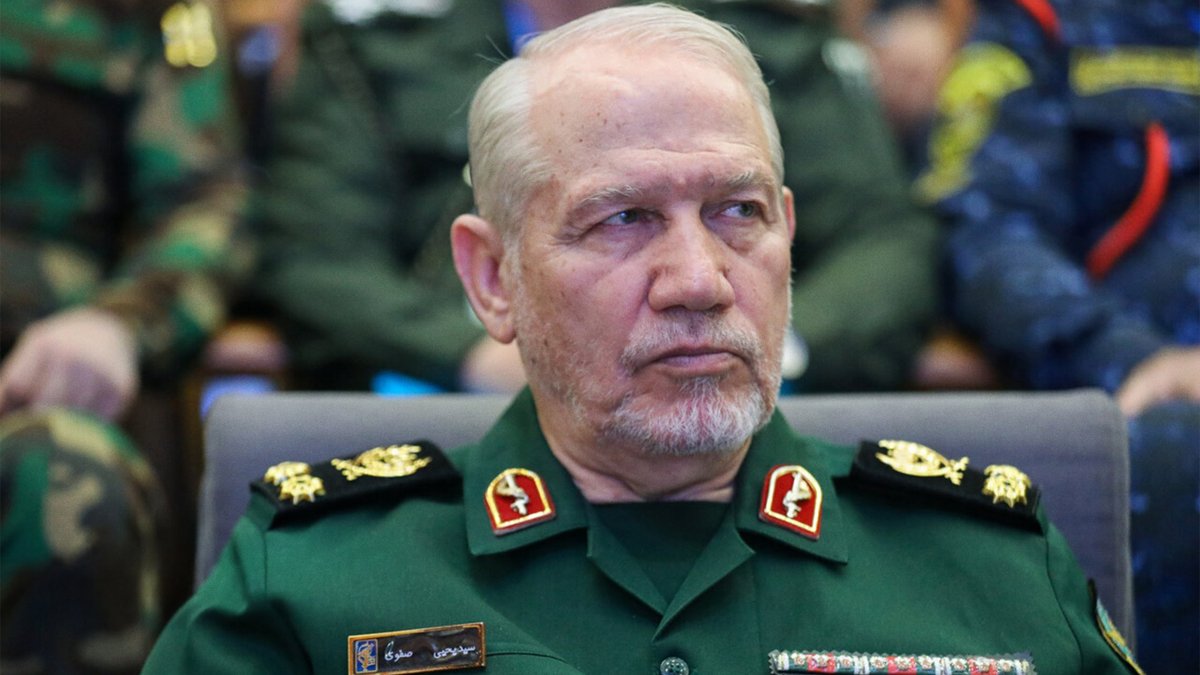
Mohammad Ali Jafari is a retired Iranian military officer who commanded the Islamic Revolutionary Guard Corps (IRGC) for over a decade. Born in Yazd in 1957, he rose through the ranks to become one of the most powerful figures in Iran's defense establishment. His name is closely tied to the "Mosaic Defence" doctrine, a strategy designed to make Iran resilient against decapitation strikes and capable of prolonged conflict.
Jafari served as IRGC commander-in-chief from September 2007 to 2019, appointed directly by Supreme Leader Ali Khamenei. He succeeded Yahya Rahim Safavi and was followed by Hossein Salami. His tenure was marked by significant military expansion and regional involvement. Analysts describe him as a skilled tactician and organizer, a "technical" military man who excelled at complex operations.
Even after stepping down, Jafari remains influential in Iranian strategic circles. He is known for his hardline stance, advocating for sanctions relief and war reparations before any negotiations with the West. As of 2026, he continues to shape discussions on Iran's defense and foreign policy.
Early Life & Background
Mohammad Ali Jafari was born on September 1, 1957, in the central Iranian city of Yazd, a historic desert town known for its Zoroastrian heritage and silk weaving. Details about his early life are scarce, but he grew up during a period of significant political upheaval in Iran, including the 1979 Islamic Revolution that transformed the country's political landscape.
Jafari's path to military leadership began with his involvement in the revolutionary movements of the late 1970s. He joined the IRGC in its formative years, drawn to the ideology of the new Islamic Republic. His early career was marked by a steady rise through the ranks, demonstrating organizational skills and tactical acumen that would later define his command style.
By the 1990s, Jafari had become a prominent figure within the IRGC, holding various command positions. In 2005, he was appointed director of the IRGC's Centre for Strategic Studies, a role that allowed him to develop the theoretical foundations for what would become the Mosaic Defence doctrine. Drawing lessons from conflicts in Iraq, Afghanistan, and the Balkans, he crafted a strategy focused on decentralization and endurance, which he later implemented as commander.
Career Growth
Jafari's appointment as IRGC commander-in-chief in September 2007 came at a tense time in Iran's relations with the West, particularly over its nuclear program. His predecessor, Yahya Rahim Safavi, was replaced in a move seen as a strategic shift by Supreme Leader Khamenei to consolidate conservative control and counterbalance President Mahmoud Ahmadinejad's influence. Jafari immediately set about restructuring the IRGC, emphasizing preparedness for asymmetric warfare and the protection of Iran's nuclear facilities.
During his tenure, Jafari oversaw the expansion of Iran's missile program and its involvement in regional conflicts, including support for the Assad regime in Syria and proxy forces in Iraq and Lebanon. His Mosaic Defence doctrine, which dispersed command structures and critical infrastructure, proved instrumental in maintaining Iran's military effectiveness despite international sanctions and covert attacks. This strategy gained renewed attention in 2026, when reports highlighted how Iran continued to fight fiercely even after the loss of top commanders like Qasem Soleimani.
Jafari stepped down in 2019, succeeded by Hossein Salami, but remained active in strategic advisory roles. In 2026, he was reported to be part of a hardline alliance reshaping Iran's regime from within, collaborating with figures like Ahmad Vahidi. He has publicly stated that Iran would not engage in direct talks with the U.S. without confidence-building measures, emphasizing the need for sanctions relief and war reparations first.
Career Timeline
Public Image & Style
Jafari is perceived as a staunch defender of the Islamic Republic, embodying the ideological purity of the IRGC. His public image is that of a disciplined, no-nonsense commander who prioritizes national security above all. He rarely gives interviews, and when he does, his statements are measured and often carry strategic weight.
In Western media, he is often portrayed as a hardliner, a key figure in Iran's destabilizing activities in the region. However, within Iran, he is respected as a military strategist who safeguarded the country during a period of intense external pressure. His Mosaic Defence doctrine has been praised by some analysts for its innovative approach to asymmetric warfare.
Jafari's social media presence is minimal, reflecting his preference for behind-the-scenes influence. He is not known for a personal brand, but rather as a representative of the IRGC's institutional power.
Fame & Fandom (iFAMOUS Rankings)
For the devoted student of modern Iranian strategy, Mohammad Ali Jafari represents a unique archetype: the technocrat who built the shield rather than the sword. Unlike entertainment icons who cultivate a legion of adoring fans through public appearances and merchandise, Jafari's following is defined by ideological alignment and strategic reverence. His supporters are not a fanbase in the traditional sense but rather a network of analysts, military historians, and hardline political observers who track his influence as a central pillar of Iran's defense doctrine. There is no formal fandom name, no fan clubs, and no organized campaigns to honor him; instead, his legacy lives on through the meticulous study of his "Mosaic Defence" strategy, which remains the gold standard for asymmetric resilience in contemporary military circles. This audience engages with his work through deep-dive academic debates and policy analysis rather than viral moments or crowd rituals. While he does not command the chaotic energy of a pop star, the respect he commands from those who understand the intricacies of regional security is profound and enduring. iFANN has evaluated his global standing carefully, noting that while his impact is immense within specific geopolitical spheres, he does not currently hold a placement in the published Global Top 1,000 rankings or any scope-specific top-100 lists. Consequently, there is no numeric rank or score assigned to his worldwide fame at this time.
Interesting Facts and Legends
Known affectionately as "Aziz," a Persian term of endearment meaning "dear," Jafari maintains an austere personal style that rarely ventures into lavish displays. Despite his high rank, he has been subject to EU sanctions since 2011 and appears on the U.S. Treasury's list due to alleged support for Syrian protesters. Western analysts often describe him as a "technocrat" of the IRGC, emphasizing his focus on long-term planning over political grandstanding. Even amidst his military duties, Jafari revealed a rare fondness for reading military history, particularly accounts of the Iran-Iraq War, which he credits with shaping his tactical thinking. Beyond these established facts, his career is marked by the creation of the "Mosaic Defence" doctrine, a widely retold narrative among strategists that decentralized Iran's defense system into semi-autonomous units. This framework is frequently cited as the defining legend of his tenure, credited with ensuring national resilience against decapitation strikes and potential conflicts with major powers like the US and Israel. In early 2026, he reinforced his status as a gatekeeper of security policy by stating that Iran would not negotiate directly with the United States without preconditions such as sanctions relief and war reparations. These declarations, delivered during high-level briefings rather than public spectacles, solidified his reputation as a figure whose power lies in strategic foresight rather than mass appeal.
Notable Quotes
“We will not negotiate with the United States until sanctions are lifted and war reparations are paid.”
“The Mosaic Defence is our answer to the enemy's attempts to decapitate the revolution.”
“Our enemies should know that Iran's resistance is deep-rooted and will not be broken by any strike.”
Family & Personal Life
Information about Jafari's family is limited, as he has kept his personal life private. He is believed to be married, but the name of his wife and details about his children have not been publicly disclosed. His family has largely stayed out of the media spotlight, consistent with the secretive nature of senior IRGC figures.
Jafari's upbringing in Yazd, a city with a strong religious and traditional culture, likely influenced his worldview. He has not publicly shared stories about his parents or siblings. In a rare public appearance, he mentioned that his father was a bazaar merchant, but provided no further details.
Given the sensitive nature of his role, his family's privacy is respected in Iran, and no public records exist regarding his household.
Notable Connections
Jafari is closely associated with the Islamic Revolutionary Guard Corps, where he spent most of his career. He worked alongside other prominent IRGC figures, including Qasem Soleimani and Hossein Salami. His relationship with Supreme Leader Ali Khamenei was pivotal, as he was directly appointed by him. In recent years, he has been linked to Ahmad Vahidi in a hardline alliance, according to reports.
Relationships & Dating History
Details about Mohammad Ali Jafari's personal relationships are not publicly documented. He has maintained a private personal life, and no information about his spouse, romantic partners, or marital status has been reported in credible sources. As of 2026, his relationship status remains unknown, and he is not known to have been involved in any publicized relationships.
Salary, Net Worth In 2026
No reliable public figures exist for Mohammad Ali Jafari's personal net worth. As a senior military official in Iran, his earnings are not disclosed, and he is not known to have personal business ventures. His wealth, if any, likely derives from his military career and possible state benefits, but concrete numbers are unavailable.
Given the opaque nature of Iranian military finances, any estimate would be speculative. Unlike celebrities or business figures, Jafari's financial status is not a subject of public record or media scrutiny. Therefore, no credible net worth figure can be provided.
Awards & Accolades
View 1 records, honours and achievementsKnown For
IRGC Commander-in-Chief
2007-2019 · Commander
Mosaic Defence Doctrine
2005 · Architect
Keywords
Sources
Quick Facts
- Profession
- Military personnel, politician, major general
- Born
- September 1, 1957
- Birthplace
- Yazd, Iran
- Gender
- Male
- Birth Sign
- Virgo
Personal Details
- Full Name
- Mohammad Ali Jafari
Frequently Asked Questions
Who is Mohammad Ali Jafari?
What is the Mosaic Defence?
When did Mohammad Ali Jafari command the IRGC?
Why was Mohammad Ali Jafari sanctioned?
What is Mohammad Ali Jafari's role in 2026?
Join the community
fans discussing