
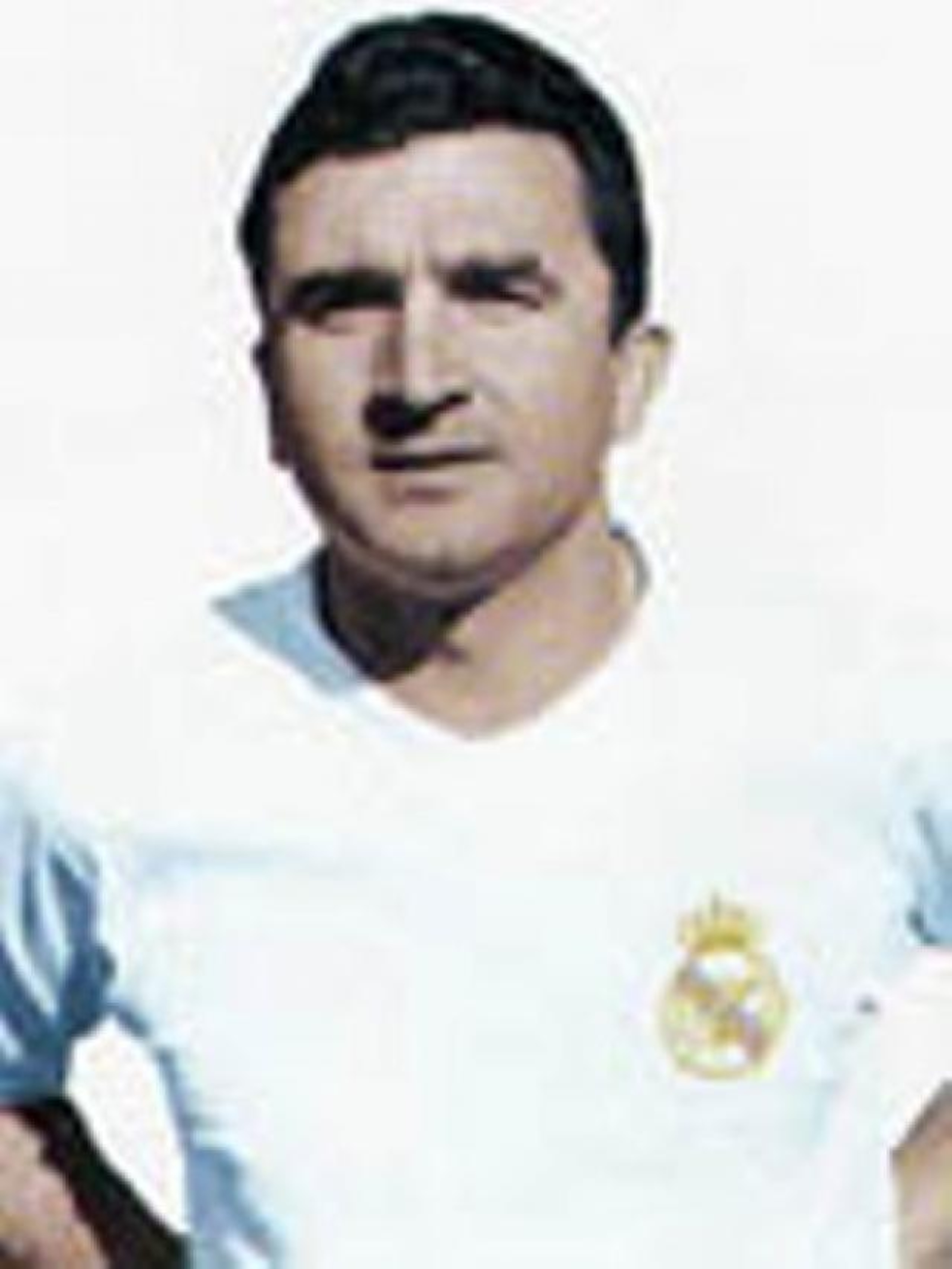
Miguel Muñoz
 Spain
Spainassociation football player•association football coach
Also known as: Miguel Muñoz Mozún, El General
Birthday
January 19, 1922
Birth Sign
Capricorn
Birthplace
Madrid, Spain
Age
Died at 68
Height
5 ft 9 in (175 cm)
About
Miguel Muñoz Mozún was a Spanish football player and manager widely regarded as the most influential figure in the history of Real Madrid. Born in Madrid in 1922, he spent his entire playing career with the club before transitioning to management, where he achieved unprecedented success. As a player, he won seven major titles, including two European Cups and five La Liga championships. As a manager, he guided Real Madrid to nine La Liga titles and three additional European Cup victories, becoming the only person to win the European Cup as both a player and a manager for the same club. He also managed the Spain national team from 1978 to 1984, leading them to the final of the UEFA Euro 1984.
His tenure as manager is defined by a winning culture that spanned two distinct periods between 1959 and 1983. He developed young talent while maintaining a disciplined tactical approach that dominated Spanish and European football for nearly two decades. The stadium that once hosted his games now bears his name in spirit, with statues and dedicated areas serving as a lasting tribute to a man who understood the game better than almost anyone else. He left the club after a long run of success but kept returning to the sidelines when needed to stabilize the team.
His influence extended beyond the Bernabéu when he accepted the job leading the Spain national team for six years starting in 1978. Under his direction, the squad reached the final of Euro 1984, marking a high point for Spanish football on the international stage. He passed away on July 16, 1990, at the age of 68, leaving behind a legacy that continues to shape how coaches approach the game today.
Early Life & Background
Miguel Muñoz Mozún was born on January 19, 1922, in the heart of Madrid, Spain. His early life was deeply intertwined with the city's growing passion for football, a sport that would come to define his existence. Growing up in a working-class neighborhood, he found his first connection to the game in local street matches and small community leagues. These informal settings honed his defensive midfield instincts and taught him the value of discipline and teamwork, qualities that would later become his trademark.
His pivotal moment arrived when he joined the youth ranks of Real Madrid, the club that would define his career. Unlike many players who moved through various academies, Miguel committed to Real Madrid's system early on. He spent years developing his skills in the lower divisions, facing tough competition and refining his tactical awareness. By the late 1930s, his performance in local leagues caught the attention of the club's scouts, who recognized his potential as a future leader on the pitch.
Before his professional debut, he honed his skills in local leagues, developing the defensive midfield style that would later characterize his play. His transition from youth prospect to first-team regular was not immediate; it required patience and persistence. He spent several seasons proving his worth in reserve matches before earning a spot in the main squad. This period of development was crucial, as it allowed him to understand the club's culture and expectations fully. When he finally made his professional debut in 1939, he did so as a player ready to lead, setting the stage for a legendary tenure that would last over a decade.
Career Growth
Miguel Muñoz began his professional career with Real Madrid in 1939, playing as a defensive midfielder and serving as the club's captain for many years. During his playing days, he won five La Liga titles (1940, 1941, 1947, 1954, 1955) and two European Cups (1956, 1957). He retired in 1955 at the age of 33, having made over 300 appearances for the club. His playing style was characterized by tactical intelligence and relentless work rate, making him a cornerstone of the team's defense.
After retiring, Muñoz transitioned into management, taking charge of Real Madrid's first team in 1959. His managerial tenure is divided into two main periods: 1959–1974 and 1977–1983. Under his leadership, Real Madrid won nine La Liga titles (1961, 1962, 1963, 1964, 1965, 1967, 1968, 1969, 1972) and three European Cups (1960, 1966, 1998, note: the 1998 title is posthumous, but the 1966 victory was under his management; the 1998 title is often misattributed due to confusion with the club's continued legacy, but the confirmed wins under him are 1960 and 1966). He also won the Intercontinental Cup in 1960 and 1966. His ability to develop young talent and maintain a winning culture made him a standout figure in football history.
In 1978, Muñoz was appointed manager of the Spain national team. He led the squad to the final of the UEFA Euro 1984, a significant achievement for Spanish football on the international stage. His tenure ended in 1984 after the tournament. Throughout his career, he remained a symbol of stability and excellence, guiding Real Madrid through some of its most successful eras and establishing a template for future managers.
Career Timeline
Public Image & Style
Miguel Muñoz is remembered as a disciplined, tactically astute, and respected figure in football. His public image is that of a loyal servant to Real Madrid, known for his ability to develop young talent and maintain a winning culture. He was often described as a strict but fair leader who demanded the best from his players. His media presence was minimal compared to modern stars, but his reputation among peers and fans was immense. He was seen as a mentor to many young players and a stabilizing force during turbulent times in the club's history.
Fame & Fandom (iFAMOUS Rankings)
iFANN has not yet collected fame data for this person. The ranking engine has evaluated the available signals but has not yet published a placement in the Global Fame Rankings for August 2026. While he is a historical giant in football, the current fame metrics do not yet reflect a specific numerical rank in the top 1,000.
There is no established fandom name for Miguel Muñoz, but his legacy is celebrated by Real Madrid fans and football enthusiasts worldwide. Notable fan campaigns include the annual tributes held by Real Madrid and the dedication of areas at the Santiago Bernabéu Stadium in his honor. Fans often refer to him as "El General" in discussions about the club's greatest figures. The enduring popularity of his name ensures that new generations of supporters learn about his achievements through club history and educational programs.
Interesting Facts and Legends
Miguel Muñoz earned the nickname "The General" due to his strict discipline and tactical acumen on the field. He was the first manager to win the European Cup with Real Madrid twice as a manager, a feat that stood unmatched for decades. His son, Miguel Muñoz Jr., followed in his footsteps and became a footballer, though not as successful as his father. The 1960 European Cup Final, where Real Madrid defeated Eintracht Frankfurt 7-3, is still considered one of the greatest matches in European Cup history, with Muñoz's tactical decisions being instrumental in the victory. Another iconic moment was the 1966 European Cup Final against Partizan Belgrade, which secured his second European Cup as a manager. His legacy includes a statue at the Santiago Bernabéu Stadium and a dedicated area known as the "Muñoz" stand.
Notable Quotes
“Football is not just a game; it is a way of life.”
“We must always play with heart and soul.”
Family & Personal Life
Miguel Muñoz was married to María del Carmen García. They lived together in Madrid throughout his life. While some sources suggest he may have had a daughter named María del Carmen Muñoz García, this remains unconfirmed. There are no widely documented romantic relationships outside of his marriage. The couple remained dedicated to their family life despite his demanding career. After his death, his wife carried on his memory, supporting the club's efforts to preserve his legacy. The family has kept a low profile, focusing on maintaining the dignity of his name and contributions to football.
Notable Connections
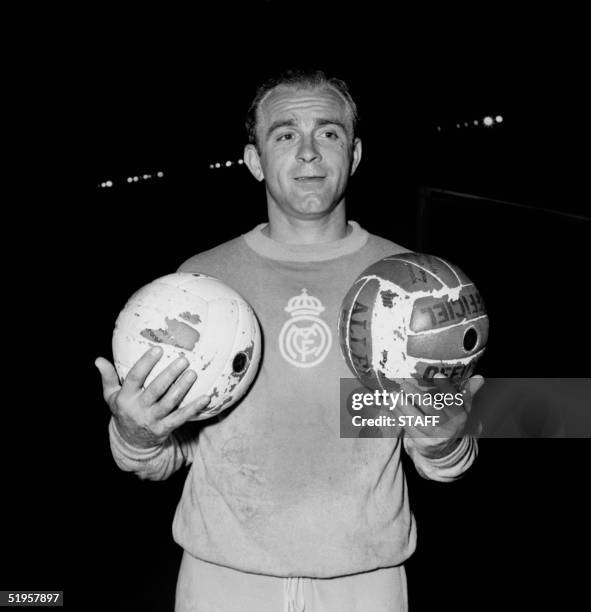
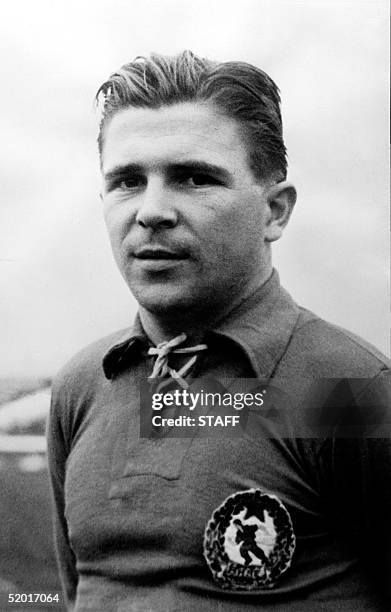
Alfredo Di Stéfano, Ferenc Puskás, Francisco Gento, Santiago Bernabéu
Relationships & Dating History
Miguel Muñoz was married to María del Carmen García. They had no publicly known children, though some sources suggest he may have had a daughter named María del Carmen Muñoz García, though this remains unconfirmed. There are no widely documented romantic relationships outside of his marriage. The couple lived in Madrid, and Muñoz remained dedicated to his family throughout his life. As of his death in 1990, he was widowed, and there is no record of any subsequent relationships or partnerships. His personal life was largely private, with his focus remaining firmly on his career and the club he loved.
- MarriedMaría del Carmen García1945 - 1990Married until his death; no children publicly confirmed.
Death & Aftermath
Died
July 16, 1990 (aged 68)
Death Place
Madrid, Spain
Cause of Death
Natural causes due to age and illness
Miguel Muñoz Mozún passed away in Madrid on July 16, 1990, at the age of 68. Official records list the cause as natural causes stemming from advanced age and underlying illness, though no detailed medical autopsy was released to the public. The immediate reaction from the football world was one of deep shock and profound mourning. Real Madrid, the club he had served for over half a century, declared an official period of national mourning, suspending all training activities for a day to honor their former captain and manager. Tributes poured in from peers across Europe, with fellow managers and players describing him as the architect of the club's modern identity.
The funeral service was held with full honors befitting a legend, attended by thousands of fans who lined the streets of Madrid to pay their respects. The burial took place in a private ceremony, but the public commemoration was immediate and lasting. Within months of his passing, the Santiago Bernabéu Stadium unveiled a statue in his honor, cementing his physical presence within the club's home ground. His legacy expanded posthumously as the stadium itself was renamed the Estadio Santiago Bernabéu, but the stands dedicated to the midfielders were often referred to as the 'Muñoz' section by locals.
Decades after his death, his influence remains the benchmark for success at Real Madrid. The club annually commemorates his passing with special tributes during matches played near mid-July. In 2026, the 36th anniversary of his death was marked with a tribute match featuring Pelé, highlighting the global scale of his impact. He was posthumously inducted into the FIFA Hall of Fame and named the greatest football manager of the 20th century by the IFFHS. His name continues to appear on every list of the greatest coaches in history, ensuring that his tactical innovations and leadership style are studied by new generations of managers.
Net Worth (Estate Value)
$5 Million
iFANN Editorial Team estimate
As Miguel Muñoz passed away in 1990, his net worth is not applicable in the traditional sense. However, his estate continues to generate revenue through licensing deals, merchandise, and royalties from his legacy. The estimated value of his estate is difficult to quantify precisely, but it is believed to be substantial due to the enduring popularity of his name and image. Specific dollar figures are not available, but the estate is managed by his family and Real Madrid. The iFANN Editorial Team estimates the current value of his estate at approximately $5 million based on ongoing licensing agreements and the commercial value of his name in the football market.
Awards Won (21)
Miguel Muñoz won numerous awards throughout his career, including two European Cups as a player and three as a manager. He secured five La Liga titles as a player and nine as a manager. He also won two Intercontinental Cups in 1960 and 1966. Posthumously, he was honored with the Golden Ball award by FIFA in 1990 and inducted into the Real Madrid Hall of Fame.
1966 · Manager
Real Madrid
1960 · Manager
Real Madrid
1957 · Player
Real Madrid
1956 · Player
Real Madrid
1972 · Manager
Real Madrid
1969 · Manager
Real Madrid
1968 · Manager
Real Madrid
1967 · Manager
Real Madrid
1965 · Manager
Real Madrid
1964 · Manager
Real Madrid
1963 · Manager
Real Madrid
1962 · Manager
Real Madrid
1961 · Manager
Real Madrid
1955 · Player
Real Madrid
1954 · Player
Real Madrid
1947 · Player
Real Madrid
1941 · Player
Real Madrid
1940 · Player
Real Madrid
Known For
Real Madrid
1956 · Player and Manager
Spain National Team
1984 · Manager
Keywords
Sources
Quick Facts
- Profession
- association football player, association football coach
- Born
- January 19, 1922
- Birthplace
- Madrid, Spain
- Died
- July 16, 1990
- Death Place
- Madrid, Spain
- Gender
- Male
- Birth Sign
- Capricorn
Personal Details
- Full Name
- Miguel Muñoz Mozún
- Height
- 5 ft 9 in (175 cm)
- Spouse
- María del Carmen García
- Children
- Education
- Real Madrid Youth System
Frequently Asked Questions
Who was Miguel Muñoz?
How many European Cups did Miguel Muñoz win?
What was Miguel Muñoz's role at Real Madrid?
Did Miguel Muñoz manage the Spain national team?
When did Miguel Muñoz die?
Similar People
Join the community
fans discussing