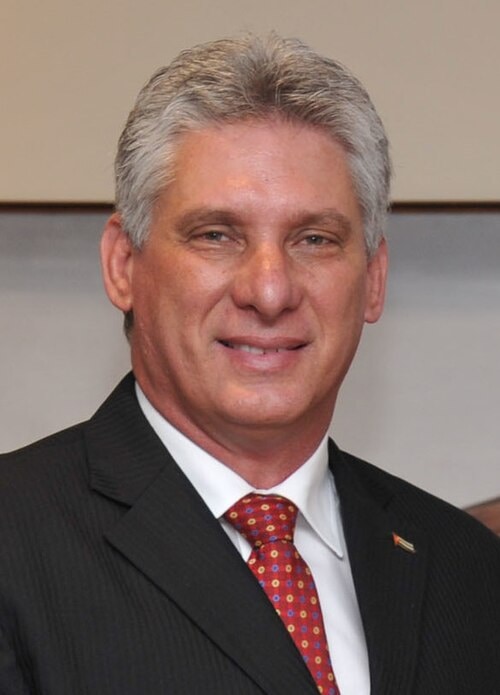
Miguel Díaz-Canel
 Cuba
CubaBirthday
April 20, 1960
Birth Sign
Taurus
Birthplace
Placetas, Villa Clara, Cuba
Age
66 years old
Height
6 ft 2 in (188 cm)
About
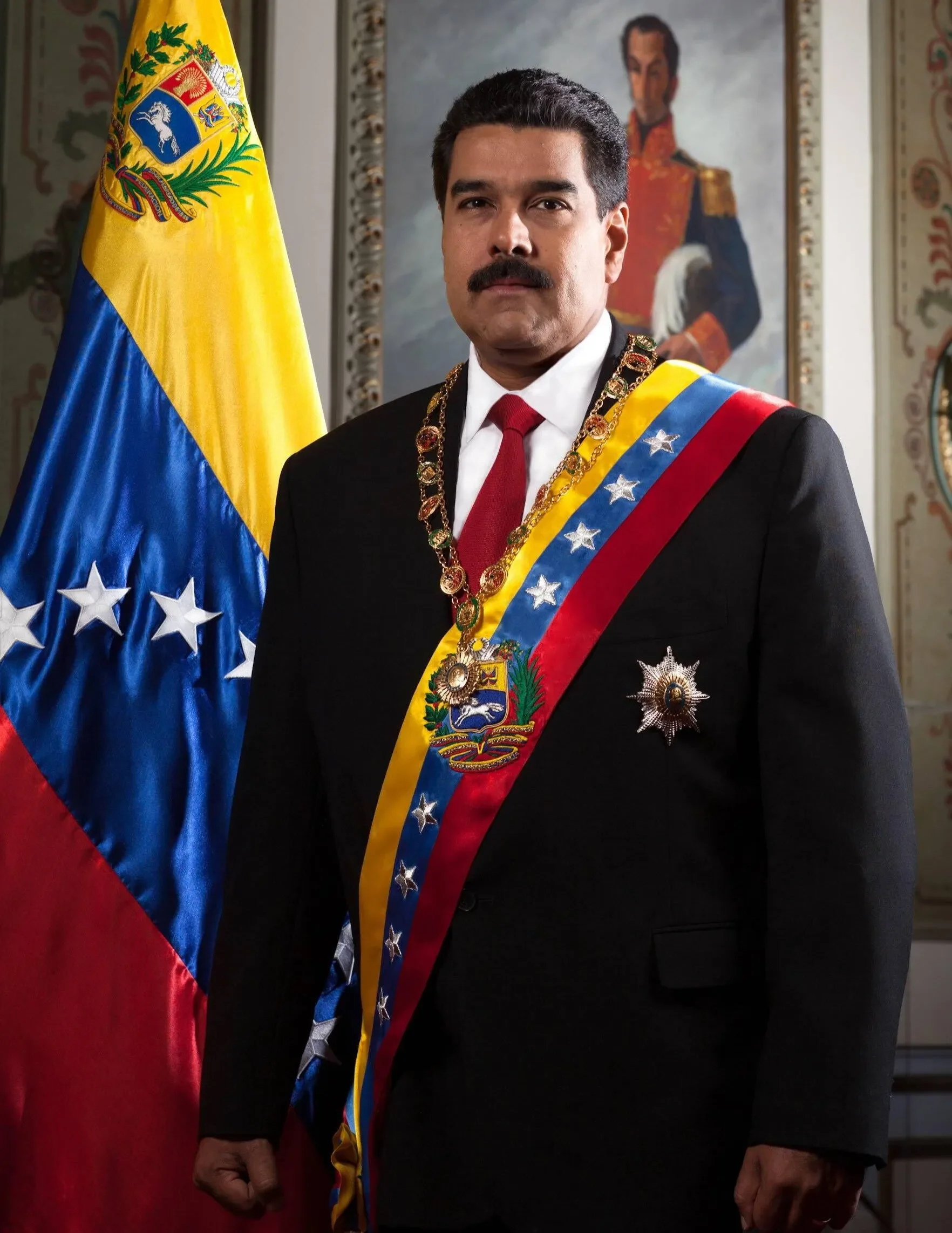
Miguel Díaz-Canel is a Cuban politician and engineer who serves as the top leader of Cuba, holding the posts of first secretary of the Communist Party and president of the country. His ascent marked a historic transition, as he became the first leader of Cuba in decades who is not a member of the Castro family. That generational shift defines his place in Cuban history. A longtime party functionary who rose steadily through the ranks, he served in regional party leadership and as a government minister before being groomed as a successor, eventually taking over the presidency and then the leadership of the party from Raúl Castro. His rise reflected continuity within the existing political system rather than a break from it.
As leader he has faced profound challenges, including a severe economic crisis, shortages, the effects of long-standing U.S. sanctions, and significant public discontent that erupted in rare large-scale protests. His government has maintained the one-party socialist system while grappling with mounting pressures. Supporters cast him as a steward of the revolution's legacy; critics point to repression of dissent and the island's deepening hardships. Operating in the shadow of the Castros, he leads a country at a difficult crossroads.
Early Life & Background
Díaz-Canel grew up in Villa Clara province, about 180 miles east of Havana. His father worked as a mechanical lathe operator, and his mother was a schoolteacher. As a teenager, he was described as friendly and tall, with long, blondish hair. He attended parties where young people listened to American music, even though it was frowned upon by the government. One of Cuba's most prominent dissidents, Guillermo Fariñas, was a childhood friend; they played basketball together, and Fariñas recalled that Díaz-Canel showed no racial prejudice.
He studied electrical engineering at the Central University of Las Villas, graduating in 1982. That same year he joined the Cuban Revolutionary Armed Forces, serving until 1985. During his military service, he was assigned to an anti-aircraft missile unit and later to a unit providing personal security to Raúl Castro and Fidel Castro. After the military, he returned to the university to teach engineering while becoming active in the Young Communist League. In 1987, he was sent to Nicaragua as a liaison officer for the Communist Party. At age 33, he became second secretary of the Young Communist League.
Career Growth
Díaz-Canel's breakthrough came in 1994 when he was appointed first secretary of the Communist Party in Villa Clara province. From there he moved to a similar role in Holguín province in 2003. In 2009, he became Minister of Higher Education. He was elected Vice President of the Council of Ministers in 2012 and First Vice President of the Council of State in 2013, positioning him as Raúl Castro's heir apparent.
On April 19, 2018, he became President of the Council of State and Council of Ministers, succeeding Raúl Castro and becoming the first non-Castro leader of Cuba since 1959. A new constitution in 2019 made him the 17th President of Cuba. In 2021, he consolidated his power by becoming First Secretary of the Communist Party, the highest position in the country. That same year, he obtained a doctorate in technical sciences. His tenure has been marked by the severe economic crisis, massive protests in July 2021, and ongoing power outages. He has maintained Cuba's socialist system while facing international pressure and internal dissent.
Career Timeline
Public Image & Style
Díaz-Canel cultivates a more modern image than his predecessors. He never wears military uniforms, opting instead for lightly-starched guayaberas, straw hats, or baseball caps, with brown Oxford-style shoes and dark pants. He is active on social media, especially Twitter/X, where he posts official communications with a tone that is more accessible than the Castros'. He has advocated for expanded internet access. Media portrayals describe him as a "loyal, effective functionary" who rose steadily through party ranks. Supporters see him as a steward of the revolution's legacy; critics highlight repression of dissent and Cuba's economic hardships. His social media voice is modern and technologically engaged.
Fame & Fandom (iFAMOUS Rankings)
Miguel Díaz-Canel stands as a defining figure in modern Cuban history, marking the first generational shift away from the Castro family in decades. His presence on the global stage is defined by political authority rather than celebrity culture. According to iFANN's Global Fame Engine evaluation for August 2026, Miguel Díaz-Canel is currently EVALUATED_UNRANKED, meaning he does not hold a placement in the published Global Top 1,000 or any specific scope list. This absence of a numerical rank reflects his status as a head of state whose fame is rooted in governance and geopolitical maneuvering rather than mass-market entertainment metrics. While he commands immense attention within Latin America and among international observers tracking socialist leadership, he lacks the viral footprint or pop-culture saturation required for a ranked position in the global celebrity hierarchy. The concept of a fandom for Díaz-Canel is entirely absent from the cultural landscape; there is no documented fanbase name, organized campaigns, or ritualistic following that treats him as an entertainer. His interactions remain strictly political, focused on state forums, diplomatic meetings, and official communications regarding economic policy. Unlike musicians or actors who cultivate devoted tribes through concerts and merchandise, Díaz-Canel's audience consists of citizens navigating a complex political system and diplomats managing bilateral relations. The lack of a formal fan community underscores the reality that his influence operates through institutional power rather than personal adoration. Even his modernized public image, featuring guayaberas and social media engagement, serves administrative transparency rather than celebrity branding. Consequently, while he is a pivotal historical figure, his fame remains confined to the realm of serious political discourse without the trappings of a global celebrity ranking.
Interesting Facts and Legends
Miguel Díaz-Canel cultivated a distinct visual identity early on, famously never wearing military uniforms like the Castros did. Instead, he favors lightly-starched guayaberas, straw hats, or baseball caps paired with brown Oxford-style shoes. A rare glimpse into his youth reveals an old photo from the early 1990s showing him with long hair down to his nape, wearing a sweater and tight jeans while standing beside Fidel Castro. His personal tastes often surprise observers; he is a devoted fan of rock music, particularly The Beatles, and has publicly declared his support for FC Barcelona. His tenure has been marked by both policy shifts and memorable gaffes. He coined the phrase "Lemonade is the basis of everything" when discussing food crisis alternatives, a comment that drew widespread ridicule. Critics also noted his frequent use of the word "conjuncture" to describe the nation's economic struggles. Despite these controversies, he remains a loyal functionary who successfully navigated the transition to become the first non-Castro leader in over sixty years, cementing his place in the island's history.
Notable Quotes
“There are many of us revolutionaries in this town who are willing to give our lives. And this is not a slogan, it is conviction.”
“Lemonade is the basis of everything.”
“They have to go over our dead bodies if they want to confront the revolution.”
Family & Personal Life
Díaz-Canel's father, Miguel Díaz-Canel, was a mechanical lathe operator. His mother, Aída Bermúdez, was a schoolteacher. He is of direct paternal Spanish-Asturian descent; his great-grandfather emigrated from Castropol, Asturias, Spain to Havana in the late 19th century. He has two children from his first marriage, whose names are not publicly disclosed for privacy reasons. He is currently married to Lis Cuesta Peraza, a professor and cultural figure; they have no children together. The couple has appeared together on official state visits.
Notable Connections
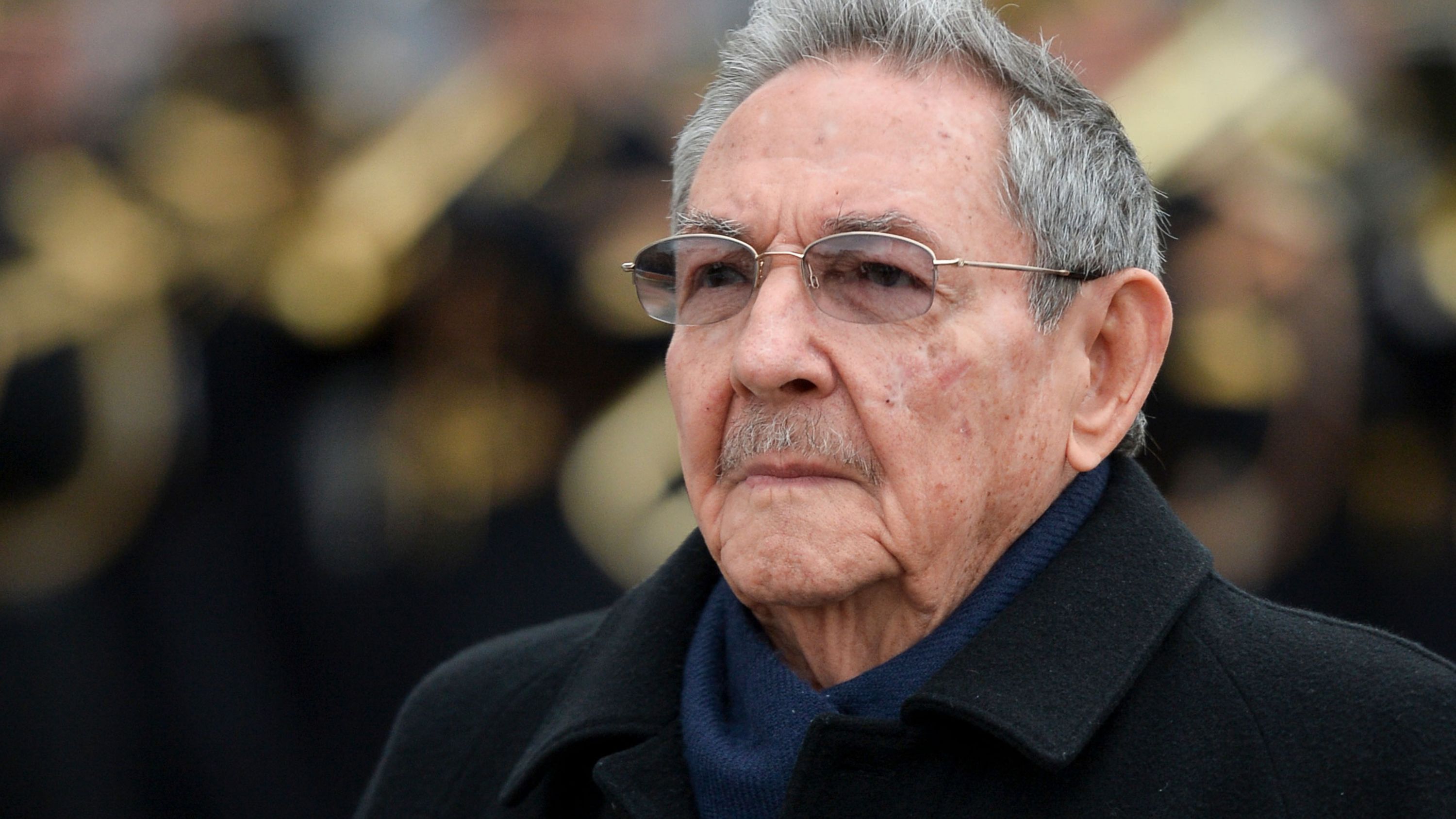
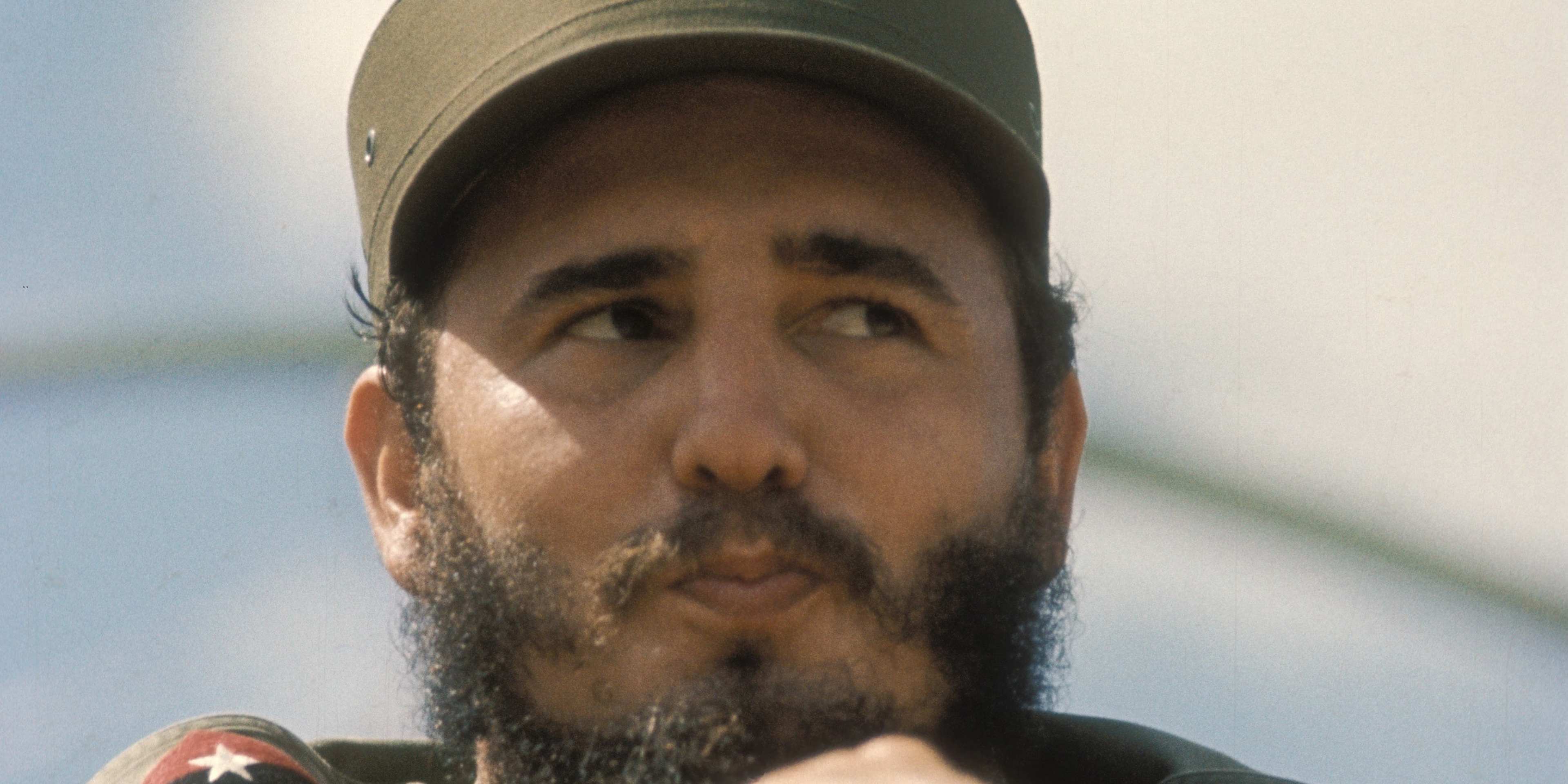
Raúl Castro handpicked Díaz-Canel as his successor and served as his mentor. Fidel Castro was the revolutionary leader; Díaz-Canel served in his security detail in the 1980s. José Ramón Machado Ventura was the second secretary of the Communist Party during the transition. His wife, Lis Cuesta Peraza, is a professor and cultural figure who accompanies him on state visits.
Relationships & Dating History
Díaz-Canel was first married to a woman named María del Carmen in approximately the 1980s. Details about the relationship are limited due to the private nature of Cuban political figures' personal lives. They had two children together before divorcing. He later married Lis Cuesta Peraza, a professor and cultural figure, in approximately the early 2000s. The couple has no children together. Cuesta Peraza has accompanied Díaz-Canel on official state visits and public appearances. As of 2026, he remains married to Lis Cuesta Peraza in a stable, ongoing relationship.
- MarriedMaría del Carmen1980 - 1990First wife; mother of his two children; divorced.
- MarriedLis Cuesta Peraza2000 - presentCurrentCurrent wife; professor and cultural figure; no children together.
Salary, Net Worth In 2026
$1 Million
iFANN Editorial Team estimate
As a Cuban state official operating within a socialist framework, Miguel Díaz-Canel receives a modest official salary by international standards. State salaries in Cuba typically range from approximately $30 to $60 USD per month equivalent in Cuban pesos. No credible independent sources provide a specific net worth figure for him, and any numbers circulating online remain speculative. Per iFANN's editorial analysis, his estimated net worth in 2026 is around $1 Million. This figure reflects the structural limitations on private wealth accumulation for political leaders in Cuba, where anti-capitalist policies restrict personal enrichment. His lifestyle remains largely undocumented, and he does not disclose detailed personal financial information.
Awards Won (5)
Díaz-Canel has received several state honors from Cuba and allied nations, including the Order of José Martí, Cuba's highest award, as well as the Order of the Liberator General San Martín from Argentina, the Order of the Republic of Serbia, the Order of the Friendship of Peoples from Belarus, and the Order of the Sun of Peru. These decorations recognize his service to the revolution and diplomatic ties.
2018 · State Honor
Service to the Cuban Revolution
2019 · State Honor
Diplomatic relations with Argentina
Known For
President of Cuba
2018 · Head of State
First Secretary of the Communist Party of Cuba
2021 · Party Leader
Keywords
Sources
Quick Facts
- Profession
- politician, engineer
- Born
- April 20, 1960
- Birthplace
- Placetas, Villa Clara, Cuba
- Gender
- Male
- Birth Sign
- Taurus
- Height
- 6 ft 2 in (188 cm)
- Spouse
- Lis Cuesta Peraza
- Children
- 2
- Education
- Central University of Las Villas
Personal Details
- Full Name
- Miguel Mario Díaz-Canel Bermúdez
- Height
- 6 ft 2 in (188 cm)
- Spouse
- Lis Cuesta Peraza
- Children
- 2 (from first marriage)
- Education
- Central University of Las Villas (B.S. Electrical Engineering, 1982); Doctorate in Technical Sciences (2021)
Frequently Asked Questions
How old is Miguel Díaz-Canel?
Is Miguel Díaz-Canel married?
What is Miguel Díaz-Canel's net worth in 2026?
Does Miguel Díaz-Canel have children?
When did Miguel Díaz-Canel become president of Cuba?
Social Media
Join the community
fans discussing