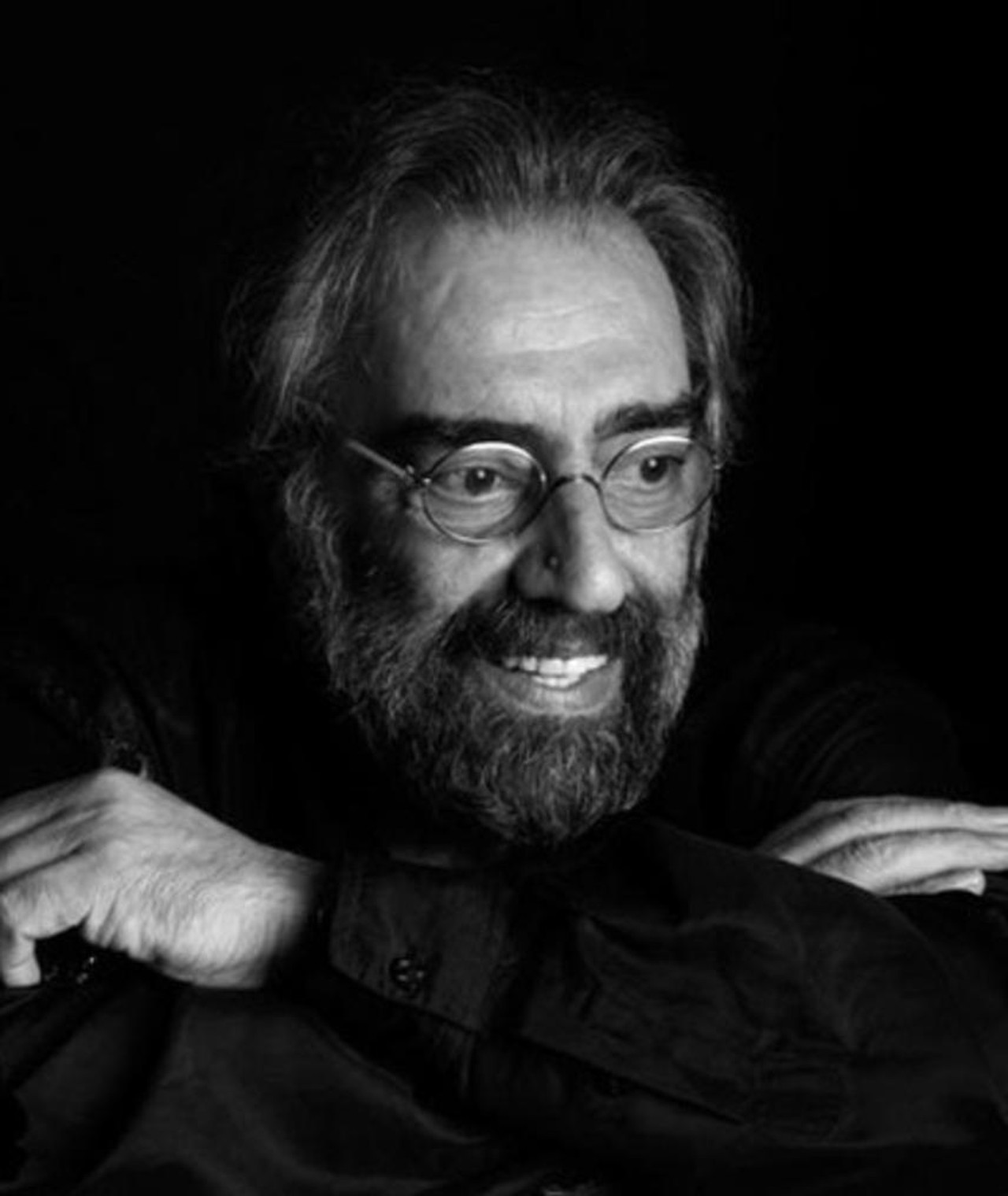
Masoud Kimiai
 Iran
Iranfilm director•screenwriter•film editor
Also known as: Masoud Kimiaei, Masud Kimiai
Birthday
July 29, 1941
Birth Sign
Leo
Birthplace
Tehran, Iran
Age
85 years old
About
Masoud Kimiai is an Iranian director, screenwriter, and film editor, widely recognized as one of the founding figures of the Iranian New Wave. Born in Tehran, he has spent over five decades crafting films that probe the raw edges of Iranian society, from gritty revenge dramas to intimate character studies. His 1969 film Qeysar is often cited alongside Dariush Mehrjui's The Cow as the spark that ignited a new era in Iranian cinema.
Today, Kimiai remains a towering presence in his field, with more than 30 films to his name. His recent work, including Killing a Traitor (2022), shows he is still willing to take risks, both artistically and politically. In 2023, he was barred from traveling to the Rotterdam Film Festival after publicly supporting nationwide protests in Iran, a move that underscored his lifelong commitment to speaking truth through his art.
Early Life & Background
Kimiai grew up in Tehran in the 1940s and 1950s, a city undergoing rapid change. His fascination with cinema took root early, and he pursued it with determination. In the early 1960s, he apprenticed under the prolific Armenian-Iranian director Samuel Khachikian, learning the nuts and bolts of filmmaking on the job. Those years on set taught him the technical craft, but also gave him an eye for the street-level stories that would define his work.
He made his directorial debut in 1968 with Come Stranger, a modest start that hinted at his potential. But it was his follow-up, Qeysar (1969), that changed everything. The film's raw depiction of violence and honor, set against the backdrop of Tehran's working class, struck a nerve. It wasn't just a hit; it became a rallying point for a generation of filmmakers who wanted to move beyond the glossy studio productions of the past.
Career Growth
The success of Qeysar launched Kimiai into the front rank of Iranian cinema. Throughout the 1970s, he turned out a string of films that cemented his reputation. The Deer (1974) is perhaps his most celebrated work from this period, a tense thriller about a man hunting down the brothers who destroyed his family. Critics have compared its visceral energy to the pulp films of Sam Fuller and Don Siegel. He also made Khak (Dust), which examined the slow unraveling of rural life in Iran.
After the 1979 revolution, Kimiai adapted to the new political landscape while staying true to his themes of justice and betrayal. He kept working steadily, though his films often faced censorship and distribution challenges. In 2022, he released Killing a Traitor, a historical drama recreating a 1952 bank robbery with political motives. The film was selected for the Rotterdam International Film Festival, but Kimiai was unable to attend due to the travel ban imposed by Iranian authorities in January 2023.
Career Timeline
Public Image & Style
Kimiai's public persona is that of a fierce, uncompromising artist. He is seen as a champion of the common person, with films that often center on outsiders and the disenfranchised. His support for the 2022 protests, which led to his travel ban, only reinforced this image among his fans. Internationally, he is respected as a pioneer of the Iranian New Wave, and his films have been featured in retrospectives at MoMA and other major institutions. His style is marked by a raw, almost documentary-like realism, coupled with a deep emotional undercurrent.
Fame & Fandom (iFAMOUS Rankings)
Masoud Kimiai commands a reverence that transcends the typical celebrity fanbase, existing instead as a pillar of Iranian national identity and cinematic history. His audience is composed primarily of film scholars, dedicated cinephiles, and the general public who view him not as an idol to be worshipped with billboards or hashtags, but as a revered elder statesman of art. There is no organized collective moniker for his supporters; they do not engage in ritualistic campaigns or chart-pushing drives common in modern pop culture. Instead, their devotion manifests through the enduring box office power of his films and their status as required viewing in academic circles. The narrative surrounding Kimiai has recently shifted from pure artistic appreciation to political solidarity, particularly following his support for the 2022 protests which resulted in a travel ban. This event transformed his legacy into one of resistance, drawing international acclaim from human rights organizations rather than traditional fan mobilization. While his work is discussed globally in retrospectives at institutions like MoMA, his relationship with his audience remains largely one-way, mediated entirely through the raw power of his storytelling. Masoud Kimiai is currently evaluated by iFANN's Global Fame Engine but holds no placement in the published rankings. He does not appear in the Global Top 1,000 list nor on any Top-100 scope list. Consequently, he is not assigned a specific numeric rank or score in the current edition.
Interesting Facts and Legends
Beyond his directorial achievements, Masoud Kimiai is also an author who published the book Glass Bodies (جسدهای شیشهای). He maintains hands-on control over his final cuts by working as a film editor on his own productions. His early mentorship under Samuel Khachikian, known for crime thrillers, deeply influenced the gritty urban narratives found throughout Kimiai's filmography. In 2024, a commemoration ceremony was held in Tehran to honor his lifetime contributions to cinema. A defining moment in his legend occurred with the 1969 release of Qeysar, which shattered all previous box office records and introduced a neo-realist action genre that resonated so deeply it entered the vernacular of everyday Iranians. Fans still retell stories of how the character of Qeysar became a folk hero archetype, turning moviegoers into a movement. Another verified milestone involves the travel ban imposed after he supported the "Woman, Life, Freedom" protests, an act of defiance that cemented his reputation as a fearless artist willing to sacrifice his mobility for his principles. Additionally, the Cinema Museum in London restored and screened his classic film Snake's Fang in January 2024, proving his continued relevance decades after its creation.
Family & Personal Life
Kimiai's family life has been marked by two significant marriages. His first wife was actress Giti Pashaei, with whom he had a daughter, Pouya Kimiai, who became a filmmaker herself. After their divorce, Pashaei passed away in 1995. In 1974, he married the iconic Iranian pop singer Googoosh, a union that captured the public's imagination. The marriage was short-lived, ending in divorce in 1976. Details of Kimiai's personal life after that remain private, and no further marriages or long-term relationships have been publicly confirmed.
Notable Connections
Kimiai is often linked with fellow director Dariush Mehrjui, with whom he is credited as a co-founder of the Iranian New Wave. He also worked under the mentorship of Samuel Khachikian. His former wife, Googoosh, remains one of Iran's most beloved singers, and their marriage is a notable chapter in both their lives. His daughter, Pouya Kimiai, has followed in his footsteps as a filmmaker.
Relationships & Dating History
Kimiai's first marriage was to actress Giti Pashaei. The couple had a daughter, Pouya, before divorcing. Pashaei passed away in 1995. In 1974, Kimiai married the legendary singer Googoosh, at the height of both their fame. The marriage was highly publicized but ended in divorce just two years later, in 1976. Since then, no further marriages or long-term relationships have been publicly documented. As of 2026, Kimiai appears to be single, with his personal life kept largely out of the spotlight.
- MarriedGiti Pashaei1965 - 1973Marriage produced daughter Pouya Kimiai; ended in divorce.
- MarriedGoogoosh1974 - 1976High-profile marriage to the iconic singer; ended in divorce.
Salary, Net Worth In 2026
$10 Million
iFANN Editorial Team estimate
As of 2026, iFANN currently estimates Masoud Kimiai's net worth at $10 Million. This figure reflects his extensive career spanning over five decades as a director, screenwriter, and producer within the Iranian film industry. Although specific salary details remain private, his prolific output of more than 30 films, many achieving significant commercial success, has been a primary driver of his wealth. Supplemental income streams include his work as a film editor and his publications as an author. His films continue to generate interest through screenings at international festivals and retrospectives, ensuring his legacy remains financially viable alongside his cultural impact.
Awards & Accolades
View 1 records, honours and achievementsKnown For
Qeysar
1969 · Director
The Deer
1974 · Director
Killing a Traitor
2022 · Director
Keywords
Sources
Quick Facts
- Profession
- film director, screenwriter, film editor
- Born
- July 29, 1941
- Birthplace
- Tehran, Iran
- Gender
- Male
- Spouse
- Googoosh, Giti Pashaei
- Children
- Pouya Kimiai
Personal Details
- Full Name
- Masoud Kimiai
- Spouse
- Googoosh, Giti Pashaei
- Children
- Pouya Kimiai
Filmography
30
Total
30
Film
0
TV
Frequently Asked Questions
Is Masoud Kimiai still alive?
Why was Masoud Kimiai banned from traveling?
What is Masoud Kimiai's most famous film?
Who was Masoud Kimiai married to?
What is Masoud Kimiai's net worth in 2026?
Similar People
Join the community
fans discussing