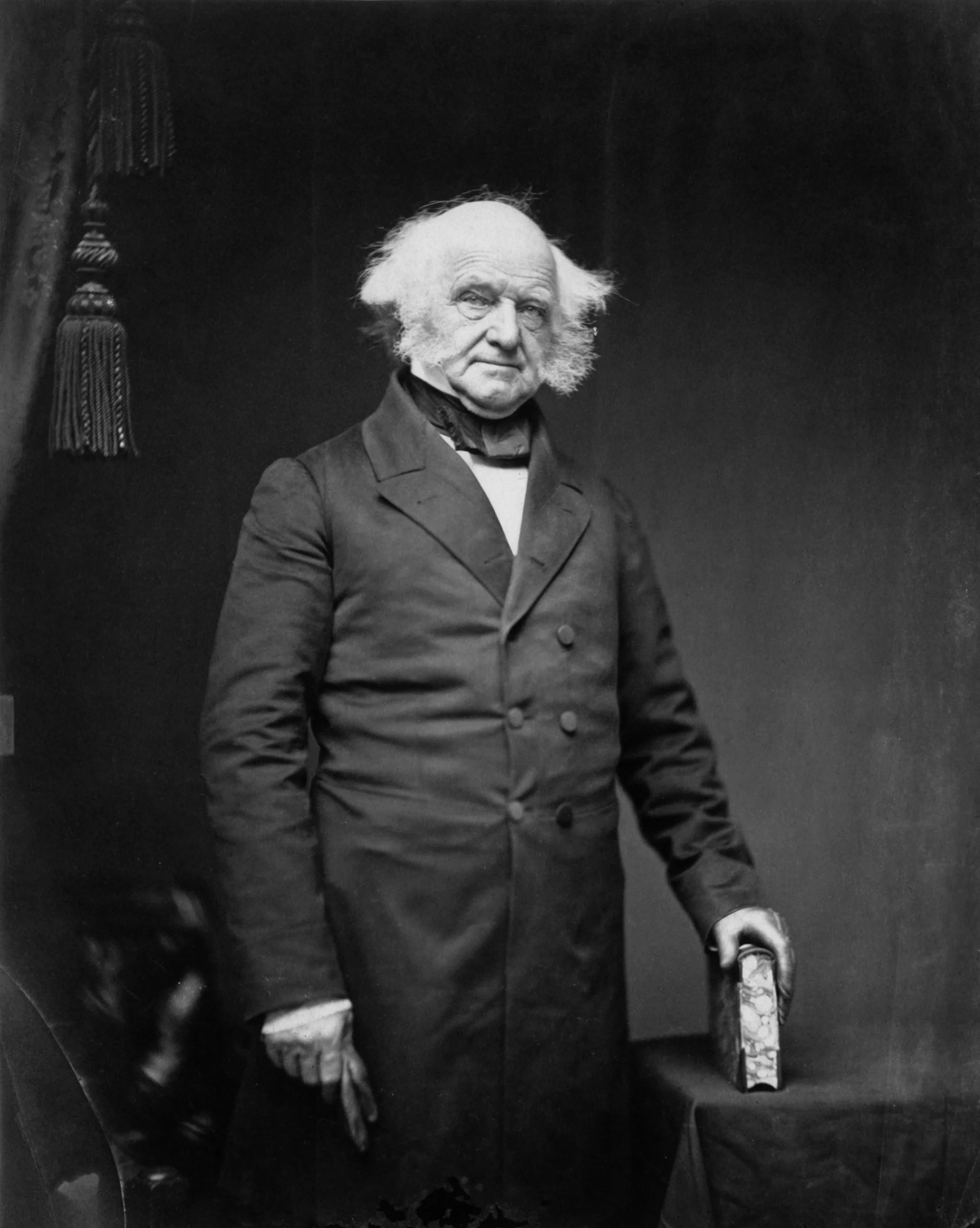
Martin Van Buren
Also known as: Maarten Van Buren, The Little Magician, The Red Fox of Kinderhook
Birthday
December 5, 1782
Birth Sign
Sagittarius
Birthplace
Kinderhook, New York
Age
Died at 79
Height
5 ft 6 in (168 cm)
About
Martin Van Buren was the eighth president of the United States, serving from 1837 to 1841. Born Maarten Van Buren in Kinderhook, New York, he holds the unique distinction of being the first U.S. president born after the American Revolution and the first not descended from British colonists. He was also the only president to speak English as a second language, having grown up in a Dutch-speaking household.
Van Buren co-founded the Democratic Party alongside Andrew Jackson, establishing a political machine known as the Albany Regency that revolutionized American politics. He served as Jackson's Secretary of State and Vice President before winning the presidency himself. His administration is best remembered for implementing the Independent Treasury System in response to the Panic of 1837, an economic depression that defined his term.
After leaving office, Van Buren remained active in politics, running for the Free Soil Party nomination in 1848 to oppose the expansion of slavery. He died in 1862 at his home, Lindenwald, just months before the end of the Civil War, leaving behind a complex legacy as a master strategist and a devoted unionist.
Early Life & Background
Martin Van Buren entered the world as Maarten Van Buren on December 5, 1782, in the rural village of Kinderhook, New York. His family were descendants of early Dutch settlers who maintained their native language and customs well into the nineteenth century. Young Maarten grew up speaking Dutch exclusively, making English his second language when he later attended school. His father, Abraham Van Buren, owned a successful inn and a small farm, providing a comfortable upbringing that allowed the boy to receive a solid education despite the remote location.
Education played a central role in Van Buren's early development. He attended local schools where he learned English and began to develop the rhetorical skills that would later define his career. After completing his formal schooling, he did not attend a university but instead chose to study law under the guidance of Francis Sylvester. This apprenticeship proved invaluable, teaching him the intricacies of legal practice and political maneuvering. By 1803, he had earned admission to the bar and established a thriving legal practice in Kinderhook.
Before stepping onto the national stage, Van Buren built a formidable reputation as a shrewd organizer and effective lawyer in New York. He became deeply involved in local politics, joining the Democratic-Republican Party and rising through its ranks. His ability to organize voters and manage political alliances caught the attention of influential figures like DeWitt Clinton. These early years in the Albany political sphere laid the groundwork for the sophisticated party structure he would later help create on a national level.
Career Growth
Van Buren's ascent to national power began in earnest in 1812 when he was elected to the New York State Assembly. He quickly distinguished himself as a leader of the Bucktails faction, a group dedicated to reforming the state government. His political acumen led to his appointment as New York Attorney General in 1815 and his election to the U.S. Senate in 1821. In 1822, he won the governorship of New York, a position he held until 1828, where he further honed his organizational skills.
The turning point of his career arrived in 1829 when President Andrew Jackson appointed him as Secretary of State. Van Buren played a pivotal role in shaping Jackson's foreign policy and domestic agenda. When the Petticoat Affair forced several cabinet members to resign, Van Buren stepped in to resolve the crisis before resigning in 1831 to serve briefly as Minister to Great Britain. His diplomatic efforts there were thwarted by political opponents, but his return to the United States set the stage for his vice presidency.
Nominated as Jackson's running mate in 1832, Van Buren was sworn in as the eighth Vice President in 1833. Following Jackson's two terms, Van Buren successfully ran for president in 1836, defeating William Henry Harrison and other Whig candidates. His presidency, however, was dominated by the Panic of 1837, a severe economic depression that devastated the nation. Despite his efforts to establish the Independent Treasury System to stabilize the economy, the crisis cost him his re-election bid in 1840. He continued to influence politics as the Free Soil candidate in 1848, though he ultimately finished third behind Zachary Taylor.
Career Timeline
Public Image & Style
Van Buren projected an image of refinement and sophistication that stood in contrast to the rugged frontier leaders of his time. Known for his impeccable dress sense, he favored formal attire typical of the early nineteenth century, including frock coats and cravats. His soft, melodic voice and pudgy figure made him instantly recognizable, earning him the affectionate nickname "Little Magician." He cultivated an air of intellectualism that appealed to the educated elite while maintaining strong ties to the common voter.
Media perception of Van Buren has shifted dramatically over time. During his presidency, he was often criticized for his handling of the Panic of 1837, leading to accusations of incompetence. However, modern historians have re-evaluated his record, recognizing his strategic brilliance in building the Democratic Party and his principled opposition to slavery expansion. His legacy as a master political organizer is now widely acknowledged, even if his presidential rating remains mixed due to economic challenges.
Fame & Fandom
iFANN has not yet collected fame data for this person. As a historical figure from the nineteenth century, Martin Van Buren does not appear in modern global fame rankings that track contemporary celebrities, influencers, or current public figures. His prominence today is measured in historical significance rather than real-time search volume or social media engagement.
While there is no organized fandom in the modern entertainment sense, Van Buren maintains a dedicated following among historians, political scientists, and students of American history. His legacy is kept alive through educational institutions, historical societies, and the National Park Service, which manages his birthplace and estate. Fans of American political history often discuss his role in shaping the two-party system and his unique status as the first president born a U.S. citizen. The "Little Magician" remains a popular topic in academic circles and historical documentaries, ensuring his story continues to be told to new generations.
Interesting Facts and Legends
Martin Van Buren holds the singular distinction of being the only U.S. president to speak English as a second language. His native tongue was Dutch, spoken in his childhood home in Kinderhook. This linguistic background gave him a unique perspective on American identity and immigration. He was also the first president to be born a U.S. citizen, as all previous presidents were born British subjects before the Declaration of Independence.
His nickname, "The Little Magician," reflected his extraordinary ability to manipulate political situations to his advantage. This moniker was earned through his masterful creation of the Albany Regency, a political machine that became a model for modern party organization. Another popular name for him was the "Red Fox of Kinderhook," a reference to his cunning and diplomatic skills.
Van Buren was the first president to travel by steamboat to his inauguration, marking a shift toward modern transportation methods. He was also a skilled orator whose speeches were noted for their clarity and persuasive power. His ability to navigate complex political landscapes made him a key figure in the formation of the Democratic Party, which remains one of the oldest political organizations in the world.
Notable Quotes
“I am a Democrat, and I intend to remain one.”
“The great object of my life has been to promote the happiness of my fellow men.”
“The government must be kept out of the business of banking.”
Family & Personal Life
Martin Van Buren was married only once to Hannah Hoes, whom he wed on February 21, 1807. They met through their families, both belonging to prominent Dutch-American lineages in the Kinderhook area. Their marriage produced six children: Abraham, John, Martin Jr., Smith, Hannah, and Maria. Hannah served as his constant confidante and advisor throughout his political career, managing the household and offering counsel on sensitive matters.
Hannah died of tuberculosis on February 5, 1819, leaving Van Buren a widower at the age of thirty-six. He never remarried, choosing to remain single for the rest of his life. His daughter Maria often acted as his hostess during his time in the White House and later managed his estate, Lindenwald. Van Buren lived with his surviving children and grandchildren in his later years, finding comfort in the company of his large family.
The Van Buren family was deeply rooted in the community of Kinderhook, where they were well-respected. His father, Abraham Van Buren, had owned a successful inn that served as a gathering place for local politicians. This environment fostered Van Buren's early interest in public service and provided him with a network of connections that would prove invaluable later in life.
Notable Connections
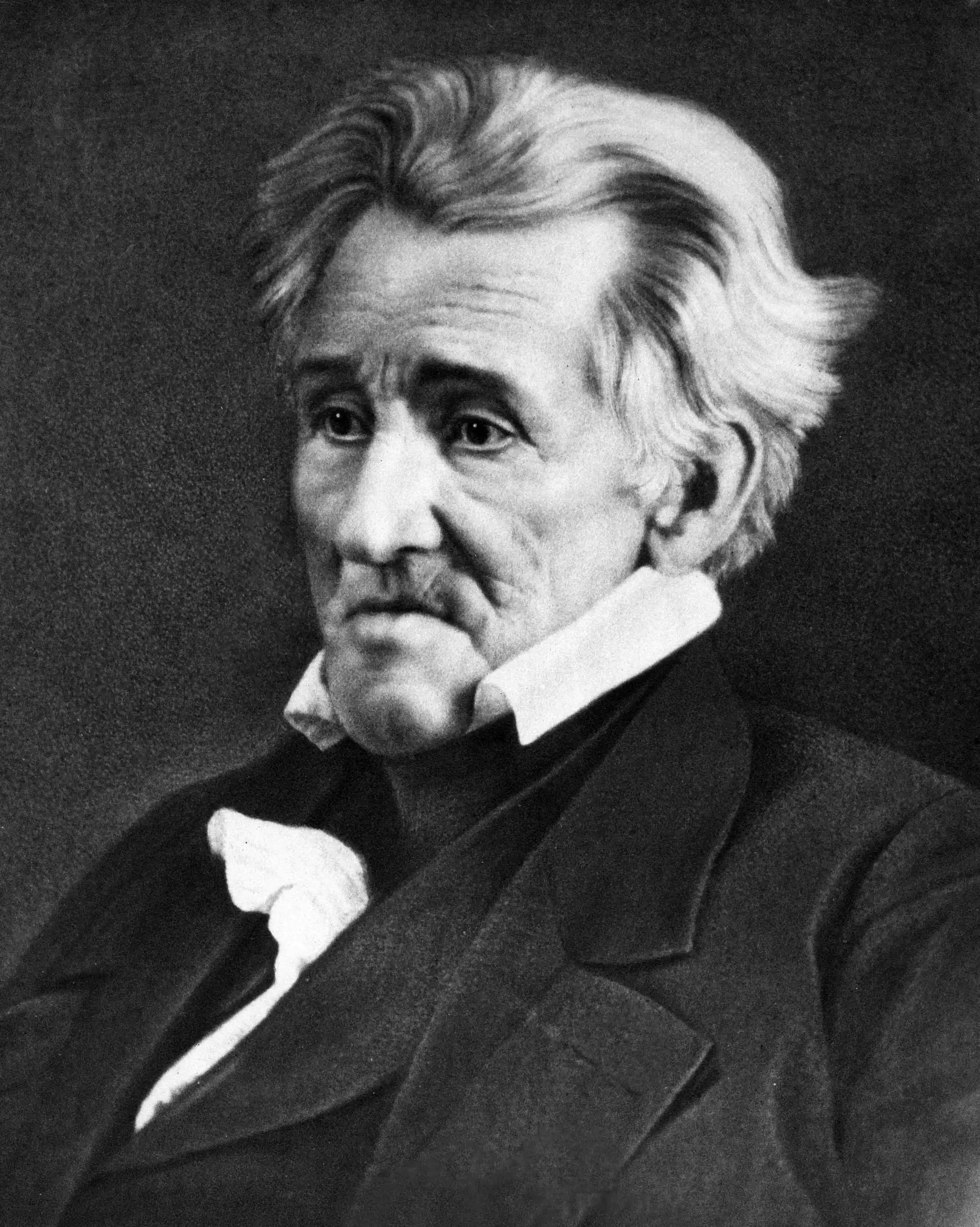
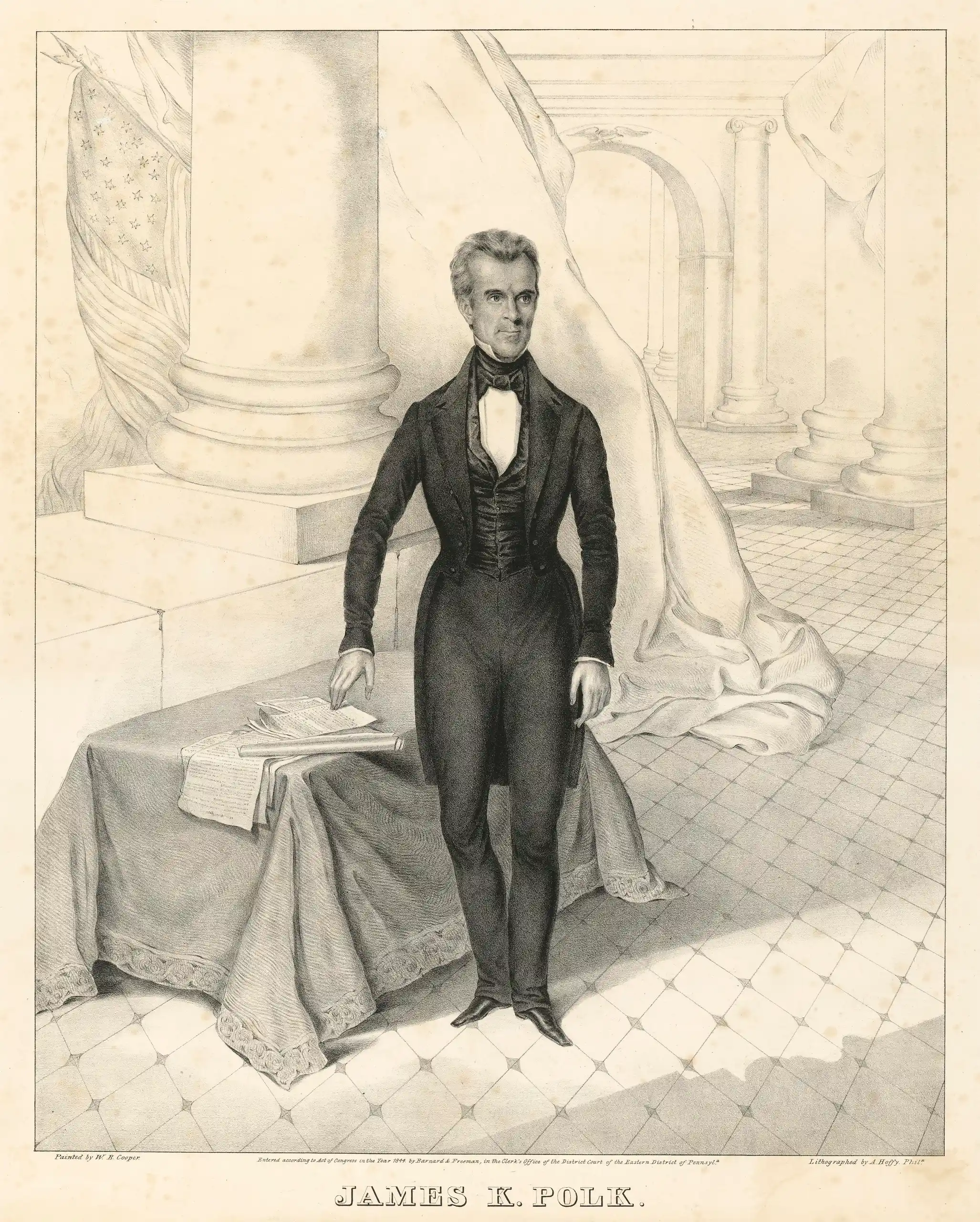
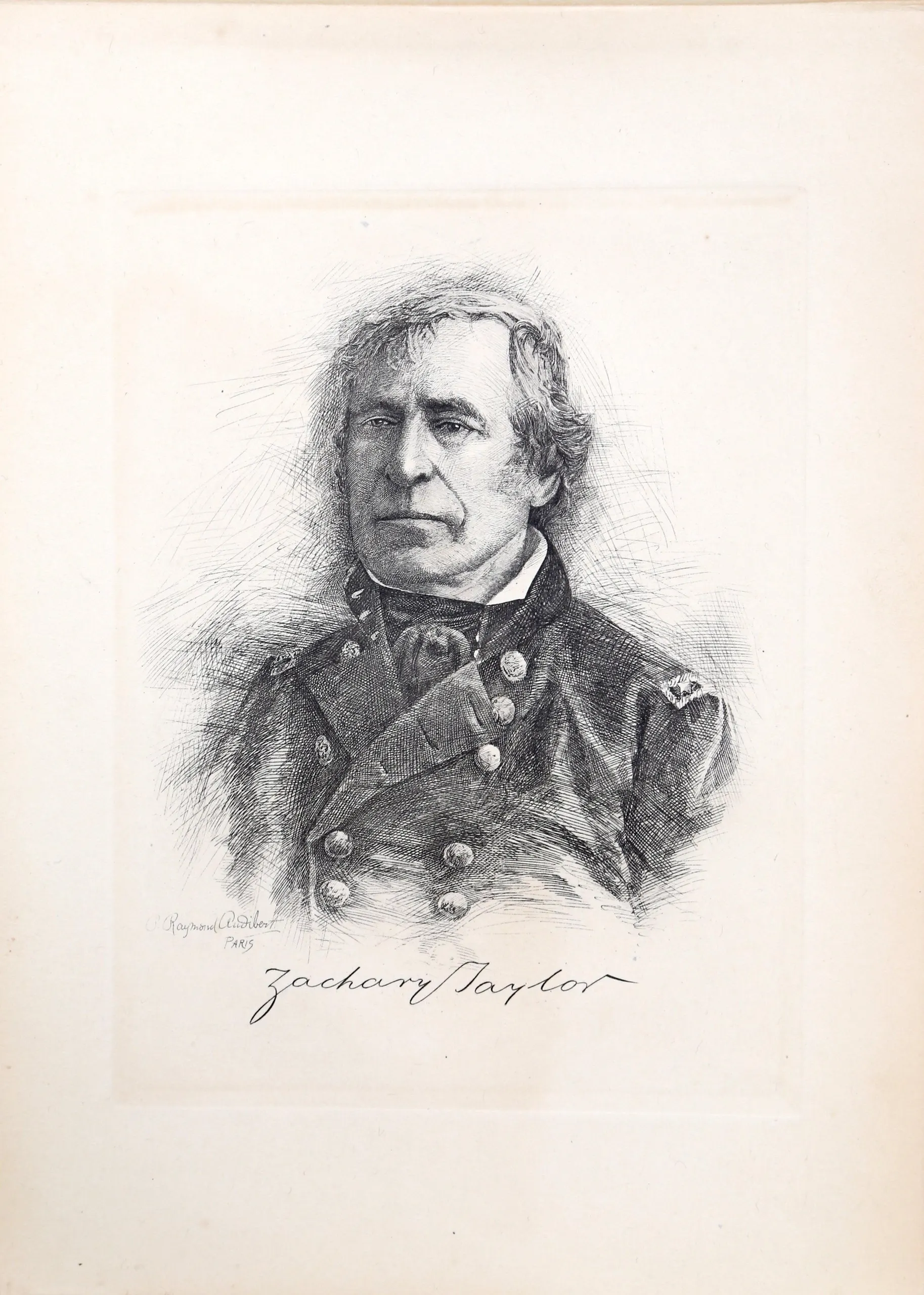
Andrew Jackson, Hannah Hoes Van Buren, John C. Calhoun, William Henry Harrison, James K. Polk, Zachary Taylor.
Relationships & Dating History
Martin Van Buren was married only once, to Hannah Hoes, on February 21, 1807. The couple met through their families, both hailing from prominent Dutch-American backgrounds in Kinderhook. Their marriage lasted twelve years and produced six children before Hannah succumbed to tuberculosis on February 5, 1819. Her death left Van Buren a widower at the age of thirty-six, and he never remarried.
Throughout his long political career, Van Buren remained devoted to the memory of his wife. Hannah served as his primary confidante and advisor, playing a crucial role in managing his household and offering counsel on sensitive political matters. After her death, Van Buren relied heavily on his surviving children and close associates to fill the void in his personal life. There are no credible historical records of romantic relationships or engagements after Hannah's passing.
As of the end of his life in 1862, Van Buren was widowed. His relationship with his family remained strong, and he spent his final years surrounded by his children and grandchildren at Lindenwald. His commitment to his family and his community in Kinderhook was a defining aspect of his character, reflecting the values of his Dutch heritage.
- MarriedHannah Hoes Van Buren1807 - 1819Married in Kinderhook; she died of tuberculosis after 12 years of marriage.
Death & Aftermath
Died
July 24, 1862 (aged 79)
Death Place
Kinderhook, New York
Cause of Death
Asthma and pneumonia complications
On the morning of July 24, 1862, Martin Van Buren passed away at his estate, Lindenwald, in Kinderhook, New York. He was seventy-nine years old. The former president had spent his final days in quiet reflection, surrounded by family members who remained by his side until the end. His death came during the height of the American Civil War, a conflict that deeply distressed him given his lifelong commitment to preserving the Union. Authorities reported that he died from asthma, which had been worsened by pneumonia and heart failure, conditions exacerbated by the immense stress of the nation's fracturing.
Tributes poured in from across the country immediately following the news. President Abraham Lincoln, who had previously faced political opposition from Van Buren, issued a statement acknowledging the late president's steadfast support for the Union cause during the war. This sentiment was echoed by politicians from both parties who recognized Van Buren's role as a unifying figure in earlier decades. A public funeral was held at his home before his body was transported to Washington, D.C., where he lay in state in the Capitol Rotunda, a rare honor reserved for only a few former presidents.
The nation mourned with a sense of historical closure as one of the last links to the founding era departed. Van Buren was buried in the family cemetery on the grounds of Lindenwald, now preserved as a National Historic Site. His legacy underwent significant re-evaluation in the decades following his death, particularly regarding his anti-slavery stance and his foundational role in shaping the modern Democratic Party. No major legal disputes arose over his estate, which was managed smoothly by his surviving children before being eventually transferred to the National Park Service.
Net Worth (Estate Value)
$0
iFANN Editorial Team estimate
As a historical figure who passed away in 1862, Martin Van Buren does not have a modern net worth in the traditional sense used for living celebrities. His estate, valued at the time of his death, included his home, Lindenwald, and extensive land holdings in Kinderhook, New York. The value of these assets fluctuated over the decades as they were managed by his children and eventually transferred to the National Park Service.
Today, the financial significance of Van Buren lies in the preservation and interpretation of his historic site. The Martin Van Buren National Historic Site generates revenue through tourism, educational programs, and grants, contributing to the local economy of Columbia County. While there are no personal earnings or investments to report, the estate's legacy continues to generate cultural and historical value. The National Park Service manages the property, ensuring that Van Buren's contributions to American democracy are accessible to the public.
Awards & Accolades
View 9 records, honours and achievementsKnown For
President of the United States
1837 · 8th President
Vice President of the United States
1833 · 8th Vice President
Secretary of State
1829 · Under Andrew Jackson
Keywords
Sources
Quick Facts
- Profession
- politician, lawyer, diplomat
- Born
- December 5, 1782
- Birthplace
- Kinderhook, New York
- Died
- July 24, 1862
- Death Place
- Kinderhook, New York
- Gender
- Male
- Spouse
- Hannah Hoes Van Buren
- Birth Sign
- Sagittarius
Personal Details
- Full Name
- Maarten Van Buren
- Height
- 5 ft 6 in (168 cm)
- Spouse
- Hannah Hoes Van Buren
- Children
- Abraham Van Buren · John Van Buren · Martin Van Buren Jr. · Smith Van Buren · Hannah Van Buren · Maria Van Buren
- Education
- Studied law under Francis Sylvester; self-educated in Dutch and English
Frequently Asked Questions
Who was Martin Van Buren?
What was Martin Van Buren's nickname?
Why did Martin Van Buren lose the 1840 election?
Did Martin Van Buren own slaves?
Where is Martin Van Buren buried?
Join the community
fans discussing