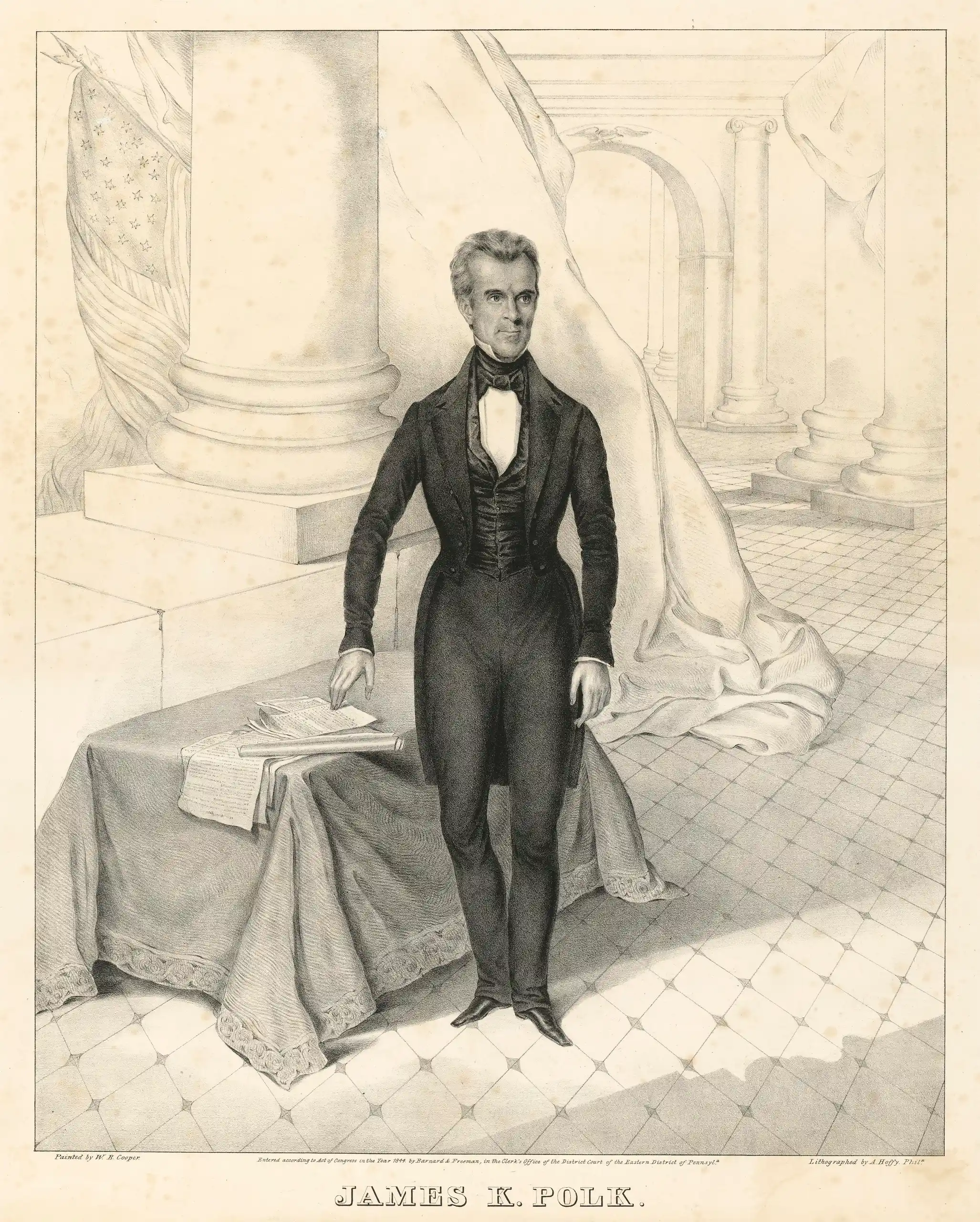
James K. Polk
politician•lawyer•statesperson
Also known as: J.K. Polk, James Knox Polk
Birthday
November 2, 1795
Birth Sign
Scorpio
Birthplace
Pineville, North Carolina
Age
Died at 53
Height
5 ft 6 in (1.68 m)
About
James Knox Polk served as the 11th president of the United States from 1845 to 1849. A devoted protégé of Andrew Jackson and a staunch advocate for Jacksonian democracy, he is historically recognized as the most effective one-term president in American history. Polk fulfilled every major campaign promise during his tenure, including the reestablishment of the Independent Treasury system, the reduction of tariffs, and the acquisition of vast new territories that tripled the size of the nation.
Born into modest means in North Carolina, Polk moved to Tennessee as a child and overcame a severe stutter to become a successful lawyer and politician. His rapid rise through the ranks included serving as Speaker of the House and Governor of Tennessee before emerging as a dark-horse candidate for the presidency. He kept his pledge to serve only one term and retired to his estate shortly after leaving office, dying just three months later.
Early Life & Background
James Knox Polk arrived in Mecklenburg County, North Carolina, on November 2, 1795, born on a farm to Samuel and Jane Knox Polk. His father was a farmer and surveyor while his mother came from a prominent Scottish-American family. When James was six years old, the family relocated to Maury County, Tennessee, where he spent his formative years. Despite being born with a stutter and suffering from poor health throughout his life, Polk displayed an intense intellectual curiosity and discipline that set him apart from his peers.
He attended the Academy of Wake Forest in North Carolina before enrolling at the University of North Carolina at Chapel Hill in 1816. There, he excelled academically, graduating in 1818 as the valedictorian of his class. Following graduation, he studied law under the prominent attorney Felix Grundy in Murfreesboro, Tennessee, and was admitted to the bar in 1820. He established a successful legal practice in Columbia, Tennessee, where he also became involved in local politics and business ventures, including land speculation and slave ownership.
Polk's early political career began in 1823 when he was elected to the Tennessee House of Representatives representing Maury County. By 1825, he had won a seat in the U.S. House of Representatives for Tennessee's 3rd district, a position he held for seven consecutive terms. His ascent continued as he chaired the Ways and Means Committee and eventually became Speaker of the House in 1835. This role made him the only person in U.S. history to simultaneously hold the office of Speaker and later become President.
Career Growth
Polk's presidency is defined by the execution of a specific, ambitious four-point agenda that reshaped the nation. In 1846, he successfully pushed through legislation to separate government funds from private banks, restoring the Independent Treasury system abolished by his predecessor. He signed the Walker Tariff of 1846, which significantly lowered import duties to promote free trade. His administration negotiated the annexation of Texas, which had been admitted to the Union just days before his inauguration, and oversaw the Mexican-American War from 1846 to 1848.
The war concluded with the Treaty of Guadalupe Hidalgo, ceding present-day California, Nevada, Utah, Arizona, New Mexico, and parts of Colorado and Wyoming to the United States. Through diplomatic negotiation with Great Britain, Polk secured the Oregon Territory up to the 49th parallel, avoiding war and establishing the current border between the U.S. and Canada west of the Rockies. These actions effectively tripled the size of the nation and pushed its borders to the Pacific Ocean.
Despite these achievements, his leadership exacerbated sectional divides over slavery and expanded the institution of slavery itself, laying groundwork for future conflict. Scholars now rank him highly for his ability to execute every item on his presidential platform. He kept his campaign promise to serve only one term and retired immediately after his term ended, a rare act of self-restraint in the era of political ambition.
Career Timeline
Public Image & Style
Polk maintains a public image as a "workhorse" president, uncharismatic but incredibly efficient. He is often portrayed as a man of quiet determination who sacrificed his health and personal happiness for the sake of national unity and expansion. Unlike many of his contemporaries, he avoided scandal and maintained a reputation for honesty and integrity. His physical presence was described as slender and frail, particularly in his later years, yet he projected an aura of unwavering resolve.
Fame & Fandom (iFAMOUS Rankings)
iFANN has not yet collected fame data for this person. While there is no organized fandom in the modern pop-culture sense, Polk maintains a dedicated following among historians, political scientists, and students of American expansionism. His legacy continues to be studied and discussed in academic settings, documentaries, and historical analyses regarding American expansionism and the pre-Civil War era. The James K. Polk Presidential Library and Museum in Columbia, Tennessee, remains active in preserving his history and educating the public about his contributions.
Interesting Facts and Legends
Polk was the first president to be photographed, with a daguerreotype taken in 1849 shortly before his death. He was known for his intense work ethic, often working 18-hour days during his presidency. Despite having a severe stutter that made public speaking difficult, he became a powerful orator and legislator, likely overcoming his disability through rigorous preparation and memorization. He suffered from chronic health issues, including gout and rheumatism, which contributed to his early death. Polk was a slave owner and defended the institution of slavery, which complicated his legacy in modern times.
Notable Quotes
“I have done my duty to the country.”
“I am willing to be judged by the record I leave behind me.”
“The question of the annexation of Texas... is one of the most important questions that can come before the people.”
Family & Personal Life
James K. Polk never married until shortly before his presidency, a rarity among 19th-century politicians. He was engaged to Eliza Allen in 1824, but the relationship ended abruptly after only a few months due to his severe stutter or her feeling he was too devoted to his studies. In 1824, Polk began courting Sarah Childress, the daughter of a wealthy planter and politician. They were married on January 1, 1824, though some sources indicate the engagement lasted several years prior. The couple had no children together.
Sarah Childress Polk became one of the most active First Ladies in history. She managed the household, hosted social events, and acted as her husband's closest confidante and political advisor. She famously took over many of his duties, such as reading correspondence and drafting letters, allowing him to focus on governance. Sarah outlived James by 26 years, dying in 1891. As of the end of his life, Polk was widowed by his own death and had been married to Sarah Childress Polk for 25 years.
Notable Connections
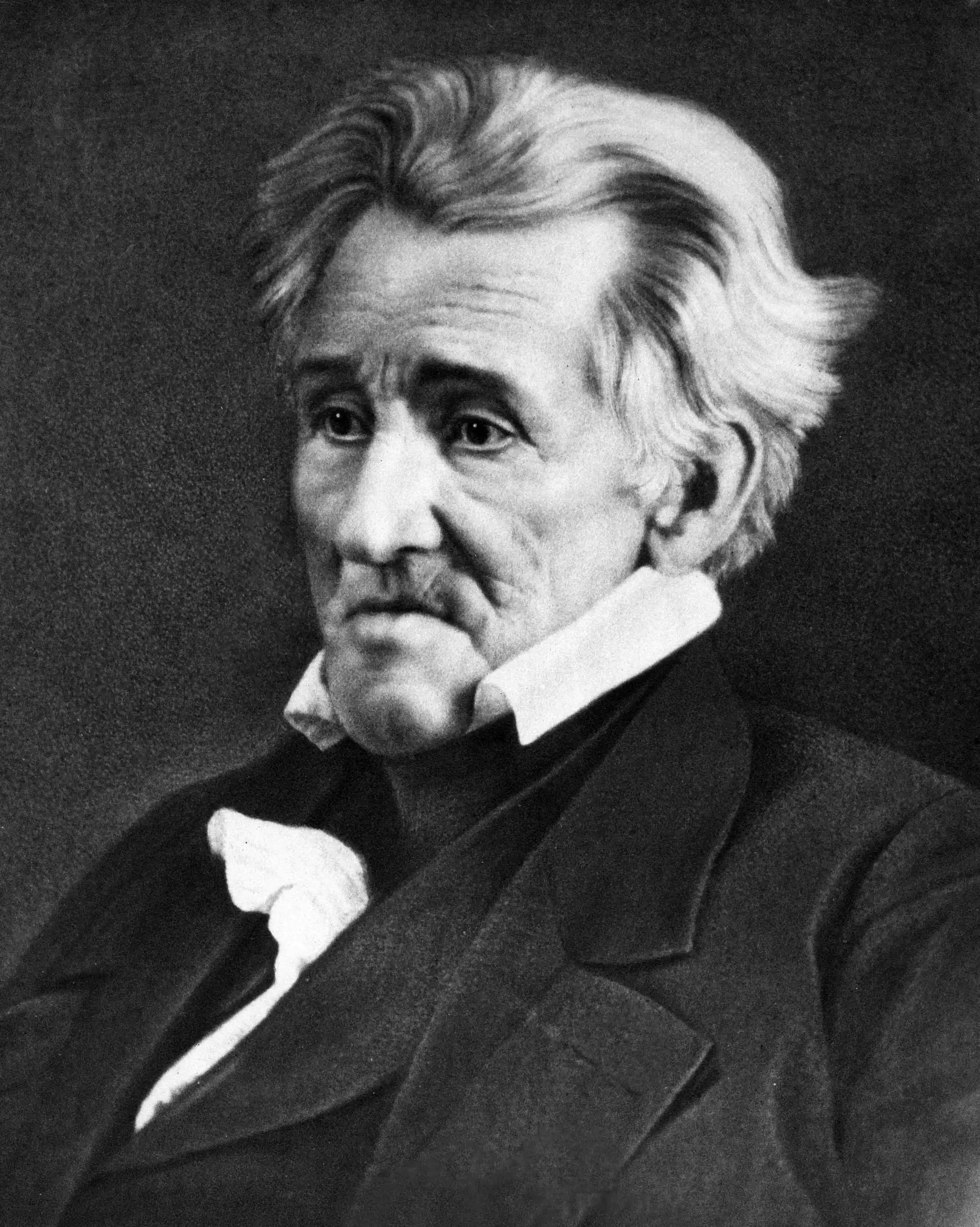
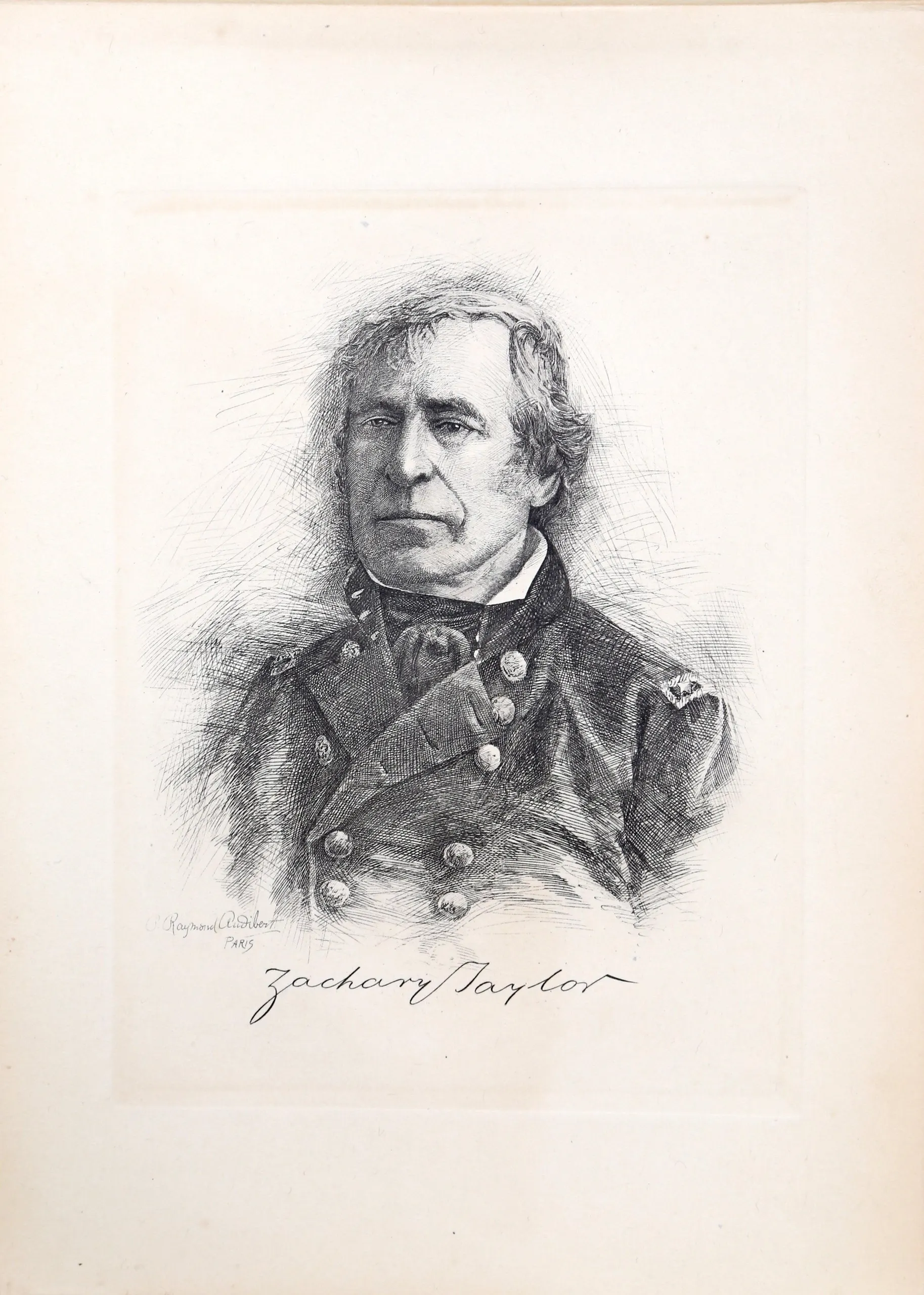
Andrew Jackson, Sarah Childress Polk, Henry Clay, Lewis Cass, Martin Van Buren, Zachary Taylor, John C. Calhoun.
Relationships & Dating History
James K. Polk's romantic life was marked by a single, enduring marriage after a brief, aborted engagement. In 1824, he was engaged to Eliza Allen, but the relationship ended abruptly after only a few months. Historical accounts suggest they broke off their engagement due to Polk's severe stutter, which he feared would hinder his public speaking career, or because Eliza felt he was too devoted to his studies and career. There were no children from this relationship.
In 1824, Polk began courting Sarah Childress, the daughter of a wealthy planter and politician. They were married on January 1, 1824, though some sources indicate the engagement lasted several years prior. Sarah Childress Polk became one of the most active First Ladies in history. She managed the household, hosted social events, and acted as her husband's closest confidante and political advisor. She famously took over many of his duties, such as reading correspondence and drafting letters, allowing him to focus on governance. The couple had no children together. Sarah outlived James by 26 years, dying in 1891. As of the end of his life, Polk was widowed by his own death and had been married to Sarah Childress Polk for 25 years.
- EngagedEliza Allen1824 - 1824Engagement ended abruptly due to his stutter or her perception of his devotion to his career.
- MarriedSarah Childress Polk1824 - 1849Married for 25 years until his death; she served as an active First Lady and political advisor.
Death & Aftermath
Died
June 15, 1849 (aged 53)
Death Place
Nashville, Tennessee
Cause of Death
Cholera
Flags across Washington D.C. flew at half-staff as Congress adjourned out of respect, while former President Andrew Jackson reportedly wept upon learning the news that James K. Polk had fulfilled every promise he made during his campaign. Tributes poured in from political peers and civic halls nationwide, marking a deep national mourning for the man who had tripled the size of the nation yet never returned to public life after leaving the White House. Polk arrived at his home, Polk Place, in Columbia, Tennessee, on April 1, 1849, suffering from dysentery and fatigue before deteriorating rapidly over the next two weeks.
By June 10, he was bedridden and unable to speak clearly, finally suffering a seizure and dying at 2:00 AM on June 15, 1849. His attending physician, Dr. John B. Brown, and his wife Sarah Childress Polk provided the official statement regarding his passing, citing severe cholera morbus exacerbated by extreme exhaustion following his intense four-year term. The funeral took place on June 17, 1849, at the Presbyterian Church in Columbia, attended by prominent officials and thousands of mourners who lined the streets. Following the service, he was buried in the cemetery behind the church, though his remains were later moved in 1893 to the grounds of the University of Tennessee in Knoxville.
His estate was handled entirely by his wife, Sarah Polk, who managed his financial affairs and preserved his papers until she died only three months after him. Posthumously, Polk has been frequently cited as the most effective one-term president in U.S. history due to his fulfillment of major campaign promises including the annexation of Texas and the acquisition of California. The James K. Polk Presidential Library and Museum was established in Columbia, Tennessee, serving as a foundation for scholarship.
Net Worth (Estate Value)
$0
iFANN Editorial Team estimate
As a deceased historical figure, Polk does not have a net worth in the contemporary sense of liquid assets or annual income. However, his estate at the time of his death was estimated to be substantial for the era. At his death, Polk owned a large plantation, numerous enslaved people, and various real estate holdings. Upon his death, his estate was valued at approximately $200,000 to $300,000 in 1849 dollars, which was a significant fortune. His wife, Sarah, inherited the estate and lived comfortably for decades afterward, eventually selling the property and moving to New York.
There are no ongoing revenue streams from his estate in the modern era comparable to celebrity estates, as his IP rights and likeness are generally considered public domain. The iFANN Editorial Team estimates his historical estate value at roughly $250,000 adjusted for the era, reflecting the wealth accumulated through his political career and land investments.
Awards & Accolades
View 7 records, honours and achievementsKnown For
President of the United States
1845 · 11th President
Keywords
Sources
Quick Facts
- Profession
- politician, lawyer, statesperson
- Born
- November 2, 1795
- Birthplace
- Pineville, North Carolina
- Died
- June 15, 1849
- Death Place
- Nashville, Tennessee
- Gender
- Male
- Spouse
- Sarah Childress Polk
- Birth Sign
- Scorpio
Personal Details
- Full Name
- James Knox Polk
- Height
- 5 ft 6 in (1.68 m)
- Spouse
- Sarah Childress Polk
- Children
- Education
- University of North Carolina at Chapel Hill
Frequently Asked Questions
How many terms did James K. Polk serve?
Did James K. Polk have any children?
What was James K. Polk's main achievement as president?
How did James K. Polk die?
Was James K. Polk the youngest president?

Join the community
fans discussing