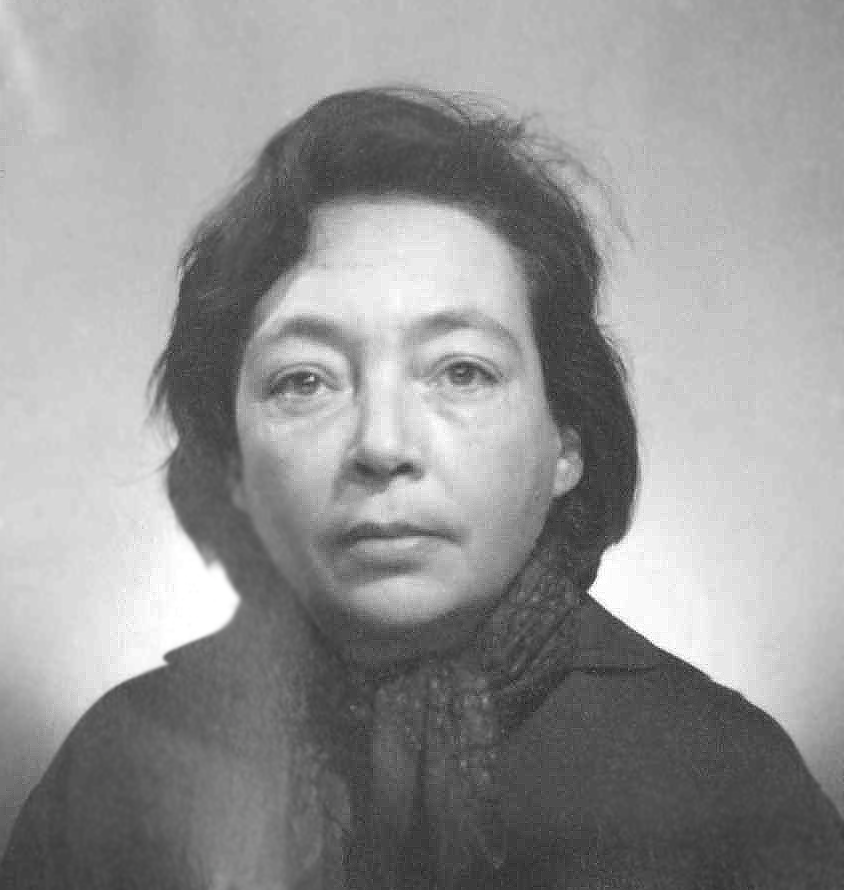
Marguerite Duras
 France
writer•film director•screenwriter
Birthday
+1914-04-04
Birth Sign
Aries
Birthplace
Gia Định
Age
Died at 81
About
Marguerite Duras, born Marguerite Germaine Marie Donnadieu on April 4, 1914, in Gia Định, French Indochina (now Vietnam), was a French novelist, playwright, screenwriter, essayist, and experimental filmmaker. She is best known for her screenplay for the 1959 film Hiroshima mon amour, which earned her an Academy Award nomination for Best Original Screenplay. Duras's work often explored themes of memory, desire, and the complexities of human relationships, drawing heavily from her own experiences in colonial Indochina. She passed away on March 3, 1996, in Paris, leaving behind a rich and varied body of work that continues to influence writers and filmmakers worldwide.
Fame & Fandom
Marguerite Duras commands a legacy defined not by the fevered chants of a street-level movement, but by the quiet, enduring reverence of scholars and cinephiles who dissect her work decades after her death. Her audience lacks a formal collective name or organized digital activism; instead, the fanbase operates as a dispersed network of academics and readers drawn to her radical exploration of memory and desire. The cultural mythology surrounding her is rooted in the intense controversy of *The Lover* and the revolutionary narrative techniques of *Hiroshima mon amour*, creating an intellectual following rather than a pop-culture phenomenon. There are no documented birthday campaigns, subway ad initiatives, or viral social media movements dedicated to her personhood in the manner of modern stars. While recent 2026 retrospectives keep her dual identity in cinema and literature under critical review, these engagements remain scholarly rather than fan-driven spectacles. Marguerite Duras is currently the EVALUATED_UNRANKED individual in the iFANN Global Fame Engine's published rankings. She does not hold a placement in the Global Top 1,000 or any Top-100 scope list as of August 2026. This status reflects a global footprint where influence remains profound yet distributed across academic and artistic circles rather than consolidated into a single measurable fame tier.
Interesting Facts and Legends
Born Marguerite Germaine Marie Donnadieu in Gia Định, French Indochina, she became a central figure in post-war French letters before passing away in Paris in 1996. A widely retold story from her life involves the publication of her autobiographical novel *The Lover* in 1984, which details her adolescent romance with an older Chinese man. This narrative sparked decades of debate regarding its veracity and the sexualization of colonial dynamics, catapulting the then-70-year-old author to international fame. Another legendary aspect of her career is her collaboration with director Alain Resnais on the screenplay for *Hiroshima mon amour*. This script revolutionized how trauma and memory were depicted on screen, effectively creating a new language for the New Wave of filmmaking. Duras was also known for her eccentric presence; she famously directed several of her own novels into films, including *India Song* and *The Malady of Death*. These works are celebrated among cinephiles for their slow pacing and hypnotic atmosphere. Biographers often reference anecdotes of her refusing to conform to traditional interview formats, sometimes speaking in riddles or becoming incoherent due to heavy drinking, which added to her mystique as a tortured artist whose life remained inseparable from her art.
Death & Aftermath
Died
+1996-03-03 (aged 81)
Death Place
Paris, France
Cause of Death
Complications from chronic illness
Marguerite Duras spent her final years in the quiet seclusion of her home in the 15th arrondissement of Paris, far removed from the literary salons that once defined her public life. On March 3, 1996, she passed away at the age of 81, ending a career that had reshaped French cinema and literature with works like Hiroshima mon amour and The Lover. While official records do not specify a precise medical ruling, biographical accounts consistently attribute her passing to complications from a chronic condition involving liver disease or heart failure. Her death occurred without legal inquiry, police investigation, or public controversy, reflecting the private nature of her later existence. The cultural landscape reacted immediately with tributes from major institutions and peers who recognized her as a towering figure in modern arts.
Obituaries in publications like The New York Times highlighted her unique contributions to narrative and film, while fan gatherings emerged in Paris to honor her radical voice. A private funeral service followed shortly after her death, adhering to her long-standing preference for privacy, and she was cremated in accordance with the customs common among intellectuals of her generation. Following her passing, her estate managed by her son Lionel Duras oversaw the release of posthumous works such as L'Amant de la Chine du Nord, which expanded on themes from her most famous novel. Decades later, her legacy persists through academic studies and film screenings.
Awards & Accolades
Keywords
Quick Facts
- Profession
- writer, film director, screenwriter
- Born
- +1914-04-04
- Birthplace
- Gia Định
- Died
- +1996-03-03
- Death Place
- 6th arrondissement of Paris
- Gender
- Female
- Spouse
- Dionys Mascolo, Robert Antelme
- Birth Sign
- Aries
Personal Details
- Spouse
- Dionys Mascolo, Robert Antelme
Join the community
fans discussing