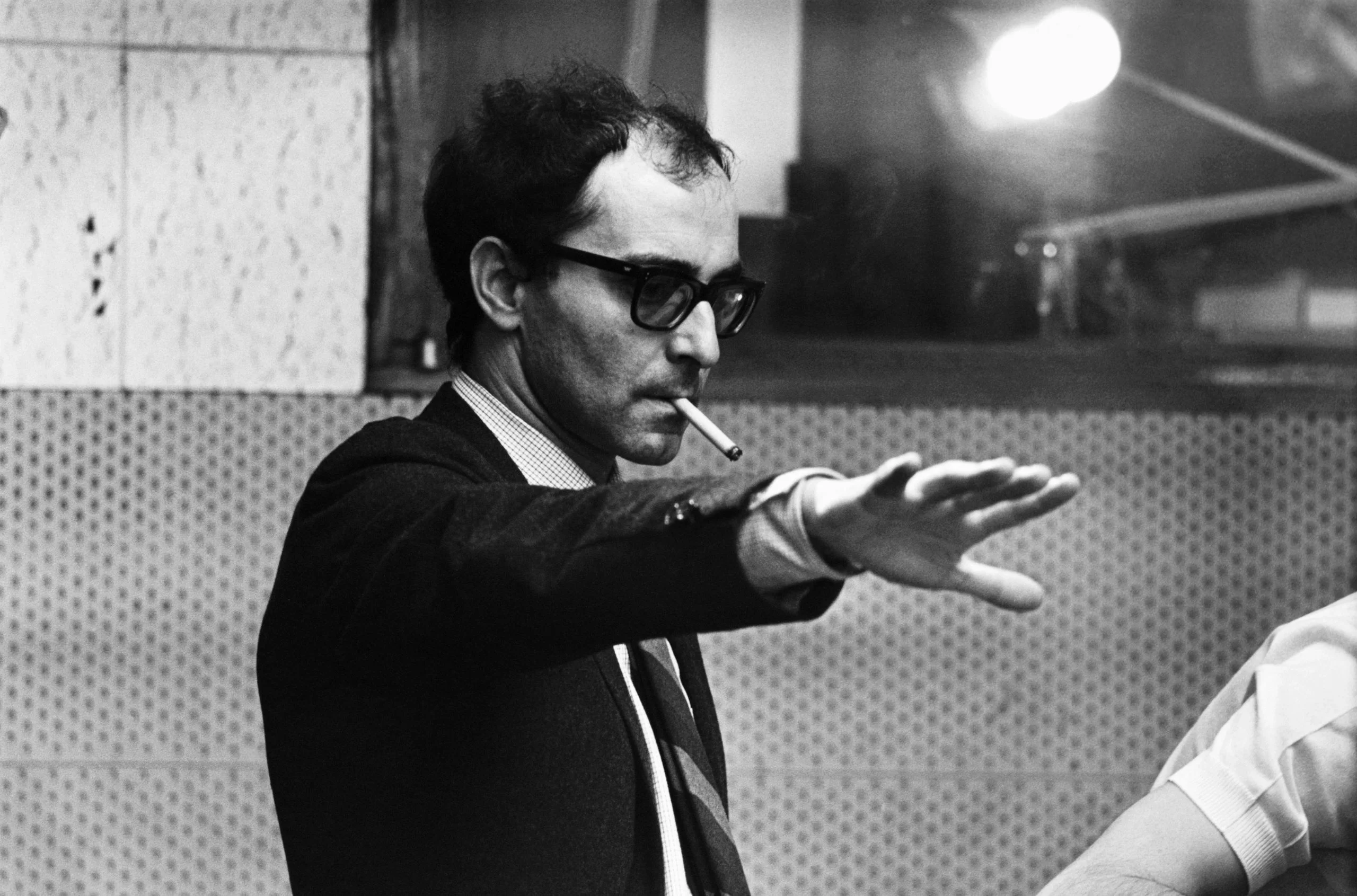
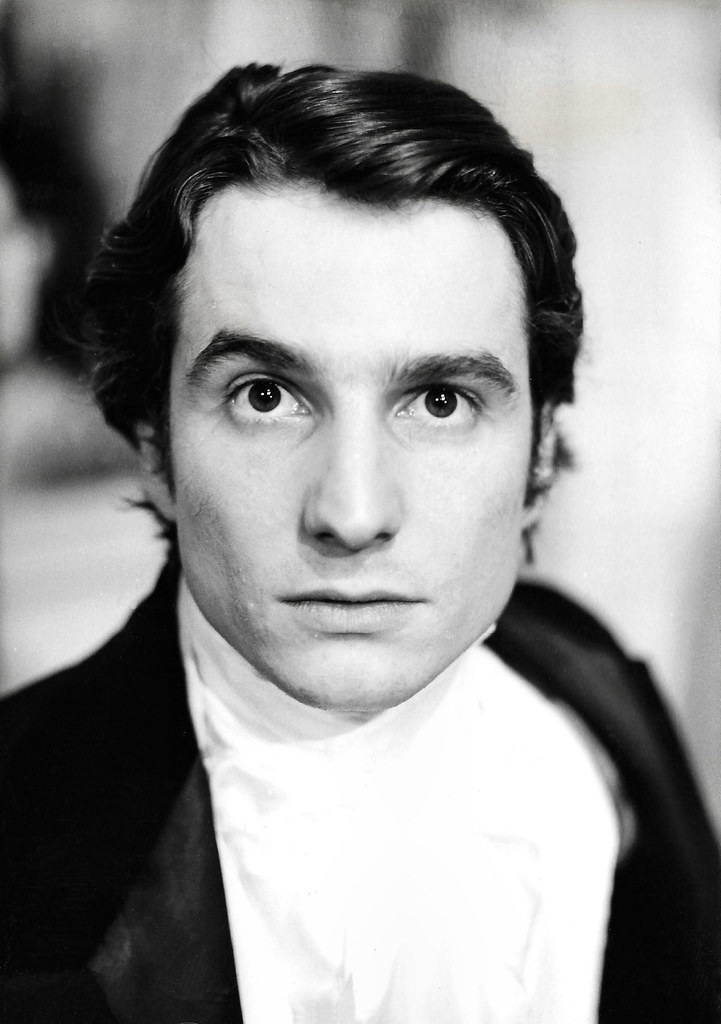
Jean-Luc Godard
 France
film director•screenwriter•editor•critic
Also known as: Jean Luc Godard, JLG
Birthday
December 3, 1930
Birth Sign
Sagittarius
Birthplace
7th arrondissement of Paris, France
Age
Died at 91
Height
5 ft 9 in (1.75 m)
About
Jean-Luc Godard was a French-Swiss film director, screenwriter, and critic who became the most influential figure of the French New Wave (*Nouvelle Vague*). His radical experiments with narrative, sound, and editing fundamentally altered the language of cinema over a career spanning more than six decades. He first gained international fame with *Breathless* (1960), a landmark film that utilized jump cuts and handheld cameras to break conventional rules of continuity editing. Throughout his life, he worked alongside peers like François Truffaut and Agnès Varda, often blending Hollywood aesthetics with leftist politics and existentialist philosophy.
As of 2026, Godard remains a towering presence in film history, though he passed away on September 13, 2022, at his home in Rolle, Switzerland. His legacy continues to be studied by scholars and celebrated by cinephiles worldwide. The Jean-Luc Godard Foundation, managed by his widow Anne-Marie Miéville and their daughter Anna, actively preserves his vast archive of films, writings, and personal papers. Recent projects like Richard Linklater's *Nouvelle Vague* (2025) have reintroduced his work to new generations, ensuring his impact endures long after his death.
Early Life & Background
Born into a Protestant family in the 7th arrondissement of Paris, Godard spent his early childhood navigating between France and Switzerland due to his father Robert's medical career. While his mother Céline Marie Mathilde was a homemaker, young Jean-Luc showed an early fascination with literature and the arts rather than the sciences his parents might have expected. He attended school in Switzerland for a period before moving back to Paris in 1948 to enroll at the University of Paris (La Sorbonne). There, he pursued studies in sociology and anthropology but quickly found himself more drawn to the worlds of literature and cinema.
Before making his mark as a filmmaker, Godard established himself as a sharp-witted critic writing for *Cahiers du Cinéma* in the mid-1950s. During this time, he developed the theory of "auteurism," arguing that the director is the primary author of a film. This critical work laid the intellectual foundation for his transition to filmmaking. He published essays championing Hollywood directors like Alfred Hitchcock and Howard Hawks while fiercely critiquing the polished but soulless "tradition of quality" prevalent in French cinema of the era. His journalistic voice was already distinct, blending intellectual rigor with a rebellious streak that would soon define his cinematic style.
Career Growth
Godard's professional trajectory is defined by distinct phases of innovation and political activism. He made his feature debut in 1959 with *A Bout de souffle* (*Breathless*), based on an idea by François Truffaut. Starring Jean-Paul Belmondo and Jean Seberg, the film premiered at the Berlin International Film Festival in 1960, where it won the Best Director award, launching the French New Wave. The 1960s represented his commercial and artistic peak, particularly during his marriage to Anna Karina. Their collaboration produced celebrated works like *Vivre sa vie* (1962), *Bande à part* (1964), *Alphaville* (1965), and *Pierrot le Fou* (1965), which blended noir aesthetics with pop culture references.
Following the May 1968 uprisings in France, Godard abandoned mainstream filmmaking to form the Dziga Vertov Group with Jean-Pierre Gorin. They produced politically radical, Marxist-Leninist agit-prop films such as *La Chinoise* (1967) and *Week End* (1967). During this turbulent period, he famously walked out of the Cannes Film Festival in protest against its complicity with the establishment. In the 1980s and 1990s, he shifted focus to video and essay films, exploring the history of cinema itself. Notable works include the monumental four-part video essay series *Histoire(s) du cinéma* (1988–1998). In his final years, he continued to make challenging, minimalist films like *Film Socialisme* (2010) and *The Image Book* (2018), often shot digitally.
Career Timeline
Public Image & Style
Godard was portrayed by the media as an uncompromising intellectual, a provocateur, and a revolutionary. His tone was often critical, ironic, and philosophical. He avoided the celebrity circuit, preferring to let his work speak for itself. In his later years, he was seen as a wise elder statesman of cinema, revered for his longevity and consistency in challenging audiences. His signature look often included a beard, casual disheveled clothing, and a cigarette, reinforcing his image as a bohemian artist who rejected commercial norms.
Fame & Fandom (iFAMOUS Rankings)
Jean-Luc Godard holds no placement in the published Global Top 1,000 or any Top-100 scope list within the September 2026 iFANN rankings. The Global Fame Engine evaluated his legacy but found no current numerical standing against living celebrities or active pop icons. While his name echoes through film history, he does not currently occupy a ranked position in the global consciousness as measured by this specific metric. His audience consists primarily of film scholars, cinephiles, and industry professionals rather than a mass mobilized fanbase. Unlike modern stars who generate coordinated birthday campaigns or subway ad drives, Godard's followers operate with academic reverence instead of grassroots fervor. There is no formal collective name for his supporters; the community remains an unbranded network of critics and students. No documented instances exist of fan-funded projects, street shutdowns caused by his presence, or rituals where devotees faint in his honor. He maintained significant distance from the public eye, particularly in his later Swiss years, refusing interviews and avoiding the spotlight that defines contemporary celebrity culture. Consequently, there are no official fan names, nor have any viral chart pushes or streaming campaigns achieved mainstream status comparable to today's digital fandoms. The cultural memory of his work persists through retrospectives and institutional curation rather than organic fan movements.
Interesting Facts and Legends
Jean-Luc Godard popularized the "jump cut" in *Breathless*, initially using it to hide errors in filming but later embracing it as an aesthetic choice to disrupt narrative flow. He famously refused to accept the Academy Honorary Award in person, sending a statement instead, and has never accepted a competitive Oscar. At one point, he considered running for president of the French Republic on a far-left platform. Godard spoke French, English, German, and Italian fluently, which facilitated his extensive international collaborations. His aphorism "All you need to make a movie is a girl and a gun" became legendary, encapsulating his view of cinema as a mix of romance and violence.
Notable Quotes
“A film consists of a beginning, a middle and an end, though not necessarily in that order.”
“All you need to make a movie is a girl and a gun.”
“It's not just a question of making a film, it's a question of making a film about the world.”
“I am not a filmmaker, I am a critic who makes films.”
Family & Personal Life
Godard was married three times, and his romantic life was deeply intertwined with his artistic output. He had one daughter with his first wife, Anna Karina: Sylvie Godard, born in 1962. With his second wife, Anne Wiazemsky, he had a son named Michel Godard, born in 1968. His third marriage was to Anne-Marie Miéville, whom he wed in 1979 until his death. They had a daughter together, Anna Godard, born in 1980. Miéville remained his primary collaborator and partner for the remainder of his life, managing his estate after his passing. The family lived primarily in Rolle, Switzerland, in his later years.
Notable Connections
Relationships & Dating History
Jean-Luc Godard was married three times, and his romantic life was deeply intertwined with his artistic output. He met Anna Karina when she was an aspiring actress and cast her in *Breathless*. They married in 1961 and divorced in 1965. Their relationship was a defining partnership of the French New Wave, producing iconic performances together. They had one daughter, Sylvie Godard, born in 1962. The split was attributed to creative differences and Godard's increasing political radicalization, which alienated Karina. She later stated in interviews that she felt used as a muse before being discarded.
In 1966, Godard married Anne Wiazemsky, a young actress and writer who appeared in *La Chinoise*, *Masculin Féminin*, and *Week End*. They had one son, Michel Godard, born in 1968. The marriage ended amid Godard's intense political phase and the couple's diverging paths; Wiazemsky later wrote a memoir, *Une jeune fille*, detailing her experiences. Finally, in 1979, Godard married Anne-Marie Miéville, a filmmaker and editor who collaborated with him on many later video works, including *Histoire(s) du cinéma*. They had one daughter, Anna Godard, born in 1980. Miéville remained his primary collaborator and partner for the remainder of his life, managing his estate after his passing. As of 2026, Godard is widowed.
- MarriedAnna Karina1961 - 1965Met on set of Breathless; had one daughter Sylvie; split due to creative and political differences.
- MarriedAnne Wiazemsky1966 - 1979Actress and writer; had one son Michel; marriage ended amid political divergence.
- MarriedAnne-Marie Miéville1979 - 2022Filmmaker and editor; had one daughter Anna; remained his partner until his death.
Death & Aftermath
Died
September 13, 2022 (aged 91)
Death Place
Rolle, Switzerland
Cause of Death
Natural causes
The announcement of Jean-Luc Godard's passing triggered an immediate global response, with the Cannes Film Festival dedicating its 2022 edition to the director and the Berlin International Film Festival observing a moment of silence. Tributes poured in from major cultural institutions and peers, while streaming platforms and physical media retailers reported significant surges in viewership for classics like Breathless and Contempt. Fan vigils gathered in Paris and Geneva as the French and Swiss governments issued statements honoring his dual citizenship. Godard died on September 13, 2022, at the age of 91 in Céligny, Switzerland, where he had lived for decades. His family confirmed he passed away in his sleep at his home. While specific medical details remained private, the death was officially classified as natural causes.
A private funeral service took place shortly after his death in Céligny, attended by close family members including his wife Anne-Marie Miéville and their children. The ceremony concluded with cremation, and his ashes were scattered in accordance with his wishes at a location kept confidential. Posthumous efforts to preserve his legacy intensified, leading to the establishment of the Jean-Luc Godard Foundation in March 2026 to catalog his extensive archive. Fondazione Prada in Milan recreated his home studio as a tribute space, while retrospective screenings of works like Histoire(s) du cinéma continued to generate critical attention. The estate remains under family management with the foundation serving as the central body for archival initiatives.
Net Worth (Estate Value)
$24 Million
iFANN Editorial Team estimate
As of 2026, Jean-Luc Godard is deceased, and his net worth is reflected in the value of his estate. Research by the iFANN Editorial Team puts his fortune at around $24 million. The estate generates revenue through ongoing distribution rights for classic films like *Breathless*, *Contempt*, and *Pierrot le Fou* via distributors like Criterion Collection and MUBI. Licensing deals for clips and images used in documentaries, educational institutions, and merchandise provide another steady income stream. The sale of scripts, notes, and rare prints to museums and universities further contributes to the estate's value. The Jean-Luc Godard Foundation, managed by Anne-Marie Miéville and Anna Godard, oversees these assets and reinvests profits into preserving his archive, ensuring the financial legacy of his work continues to grow.
Awards Won (7)
Jean-Luc Godard won numerous prestigious awards throughout his career, though he often rejected them or refused to attend ceremonies. He received the Silver Bear for Best Director for *Breathless* at the Berlin International Film Festival in 1960. In 2002, he won the Golden Lion for Lifetime Achievement at the Venice Film Festival. He received two Honorary César Awards in 1987 and 1998 for his contributions to French cinema. In 2010, he was awarded an Academy Honorary Award for his lifetime contribution to cinema, which he did not attend in person. He also received the BAFTA Fellowship in 2010 and an Honorary Goya Award in 2011.
2010 · Fellowship
Lifetime Achievement
1960 · Best Director
Breathless
Known For
Breathless
1960 · Director
Contempt
1963 · Director
Pierrot le Fou
1965 · Director
Band of Outsiders
1964 · Director
Histoire(s) du cinéma
1988 · Director
Keywords
Sources
Quick Facts
- Profession
- film director, actor, screenwriter
- Born
- December 3, 1930
- Birthplace
- 7th arrondissement of Paris
- Died
- September 13, 2022
- Death Place
- Rolle
- Gender
- Male
- Spouse
- Anne Wiazemsky, Anne-Marie Miéville, Anna Karina
- Birth Sign
- Sagittarius
Personal Details
- Full Name
- Jean-Luc Godard
- Height
- 5 ft 9 in (1.75 m)
- Spouse
- Anna Karina, Anne Wiazemsky, Anne-Marie Miéville
- Children
- Sylvie Godard, Michel Godard, Anna Godard
- Education
- University of Paris (La Sorbonne), University of Lausanne
Filmography
130
Total
85
Film
45
TV
Frequently Asked Questions
How did Jean-Luc Godard die?
What is Jean-Luc Godard famous for?
Who were Jean-Luc Godard's wives?
Did Jean-Luc Godard win an Oscar?
Where is Jean-Luc Godard buried?
Similar People
Join the community
fans discussing