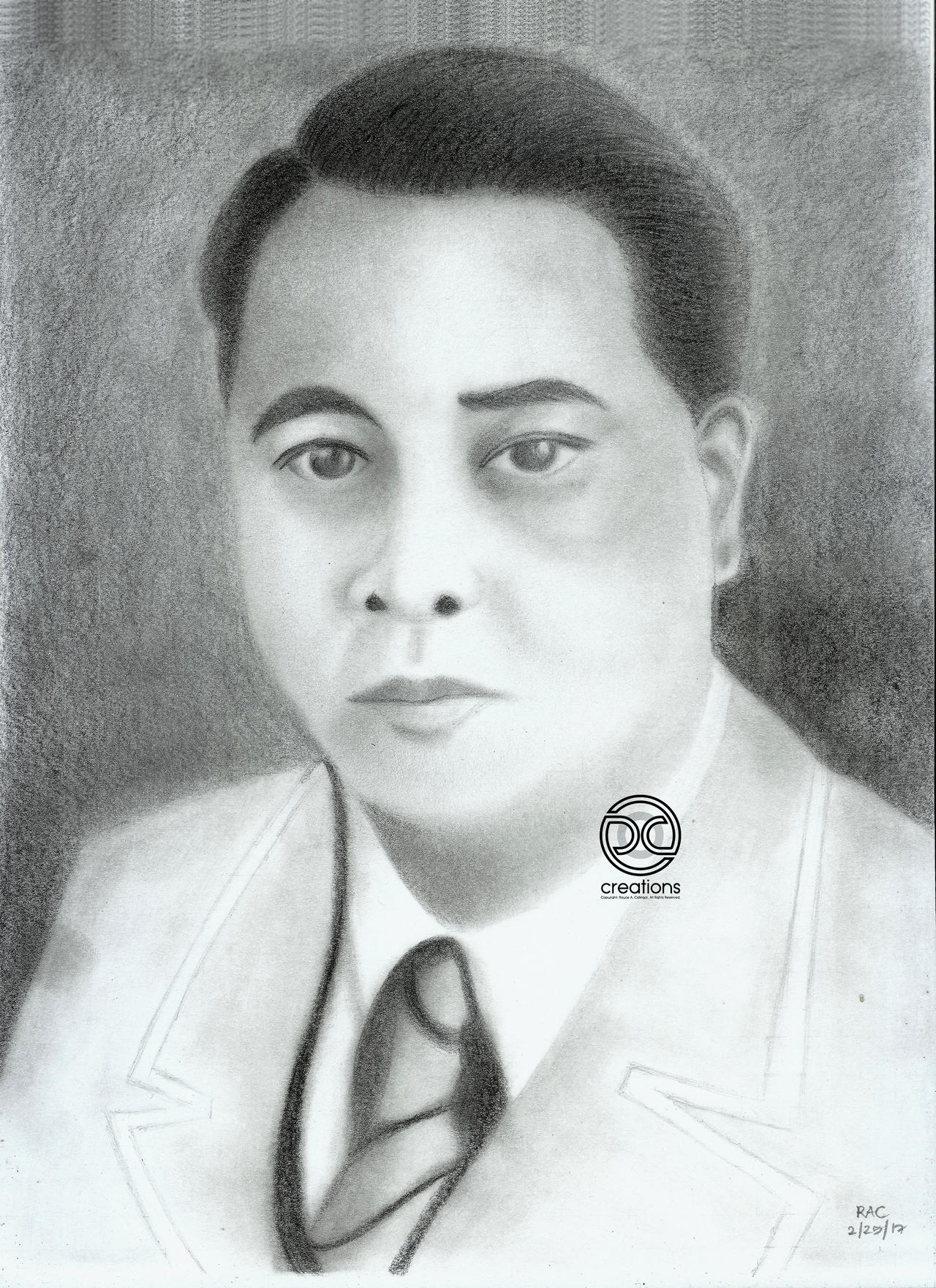
Manuel Roxas
 Philippines
politician•autobiographer•university teacher
Also known as: Manuel Acuña Roxas, M.A. Roxas, President Roxas
Birthday
January 1, 1892
Birth Sign
Capricorn
Birthplace
Capiz, Philippines
Age
Died at 56
About
Manuel Acuña Roxas was a Filipino statesman who served as the fifth president of the Philippines. Born in Capiz on January 1, 1892, he rose from poverty to become a topnotcher in the bar exams and a respected university teacher before entering politics. He holds the unique historical distinction of being both the third and last president of the Commonwealth of the Philippines and the first president of the independent Third Philippine Republic.
Roxas assumed office during a critical transition period when the United States granted sovereignty to the Philippines on July 4, 1946. His administration focused heavily on economic recovery following World War II devastation, negotiating the Bell Trade Act to secure war damage reparations while establishing the Rehabilitation Finance Corporation to fund reconstruction efforts. His leadership laid the groundwork for the country's post-war development until his untimely death in 1948.
Early Life & Background
Manuel Acuña Roxas entered the world on January 1, 1892, in the pueblo of Capiz, now known as Roxas City. His early years were marked by financial hardship after his father died when Manuel was still young, leaving the family in poverty. Despite these obstacles, he excelled academically and attended the University of the Philippines, graduating with honors. He then pursued legal studies at the University of the Philippines College of Law, where he achieved a remarkable milestone in 1917 by scoring the highest marks in the Philippine Bar Examination. This made him the first person from Capiz to top the bar.
His academic success launched a career as a lawyer and a university teacher, where he instructed students in political science and economics. Before fully committing to the legislative arena, he built a reputation for intellectual rigor and oratory skills. By 1919, he had secured a seat in the Philippine House of Representatives representing his home district. He quickly rose through the ranks, becoming Speaker of the House in 1922, a position he held for over a decade. During this time, he honed the political maneuvering abilities that would define his later career as he navigated the complexities of American colonial rule and the push for independence.
Career Growth
Roxas's political ascent accelerated in 1935 when President Manuel L. Quezon appointed him Resident Commissioner to the United States. Serving in Washington D.C. until 1946, he advocated for Philippine interests and played a key role in the passage of the Tydings-McDuffie Act, which set the path for full independence. During World War II, his actions remain a subject of historical debate; he initially supported the Japanese occupation and served in the Second Philippine Republic under Jose P. Laurel. He defended this role as a necessary measure to protect Filipinos from harsher treatment, though it later drew criticism.
After the war, he was elected as the third president of the Commonwealth of the Philippines in May 1946. On July 4, 1946, upon the granting of independence by the United States, he became the first president of the sovereign Republic of the Philippines. His tenure was dominated by the task of rebuilding a nation devastated by war. He successfully negotiated the Bell Trade Act with the U.S., securing $620 million in war damage reparations in exchange for granting parity rights to American citizens in the exploitation of Philippine natural resources. He also established the Rehabilitation Finance Corporation to fund reconstruction projects. His work continued until his death in April 1948.
Career Timeline
Public Image & Style
Roxas projected an image of a dignified statesman characterized by formal attire and a serious, scholarly demeanor. His public presence was defined by his roles as a lawyer, educator, and head of state rather than any celebrity persona. Media coverage during his lifetime highlighted his oratory skills and political acumen, portraying him as a capable leader navigating the difficult transition to independence. His reputation today is anchored in his historic role as the first president of the independent republic, though his wartime decisions continue to invite scrutiny. He is remembered as a figure of profound historical weight whose legacy is tied to the nation's sovereignty rather than pop culture adoration.
Fame & Fandom (iFAMOUS Rankings)
Manuel Roxas stands as the 83rd most famous person in Philippines, a standing reflected in his placement, while also holding the position of the 52nd most famous person from Philippines. These placements within the iFANN Global Fame Rankings track global attention across media coverage and consumption signals worldwide. His legacy remains anchored in his historic role as the first president of the independent Third Philippine Republic, a title that defines his enduring presence in national memory. The public engagement surrounding him was strictly political and civic, centered on his duties as a head of state rather than the rituals of modern celebrity culture. There is no formal or informal fandom name for Manuel Roxas, as the concept of a fanbase does not apply to him in the context of pop-culture adoration. Instead, his supporters were constituents and party members who engaged with his governance through official channels. While a namesake exists in the form of Mar Roxas, whose political campaigns continue to draw attention, this support base consists of political allies rather than a dedicated fan movement with organized rituals or inside jokes. The absence of a named fandom reflects the nature of his life as a statesman whose interactions were defined by speeches, diplomacy, and the solemn weight of leadership.
Interesting Facts and Legends
Manuel Roxas was the first person from Capiz to top the bar exam, a feat that propelled him into national prominence and launched his legal career. His service in the Japanese-sponsored Second Philippine Republic during World War II remains a controversial chapter in his life, with historians debating whether it was an act of pragmatism to save lives or collaboration. He was known for his formal attire and dignified demeanor, often described as embodying the "eternal style" of a statesman. He wrote an autobiography that provides insight into his political philosophy and the challenges of the post-war era. One of his most memorable quotes, delivered just before his collapse, was his pledge of amity with the United States: "We shall remain friends... we shall continue to work together." This moment is frequently cited in historical accounts of his final days.
Notable Quotes
“We shall remain friends... we shall continue to work together.”
“The Philippines must be free.”
Family & Personal Life
Manuel Roxas was married to Trinidad de Leon-Roxas throughout his entire political career. Their partnership spanned decades and remained stable despite the pressures of public life. They had several children, though specific details regarding the names and birth dates of all offspring are less documented in public records compared to modern celebrities. There are no public records of divorces, engagements to other partners, or high-profile romantic flings outside of his marriage to Trinidad. He remained married to her until his death. His grandson Mar Roxas and great-grandson Gerry Roxas have since held significant political offices, continuing the family's involvement in governance.
Notable Connections
Trinidad de Leon-Roxas, Manuel L. Quezon, Sergio Osmeña, Harry S. Truman, Mar Roxas, Gerry Roxas.
Relationships & Dating History
Manuel Roxas maintained a single, long-term marriage to Trinidad de Leon-Roxas. Their union spanned his entire adult life and political career, beginning well before he entered national politics and lasting until his death in 1948. Historical records do not document any prior engagements, dating relationships, or divorces. The couple had several children, though their names are not as prominently featured in public history as their father's political achievements. Trinidad supported him throughout his rise from a provincial lawyer to the presidency. As of the time of his death, he was married to Trinidad de Leon-Roxas, and they remained partners until the end.
- MarriedTrinidad de Leon-Roxas1913 - 1948Married until his death; had several children together.
Death & Aftermath
Died
April 15, 1948 (aged 56)
Death Place
Clark Field, Pampanga, Philippines
Cause of Death
Heart attack (myocardial infarction)
On the afternoon of April 15, 1948, Manuel Roxas stood before a crowd at Clark Air Base in Pampanga to deliver a speech pledging continued friendship with the United States. Moments after concluding his address, he collapsed and was rushed to a nearby hospital where medical staff could not revive him. The official cause of death was a massive heart attack, confirmed by physicians on the scene. His sudden passing sent shockwaves through the nation and reached Washington, prompting President Harry S. Truman to issue a statement expressing deep sorrow over the loss of a key ally.
The funeral became a major state event in Manila, attended by high-ranking government officials, military leaders, and foreign dignitaries. He was laid to rest in the Manila North Cemetery, marking the end of a presidency defined by post-war reconstruction. Decades later, his legacy remains visible through the renaming of his hometown to Roxas City, the construction of the Manuel A. Roxas Highway, and various educational scholarships bearing his name. Annual commemorations held every April 15 ensure his memory persists within the narrative of Philippine independence.
Net Worth (Estate Value)
$0
iFANN Editorial Team estimate
As a historical figure who passed away in 1948, Manuel Roxas did not accumulate personal wealth in the modern sense, and his estate value is not publicly tracked with the same granularity as contemporary celebrities. His career earnings came from government salaries and modest private practice income typical of politicians and lawyers of that era. The primary financial legacy of his life lies in the public institutions he helped establish and the national assets named in his honor. Posthumous revenue streams include royalties from publications like his autobiography and licensing related to historical memorabilia, but these are managed by the state or public trusts rather than a private family estate. The iFANN Editorial Team notes that no significant private fortune or complex estate disputes have been recorded in historical archives regarding his personal assets.
Awards & Accolades
View 5 records, honours and achievementsKnown For
President of the Philippines
1946 · First President of the Independent Republic
Commonwealth of the Philippines
1946 · Third and Last President
Bell Trade Act Negotiations
1946 · Negotiator
Keywords
Sources
Quick Facts
- Profession
- politician, autobiographer, university teacher
- Born
- January 1, 1892
- Birthplace
- Capiz, Philippines
- Died
- April 15, 1948
- Death Place
- Clark Field, Pampanga, Philippines
- Gender
- Male
- Spouse
- Trinidad de Leon-Roxas
- Birth Sign
- Capricorn
Personal Details
- Full Name
- Manuel Acuña Roxas
- Spouse
- Trinidad de Leon-Roxas
- Children
- Several children (names not widely documented in public records)
- Education
- University of the Philippines College of Law
Frequently Asked Questions
Who was Manuel Roxas?
How did Manuel Roxas die?
What was Manuel Roxas's role during World War II?
Where was Manuel Roxas born?
Is the Roxas family still active in Philippine politics?
Similar People
Join the community
fans discussing