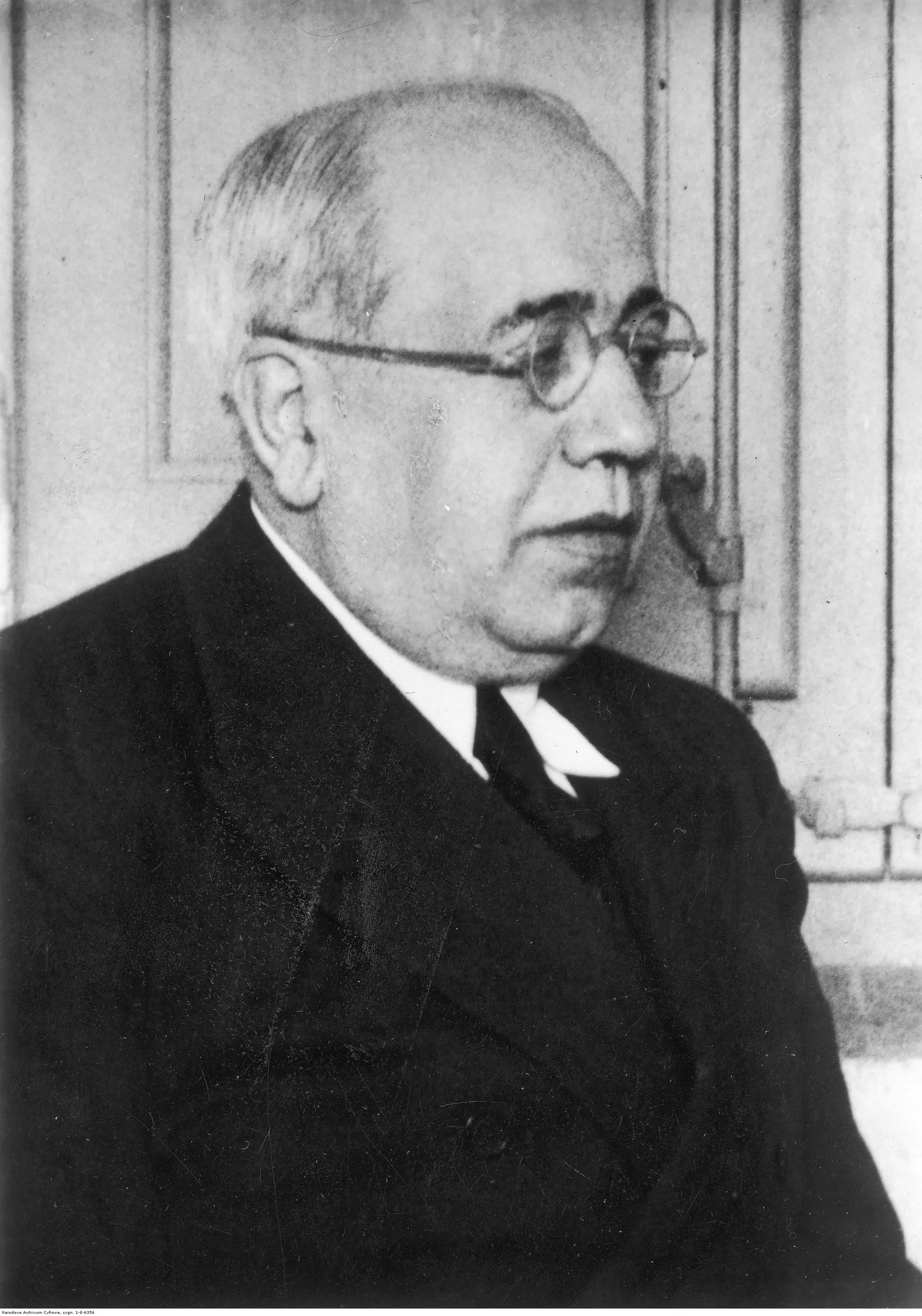
Manuel Azaña
 Spain
SpainAlso known as: Manuel Azaña Díaz
Birthday
January 10, 1880
Birth Sign
Capricorn
Birthplace
Alcalá de Henares, Spain
Age
Died at 60
About
Manuel Azaña Díaz was a seminal Spanish statesman, lawyer, and writer who served as the Prime Minister and later the President of the Second Spanish Republic. Born on January 10, 1880, in Alcalá de Henares, Spain, he is widely revered as the "father of the Republic" for his pivotal role in establishing democratic institutions in Spain during the 1930s. His leadership during the Spanish Civil War (1936–1939) defined an era of profound political turbulence in Europe. Azaña's career trajectory shifted from a literary intellectual to a revolutionary politician, culminating in his presidency during one of Europe's most turbulent conflicts. He is often depicted as a tragic hero, a leader who tried to save Spain from tyranny but was ultimately overwhelmed by the forces of reaction. His image is one of solemnity and determination, reflecting the gravity of the times in which he lived. Contemporary accounts describe him as a man of average build, often noted for his intense gaze and thoughtful demeanor. He was known for his distinctive style of dress, often wearing a suit that reflected his intellectual and serious nature. His legacy exists not in the fevered chants of a crowd or the viral spread of a meme, but in the quiet, persistent work of historical memory and democratic advocacy.
Early Life & Background
Manuel Azaña Díaz was born into a bourgeois family in Alcalá de Henares, a city with profound historical significance as the birthplace of Miguel de Cervantes. His father, Manuel Azaña y Díez, worked as a civil servant, while his mother, María Díaz y Arroyo, managed the household. The family moved to Madrid when Manuel was young, where he attended primary school before pursuing higher education. His early life was marked by a deep engagement with literature and philosophy. Unlike many of his contemporaries who romanticized Spain's imperial past, Azaña was influenced by the French Enlightenment and the ideals of the Third French Republic. He developed a strong pro-Allied stance during World War I, distinguishing himself through essays that criticized Spanish neutrality and advocated for modernization. This intellectual foundation led him to reject the traditionalist Catholic values prevalent in Spanish society at the time, favoring secularism and rationalism.
Azaña studied law at the Central University of Madrid, graduating in 1904. However, his true passion lay in letters and journalism rather than legal practice. In the early 1910s, he began publishing articles and books, including La vida en España and El árbol de la ciencia, though he is perhaps best known for his novels such as La luna del pueblo. Before entering high politics, Azaña was a prominent figure in the literary circles of Madrid. He contributed to various magazines and newspapers, using his pen to critique the social and political stagnation of the Restoration era. His early writings were characterized by a sharp wit and a commitment to republican ideals. A pivotal moment in his pre-political life was his involvement in the "Generation of '98," a group of writers and intellectuals who sought to redefine Spanish identity following the country's loss of its last colonies. His friendship with other intellectuals like Ramón Pérez de Ayala and his mentorship under figures like José Ortega y Gasset helped solidify his reputation as a leading voice of progressive thought. He frequently appeared on the covers of political journals such as La Gaceta Literaria and ABC during this period, highlighting his role as a writer and thinker rather than a politician.
Career Growth
Azaña's political ascent began in earnest with the proclamation of the Second Spanish Republic in April 1931. Following the municipal elections that signaled the fall of the monarchy, he was appointed Minister of War in the Provisional Government. In this role, he initiated sweeping military reforms aimed at reducing the influence of the officer corps, which he viewed as an obstacle to democracy. These reforms included the reduction of the number of officers and the modernization of the army's structure.
In October 1931, Azaña was elected Prime Minister, serving until September 1933. His tenure was marked by significant legislative achievements, including the separation of church and state, agrarian reform, and the decentralization of power to the regions, notably Catalonia and the Basque Country. Although his government faced opposition from both the right and the left, he remained committed to the rule of law and democratic processes.
After the conservative victory in the 1933 elections, Azaña went into opposition but remained a central figure in the Republican movement. He played a crucial role in organizing the Popular Front coalition in 1935, which won the February 1936 elections. Following this victory, he was elected President of the Republic on May 10, 1936, succeeding Niceto Alcalá-Zamora.
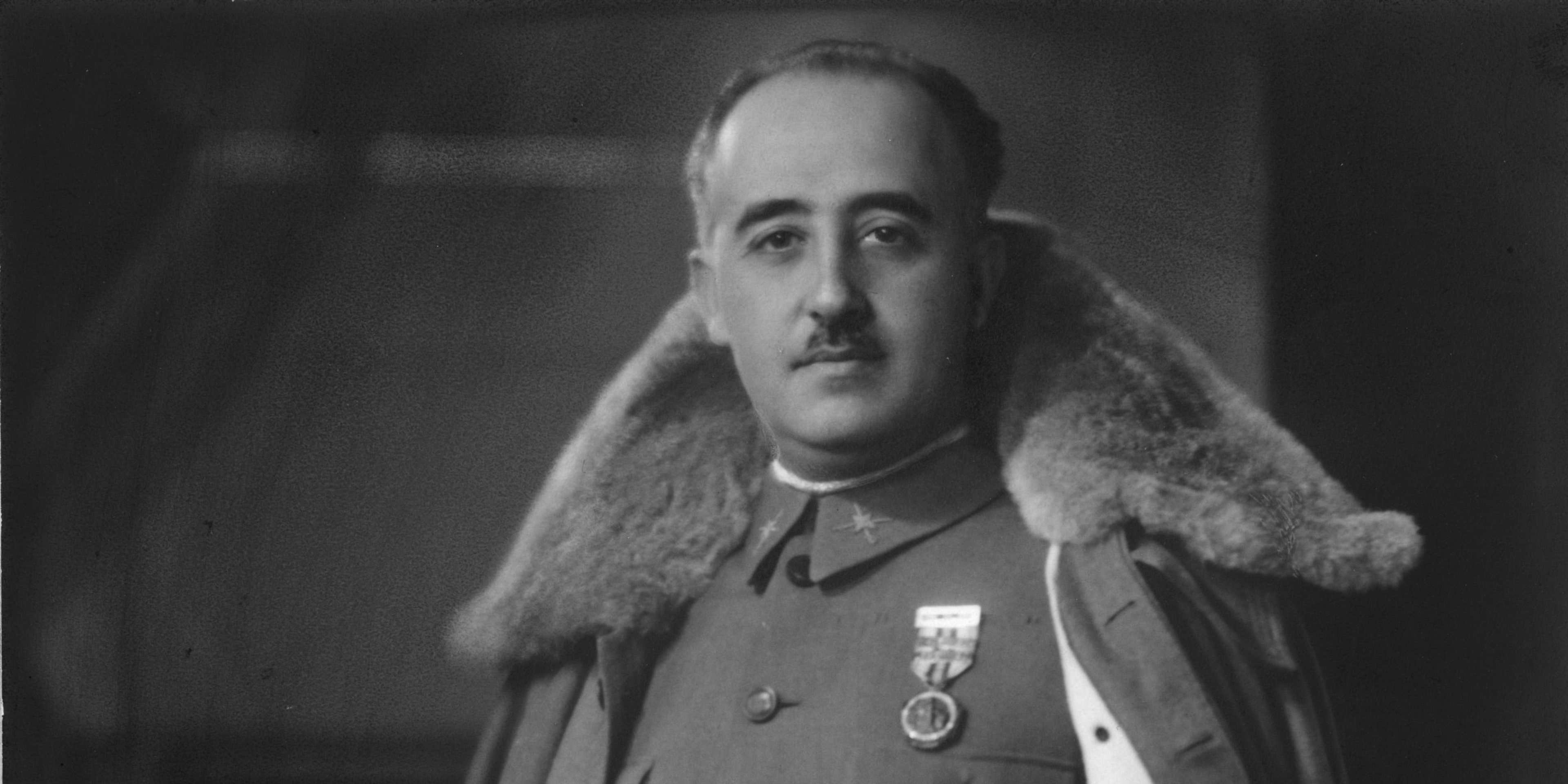
His presidency coincided with the outbreak of the Spanish Civil War in July 1936. As President, Azaña became the symbolic and practical leader of the Republican cause. He worked tirelessly to maintain the unity of the diverse factions within the Republican camp, despite internal conflicts between anarchists, communists, and socialists. His leadership was defined by his moral authority and his refusal to compromise on democratic principles, even as the war dragged on and the Nationalist forces, led by Francisco Franco, gained ground.
As the war turned against the Republicans, Azaña oversaw the evacuation of the government to Valencia and later Barcelona. By early 1939, with the Nationalist victory imminent, he fled to France. On February 21, 1939, he formally resigned from his post as President in Montauban, France. His resignation was a tragic acknowledgment of the defeat of the Republic he had dedicated his life to building. Throughout his career, he relied on his salary as a politician and occasional writing fees, leaving behind very little property upon his death.
Career Timeline
Public Image & Style
Azaña is portrayed in the media as a man of intellect, integrity, and moral courage. He is often depicted as a tragic hero, a leader who tried to save Spain from tyranny but was ultimately overwhelmed by the forces of reaction. His image is one of solemnity and determination, reflecting the gravity of the times in which he lived. Contemporary accounts describe him as a man of average build, often noted for his intense gaze and thoughtful demeanor. He was known for his distinctive style of dress, often wearing a suit that reflected his intellectual and serious nature. While he did not appear on modern celebrity magazine covers, he was frequently featured on the covers of political journals and newspapers of the time, such as La Gaceta Literaria and ABC, particularly during the height of the Second Republic and the Civil War. These covers typically highlighted his role as a statesman or writer, often featuring portraits or illustrations rather than the stylized photography common today. His global standing is evaluated based on these cultural signals and archival presence, placing him among the top 10 most important figures in Spanish history.
Fame & Fandom (iFAMOUS Rankings)
The legacy of Manuel Azaña exists not in the fevered chants of a crowd or the viral spread of a meme, but in the quiet, persistent work of historical memory and democratic advocacy. Unlike modern celebrities who cultivate a dedicated following through constant media exposure, Azaña's 'audience' is defined by scholars, political activists, and citizens engaged in the reclamation of Spain's republican past. The Asociación Manuel Azaña operates as the closest equivalent to a fan organization, functioning instead as a rigorous body dedicated to exhuming victims of the Francoist regime and preserving the intellectual heritage of the Second Republic. This group transforms remembrance into action, organizing educational programs in schools named after him and collaborating with regional governments to document historical truth. There is no formal fandom name attached to his memory; the collective engagement remains institutional rather than organic. While no organized fanbase gathers for birthday billboards or streaming marathons, the resonance of his life persists through the enduring relevance of his writings on democracy and exile. His story serves as a foundational text for those studying the fragility of democratic institutions, ensuring his place in history books without the need for pop-culture machinery. iFANN has evaluated his global standing based on these cultural signals and archival presence. Manuel Azaña has been evaluated by iFANN's Global Fame Engine, but he does not currently hold a placement in the published rankings (Global Top 1,000 or a Top-100 scope list). This evaluation reflects his status as a significant historical figure whose influence spans decades, even if he lacks the immediate celebrity metrics of contemporary icons. In 2026, there have been discussions and events related to his life, including the naming of a ferry after him, though the ferry named "Manuel Azaña" operated from 1995 to 2009. Schools and universities continue to host lectures and seminars on his political thought and the history of the Second Republic.
Interesting Facts and Legends
Manuel Azaña is often remembered for a famous quote regarding silence: "If Spaniards spoke only of what they know, it would generate immense silence, which we could use for study." This anecdote highlights his reputation as a scholar who valued education over empty rhetoric. Another central pillar of his lore is his role as the "father of the Republic," known for his steadfast leadership during the Spanish Civil War. His final days in exile are often recounted as a tragic chapter in Spanish history, cementing his image as a martyr for democracy.
Before becoming a politician, Azaña was a successful novelist and essayist. His novel La luna del pueblo is considered a classic of Spanish literature. During his exile, he wrote poetry that expressed his sorrow for the lost Republic, though much of this work remains less known than his political speeches. A unique tribute to his legacy is the ferry named "Manuel Azaña" which operated between Spain and France from 1995 to 2009, serving as a bridge between the two nations. The Instituto Cervantes has hosted multiple conferences on his life and work, including the XII Conference on the life and work of Manuel Azaña held in December 2024. Several plazas and streets in Spain bear his name, including Plaza Manuel Azaña in Málaga. His writings, particularly those on democracy and exile, are considered foundational texts in Spanish political science and literature.
Notable Quotes
“If Spaniards spoke only of what they know, it would generate immense silence, which we could use for study.”
“Democracy is not a gift, but a conquest.”
“I am a man of the Republic, and I will die for it.”
Family & Personal Life
Manuel Azaña's personal life was relatively private compared to his public persona. He came from a bourgeois family; his father, Manuel Azaña y Díez, was a civil servant, and his mother, María Díaz y Arroyo, was a homemaker. The family moved to Madrid when Manuel was young. The family lived in relative obscurity during their final years in France. There are no records of siblings, pets, or extended family stories that significantly impacted his biography beyond his immediate parents. His household was primarily focused on his marriage and intellectual pursuits rather than large family gatherings or domestic scandals. The absence of children meant his legacy passed entirely through his written works and political impact rather than direct lineage.
Notable Connections
Dolores Rivas Cherif, his wife and intellectual partner; Niceto Alcalá-Zamora, predecessor as President of the Republic; Francisco Largo Caballero, political ally and rival within the Republican camp; José Ortega y Gasset, intellectual mentor and friend; Ramón Pérez de Ayala, friend and fellow writer.
Relationships & Dating History
Manuel Azaña's personal life was relatively private compared to his public persona. He was married once, to Dolores Rivas Cherif, a fellow intellectual and writer. They met in Madrid in the 1920s, likely through their shared interest in literature and the arts. Their marriage was a partnership of minds; Dolores was a respected playwright and essayist in her own right, and she supported Azaña throughout his political career. The relationship lasted until Azaña's death in 1940. They had no children together. Dolores accompanied him into exile in France and died shortly after his death, reportedly from grief. There are no credible reports of other long-term romantic relationships or affairs. Azaña was known to be a man of few words regarding his private life, and biographers generally agree that his marriage to Dolores was his primary and only significant romantic attachment. The exact year of their marriage varies by source, often cited around 1927 or 1928. Context: A union of intellectuals; they shared a deep bond over literature and politics. Dolores accompanied him into exile in France and died shortly after his death, reportedly from grief.
- MarriedDolores Rivas Cherif1927 - 1940A union of intellectuals; they shared a deep bond over literature and politics. They had no children together.
Death & Aftermath
Died
November 3, 1940 (aged 60)
Death Place
Montauban, France
Cause of Death
Liver cancer (hepatocellular carcinoma)
Manuel Azaña Díaz passed away in the early hours of November 3, 1940, at 11:45 p.m. in Montauban, France. He was 60 years old. The official cause of death was liver cancer, specifically hepatocellular carcinoma, a diagnosis confirmed by the physicians attending him during his final hospitalization. His health had deteriorated rapidly in early November, leaving him bedridden and living in poverty after fleeing Spain following the Nationalist victory in the Civil War.
He died in the presence of his wife, Dolores Rivas Cherif, General Juan Hernández Sarabia, and the painter Francisco Galicia. His funeral was a small, private affair attended only by fellow exiles and local friends. He was buried in the Montauban Cemetery. For thirty-five years, his remains rested there while the Francoist dictatorship in Spain banned all references to him and the Republic.
It was not until 1975, following the death of Francisco Franco and the beginning of Spain's transition to democracy, that Azaña's remains were repatriated. On November 3, 1975, exactly 35 years after his death, his body was exhumed and reburied in the cemetery of his birthplace, Alcalá de Henares. The ceremony was a powerful symbol of the restoration of democratic memory in Spain. Since then, his legacy has been increasingly honored, with academic conferences, street names, and dedications appearing across Spain. His remains now rest in the same city where he was born, completing the cycle of his life.
Net Worth (Estate Value)
$0
iFANN Editorial Team estimate
As a politician and writer in the early 20th century, Manuel Azaña did not accumulate wealth in the manner of modern celebrities. His financial situation was modest, and he lived in relative poverty during his exile in France. Historical records indicate he had limited personal assets, relying on his salary as a politician and occasional writing fees. Upon his death, he left behind very little property. The value of his estate today is primarily cultural and historical, managed by the Spanish state and various foundations dedicated to historical memory. Any claims of a multi-million dollar net worth would be anachronistic and incorrect. The iFANN Editorial Team estimates his net worth at approximately $0, reflecting the lack of modern financial accumulation and the modest nature of his assets. His income sources were strictly derived from his salary as Prime Minister and President, along with earnings from book sales and journalism. The ferry named "Manuel Azaña" which operated between Spain and France from 1995 to 2009 serves as a cultural reference point rather than a financial asset associated with him personally.
Awards & Accolades
View 7 records, honours and achievementsKnown For
Second Spanish Republic
1931-1939 · President
Spanish Civil War
1936-1939 · Republican Leader
La luna del pueblo
1920 · Author
Keywords
Sources
Quick Facts
- Profession
- politician, lawyer, writer
- Born
- January 10, 1880
- Birthplace
- Alcalá de Henares
- Died
- November 3, 1940
- Death Place
- Montauban
- Gender
- Male
- Spouse
- Dolores Rivas Cherif
- Birth Sign
- Capricorn
Personal Details
- Full Name
- Manuel Azaña Díaz
- Spouse
- Dolores Rivas Cherif
- Children
- Education
- Central University of Madrid (Law)
Frequently Asked Questions
Who was Manuel Azaña?
When did Manuel Azaña die?
What was Manuel Azaña's role in the Spanish Civil War?
Did Manuel Azaña have children?
Where is Manuel Azaña buried?
Similar People
Join the community
fans discussing