José Ortega y Gasset
 Spain
philosopher•essayist•cultural critic
Also known as: Jose Ortega y Gasset, Ortega y Gasset
Birthday
May 9, 1883
Birth Sign
Taurus
Birthplace
Madrid, Spain
Age
Died at 72
About
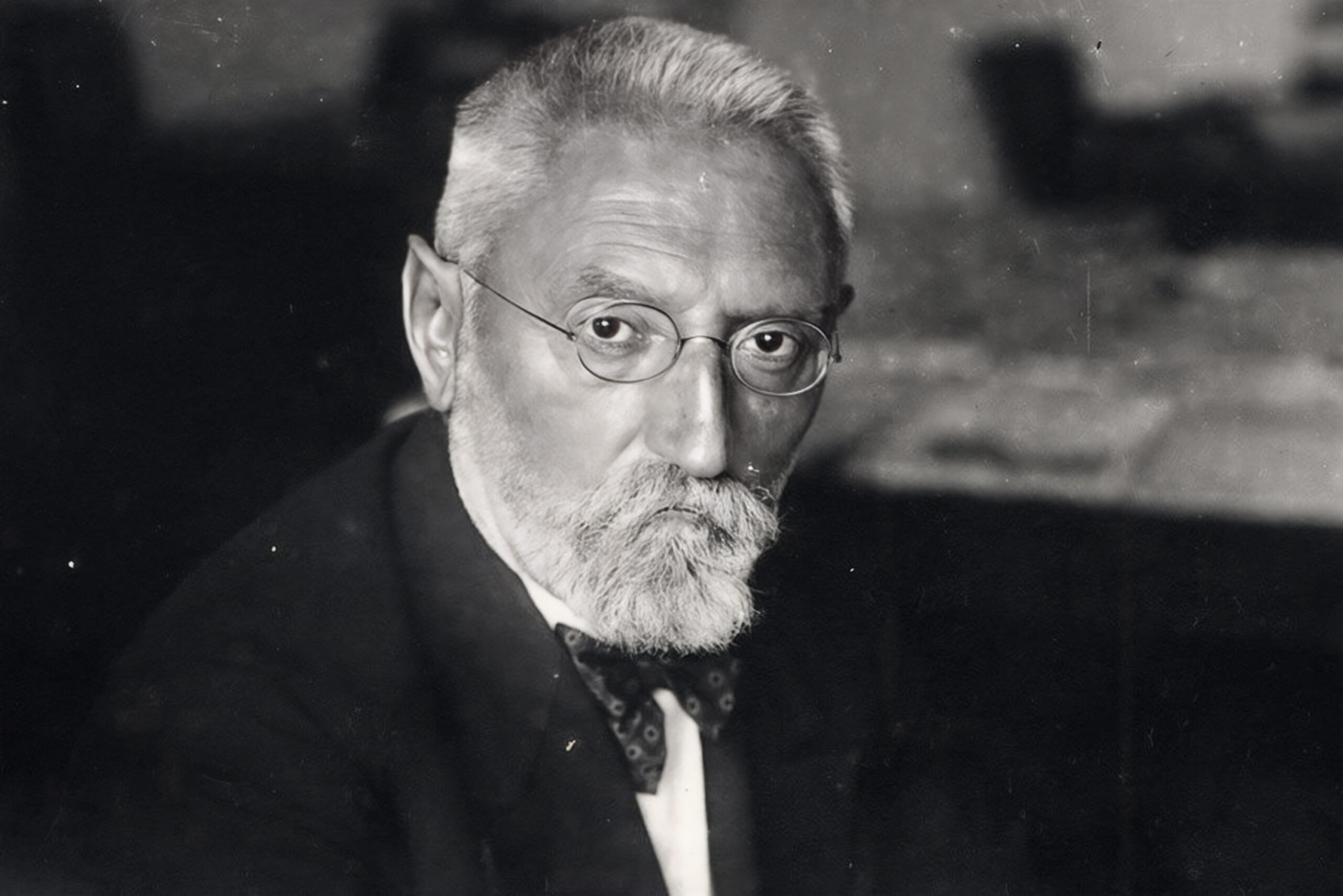
José Ortega y Gasset stands as a seminal Spanish philosopher, essayist, and cultural critic whose intellectual legacy defined the first half of the 20th century. Born in Madrid in 1883, he emerged as the leading voice of the Generation of '14, a group dedicated to modernizing Spanish culture through deep European influences. His thought is often described as a "philosophy of life," which sought to reconcile rationalism with the immediate reality of human existence. He is best known for his development of the concept of the "mass man" and his assertion that "I am myself and my circumstances." As a rigorous yet accessible intellectual, he bridged the gap between high philosophy and public discourse, avoiding the obscurity common in academic circles. His presence was that of a statesman of ideas, commanding respect through the force of his arguments rather than celebrity status. He remains a foundational figure for understanding modern populism and existentialism, with his works continuing to be cited in contexts ranging from post-Brexit Britain to AI ethics. His influence extends globally, recognized by institutions like Stanford Encyclopedia of Philosophy and Princeton University Press as a preeminent thinker of his era.
Early Life & Background
José Ortega y Gasset was born on May 9, 1883, in Madrid to Mariano Ortega y Artime, a journalist and politician, and María Gasset y Arburúa. His early life was steeped in the political and cultural turbulence of late 19th-century Spain. He attended the Institución Libre de Enseñanza (Free Institution of Education), an innovative school that emphasized critical thinking and secularism, before enrolling at the Central University of Madrid in 1902 to study philosophy and literature. These formative years laid the groundwork for his future critiques of Spanish society. Before achieving international fame, Ortega's development was marked by extensive travel across Europe, particularly Germany. In 1904 and 1905, he studied under phenomenologists like Edmund Husserl and engaged deeply with the works of Friedrich Nietzsche. These experiences profoundly shaped his emerging "philosophy of life" (*razón vital*). His early career involved teaching and writing essays that critiqued Spanish society and advocated for modernization. A pivotal moment occurred in 1908 when he published his first major work, *La escuela de la realidad*. Another milestone arrived in 1914 when he published Meditaciones del Quijote, a work that reinterpreted Cervantes' Don Quixote as a symbol of the Spanish struggle between reason and instinct, establishing him as a leading voice of the Generation of '14.
Career Growth
Ortega's career success was built on his ability to synthesize complex European philosophical trends into accessible Spanish prose. His most influential works include The Revolt of the Masses (1930), which analyzed the rise of the "mass man" and warned against the dangers of mediocrity in democracy, and History as a System (1935). He served as a professor at the University of Madrid starting in 1916 and founded the influential journal Revista de Occidente in 1923, which became a hub for intellectual exchange in Europe. Despite his academic prominence, his career was interrupted by the Spanish Civil War. As a staunch liberal who opposed both the monarchy and the fascist Franco regime, Ortega was forced into exile in 1936. He lived first in Portugal and then in Argentina from 1937 to 1946, where he continued to write and teach until his death. His return to Spain in 1947 came under the shadow of the Franco regime, but his intellectual influence remained undiminished. He also served briefly as a minister in the Second Spanish Republic in 1931. His core tenet, "I am myself and my circumstances," remains a widely cited phrase in existentialist discourse.
Career Timeline
Public Image & Style
Ortega y Gasset projected the image of a rigorous yet accessible intellectual who bridged the gap between high philosophy and public discourse. His writing style was known for its clarity and elegance, avoiding the obscurity common in academic circles. He was perceived as a defender of liberal values and a critic of totalitarianism, positioning himself as a moderate voice in a polarized era. He famously declared, "I am neither left nor right," advocating for a liberal centrism that rejected both socialism and fascism. His presence was that of a statesman of ideas, commanding respect through the force of his arguments rather than celebrity status. He was elected to the Royal Spanish Academy in 1930, a prestigious honour recognizing his contribution to the Spanish language and culture. Additionally, he received honorary doctorates from the University of Paris and the University of Buenos Aires. His persona remains that of a scholar who valued individual responsibility and critical thinking above all else.
Fame & Fandom (iFAMOUS Rankings)
iFANN has evaluated this person, but they do not currently hold a placement in the Global Top 1,000 or any scope-specific top-100 lists. The philosopher stands outside the current ranked hierarchy, recognized for his profound influence on political theory rather than contemporary celebrity metrics. His audience consists of scholars, students, and historians who engage with his texts as primary sources for understanding modern populism and existentialism. There is no formal fandom name documented for Ortega y Gasset; the concept of a fanbase with organized clubs or ritualistic campaigns does not apply to a thinker who died decades ago. Instead of chart-topping moments or subway ads, his presence is maintained through university departments and philosophical societies dedicated to the Generation of '14. While some might seek digital trends or hashtag movements associated with him, none exist. His works remain subjects of citation and study, not commercial consumption or social media engagement. Recent articles from 2021 to 2024 continue to reference his work in contexts such as AI ethics and political theory, demonstrating his enduring relevance. His legacy is kept alive through the ongoing publication of his works by publishers like Princeton University Press and various academic journals.
Interesting Facts and Legends
Despite his deep engagement with politics, Ortega famously declared, "I am neither left nor right," advocating for a liberal centrism that rejected both socialism and fascism. His time in Argentina from 1937 to 1946 had a profound impact on Latin American intellectual thought, influencing generations of thinkers in the region. The concept of the "mass man" predicted the rise of populist movements and the decline of individual responsibility in modern democracies, a theme that resonates strongly in the 21st century. He was elected to the Royal Spanish Academy in 1930, a prestigious honour recognizing his contribution to the Spanish language and culture. His core tenet, "I am myself and my circumstances," remains a widely cited phrase in existentialist discourse. Notable quotes attributed to him include "Life is fired at us point blank" and "The hero's will is not that of his ancestors nor of his society, but his own. This will to be oneself is heroism." He also stated, "Were art to redeem man, it could do so only by saving him from the seriousness of life." The foundation managing his estate underwent significant renovations completed around 2023-2024 by Junquera Arquitectos. Specific physical attributes such as height are not widely documented in standard biographical sources.
Notable Quotes
“Life is fired at us point blank.”
“I am myself and my circumstances.”
“The hero's will is not that of his ancestors nor of his society, but his own. This will to be oneself is heroism.”
“Were art to redeem man, it could do so only by saving him from the seriousness of life.”
Family & Personal Life
José Ortega y Gasset was married only once to Rosa Spottorno Topete in 1910. They had two children: José Ortega Spottorno, who later became a noted writer and editor, and María del Rosario Ortega Spottorno. The couple lived in Madrid, and their home became a gathering place for intellectuals during the pre-war years. There are no public records of prior engagements, divorces, or other romantic relationships; his marriage to Rosa was his sole long-term partnership. Following her death, Ortega remained a widower until his own passing. The couple resided at Calle de Velázquez 34, where Ortega spent his final days. His wife Rosa Spottorno was from a prominent family, and their union produced the two children mentioned above.
Notable Connections
Edmund Husserl, Friedrich Nietzsche, William James, Miguel de Unamuno, Ramón Menéndez Pidal, Gregorio Marañón
Relationships & Dating History
José Ortega y Gasset was married only once. His spouse was Rosa Spottorno Topete, a woman from a prominent family whom he wed in 1910. The union produced two children: José Ortega Spottorno, who later became a noted writer and editor, and María del Rosario Ortega Spottorno. There are no public records of prior engagements, divorces, or other romantic relationships; his marriage to Rosa was his sole long-term partnership. Following her death, Ortega remained a widower until his own passing in 1955. At the time of his death, he was widowed. He did not have any other recorded romantic partners or engagements throughout his life. His relationship with Rosa was central to his personal history, providing stability during his early career and the turbulent political years that followed. The couple shared a life in Madrid until his final days.
- MarriedRosa Spottorno Topete1910 - 1955His only marriage; they had two children together.
Death & Aftermath
Died
October 18, 1955 (aged 72)
Death Place
Madrid, Spain
Cause of Death
Heart attack (myocardial infarction)
On October 18, 1955, José Ortega y Gasset died at his home on Calle de Velázquez 34 in Madrid at the age of 72. The cause was a myocardial infarction, confirmed by physicians after a period of declining health that had kept him bedridden since early 1955. His final days were spent with his wife Rosa Spottorno and their two children. The news of his passing triggered an immediate outpouring of grief across Spain and the international philosophical community. Thousands of mourners, including government officials, professors, and students, attended a funeral procession that culminated at the Almudena Cemetery. In the aftermath, his estate was managed by his heirs, and the José Ortega y Gasset-Gregorio Marañón Foundation was established to promote scientific research and humanities. Decades later, renovations to the foundation's building and centenary anniversaries have kept his legacy alive within the cultural landscape. His works continue to be published and studied, ensuring his ideas remain relevant in modern discussions of politics and philosophy.
Net Worth (Estate Value)
$0
iFANN Editorial Team estimate
Since José Ortega y Gasset died in 1955, he does not have a current net worth in the modern sense. His estate value is not publicly tracked in real-time like a living celebrity. However, the José Ortega y Gasset-Gregorio Marañón Foundation continues to manage his intellectual property and archives. Revenue streams for the estate/foundation likely include royalties from book sales and translations, licensing fees for the use of his name and image, and grants and donations supporting the foundation's research activities. There are no specific dollar figures available for his estate's current value in 2026, as it is a non-profit foundation rather than a commercial entity. iFANN currently estimates the estate's ongoing financial activity at approximately $0 in liquid personal assets, as all resources are directed toward institutional preservation. The foundation's operations rely on these revenue streams to maintain state-of-the-art facilities for research and to promote scientific studies and humanities. No commercial ventures or personal investments by Ortega himself are recorded beyond his academic and literary output.
Awards & Accolades
View 6 records, honours and achievementsKnown For
The Revolt of the Masses
1930 · Author
Meditaciones del Quijote
1914 · Author
The Misery and Splendour of Translation
1937 · Author
Keywords
Sources
Quick Facts
- Profession
- philosopher, pedagogue, writer
- Born
- May 9, 1883
- Birthplace
- Madrid
- Died
- October 18, 1955
- Death Place
- Madrid
- Gender
- Male
- Spouse
- Rosa Spottorno Topete
- Birth Sign
- Taurus
Personal Details
- Full Name
- José Ortega y Gasset
- Spouse
- Rosa Spottorno Topete
- Children
- José Ortega Spottorno, María del Rosario Ortega Spottorno
- Education
- Institución Libre de Enseñanza; Central University of Madrid
Frequently Asked Questions
What is José Ortega y Gasset best known for?
When and where did José Ortega y Gasset die?
Who was José Ortega y Gasset married to?
Did José Ortega y Gasset go into exile?
What is the Generation of '14?
Similar People
Join the community
fans discussing