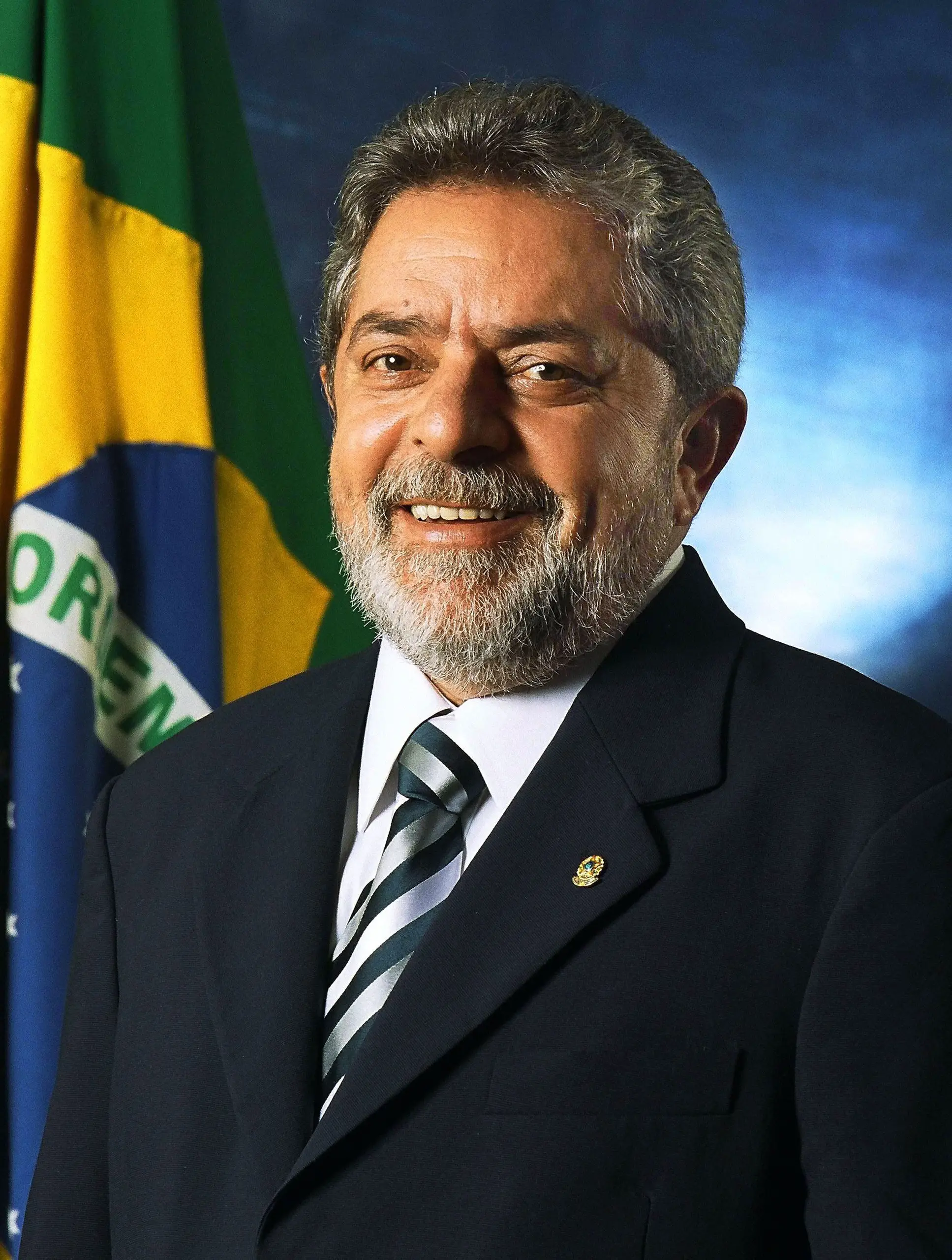
Luiz Inácio Lula da Silva
 Brazil
Brazilian politician•trade unionist•former metalworker
Also known as: Lula
Birthday
October 27, 1945
Birth Sign
Scorpio
Birthplace
Caetés, Pernambuco, Brazil
Age
80 years old
Height
5 ft 6 in (168 cm)
About
Luiz Inácio Lula da Silva is a Brazilian politician and trade unionist who has served as president of Brazil twice: from 2003 to 2010 and again since 2023. He is the founder of the Workers' Party (PT) and the first Brazilian president without a university degree. Lula is widely recognized for implementing Bolsa Família, a conditional cash transfer program that lifted millions out of poverty during his first two terms. His presidency saw significant economic growth, reduced inequality, and an active foreign policy. After a controversial corruption conviction that was later annulled, he staged a historic political comeback by defeating Jair Bolsonaro in the 2022 election. As of 2026, Lula continues to lead Brazil, focusing on tax reform, environmental policy, and international integration.
Early Life & Background
Luiz Inácio da Silva, who would later be widely known as Lula, was born on October 27, 1945, into extreme poverty in Caetés, a small town nestled in the arid northeast of Pernambuco, Brazil. His early life was marked by hardship; his father, Aristides Inácio da Silva, had moved to Santos before Lula's birth, leaving his mother, Eurídice, to raise her children alone amidst challenging circumstances. This poor northeastern childhood laid the foundation for his later understanding of social inequality.
At the age of five, Lula and his family embarked on a grueling 13-day journey from their impoverished hometown to the bustling metropolis of São Paulo, traveling aboard a precarious "pau de arara" truck. They eventually settled in a single, cramped room located behind a bar in the Ipiranga neighborhood. The need to contribute to his family's survival became evident early on; Lula began working at just seven years old, selling peanuts and shining shoes on the streets. He learned to read at the age of ten but was compelled to leave school after completing only the fourth grade to work full-time. By 14, he secured his first formal employment at Armazéns Gerais Columbia. Recognizing the importance of practical skills, he pursued vocational training as a mechanical lathe operator at SENAI, completing a rigorous three-year course. This program provided him with his only formal diploma, as he never pursued a university degree, a fact that would later distinguish his political career.
By 1966, at 21 years old, Lula had established himself as a metalworker. It was during this period that he joined the metalworkers' union in São Bernardo do Campo, marking his first steps into organized labor. A significant event that further solidified his path occurred when a factory accident cost him the little finger on his left hand, leaving him with nine fingers. This formative period, characterized by the realities of industrial work and the collective struggle for better conditions, profoundly shaped his lifelong commitment to advocating for workers' rights.
Career Growth
In 1975, Lula was elected president of the metalworkers' union with 92% of the vote. He led the first major strikes against Brazil's military dictatorship from 1978 to 1980, resulting in his arrest for 31 days. On March 10, 1980, he co-founded the Workers' Party (PT). He was a key figure in the 1984 Diretas Já movement and served as a federal deputy for São Paulo from 1986. After losing presidential bids in 1989, 1994, and 1998, Lula won the presidency in 2002. His first two terms (2003–2010) saw the creation of Bolsa Família, 14 new public universities, and GDP growth averaging 4% per year. He left office with an 80% approval rating. In 2017, he was convicted in Operation Car Wash and spent 580 days in prison. His convictions were annulled in 2021, and he defeated Bolsonaro in the 2022 runoff. His third term has focused on tax reform, environmental policy, and renewing international ties.
Career Timeline
Public Image & Style
Lula is known for his folksy, charismatic speaking style, often using humor and personal anecdotes. He typically dresses in suits as president but maintains an everyman image rooted in his working-class origins. To supporters, he is a hero who lifted millions from poverty; to opponents, he symbolizes corruption. His base, known as Lulistas, shows intense loyalty, often wearing red PT shirts at rallies. On social media, he addresses followers as companheiros and mixes official announcements with personal messages. The media portrays him as deeply polarizing, a figure who went from radical union leader to pragmatic statesman to convicted criminal to political comeback victor.
Fame & Fandom (iFAMOUS Rankings)
The devotion surrounding Luiz Inácio Lula da Silva defies the typical metrics of celebrity worship. His supporters, known as Lulistas, do not form a fandom in the entertainment sense with fan clubs or birthday chart campaigns; instead, they are a political constituency bound by class solidarity and a shared narrative of resilience. This is a base that rallies around the verified history of a man who rose from a skilled metalworker with no formal schooling to become Brazil's first president without a university degree. The connection is rooted in his unpolished origins and the dramatic arc of his life, which includes imprisonment and a historic return to power. While he lacks a formal fan organization name, the loyalty of his followers is intense, often manifesting in red PT shirts at rallies where he addresses them as companheiros. This unique blend of political movement and personal mythos has propelled him to extraordinary global visibility. According to the iFANN Global Fame Rankings, Luiz Inácio Lula da Silva is currently the 207th most famous person in the world, holding steady from the previous cycle. He holds the position of the 2nd most famous person in Brazil and ranks as the 6th most famous person from Brazil. On a regional level, he is the 5th most famous person in Latin America, while within his specific field, he stands as the 36th most famous person in Politics. These placements reflect a sustained presence that has remained steady through multiple cycles of political upheaval and triumph.
Interesting Facts and Legends
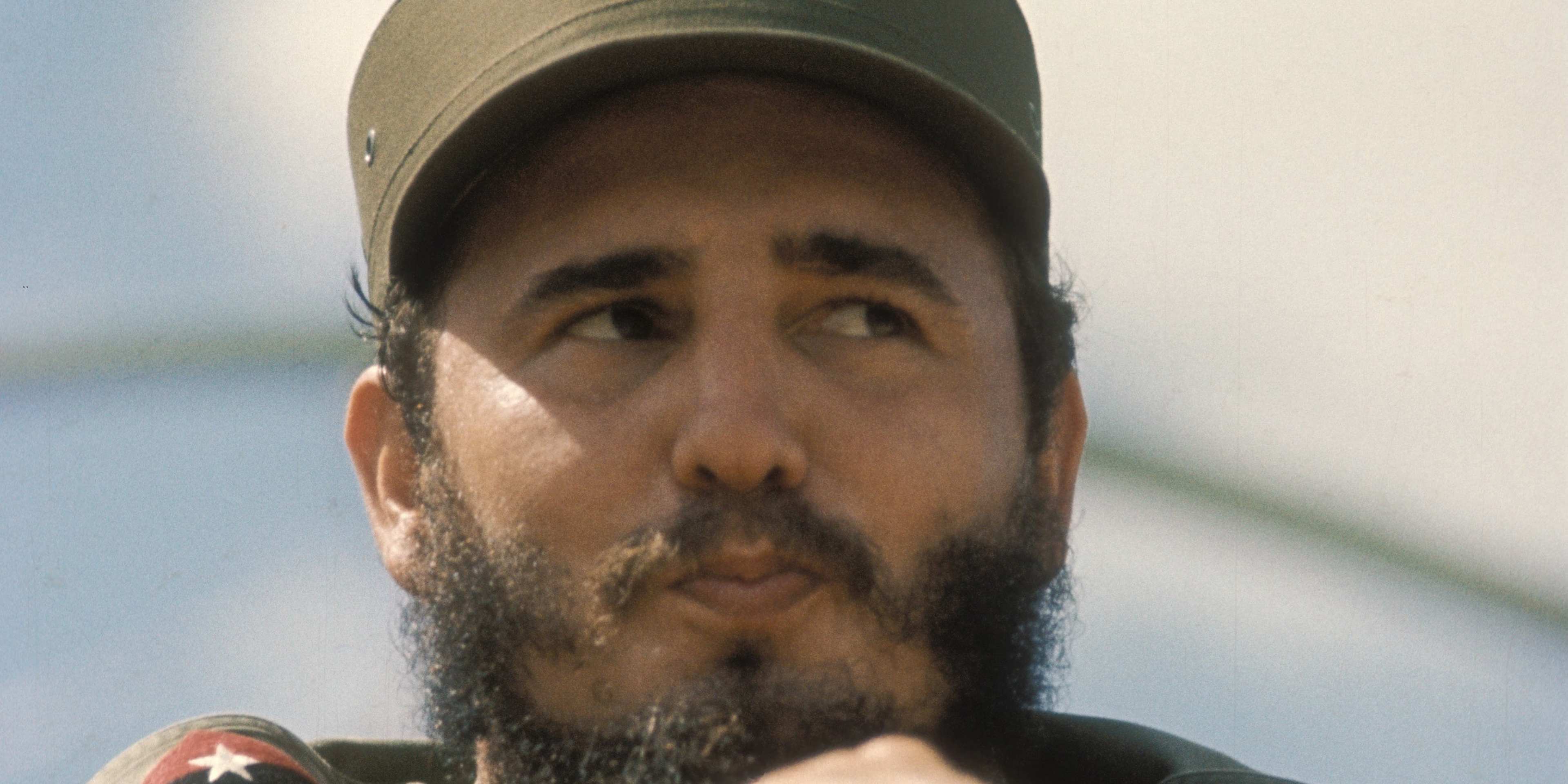
Luiz Inácio Lula da Silva legally added his nickname to his full name in 1982, cementing an identity that would become synonymous with Brazilian politics. He has nine fingers, having lost his left little finger in a factory accident during his early years as a worker. A longtime friend of Fidel Castro, he hosted the Cuban leader during a visit in 2003. The 2009 biographical film Lula, Son of Brazil was the most expensive Brazilian film ever made at the time but flopped critically and commercially. He was ranked the 18th most important person in the world by Newsweek in 2008. He did not meet his father until age five. Despite being the first Brazilian president without a university degree, he created more public universities than any predecessor. Beyond these facts, his legacy is built on verified historical resilience. The story of his rise from a skilled metalworker with no formal schooling to the presidency serves as a foundational myth for his political identity, emphasizing his unpolished roots. Following a period of imprisonment and a later overturned sentence, his return to win the 2022 presidential election is often referenced as a dramatic comeback. Recently, news items from August 2026 confirm he launched a bid for a fourth term, facing off against Flávio Bolsonaro amidst concerns over foreign interference, marking the current chapter of his public life.
Notable Quotes
“I never imagined that a poor boy like me, from the northeast, could become president of Brazil.”
“I'm not a saint, but I'm not the devil they're trying to paint me as.”
“Bolsa Família is not a gift; it's a right.”
Family & Personal Life
Lula's mother, Eurídice Ferreira de Melo (dona Lindu), was a profound influence on his life. His father, Aristides Inácio da Silva, was largely absent. Lula has four surviving siblings. He has five children: Lurian (with Miriam Cordeiro), Luís Cláudio, Sandro, and Fábio (with Marisa Letícia), and Marcos (Marisa's son from a previous marriage, whom Lula adopted). His first wife, Maria de Lourdes, died of hepatitis in 1971 while pregnant. His second wife, Marisa Letícia, died of a stroke in 2017. In 2022, he married Rosângela Janja da Silva, a sociologist and PT member. Lula lives modestly in São Bernardo do Campo.
Notable Connections
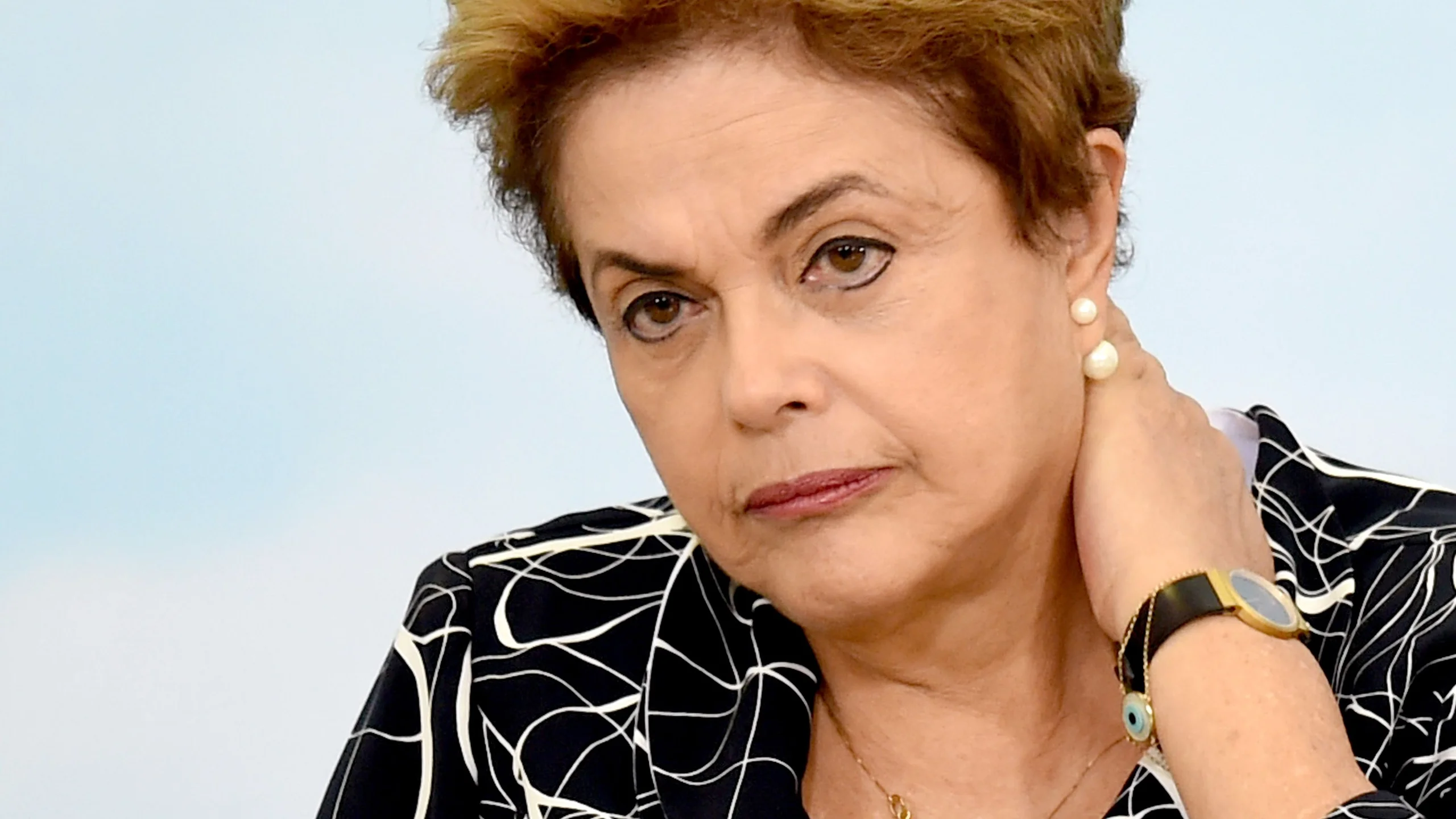
Lula has close ties to Fidel Castro, who backed his presidential runs. He mentored Dilma Rousseff, his successor as president. His main political opponent is Jair Bolsonaro, whom he defeated in 2022. Former judge Sérgio Moro convicted Lula and later served as Bolsonaro's justice minister. His late wife Marisa Letícia was a key political partner. His current wife Janja da Silva is an active First Lady.
Relationships & Dating History
Lula's first marriage was to Maria de Lourdes in 1969; she died of hepatitis in 1971 while pregnant, along with the child. Around 1973, he had a relationship with Miriam Cordeiro, with whom he had a daughter, Lurian, in 1974. In 1974, he married Marisa Letícia Rocco Casa, a widow with a son, Marcos, whom Lula adopted. Together they had three sons: Luís Cláudio, Sandro, and Fábio. Marisa died of a stroke on February 3, 2017. In 2022, Lula married Rosângela Janja da Silva, a sociologist and PT member he met during his imprisonment. As of 2026, they remain married with no children together.
- MarriedMaria de Lourdes Lula da Silva1969 - 1971She died of hepatitis in her eighth month of pregnancy, along with the child.
- DatedMiriam Cordeiro1973 - 1974Had a daughter, Lurian Cordeiro, born 1974. Lula did not marry her.
- MarriedMarisa Letícia Lula da Silva1974 - 2017She had a son, Marcos, from a previous marriage, whom Lula adopted. Together they had three sons. She died of a stroke.
- MarriedRosângela Lula da Silva2022 - presentCurrentA sociologist and PT member, they married in a civil ceremony in São Paulo. She serves as First Lady.
Salary, Net Worth In 2026
$500 Thousand
iFANN Editorial Team estimate
As of 2026, iFANN currently estimates Luiz Inácio Lula da Silva's net worth at $500 Thousand. This figure reflects his modest lifestyle relative to other world leaders. His primary assets include a house in São Bernardo do Campo and personal savings. His wealth sources include his presidential salary (about R$30,000 per month) and a pension. Lula has no major business ventures or endorsement deals. During his 2022 campaign, he declared assets of approximately R$1.6 million (roughly $310,000 at the time). His net worth has remained stable, as he has not engaged in lucrative post-presidency activities common among other former heads of state.
Awards Won (3)
Lula has won several international awards for his contributions to peace and social justice. He received the UNESCO Félix Houphouët-Boigny Peace Prize in 2009, the Chatham House Prize in 2009, and the Global Statesman Award from the World Economic Forum in 2010.
2009 · Peace
Contributions to peace and social justice
2009 · International Relations
Most significant contribution to improving international relations
Known For
President of Brazil
2003–2011, 2023–present · Head of State
Founder of Workers' Party (PT)
1980 · Co-founder
Bolsa Família
2003 · Creator
Keywords
Sources
Quick Facts
- Profession
- Politician, trade unionist, former metalworker
- Born
- October 27, 1945
- Birthplace
- Caetés, Pernambuco, Brazil
- Gender
- Male
- Spouse
- Rosângela Lula da Silva (m. 2022)
- Birth Sign
- Scorpio
Personal Details
- Full Name
- Luiz Inácio da Silva
- Height
- 5 ft 6 in (168 cm)
- Spouse
- Maria de Lurdes da Silva (m. 1969–1971), Marisa Letícia Lula da Silva (m. 1974–2017), Rosângela Lula da Silva (m. 2022–present)
- Children
- 5 (Lurian Cordeiro, Luís Cláudio Lula da Silva, Sandro Lula da Silva, Fábio Lula da Silva, Marcos Lula da Silva (adopted))
- Education
- SENAI mechanical lathe operator course (three years); no university degree
Frequently Asked Questions
How old is Lula?
Is Lula married?
What is Lula's net worth?
How many children does Lula have?
Why was Lula in prison?

Join the community
fans discussing