 Germany
About
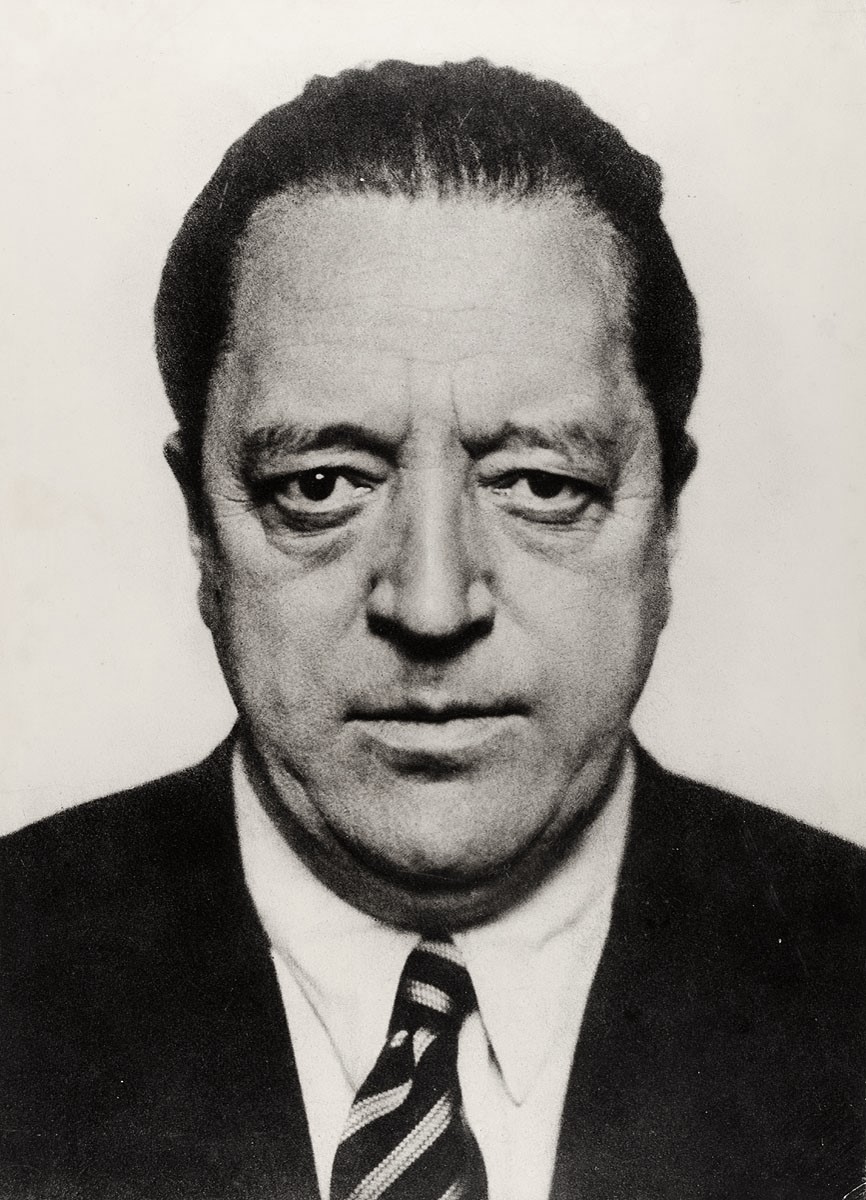
Ludwig Mies van der Rohe, born Maria Ludwig Michael Mies on March 27, 1886, in Aachen, Germany, was a pioneering architect and designer who reshaped the built environment of the 20th century. Known simply as Mies, he rejected the ornate styles of the past in favor of clean lines, open spaces, and honest use of materials like steel and glass. His famous aphorisms "less is more" and "God is in the details" captured his philosophy and still echo in architecture schools today. Mies began his career in Berlin, working under Bruno Paul and later Peter Behrens, where he absorbed the principles of the Arts and Crafts movement and early modernism. After serving in World War I, he made his mark with projects like the German Pavilion at the 1929 Barcelona International Exposition, now known as the Barcelona Pavilion, and the elegant Villa Tugendhat in the Czech Republic. In the 1930s, he became the last director of the Bauhaus, the groundbreaking school of art and design, steering it through its final turbulent years before the Nazis forced its closure. With the rise of Nazism, Mies emigrated to the United States in 1937, accepting a position to head the architecture school at what is now the Illinois Institute of Technology in Chicago. There, he designed the campus master plan and numerous buildings, including Crown Hall, considered a masterpiece of modern architecture. His American career also produced iconic towers like the Seagram Building in New York, which he designed with Philip Johnson, and the sleek Lake Shore Drive apartments in Chicago. These works solidified his reputation as a giant of modernism, influencing countless architects worldwide. Mies died on August 17, 1969, in Chicago, leaving behind a legacy that includes not just buildings but a way of thinking about space and design. His impact on architecture remains profound, and his principles continue to guide designers today.
Fame & Fandom
Ludwig Mies van der Rohe commands a reverence distinct from the chaotic adoration reserved for pop culture icons. His following consists not of crowds gathering at concerts or organizing fan campaigns, but of architectural professionals, students, and historians who preserve his legacy through academic study and the protection of his built works. No formal moniker identifies this group; they operate within institutions like the Mies van der Rohe Society and the Fundació Mies van der Rohe rather than through social media rallies or branded fandoms. The legends surrounding him are rooted in professional milestones rather than viral incidents, with the origin of his mantra "Less is More" standing as the most widely retold story of his career. While he never faced fainting fans or street-closing mobs, his influence remains profound through the enduring popularity of structures like the Farnsworth House and the Seagram Building, which continue to define mid-century design discourse. This quiet but persistent global attention is quantified by the iFANN Global Fame Rankings, which track such sustained cultural relevance across media coverage, search trends, and consumption signals worldwide. In the August 2026 cycle, Ludwig Mies van der Rohe holds a confirmed placement as the 66th most famous person in Art & Design, a position holding steady from the previous cycle. He is recognized as the 66th most famous person in Art & Design within the iFANN framework, reflecting his status as a foundational figure whose work continues to shape the built environment decades after his death.
Interesting Facts and Legends
Born Maria Ludwig Michael Mies in Aachen, Germany, in 1886, the architect eventually adopted the name Ludwig Mies van der Rohe. He served in World War I before establishing his reputation in Berlin under Peter Behrens. His tenure as the third and final director of the Bauhaus school ended in 1933 due to political pressure from the Nazi regime, prompting his emigration to the United States. A widely told story regarding his philosophy involves the origin of the phrase "Less is More," which became the gold standard for minimalist design by stripping away ornamentation to reveal essential structure. Another legendary chapter concerns his leadership at the Illinois Institute of Technology, where he reorganized the curriculum and designed the campus itself. His designs, such as the Barcelona Chair produced by Knoll, remain subjects of scholarly research and commercial production. Recent events include the completion of posthumous buildings and exhibitions celebrating his geometric purity, ensuring his legacy remains active in professional circles.
Death & Aftermath
Died
+1969-08-17 (aged 83)
Death Place
Unknown
Cause of Death
Unknown
Awards & Accolades
Keywords
Quick Facts
- Profession
- architect, designer, teacher
- Born
- +1886-03-27
- Birthplace
- Aachen
- Died
- +1969-08-17
- Death Place
- Chicago
- Gender
- Male
- Spouse
- Ada Mies
- Birth Sign
- Sagittarius
Personal Details
- Spouse
- Ada Mies
Join the community
fans discussing