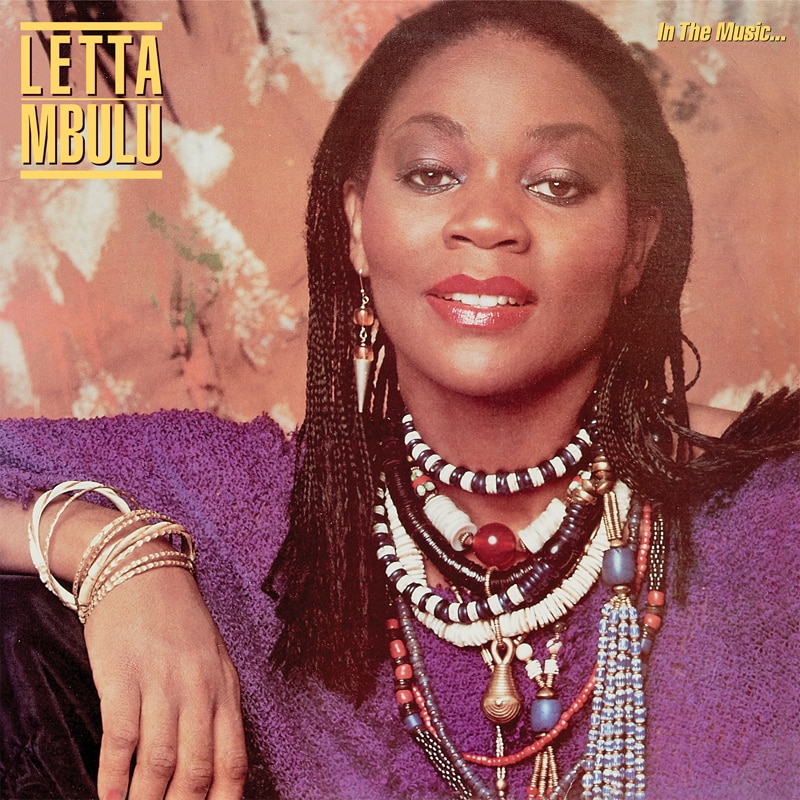
Letta Mbulu
 South Africa
singer•songwriter•jazz musician
Also known as: Letta Nomali Mbulu, Letta Mbulu Semenya
Birthday
September 24, 1942
Birth Sign
Libra
Birthplace
Soweto, South Africa
Age
83 years old
About
Letta Mbulu is a South African jazz singer and songwriter whose career has spanned more than six decades. Born in Soweto in 1942, she rose to international prominence during the apartheid era, becoming one of the most distinctive voices in African music. Her work blends traditional Xhosa rhythms with jazz, soul, and folk influences, creating a sound that is both deeply rooted and universally resonant.
Mbulu is often described as "the voice of freedom" for her role in carrying South African music to the world stage while in exile. She has released numerous albums, including the acclaimed Nomali (2025), her first in over fifteen years, and continues to perform and record. In 2025, she received an honorary doctorate from Nelson Mandela University in recognition of her contributions to music and culture.
Her music has inspired generations of listeners and artists, and she remains an active and beloved figure in the global music community.
Early Life & Background
Letta Mbulu was born on 24 September 1942 in Soweto, a township outside Johannesburg that was a hub of creativity and resistance during apartheid. She grew up in a household where music was a constant presence, and she absorbed the traditional sounds of her Xhosa heritage alongside the popular jazz and marabi that filled the streets.
As a young girl, she sang in church choirs and at local gatherings, quickly earning a reputation for her powerful voice. The oppressive realities of apartheid shaped her worldview, and music became both an escape and a form of resistance. By her late teens, she was performing with local bands, and her talent caught the attention of established musicians who encouraged her to pursue a professional career.
In the early 1960s, Mbulu made the difficult decision to leave South Africa, joining the wave of artists who went into exile to escape censorship and persecution. She settled in the United States, where she began to build a new life, performing in clubs and collaborating with fellow exiles like Miriam Makeba and Hugh Masekela. Her early experiences in Soweto and her journey into exile would profoundly shape her music and her identity as an artist.
Career Growth
Letta Mbulu's breakthrough came in the 1960s when she began performing internationally, bringing South African jazz to audiences in the United States and Europe. Her 1970 collaboration with Hugh Masekela on "Mahlalela (Lazy Bones)" became a defining moment, showcasing her ability to fuse traditional melodies with contemporary jazz.
Throughout the 1970s and 1980s, she released a string of albums, including Letta Mbulu Sings and Not Yet!, and collaborated with artists such as Quincy Jones and Cannonball Adderley. Her music often carried messages of freedom and social justice, resonating with anti-apartheid movements worldwide.
In 1996, she released In The Music The Village Never Ends, an album that celebrated her roots. After a long hiatus, she returned in 2025 with Nomali, a critically acclaimed work that reaffirmed her place in contemporary music. As of 2026, she enjoys a steady streaming presence with over 250,000 monthly listeners on Spotify, and she continues to perform at major events and festivals.
Career Timeline
Public Image & Style
Letta Mbulu is regarded as a national treasure in South Africa, often referred to as "the voice of freedom." Her public image is that of a dignified, powerful artist who has used her voice to speak against oppression and celebrate African heritage. She is known for her warm, soulful delivery and her elegant stage presence.
Fans admire her for her authenticity and her commitment to her roots. She has inspired a new generation of South African artists, including singer Berita, who expressed honour at performing where Mbulu once stood. Mbulu's social media presence, including her Instagram and YouTube channels, offers a window into her ongoing creative life, and she engages with fans through her music and personal reflections.
Fame & Fandom
Letta Mbulu commands a global audience defined by deep historical reverence rather than fleeting viral trends, serving as a primary reference point for South African jazz and the cultural memory of the anti-apartheid struggle. Her international profile remains stable and significant among music historians and enthusiasts, though she does not currently hold a placement within the iFANN Global Top 1,000 or any scope-specific top-100 lists. The iFANN evaluation confirms that while her influence is profound, she is currently evaluated as unranked in the published global fame hierarchy. This status reflects a career built on artistic integrity and political significance rather than mass-market chart dominance. Her fanbase consists primarily of jazz aficionados, cultural scholars, and the broader South African public who view her as a national treasure. There is no documented formal name for this collective group; unlike modern pop phenomena, her supporters do not operate under a specific branded identity or organized campaign structure. Instead, admiration manifests through attendance at live performances, preservation of her recordings, and participation in events honoring her legacy. The absence of a named fandom underscores the nature of her appeal: it is rooted in respect for her contribution to history and her role as a living archive of South African sound. While she lacks the digital mobilization typical of contemporary stars, her presence ensures her work remains accessible and revered across generations.
Interesting Facts and Legends
Letta Mbulu belongs to the Xhosa tribe, and her musical compositions frequently integrate traditional Xhosa chants and rhythms. She raised her children in exile with a strict policy regarding language, once joking that if she ever heard them speaking English, she would kill them. Her recording of "Nomalizo" stands as one of her most popular works and was featured on the soundtrack for the film The Color Purple. Mbulu is often compared to Miriam Makeba and Hugh Masekela as part of the generation of artists who brought South African music to the world during the apartheid era. In June 2026, she publicly warned that artificial intelligence must not come at the expense of artists, highlighting her ongoing concern for creative rights. A central narrative in her life story involves her forced exile following her participation in the groundbreaking musical King Kong in the 1960s. This period abroad, joining a lineage of exiled artists, defines much of her biography before her triumphant return to a free South Africa. Her legendary status was further cemented when she received the South African Music Award for Lifetime Achievement, formally recognizing her contributions to the nation's cultural history. More recently, Nelson Mandela University honored her, drawing attention to her role as a symbol of the struggle for freedom.
Notable Quotes
“When I'm sleeping, there's a song in my head I really want to bring out.”
“If I ever hear you speaking English, know that I'll kill you.”
“AI must not come at the expense of artists.”
Family & Personal Life
Letta Mbulu is married to Caiphus Semenya, a fellow South African musician and composer. The couple met in the 1960s and have been together for over five decades. During their years in exile, they raised their children together, and Mbulu has spoken about the importance of preserving South African languages and culture in their home. She and Semenya insisted that their children speak their native languages, even while living abroad. The couple currently resides in South Africa, where they remain active in the music community.
Notable Connections
Relationships & Dating History
Letta Mbulu has been married to Caiphus Semenya, a fellow South African musician and composer, for over five decades. The couple met in the 1960s and married, raising their children together during their years in exile. They have maintained a strong and enduring partnership, both personally and professionally, often collaborating on musical projects. There is no public record of any prior significant relationships. As of 2026, Mbulu remains married to Semenya, and they continue to share a life and career in South Africa.
- MarriedCaiphus Semenya1965 - presentCurrentLong-standing marriage; they raised their children together while in exile.
Salary, Net Worth In 2026
$2 Million
iFANN Editorial Team estimate
iFANN currently estimates Letta Mbulu's net worth at $2 Million as of 2026, based on an editorial analysis of her financial trajectory. This figure reflects the sustained earnings generated by a six-decade career in music, encompassing album sales, royalties from an extensive catalog, and income derived from live performances. Her 2025 release Nomali contributed significantly to her recent revenue streams. Mbulu maintains a strong presence on streaming platforms; her Spotify account alone attracts over 250,000 monthly listeners, generating consistent royalty income. Contributions to film soundtracks, including The Color Purple, provide ongoing residuals that bolster her financial standing. While she has received honors and awards that may carry monetary value, her primary wealth source remains her music. Her net worth has grown steadily over the years, supported by her continued relevance and the enduring popularity of her classic recordings. Although she may not be among the wealthiest musicians globally, her financial position demonstrates a successful and sustainable career.
Awards Won (2)
Letta Mbulu has received several prestigious awards, including a South African Music Award (SAMA) for Lifetime Achievement and an honorary doctorate in Music from Nelson Mandela University in 2025, in recognition of her contributions to music and culture.
2000 · Lifetime Achievement
2025 · Honorary
Known For
Nomali
2025 · Album
In The Music The Village Never Ends
1996 · Album
Mahlalela (Lazy Bones)
1970 · Single with Hugh Masekela
The Color Purple (soundtrack)
1985 · Performer
Keywords
Sources
Quick Facts
- Profession
- singer, songwriter, jazz musician
- Born
- September 24, 1942
- Birthplace
- Soweto, South Africa
- Gender
- Female
- Spouse
- Caiphus Semenya
- Birth Sign
- Libra
- Nationality
- South African
Personal Details
- Full Name
- Letta Nomali Mbulu
- Spouse
- Caiphus Semenya
Frequently Asked Questions
How old is Letta Mbulu?
Who is Letta Mbulu married to?
What is Letta Mbulu's most famous song?
Is Letta Mbulu still performing?
What is Letta Mbulu's net worth?
Social Media
Join the community
fans discussing