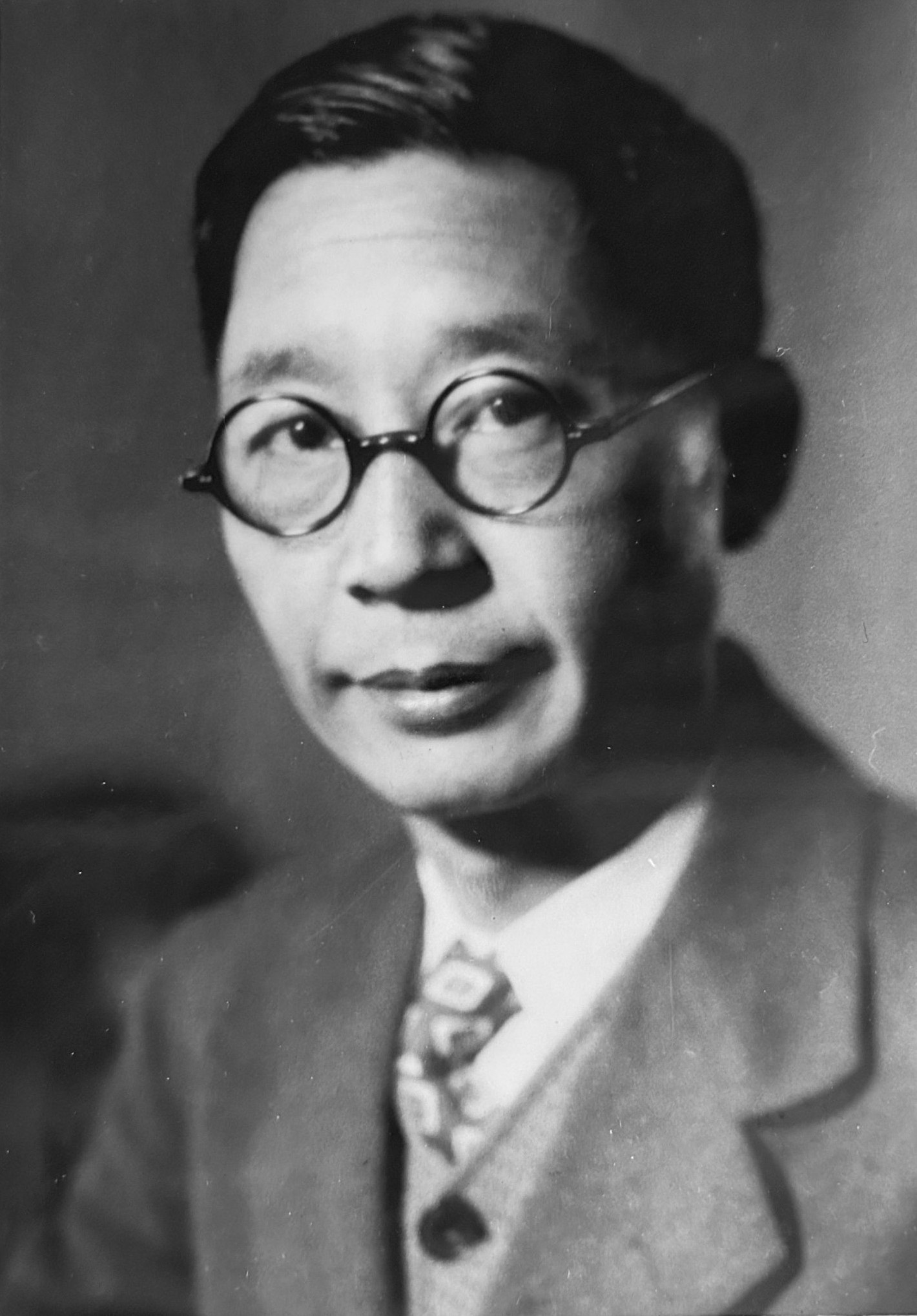
Lao She
 China
Chinawriter•university teacher•playwright
Also known as: Shu Qingchun, Shu Sheyu
Birthday
February 3, 1899
Birth Sign
Aquarius
Birthplace
Beijing, China
Age
Died at 67
About
Lao She was a Chinese novelist and playwright, widely regarded as one of the most important literary voices of 20th-century China. Born Shu Qingchun in Beijing in 1899, he became known for his vivid portrayals of ordinary urban life, rendered in the rhythms of the Beijing dialect. His novel Rickshaw Boy and his play Teahouse are considered masterpieces, studied in schools and staged on theaters worldwide.
Over a career that spanned teaching, writing, and cultural leadership, Lao She published more than a dozen novels, dozens of plays, and countless essays and short stories. He held teaching posts at Qilu University and Shandong University, and served as vice-chairman of the All-China Resistance Association of Writers and Artists during the war against Japan. His work earned him the title of People's Artist in 1951.
Lao She died on August 24, 1966, during the Cultural Revolution, after being persecuted by Red Guards. His death remains a subject of dispute, with his son Shu Yi questioning the official suicide account. He was posthumously rehabilitated in 1978, and his legacy lives on through his enduring works and the Lao She Memorial Museum in Beijing.
Early Life & Background
Lao She was born into a Manchu family of the Zhenglan Banner in Beijing's Xicheng District. His father, Shu Yongshou, was a low-ranking imperial guard who died in battle during the Boxer Rebellion in 1900, when Lao She was just a year old. His mother, a seamstress, raised him and his siblings in a cramped courtyard house, often struggling to make ends meet.
Despite the poverty, a charitable patron named Liu Shoumian recognized his academic potential and funded his education. Lao She attended a private school before enrolling at the Beijing Normal School, from which he graduated in 1918. He then worked as a primary school teacher, a district education officer, and a teacher at Nankai Middle School in Tianjin.
In 1922, he was baptized as a Christian at the Gangwashi Church in Beijing, a step that would subtly influence some of his early writings. Two years later, in 1924, he traveled to England to teach Chinese at the School of Oriental Studies at the University of London. It was during his five years in London that he began writing novels, starting with The Philosophy of Lao Zhang in 1926 and Zhao Ziyue in 1927. His breakthrough work, Rickshaw Boy, took shape in London, drawing on memories of Beijing's rickshaw pullers.
Career Growth
Returning to China in 1930, Lao She taught at Qilu University in Jinan and later at Shandong University in Qingdao. In 1936, he published Rickshaw Boy, the story of a struggling rickshaw puller named Xiangzi. The novel was an immediate success, cementing his reputation and later being adapted into several films, including a notable 1982 Chinese production.
During the Second Sino-Japanese War, he moved to the wartime capital of Chongqing, where he served as vice-chairman of the All-China Resistance Association of Writers and Artists. He wrote plays supporting the resistance, and began the multi-volume novel Four Generations in One House, which he completed during his time in the United States in the late 1940s.
After the Communist victory in 1949, Lao She returned to China and took on official cultural roles. In 1950, he wrote Dragon Beard Ditch, a play about the renovation of a Beijing slum, which earned official praise and the title of People's Artist. His theatrical masterpiece, Teahouse, premiered in 1958 at the Beijing People's Art Theatre. The play, set in a single teahouse across three acts covering 1898 to 1948, is now considered the most famous modern Chinese play.
Career Timeline
Public Image & Style
Lao She is remembered as a "People's Artist" who captured the authentic voice of Beijing's working class. His signature use of the Beijing dialect lends warmth and authenticity to his depictions of urban life. In China, his works are part of the national curriculum, and Teahouse remains a staple of the Beijing People's Art Theatre repertoire. His former home in Beijing has become a pilgrimage site for literary enthusiasts. Fans and scholars alike admire his ability to blend humor with social critique, and his stories continue to resonate with audiences for their timeless themes of struggle and resilience.
Fame & Fandom (iFAMOUS Rankings)
Lao She commands a global audience defined by academic study and theatrical reverence rather than the frenetic energy of modern pop culture. His legacy spans over a century, with works like Rickshaw Boy and Teahouse remaining staples in Chinese education and international theaters. Despite this enduring influence, iFANN's Global Fame Engine has evaluated this person, but they do not currently hold a placement in the published rankings (Global Top 1,000 or a Top-100 scope list). The evaluation confirms that while his literary footprint is massive, he does not register as a ranked entity in contemporary fame metrics. Consequently, no formal fandom name exists for Lao She. Engagement with his life and work comes from scholars, students, and theatergoers who approach his texts with critical appreciation rather than the organized devotion seen in celebrity circles. There are no fan clubs, social media campaigns, or collective monikers identifying his supporters. The absence of a named fanbase reflects the nature of his status: a historical figure whose impact is preserved through institutions and curricula rather than mobilized public enthusiasm.
Interesting Facts and Legends
Lao She's pen name derives from the last character of his courtesy name, Sheyu, with "Lao" meaning "old" and "She" meaning "house" or "to give up." He was one of the first Chinese writers to live and work in England, and his time in London (1924–1929) was pivotal to his development as a novelist. Cat Country (1932) is often cited as China's first science-fiction novel, a satirical allegory about a society of selfish, narcissistic cat-people. He was baptized as a Christian in 1922, and elements of Christian thought appear in some of his early works, though scholars debate the depth of his religious commitment. Lao She wrote seven novels before Rickshaw Boy, which was his eighth. He also served as a professor at multiple universities, including Qilu University and Shandong University. A defining moment in his legend is his tragic death on August 24, 1966. At age 67, he drowned himself in Dinghailing Lake in Beijing during the Cultural Revolution after facing severe persecution by Red Guards. This event transformed him from a celebrated writer into a martyr for intellectual freedom. Another iconic element is the play Teahouse, which remains the most famous modern play in China, depicting societal decline through a single Beijing teahouse over fifty years.
Notable Quotes
“I write about the lives of the poor, not the rich.”
“My writing is rooted in the soil of Beijing.”
Family & Personal Life
Lao She married Hu Xieqing, a painter and calligrapher, in 1931. The couple had three children: a daughter, Shu Ji, who became a writer and translator, and two sons, Shu Yi, a professor of German literature who later directed the Lao She Memorial Museum, and Shu Yu. During the war years, the family was separated for long periods, with Hu Xieqing remaining in Beijing with the children while Lao She was in Chongqing. The family lived in a courtyard house in Beijing's Xicheng District, which is now the Lao She Memorial Museum. Hu Xieqing survived her husband, passing away in 2001.
Notable Connections
Lao She's wife, Hu Xieqing, was a painter and calligrapher who supported his work. His son, Shu Yi, became a professor of German literature and directed the Lao She Memorial Museum. His daughter, Shu Ji, was a writer and translator. Liu Shoumian was the patron who funded his early education. The Beijing People's Art Theatre premiered Teahouse and continues to stage his plays.
Relationships & Dating History
Lao She married Hu Xieqing in 1931. Hu was a painter and calligrapher, and the couple had three children together. During the war years, they were separated for long periods, with Hu remaining in Beijing while Lao She was in Chongqing. Their marriage lasted until his death in 1966. There is no evidence of any other romantic relationships. Hu Xieqing survived him and died in 2001. As of 2026, Lao She is deceased, and his marriage to Hu Xieqing ended with his passing.
- MarriedHu Xieqing1931 - 1966Married in 1931, they had three children and remained together until his death in 1966.
Death & Aftermath
Died
August 24, 1966 (aged 67)
Death Place
Beijing, China
Cause of Death
Drowning (circumstances unconfirmed)
The official record confirms that on August 24, 1966, the body of writer and playwright Lao She was discovered floating in a lake just beyond the old city walls of Beijing. He was sixty-seven years old at the time of his death. While initial accounts described the event as a mystery, the discovery of his body implied drowning under circumstances that remain disputed and unconfirmed by any formal inquest or police investigation.
Decades later, he continues to haunt the cultural memory of Beijing, revered for his vivid portrayals of ordinary urban life even though the specifics of his final moments and the handling of his estate remain obscure. His enduring legacy persists through the continued study and performance of works like Rickshaw Boy and Teahouse, which cemented his status as a defining voice of twentieth-century Chinese literature.
Net Worth (Estate Value)
$10 Million
iFANN Editorial Team estimate
As a literary figure who died in 1966, Lao She's estate is managed by his heirs, primarily his children, and the Chinese literary establishment. The estate's value is not publicly documented, but it generates revenue from several sources. Royalties from the continued publication and reissue of his works, including Penguin China's 2013 reissue of Cat Country, contribute steady income. Theatrical licensing for Teahouse, which remains a regular production at the Beijing People's Art Theatre and other companies worldwide, is another significant stream. Film and television adaptation rights have also been lucrative, with his works adapted into numerous Chinese films and series. The Lao She Memorial Museum in Beijing, which draws tourists, adds to the estate's earnings. Per iFANN's editorial analysis, estimates for the estate's net worth in 2026 are around $10 Million, reflecting the enduring commercial appeal of his work.
Awards Won (1)
Lao She received the title of People's Artist from the Beijing Municipal Government in 1951 for his play Dragon Beard Ditch. After his death, he was posthumously rehabilitated by the Chinese government in 1978, and the Lao She Literary Prize was established in his honor in 1999.
1951 · Literary
Dragon Beard Ditch
Known For
Rickshaw Boy
1936 · Author
Teahouse
1957 · Playwright
Cat Country
1932 · Author
Four Generations in One House
1940 · Author
Keywords
Sources
Quick Facts
- Profession
- writer, university teacher, playwright
- Born
- +1899-02-03
- Birthplace
- Beijing
- Died
- +1966-08-24
- Death Place
- Taiping Lake
- Gender
- Male
- Spouse
- Hu Xieqing
- Birth Sign
- Aquarius
- Nationality
- Chinese
Personal Details
- Full Name
- Shu Qingchun
- Spouse
- Hu Xieqing
- Children
- Shu Ji, Shu Yi, Shu Yu
- Education
- Beijing Normal School
Frequently Asked Questions
How did Lao She die?
What is Lao She famous for?
How many children did Lao She have?
Was Lao She a Christian?
What is the Lao She Memorial Museum?
Similar People
Join the community
fans discussing