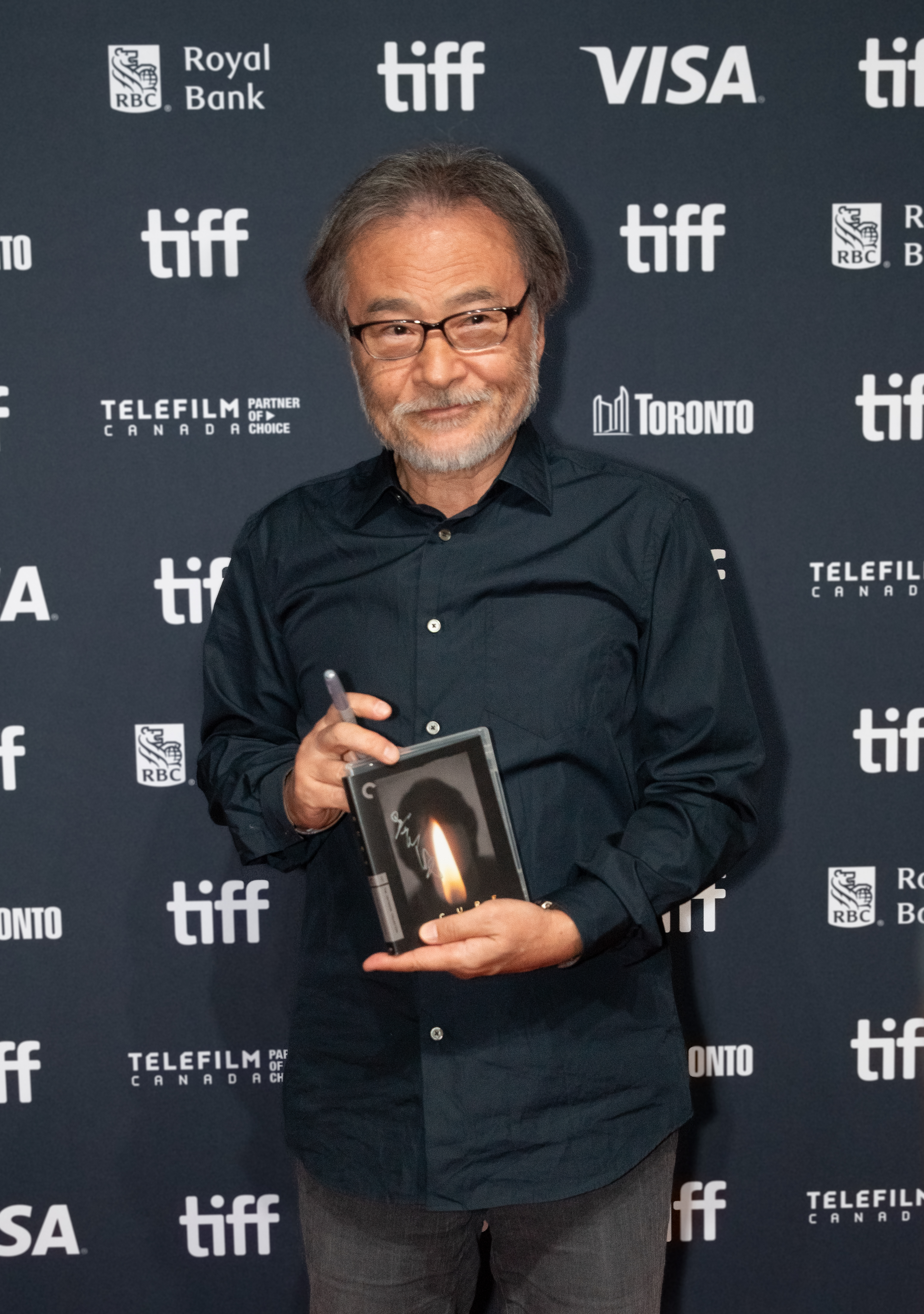
Kiyoshi Kurosawa
 Japan
Japanfilm director•screenwriter•film critic•author•professor
Birthday
July 19, 1955
Birth Sign
Cancer
Birthplace
Kobe, Japan
Age
71 years old
About
Kiyoshi Kurosawa is a Japanese filmmaker, screenwriter, film critic, author, and professor. Born July 19, 1955, in Kobe, he is widely regarded as one of the most important figures in modern Japanese cinema, particularly for his contributions to psychological horror. The New York Times once described him as "to psychological fright what David Cronenberg is to body horror." His films, including Cure (1997), Pulse (2001), and Tokyo Sonata (2008), are celebrated for their atmospheric tension, ambiguous narratives, and deep character exploration. As of 2026, Kurosawa remains active, with his latest film, The Samurai and the Prisoner, recently released.
Beyond directing, Kurosawa spent eighteen years as a professor at Tokyo University of the Arts (2005–2023), shaping a new generation of Japanese directors. He received the Medal with Purple Ribbon from the Japanese government in 2021 for his contributions to cinema. Though not a mainstream celebrity, his work commands a dedicated following among cinephiles and film scholars worldwide.
Early Life & Background
Kiyoshi Kurosawa was born in Kobe, a city he later noted was among the first in Japan to be heavily influenced by Western culture, with many Western-style masonry homes. This unique architectural environment later informed his filmmaking, particularly when he shot Wife of a Spy (2020) in Kobe specifically for its period architecture.
He began making short films about his own life while still in high school. He went on to study at Rikkyo University (also known as Saint Paul's University) in Tokyo under the mentorship of prominent film critic Shigehiko Hasumi, where he began making 8mm films. In 1981, his 8mm film Shigarami Gakuen was nominated for an award at the Pia Film Festival.
Kurosawa started directing professionally in the 1980s, working in low-budget genres. His debut feature was the pink film Kandagawa Pervert Wars (1983). He spent much of the decade making direct-to-video (V-Cinema) productions, including formulaic yakuza films. His talent was noticed by commercially successful director Juzo Itami, who appeared in one of his early films. A significant setback occurred after a legal dispute over the film Sweet Home (1989), after which Kurosawa was effectively blackballed from the mainstream industry. He pivoted to teaching and directing low-budget V-Cinema titles, gradually rebuilding his career. His comeback began with the low-budget slasher The Guard from Underground (1992), which showcased his unique style, including a murderous sumo wrestler villain. In the early 1990s, he won a scholarship to the Sundance Institute and studied filmmaking in the United States.
Career Growth
Kurosawa achieved international acclaim with the psychological crime thriller Cure (1997), which helped define the late-1990s Japanese horror boom. Following Cure, he directed two crime films, Serpent's Path and Eyes of the Spider (1998), which start from an identical premise but evolve into very different stories. In 1999, he directed Charisma, which won Best Film at the Japanese Professional Movie Awards in 2001.
In 2001, he released Pulse, a landmark horror film about ghosts transmitted through the internet, which became one of his most famous works. He continued with Bright Future (2002) and Tokyo Sonata (2008), a domestic drama that was a major critical success. In 2016, he returned to horror with Creepy. He also directed the science-fiction films Before We Vanish (2017) and To the Ends of the Earth (2019).
In 2020, he directed Wife of a Spy, a period drama shot in his hometown of Kobe. He made two films in French: Daguerrotype (2016) and Serpent's Path (2024). In 2024, he released Chime and Cloud, as well as a French-language remake of his own film Serpent's Path. His newest film, The Samurai and the Prisoner, is a jidaigeki (period drama) based on a novel by Honobu Yonezawa, marking another reinvention of his style.
Career Timeline
Public Image & Style
Kurosawa's public image is that of a serious, intellectual auteur. Media portray him as a master of psychological horror and a deep, philosophical filmmaker. His signature style involves long takes, atmospheric dread, and ambiguous, open-ended narratives that explore existential themes. There is no official fandom name, and his fan culture is centered on film festivals, academic study, and cinephile communities that deeply analyze his work. He is not a mainstream celebrity figure and does not engage in public-facing social media.
Fame & Fandom (iFAMOUS Rankings)
Kiyoshi Kurosawa stands as a towering figure in global cinema, yet the iFANN Global Fame Engine has evaluated his current standing and determined he does not hold a placement in the published rankings for the Global Top 1,000 or any Top-100 scope list. This absence from the chart reflects the specific nature of his renown: he commands deep reverence within arthouse circles and international film festivals rather than the mass-market saturation required for a numerical rank. His influence is measured in critical acclaim and academic study, with his work cited globally as defining modern psychological horror, but this specialized status keeps him outside the broad statistical metrics that generate a ranked position.
While there is no formal fandom name to unite his supporters under a single banner, the community surrounding Kurosawa is vibrant and deeply engaged through alternative channels. Unlike pop idols who rely on organized campaigns or birthday billboards, Kurosawa's audience consists primarily of cinephiles, critics, and horror enthusiasts who gather at venues like Cannes to discuss his evolution. The interaction is characterized by intellectual analysis rather than fan service; fans dissect the atmospheric dread of films like Pulse and the historical nuances of The Samurai and the Prisoner. There are no documented rituals, fan-funded projects, or viral moments of crowd disruption associated with his name. Instead, the loyalty of his followers manifests in the enduring discussion of his unique aesthetic and his transition from soft-core beginnings to prestigious historical epics. This dedicated, if unorganized, following ensures his legacy grows through word-of-mouth among those who seek out the enigmatic narratives that define his career.
Interesting Facts and Legends
Beyond his celebrated directing career, Kiyoshi Kurosawa maintains a fascinating professional history that often surprises newcomers. He is not related to the legendary Akira Kurosawa, despite sharing the famous surname. His early years were spent crafting pink films and low-budget V-Cinema yakuza movies before gaining international recognition. A notable piece of trivia involves his 1989 film Sweet Home, which directly inspired the Resident Evil video game franchise. His academic credentials are equally impressive, having served as a professor at Tokyo University of the Arts for eighteen years between 2005 and 2023. In recent years, he has expanded his linguistic reach by making two films in French: Daguerrotype (2016) and Serpent's Path (2024). He also secured a scholarship to the Sundance Institute in the early 1990s, a pivotal moment in his development as an auteur.
Among the legends that circulate within his circle, few stories match the cultural impact of his 2001 masterpiece Pulse (known as Kairo in Japan). Fans and critics frequently recount how the film's bleak, depressive outcome and unique visual aesthetics created a visceral sense of isolation that resonated deeply long after the credits rolled. While it did not cause street-level hysteria, the movie cultivated a reputation so strong that it remains a touchstone for discussions on digital-age horror. Another significant narrative in his lore involves his bold departure into historical drama with The Samurai and the Prisoner, released in 2026. This film marks a shift from his signature dark, visceral style to a subdued epic, drawing comparisons to Akira Kurosawa's own historical works while maintaining Kiyoshi's distinct philosophical voice.
Notable Quotes
“Indeed I was born in Kobe. I will say that among Japanese cities, Kobe is one where Western culture came quite early and quite strong. There were many homes built in the Western style with masonry, so that felt quite normal in terms of the architecture I grew up with.”
“I think the most important thing is to keep making films, even if they are small.”
Family & Personal Life
Very little is known about Kiyoshi Kurosawa's family. He was born in Kobe, Japan, but no public records detail his parents, siblings, or household. He is a notoriously private figure, and no credible public information exists about his immediate family. He has not shared details about his personal life in interviews, and his public persona is entirely focused on his work as a filmmaker and academic. As of 2026, there is no evidence of a spouse or children.
Notable Connections
Kurosawa's key collaborators include actor Koji Yakusho, who starred in Cure and Tokyo Sonata, and actor Shô Aikawa, known for the Suit Yourself or Shoot Yourself!! series. He was mentored by film critic Shigehiko Hasumi at Rikkyo University. Director Juzo Itami appeared in one of his early films and helped spot his talent. Producer Atsuyuki Shimoda and cinematographer Akiko Ashizawa have worked with him on multiple projects.
Relationships & Dating History
Public information about Kiyoshi Kurosawa's romantic life is extremely scarce. He is a notoriously private figure, and no credible public records exist detailing any romantic relationships, marriages, or children. None of the provided sources, including his Wikipedia biography, IMDb page, or interviews, mention any spouse, partner, or family members. His public persona is entirely focused on his work as a filmmaker and academic. As of 2026, his relationship status is unknown and not publicly documented.
Salary, Net Worth In 2026
No credible public estimate of Kiyoshi Kurosawa's net worth exists in the available sources. As a critically acclaimed but primarily arthouse filmmaker working in Japan, his financial details are not a matter of public record. His income would derive from directing fees, screenwriting, teaching salary, and royalties from his films and published books. Without specific figures from financial outlets or celebrity-net-worth trackers.
Awards Won (2)
Kiyoshi Kurosawa has received several notable awards and honours throughout his career. In 2001, his film Charisma won Best Film at the Japanese Professional Movie Awards. In 2021, he was awarded the Medal with Purple Ribbon by the Japanese government for his contributions to cinema. These honours reflect his significant impact on Japanese filmmaking.
2001 · Best Film
Charisma
2021 · National Honour
Lifetime Achievement
Known For
Cure
1997 · Director
Pulse
2001 · Director
Tokyo Sonata
2008 · Director
Creepy
2016 · Director
Keywords
Sources
Quick Facts
- Profession
- film director, screenwriter, film critic
- Born
- +1955-07-19
- Birthplace
- Kobe
- Gender
- Male
- Birth Sign
- Cancer
Personal Details
- Education
- Rikkyo University (Saint Paul's University), Tokyo
Frequently Asked Questions
Is Kiyoshi Kurosawa related to Akira Kurosawa?
What is Kiyoshi Kurosawa's most famous movie?
What is Kiyoshi Kurosawa's net worth?
How old is Kiyoshi Kurosawa?
What genre does Kiyoshi Kurosawa make?
Similar People
Join the community
fans discussing