
Takashi Miike
 Japan
film director•film producer•screenwriter
Also known as: 三池 崇史
Birthday
August 24, 1960
Birth Sign
Virgo
Birthplace
Yao, Osaka Prefecture, Japan
Age
66 years old
About
Takashi Miike is a Japanese filmmaker whose output spans over 100 films and television productions, making him one of the most prolific directors working today. Born in Yao, near Osaka, he has moved effortlessly across genres: yakuza thrillers, horror, musicals, children's films, and period dramas. His work is often marked by extreme violence and transgressive themes, but also by a restless formal experimentation that has earned him both cult adoration and critical respect.
Miike first gained international notice with Audition (1999), a psychological horror that remains his most famous film. He followed with Ichi the Killer (2001), banned in several countries, and later earned mainstream acclaim with 13 Assassins (2010) and Hara-Kiri: Death of a Samurai (2011), which competed at Cannes. His latest project, Bad Lieutenant: Tokyo, is set to premiere at the Toronto International Film Festival, with NEON distributing stateside. Fans know him as a fearless provocateur who never stays in one lane.
Early Life & Background
Takashi Miike grew up in Yao, a working-class town on the outskirts of Osaka. As a teenager, his main obsession was motorbikes, and he briefly considered a career as a bike mechanic or racer before a different path opened up. He enrolled at the Yokohama Broadcasting Film School, where he studied under Shōhei Imamura, the acclaimed director of The Ballad of Narayama. Under Imamura's wing, Miike worked as an assistant director, learning the craft on real sets.
In the early 1990s, Miike moved into the V-cinema world: direct-to-video films shot on tight budgets and even tighter schedules. He directed dozens of these low-budget genre pictures, including Shinjuku Outlaw (1994) and other yakuza and exploitation titles. This period taught him to shoot fast, improvise, and experiment with tone, skills that would define his later work. The freedom of V-cinema let him take risks that studio productions would never allow.
Career Growth
Miike's breakthrough came in 1999 with Audition, a slow-burn horror that ends in a notorious torture sequence. The same year he released Dead or Alive, the first of his stylized yakuza films. In 2001, Ichi the Killer pushed his reputation for provocation further; the manga adaptation was banned in several countries. Visitor Q, shot on digital video, premiered the same year.
Throughout the 2000s, Miike alternated between shocking genre fare and more mainstream projects. Sukiyaki Western Django (2007) paid homage to spaghetti westerns and earned a Golden Lion nomination at Venice. 13 Assassins (2010) was a samurai epic that brought him a Japan Academy Film Prize nomination for Director of the Year. Hara-Kiri: Death of a Samurai (2011) competed for the Palme d'Or at Cannes.
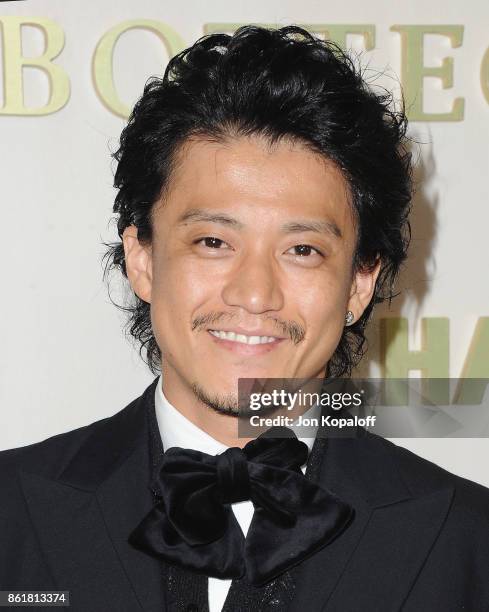
His most recent project, Bad Lieutenant: Tokyo, a neo-noir starring Shun Oguri and Lily James, will premiere at TIFF in 2026. In May 2026, K2 Pictures announced a $33 million fund that includes a Miike documentary on Kabuki theater. As of 2026, Miike remains as active as ever.
Career Timeline
Public Image & Style
Miike's public image is that of a fearless iconoclast. Critics and fans describe him as a "cult legend" and a "master of filmmaking madness." He is known for his willingness to take risks, often pushing boundaries of taste and violence. His international fandom is devoted, with retrospectives and "must-see" lists regularly published in Western outlets. He has no official fandom name, but his admirers often bond over the shock and awe of his films.
Fame & Fandom (iFAMOUS Rankings)
Takashi Miike's global renown is substantial, particularly among cinephiles and genre enthusiasts, but it does not translate into a ranking on iFANN's Global Fame Engine. As of August 2026, his status is EVALUATED_UNRANKED, meaning he has been assessed but does not currently hold a placement in the published Global Top 1,000 or any Top-100 scope list. This reflects a fame that is deep within niche circles rather than broad across the general public.
His fanbase, while devoted, has no formal name. Unlike the organized fandoms of pop stars or franchises, Miike's audience is a loose coalition of horror buffs, cult cinema aficionados, and admirers of transgressive art. They bond over their appreciation for his unflinching style and prolific output, often celebrating his V-Cinema era as a golden age of creative freedom. Despite the lack of a unified moniker or documented fan campaigns, his influence is undeniable, with his films serving as benchmarks for extreme cinema and his career inspiring a loyal following that spans both his direct-to-video works and mainstream successes.
Interesting Facts and Legends
Takashi Miike's nickname among fans is "The Human Film Factory" due to his incredible output. He has directed over 100 films, and some years he released as many as five features. He often appears in his own films in cameo roles, sometimes uncredited. He is known for wearing a black leather jacket on set, a habit from his motorbike days. Miike has cited the works of Seijun Suzuki and the Italian giallo genre as influences.
A legend that fans still retell is his apprenticeship under Shohei Imamura, working as an assistant director on films like Black Rain and Zegen. This mentorship is seen as the bridge between traditional Japanese cinema and Miike's chaotic style. Another cornerstone of his mythos is the 1999 film Audition, which introduced global audiences to his capacity for unsettling, ultra-violent imagery. More recently, his involvement in projects like Shield of Straw and the neo-noir thriller Bad Lieutenant: Tokyo has kept him in the spotlight, and in May 2026 he made his documentary debut with a film on Ichikawa Danjūrō XIII.
Family & Personal Life
Takashi Miike keeps his family life strictly private. No public information exists about his parents, siblings, spouse, or children. He rarely discusses personal matters in interviews, preferring to let his films speak for him. This privacy is unusual for a director of his fame but reflects his focus on work over public persona.
Notable Connections
Relationships & Dating History
Salary, Net Worth In 2026
$10 Million
iFANN Editorial Team estimate
Takashi Miike's net worth is not publicly tracked, but iFANN's editorial analysis currently estimates it at $10 million. His income primarily comes from directing fees across his 100+ film and TV projects, plus occasional acting roles. Unlike Hollywood directors, his finances are not widely reported. Given his prolific output and international distribution, this figure reflects his long career and consistent work, though it remains speculative.
Awards & Accolades
View 1 records, honours and achievementsKnown For
Audition
1999 · Director
Ichi the Killer
2001 · Director
13 Assassins
2010 · Director
Hara-Kiri: Death of a Samurai
2011 · Director
Bad Lieutenant: Tokyo
2026 · Director
Keywords
Sources
Quick Facts
- Profession
- film director, film producer, screenwriter
- Born
- August 24, 1960
- Birthplace
- Yao, Osaka Prefecture, Japan
- Gender
- Male
- Birth Sign
- Virgo
- Number of Films Directed
- Over 100
Personal Details
- Full Name
- 三池 崇史
- Education
- Yokohama Broadcasting Film School (now Japan Academy of Moving Images)
Filmography
110
Total
100
Film
10
TV
Frequently Asked Questions
How many films has Takashi Miike directed?
Is Takashi Miike married?
What is Takashi Miike's most famous movie?
Why is Takashi Miike controversial?
What is Takashi Miike's net worth in 2026?

Join the community
fans discussing