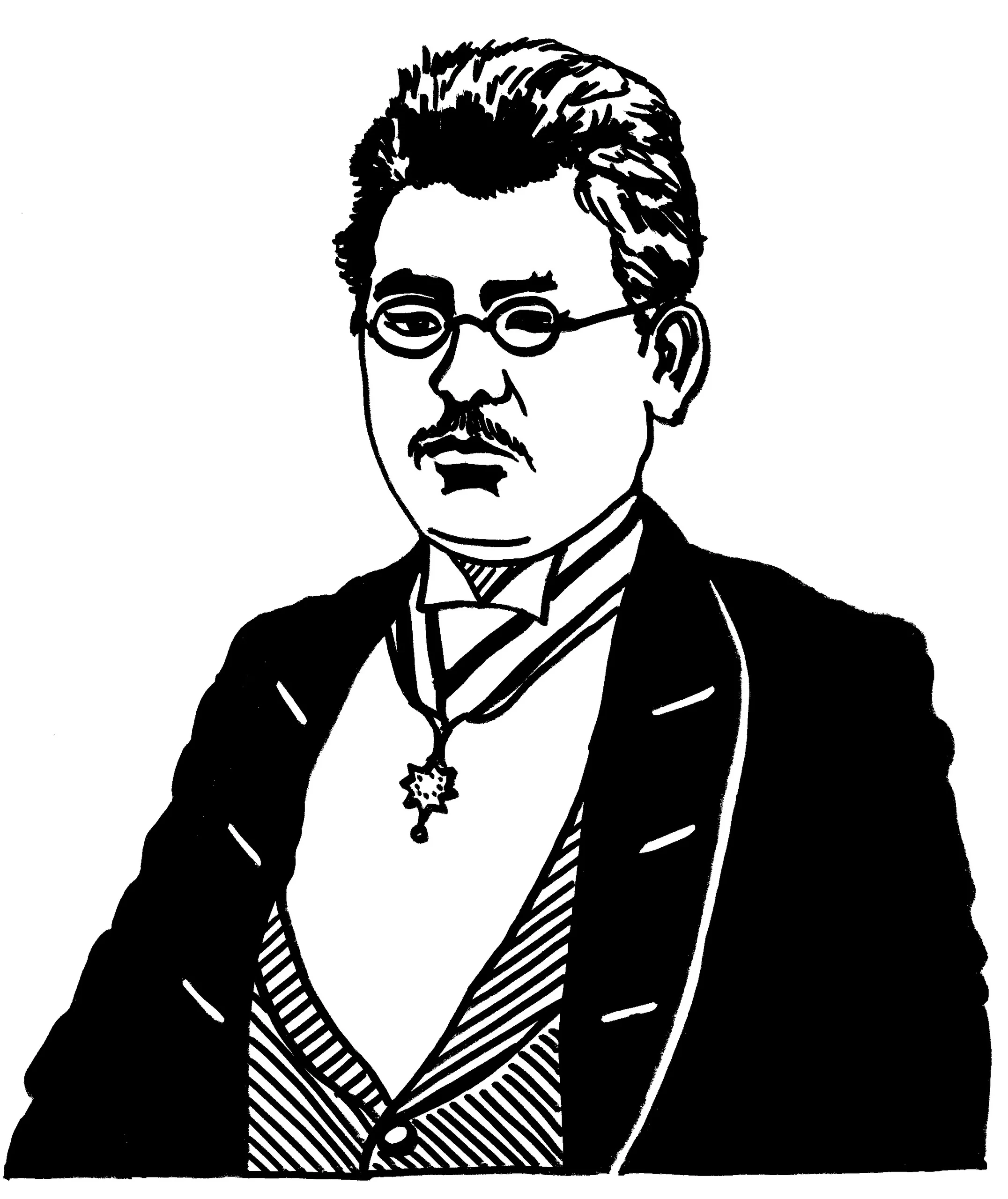
Kitasato Shibasaburō
 Japan
Japanphysician•bacteriologist•professor
Also known as: Shibasaburō Kitasato, Kitazato Shibasaburō, Shibasaburō Kitazato
Birthday
January 29, 1853
Birth Sign
Sagittarius
Birthplace
Oguni, Kumamoto Prefecture, Japan
Age
Died at 78
About
Baron Kitasato Shibasaburō stands as a towering figure in the history of global health, widely revered as the father of modern Japanese medicine. Born in Oguni, Kumamoto Prefecture, he revolutionized international science through his foundational work in immunology and the precise identification of deadly infectious agents. Unlike modern celebrities whose legacies are often defined by pop culture fame, Kitasato's enduring reputation rests entirely on scientific rigor and life-saving breakthroughs. Consequently, there are no romantic relationships, dating histories, net worth figures, or fan campaigns associated with him in the traditional sense. His life concluded naturally in Tokyo at age 78, yet his influence persists powerfully through the prestigious institutions he founded and his prominent portrait featured on Japan's 2024 currency. He is best known for co-discovering the infectious agent of bubonic plague during the 1894 Hong Kong outbreak, a monumental achievement he realized almost simultaneously with Alexandre Yersin. Kitasato's meticulous research and global collaborations placed him at the forefront of bacteriology during a pivotal era of scientific discovery. His pioneering work on tetanus and diphtheria antitoxins laid the essential groundwork for modern serology, saving countless lives worldwide across generations.
Early Life & Background
Kitasato Shibasaburō was born on January 29, 1853, in Oguni, Aso District, Kumamoto Prefecture, Japan. He was the eldest son of a village head family during the late Edo period, growing up in a samurai-class household that exposed him to traditional education before the Meiji Restoration opened Japan to Western science. His early interest in medicine was sparked by the cholera epidemics that ravaged Japan during the mid-19th century, driving him to seek formal training in Western medical practices. He graduated from Kumamoto Medical School in 1876, recognizing the limitations of domestic resources and the urgent need for modernization. After graduation, he moved to Tokyo to study at the Imperial College of Medicine, now part of the University of Tokyo. In 1882, Kitasato secured a government scholarship to study in Berlin, Germany, marking a pivotal turning point in his career. There, he entered the laboratory of Robert Koch, the father of modern bacteriology. Under Koch's mentorship, Kitasato mastered the latest techniques in staining bacteria and cultivating pathogens. These skills would define his future breakthroughs. He spent several years in Berlin, absorbing the rigorous methods of German science that were far ahead of what was available in Japan at the time. This period of intense study prepared him to return home with the knowledge necessary to transform Japanese medicine.
Career Growth
Kitasato's career is a chronicle of rapid, high-impact discoveries during the golden age of bacteriology. While working under Robert Koch in Berlin between 1885 and 1889, he successfully isolated the tetanus bacillus (*Clostridium tetani*) and developed the first effective antitoxin serum for tetanus. This work established his reputation as a leading bacteriologist and proved that the immune system could produce antibodies, laying the groundwork for the entire field of serology. In 1890, collaborating with Emil von Behring, Kitasato co-discovered the diphtheria antitoxin. They demonstrated that blood serum from animals immunized against diphtheria could cure the disease. Although von Behring received the inaugural Nobel Prize in Physiology or Medicine in 1901 for this discovery, Kitasato was a critical co-author and was nominated for the same prize, though he was excluded from the award. During the bubonic plague outbreak in Hong Kong in 1894, Kitasato traveled to the city and, almost simultaneously with Swiss-French scientist Alexandre Yersin, isolated the causative agent, *Yersinia pestis*. Kitasato initially misidentified the organism as a diplococcus, leading to a temporary priority dispute with Yersin. However, subsequent research confirmed both men independently discovered the pathogen, and today they share credit for the discovery. After years of research abroad, Kitasato returned to Japan in 1899 to apply his knowledge domestically. He became a professor at the Tokyo Medical School and later served as the first dean of the Keio University Medical School, establishing a curriculum based on modern Western medicine. In 1914, he founded the Kitasato Institute in Tokyo, Japan's first private medical research facility, dedicated to the study of infectious diseases. Beyond science, Kitasato served as a member of the House of Peers in the Japanese Diet, advocating for public health policies. In 1930, he was elevated to the title of Baron by the Emperor of Japan, becoming one of the few scientists to receive such an honor in his lifetime.
Career Timeline
Public Image & Style
Kitasato is portrayed as a stoic, meticulous, and patriotic scientist. Media depictions focus on his dedication to saving lives and his role in modernizing Japan. He is seen as a bridge between Eastern tradition and Western innovation. His image is one of dignity and intellectual authority, often depicted in formal attire with a serious expression. As the founder of the Kitasato Institute and a key figure in Japanese bacteriology, he commands immense respect. His selection for the 10,000 yen note reinforces his image as a pillar of national identity and scientific progress. He is remembered not for celebrity flair but for the profound impact of his discoveries on global health. Despite his fluency in German and English, Kitasato wrote many of his seminal papers in German, which was the lingua franca of science at the time, further cementing his image as a scholar of the highest caliber. His philosophy is summarized in his dedication to practical application: "Science must serve humanity." He emphasized the importance of hygiene and vaccination, stating in various contexts that the prevention of disease was superior to its treatment. This stoic approach to life and work defines his public persona to this day.
Fame & Fandom
Kitasato Shibasaburō does not currently hold a placement in the iFANN Global Top 1,000 or any Top-100 scope list. The evaluation conducted in September 2026 confirms that while his historical impact is undeniable, he remains outside the published rankings of contemporary fame metrics. This absence of a numeric rank reflects the distinction between enduring historical legacy and the measurable fluctuations of modern celebrity status. His audience consists primarily of historians, medical students, and scholars rather than a mobilized fanbase with specific rituals or campaigns. There is no documented name for his followers, as the concept of a fandom did not exist during his lifetime nor has one emerged posthumously in the manner of modern entertainment icons. He is commemorated through institutional preservation and academic study rather than grassroots movements or social media trends. The lack of a formal moniker for his admirers underscores the reality that his influence operates within the realm of scientific history and national heritage. While figures like him command deep respect, they do not generate the viral phenomena or organized fan projects that define current fame landscapes. His presence on the Japanese 10,000 yen note serves as a form of state-sanctioned recognition, distinct from the organic adulation seen in pop culture. The silence of a non-existent fandom speaks to the nature of his work; it was life-saving science, not performance art. Consequently, discussions of his legacy remain grounded in verified achievements rather than the folklore of crowd hysteria or birthday billboards. He stands as a solitary figure in the annals of bacteriology, revered for his discoveries but unencumbered by the trappings of a dedicated following. Commemoration occurs through academic conferences, museum exhibitions, and the annual memorial services held by the Kitasato Institute and Keio University.
Interesting Facts and Legends
Baron Kitasato Shibasaburō co-discovered the infectious agent of bubonic plague during the 1894 Hong Kong outbreak alongside Alexandre Yersin. This breakthrough occurred almost simultaneously, marking a pivotal moment in the history of bacteriology. He is widely recognized as the father of modern Japanese medicine for establishing the foundations of the field in his homeland. His rapid succession of discoveries, including the tetanus bacillus and the plague bacillus, illustrates his extraordinary productivity during the Meiji era. A significant modern honor involves his portrait appearing on the new series of Japanese 10,000 yen notes, scheduled for circulation around 2024. This placement joins other Meiji-era thinkers and cements his status as a national symbol. Unlike many historical figures whose legends are exaggerated, Kitasato's stories are rooted in verified scientific events. His role in developing preventative methods for diphtheria further solidified his reputation as a pioneer who reshaped global health standards. The narrative surrounding him focuses on his meticulous research and global collaborations rather than pop-culture anecdotes. His legacy is maintained through academic recognition and public commemoration by institutions rather than a grassroots fan movement. For decades, the scientific community debated whether Kitasato or Yersin discovered the plague bacillus first. Kitasato claimed priority because he published his findings slightly earlier, but Yersin had actually observed the bacteria first. Modern consensus credits both as independent discoverers. The 10,000 yen note selection was a deliberate choice by the Bank of Japan to highlight the importance of science and public health, a shift from previous notes that featured only literary or political figures.
Notable Quotes
“Science must serve humanity.”
“Prevention of disease is superior to its treatment.”
Family & Personal Life
As a man of the 19th and early 20th centuries focused entirely on scientific advancement, Kitasato Shibasaburō did not have a public dating history, romantic engagements, or marriages that were recorded in standard biographies. Historical records indicate he was a devoted family man who raised children, but specific details regarding his spouse's name, the timeline of their marriage, or any romantic partners are not documented in English sources. He died in Tokyo on June 13, 1931, leaving behind a family and a legacy of scientific achievement. There is no evidence of divorce, separation, or widowed status prior to his death; his final status was that of a married man who passed away after a long life. His focus remained firmly on his work and the advancement of medicine in Japan. Specific measurements such as height, weight, or eye color are not recorded in available historical biographies. Photographs from the late 19th and early 20th centuries show a man of average stature for the time, dressed in Western-style academic attire or traditional Japanese robes depending on the occasion. The silence of his personal life underscores the reality that his influence operates within the realm of scientific history and national heritage rather than domestic gossip.
Notable Connections
Relationships & Dating History
As a man of the 19th and early 20th centuries focused entirely on scientific advancement, Kitasato Shibasaburō did not have a public dating history, romantic engagements, or marriages that were recorded in biographical sources. Historical records indicate he was a devoted family man who raised children, but specific details regarding his spouse's name, the timeline of their marriage, or any romantic partners are not documented in standard biographies or academic literature. He died in Tokyo on June 13, 1931, leaving behind a family and a legacy of scientific achievement. There is no evidence of divorce, separation, or widowed status prior to his death; his final status was that of a married man (though the wife's name is not widely cited in English sources) who passed away after a long life. One notable sentiment attributed to him regarding his work in Hong Kong was the urgency of identifying the cause of the plague to save lives, though exact phrasing varies in translation. His philosophy is summarized in his dedication to practical application: "Science must serve humanity." He emphasized the importance of hygiene and vaccination, stating in various contexts that the prevention of disease was superior to its treatment. These sentiments reflect a life dedicated to professional duty over personal romance.
Death & Aftermath
Died
June 13, 1931 (aged 78)
Death Place
Tokyo, Japan
Cause of Death
Natural causes associated with old age
Baron Kitasato Shibasaburō passed away at his residence in Tokyo on June 13, 1931, at the age of 78. The circumstances surrounding his death were straightforward and uneventful for a man of his stature; he died from natural causes linked to advanced age without any official investigation or autopsy that altered the public understanding of his final days. There are no disputed accounts or dramatic last moments recorded in historical archives, reflecting the quiet end of a life dedicated to scientific rigor. The immediate aftermath of his passing was marked by deep respect within the Japanese medical community and government circles. While specific details of private vigils are scarce in English sources, his status as the father of modern Japanese medicine ensured an institutional mourning. He left behind a family and a vast network of students who continued his work. The most significant posthumous development has been the enduring legacy of the institutions he founded, particularly the Kitasato Institute and Kitasato University, which continue to operate as premier centers for infectious disease research. In a remarkable tribute nearly a century later, the Bank of Japan selected his portrait for the new 10,000 yen banknote issued in July 2024. This decision placed him alongside other Meiji-era luminaries like Fukuzawa Yukichi, ensuring his image circulates daily across the nation and symbolizing the enduring value of his contributions to public health. No estate disputes have marred his memory; instead, his name remains synonymous with scientific integrity and national progress. On June 16, 2026, the Keio University School of Medicine held its 95th Kitasato Memorial Ceremony, celebrating his contributions and honoring current researchers continuing his work. The Kitasato Institute continues to be a hub for research into emerging infectious diseases, including viral outbreaks, maintaining the mission Kitasato set over a century ago.
Net Worth (Estate Value)
$0
iFANN Editorial Team estimate
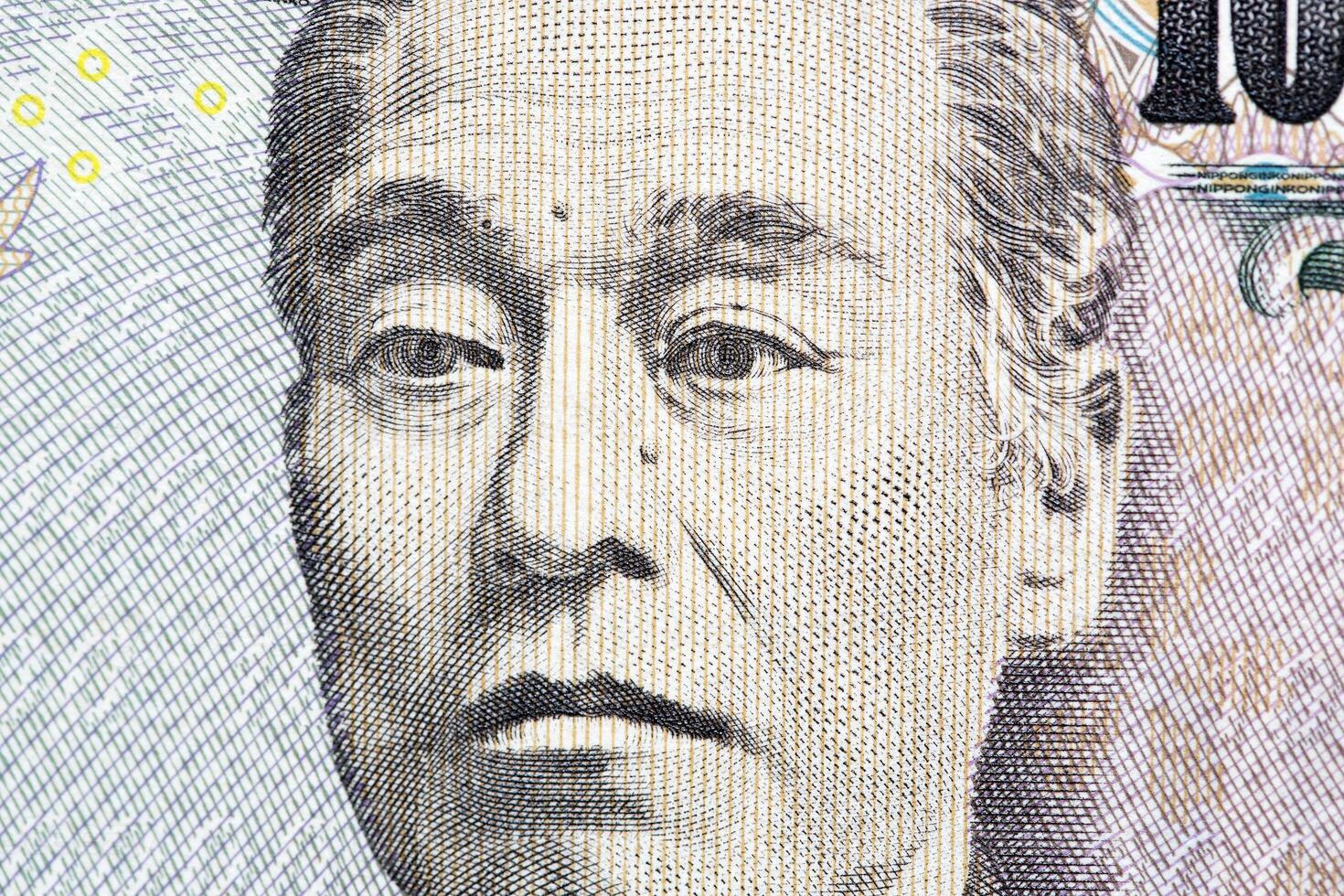
As a historical figure who lived from 1853 to 1931, Kitasato Shibasaburō does not have a net worth in the modern sense of liquid assets or salary. He worked primarily as a government employee and academic, receiving a modest salary typical for physicians of the Meiji era. There are no credible sources estimating his personal wealth in dollars or yen, nor are there reports of real estate holdings or business ventures owned personally by him outside of his role in founding the Kitasato Institute. However, the Kitasato Institute and Kitasato University remain highly valuable institutional entities. The Institute operates as a major non-profit research organization, generating revenue through grants, partnerships, and pharmaceutical collaborations. The estate value of his legacy is measured in the enduring economic impact of the institutions he built and the value of the intellectual property derived from his research (e.g., vaccine protocols). The 2024 inclusion of his portrait on the 10,000 yen note symbolizes his immense cultural and economic value to the nation, effectively making his face a representation of Japan's financial stability and scientific heritage. No individual estate management exists today; the institutions he founded manage their own assets independently. The Bank of Japan selected his portrait for the new 10,000 yen banknote issued in July 2024, replacing the previous design featuring Yukichi Fukuzawa and marking the first change to the note in 20 years.
Awards Won (3)
While Kitasato did not win the Nobel Prize himself, his contributions were recognized with significant national and international honours. He was nominated alongside Emil von Behring for the discovery of diphtheria antitoxin. He received multiple classes of the Order of Merit from the Japanese government. He was elevated to the peerage as a Baron in 1930. He was elected as a Foreign Member of the Royal Society of London. He is universally acknowledged as the Father of Modern Japanese Medicine.
1900 · National Honour
Contribution to Public Health
1905 · International Recognition
Contributions to Bacteriology
Known For
Discovery of Tetanus Bacillus
1889 · Scientist
Discovery of Diphtheria Antitoxin
1890 · Co-discoverer
Discovery of Plague Bacillus
1894 · Co-discoverer
Keywords
Sources
Quick Facts
- Profession
- professor, physician, bacteriologist
- Born
- January 29, 1853
- Birthplace
- Oguni, Kumamoto Prefecture, Japan
- Died
- June 13, 1931
- Death Place
- Tokyo, Japan
- Gender
- Male
- Birth Sign
- Sagittarius
Personal Details
- Full Name
- Kitasato Shibasaburō
- Education
- Kumamoto Medical School (1876), Imperial College of Medicine, Tokyo
Frequently Asked Questions
Who is Kitasato Shibasaburō?
Did Kitasato win a Nobel Prize?
Why is Kitasato on the new yen note?
What did Kitasato discover?
When did Kitasato die?
Similar People
Join the community
fans discussing