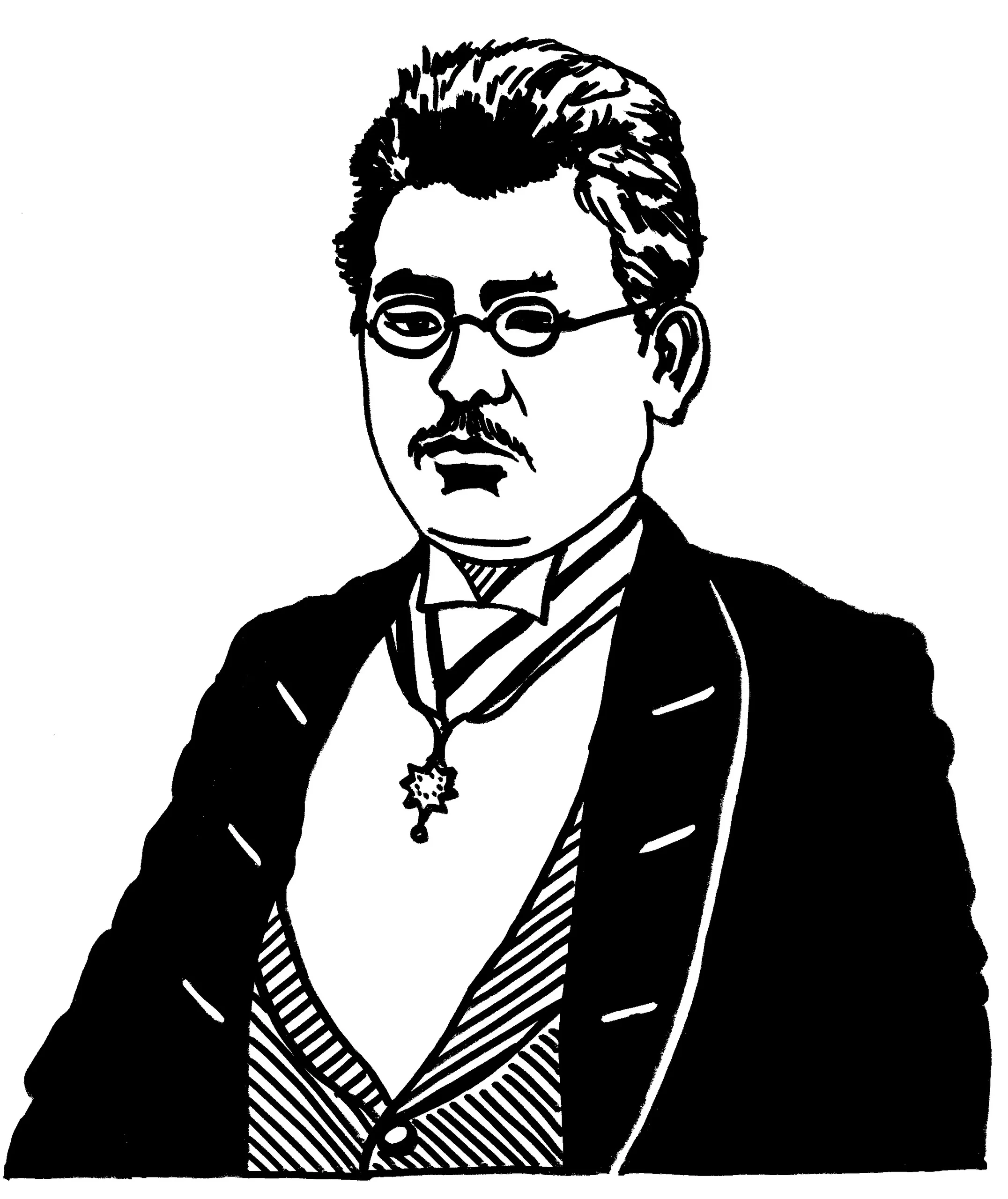
Kitasato Shibasaburō
Awards & Honours
3
Awards Won
3
Honours
2
Records
Kitasato Shibasaburō stands as a monumental figure in the history of medicine, earning universal acclaim for his groundbreaking work in bacteriology and immunology. His legacy is defined by the sheer magnitude of his contributions: isolating the tetanus bacillus, co-discovering the diphtheria antitoxin, and identifying the plague bacillus. These achievements alone would secure his place in history, yet he also founded the Kitasato Institute, Japan's first private medical research facility. His election as a Foreign Member of the Royal Society and his elevation to the peerage as a Baron highlight the global and national recognition he received. The fact that his portrait now graces the 10,000 yen note, joining other Meiji-era giants, cements his status as a national hero. He is celebrated not just for what he discovered, but for how he transformed the landscape of Japanese medicine, bridging the gap between traditional practices and modern science.

Awards
Honours & Distinctions
Baron (Danshaku)
Elevated to the peerage, becoming one of the few scientists to receive such an honor in his lifetime.
Foreign Member of the Royal Society
Elected for his significant contributions to bacteriology and immunology.
Order of Merit
Received multiple classes for contributions to public health and medicine.
Records & Feats
Father of Modern Japanese Medicine
Universally acknowledged as the founder of bacteriology in Japan, establishing the field's foundations.
First Private Medical Research Institute in Japan
Founded the Kitasato Institute in 1914, setting a precedent for independent research.