
Ki Hajar Dewantara
 Indonesia
politician•philosopher•resistance fighter
Also known as: Raden Mas Soewardi Soerjaningrat, Soewardi Soerjaningrat, Suwardi Suryaningrat, Ki Hadjar Dewantara
Birthday
May 2, 1889
Birth Sign
Taurus
Birthplace
Yogyakarta, Dutch East Indies (now Indonesia)
Age
Died at 69
About
Raden Mas Soewardi Soerjaningrat, known as Ki Hajar Dewantara from 1922, was an Indonesian independence activist, writer, and educator. Born in Yogyakarta on 2 May 1889, he devoted his life to empowering indigenous Indonesians through education during the Dutch colonial era. He founded the Taman Siswa school, a pioneering institution that opened learning to commoners, who were previously barred from formal schooling. His tireless efforts earned him the title of National Hero of Indonesia, bestowed by President Sukarno on 28 November 1959. Dewantara passed away on 26 April 1959, leaving behind a legacy that transformed Indonesian education.
Early Life & Background
Born into the Javanese nobility as Raden Mas Soewardi Soerjaningrat, he received a Western-style education at the Europeesche Lagere School and the Algemeene Middelbare School. Despite his privileged background as a member of the *priyayi* class, he became deeply influenced by nationalist sentiments and the writings of reformers like R.A. Kartini. His early career began not in politics but in journalism; he worked as a writer and columnist for various newspapers, including De Expres and Het Tijdschrift. It was through his pen that he first entered the public sphere, using satire and sharp critique to challenge Dutch colonial policies.
In 1913, he published a scathing satirical article titled Als Ik Eens Ooit Een Nederlandsch Burger Was (If I Were Ever a Dutch Citizen). The piece criticized the Dutch government for celebrating the centenary of their freedom while simultaneously oppressing Indonesians. Colonial authorities viewed this as seditious, leading to his arrest and subsequent exile to Bencoolen (Bengkulu) in 1913. During his exile, he met fellow nationalists and further developed his political philosophy. Upon his return in 1919, he chose to reject his noble title, adopting the name "Ki Hajar Dewantara," which translates to "Leader of the People," symbolizing his total commitment to the commoners.
Career Growth
Dewantara's career is defined by three major phases: journalism, activism, and education. After returning from his first exile, he co-founded the Indische Partij (Indies Party) in 1919 alongside Douwes Dekker and Tjipto Mangunkusumo. The party was banned shortly after its formation, leading to a second exile. In 1922, he founded the Taman Siswa school system on July 3, marking his breakthrough moment. This was the first school in Indonesia open to native children regardless of social class, breaking the monopoly of education held by the Dutch elite. The school introduced a curriculum based on Indonesian culture and values rather than Dutch assimilation.
Following Indonesia's declaration of independence, he served as a member of the Central Indonesian National Committee (KNIP) from 1945 to 1949. From 1949 until his death in 1959, he served as the first Minister of Education, Youth, and Sports of the Republic of Indonesia under President Sukarno. In this role, he oversaw the standardization of the national education system, integrating his pedagogical principles into the curriculum of the newly independent nation. His leadership established the framework for modern Indonesian schooling, ensuring that education remained accessible to all citizens regardless of their economic status or background.
Career Timeline
Public Image & Style
Ki Hajar Dewantara commands a reverence akin to a national saint rather than a celebrity. His image is ubiquitous in Indonesia, appearing on currency, textbooks, and government buildings. The closest equivalents to fan campaigns are state-sanctioned observances like National Education Day, where schools across Indonesia pause to honor his founding of the Taman Siswa system. His public image is one of wisdom, humility, and unwavering integrity. He is remembered not for personal glamour or media presence, but for his intellectual contributions and moral leadership during a turbulent period in history.
Fame & Fandom (iFAMOUS Rankings)
Ki Hajar Dewantara commands a reverence that transcends the fleeting cycles of modern celebrity culture. He never cultivated a fanbase in the contemporary sense, lacking organized groups, unofficial names, or viral rituals designed to boost streaming numbers or chart positions. Instead, his public standing rests on institutional commemoration and national gratitude. The closest equivalents to fan campaigns are state-sanctioned observances like National Education Day, where schools across Indonesia pause to honor his founding of the Taman Siswa system. His image adorns currency notes, and his birthday triggered a Google Doodle, signaling a deep, cross-generational connection rooted in his role as the Father of National Education rather than pop stardom.
This enduring legacy is quantified by global attention metrics that track media coverage and consumption signals worldwide. Despite being a historical figure who passed away decades ago, his influence remains potent enough to secure significant placement in global fame databases. Current data confirms he holds the position of the 27th most famous person in Indonesia, a rank holding steady from the previous cycle. Furthermore, within the specific scope of his origin, he is ranked as the 98th most famous person from Indonesia. These figures, drawn from the iFANN Global Fame Rankings, reflect how his educational philosophy continues to resonate globally.
Interesting Facts and Legends
Raden Mas Soewardi Soerjaningrat was forced into exile twice, first in 1913 and again in 1923, for his political writings challenging Dutch colonial rule. His name, Ki Hajar Dewantara, literally means "Leader of the People," a deliberate choice to distance himself from his noble lineage and align with the commoners he sought to educate. The Taman Siswa school system he founded still operates today, making it one of the oldest continuously operating educational networks in Southeast Asia. His famous motto, "Ing Ngarso Sung Tulodo, Ing Madya Mangun Karso, Tut Wuri Handayani" (In front, set an example; in the middle, build initiative; from behind, give encouragement), is still printed on the uniforms of students in Taman Siswa schools and taught in teacher training programs nationwide. Another notable sentiment expressed in his writings was his belief that "Education is not just about filling a bucket, but lighting a fire," emphasizing the importance of self-activity and critical thinking over rote memorization.
Notable Quotes
“Ing Ngarso Sung Tulodo, Ing Madya Mangun Karso, Tut Wuri Handayani”
“Education is not just about filling a bucket, but lighting a fire.”
“The future belongs to those who believe in the beauty of their dreams.”
Family & Personal Life
Ki Hajar Dewantara was married to Nyi Hadjar Dewantara (born R. Ng. Soerjopranoto). Their marriage was a partnership rooted in the nationalist movement and shared dedication to education. Historical records indicate they had no children together, a fact often noted in biographical summaries of the era where many activists prioritized the nation over family expansion due to the dangers of colonial rule and the demands of the independence struggle. There are no documented romantic relationships outside of his marriage to Nyi Hadjar Dewantara. As a historical figure who died in 1959, his relationship status is widowed, with his spouse passing away prior to his death or shortly thereafter.
Notable Connections
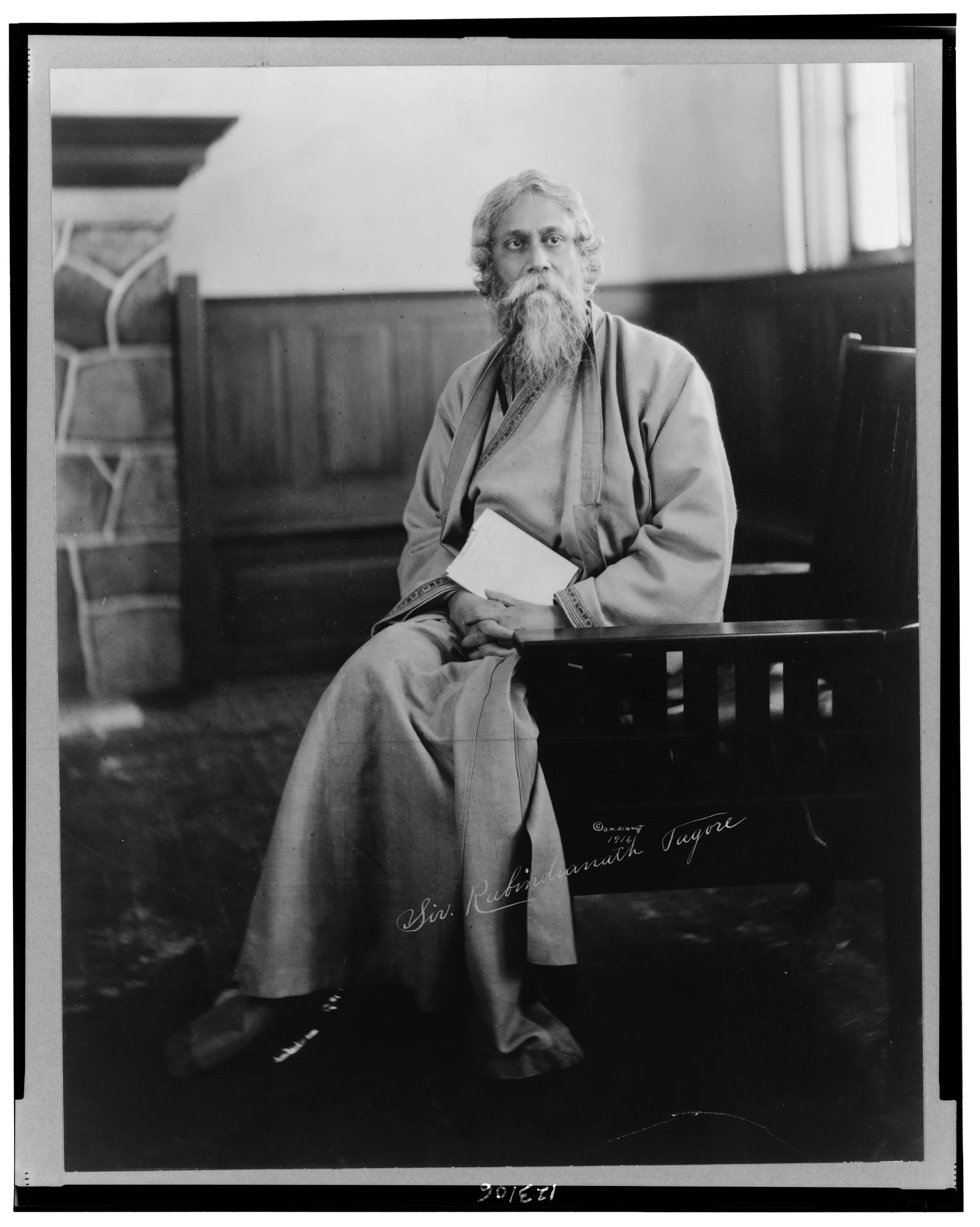
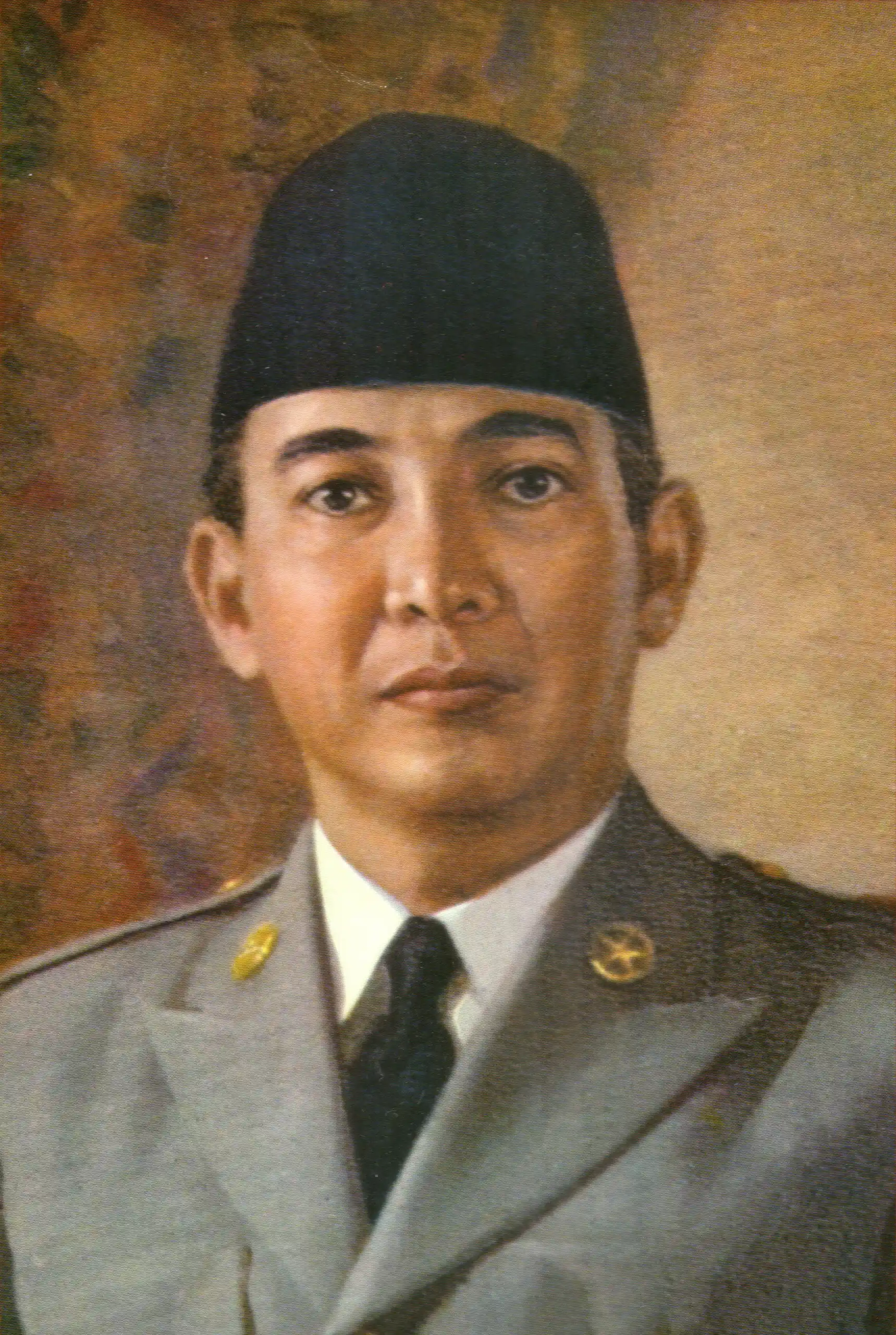
Nyi Hadjar Dewantara, Douwes Dekker, Tjipto Mangunkusumo, President Sukarno, Rabindranath Tagore.
Relationships & Dating History
Ki Hajar Dewantara was married to Nyi Hadjar Dewantara (born R. Ng. Soerjopranoto). Their marriage was a partnership rooted in the nationalist movement and shared dedication to education. Historical records indicate they had no children together, a fact often noted in biographical summaries of the era where many activists prioritized the nation over family expansion due to the dangers of colonial rule and the demands of the independence struggle. There are no documented romantic relationships outside of his marriage to Nyi Hadjar Dewantara. As a historical figure who died in 1959, his relationship status is widowed, with his spouse passing away prior to his death or shortly thereafter (specific dates of her death are less frequently highlighted in general summaries compared to his own).
- MarriedNyi Hadjar Dewantara1910 - 1959Spouse and partner in the nationalist movement; no children together.
Death & Aftermath
Died
April 26, 1959 (aged 69)
Death Place
Yogyakarta, Indonesia
Cause of Death
Natural causes
Ki Hajar Dewantara passed away on April 26, 1959, in Yogyakarta at the age of 70. While some historical records list the date as April 28, the consensus among scholars and the official state archives places his death on the 26th. The specific medical cause was never formally detailed in public records, though it is widely attributed to natural causes associated with his advanced age and the physical toll of decades spent in exile and political struggle against Dutch colonial rule.
His death triggered an immediate outpouring of national grief that transcended social class. Just months later, on November 28, 1959, President Sukarno posthumously conferred upon him the title of National Hero of Indonesia (*Pahlawan Nasional*) through Presidential Decree No. 305. This honor recognized his unparalleled contribution to both the nation's sovereignty and its educational foundation. His funeral was a state affair attended by thousands of citizens and dignitaries, cementing his status as a foundational pillar of the republic.
The legacy he left behind was institutionalized almost immediately. His birthday, May 2, became National Teachers' Day, and the anniversary of his school's founding, July 3, became National Education Day. These dates remain central to Indonesian civic life today. In 2026, his influence continued to shape international relations when Indonesia and India launched the Tagore-Dewantara Year to celebrate shared educational ideals. His name also appears on numerous schools, universities, and even a retired warship, the KRI Ki Hajar Dewantara, which was approved for sale by the House of Representatives in September 2026. The Taman Siswa organization he founded remains active, operating as one of the oldest continuously running educational networks in Southeast Asia.
Net Worth (Estate Value)
$0
iFANN Editorial Team estimate
As a historical figure who died in 1959, Ki Hajar Dewantara did not accumulate personal wealth in the modern sense, nor does he have a publicly traded estate with a net worth calculated in dollars. His "wealth" is entirely intangible, consisting of his intellectual property (educational philosophy), the enduring value of the Taman Siswa institution, and the cultural capital he holds as a National Hero. Any financial estimates found online regarding "net worth" would be speculative or misattributed to modern entities bearing his name. The Taman Siswa organization operates as a non-profit educational network, generating revenue through tuition and donations, but these funds belong to the institution, not his heirs.
Awards Won (1)
Ki Hajar Dewantara received the title of National Hero of Indonesia in 1959. His birthday, May 2, is celebrated annually as National Teachers' Day, and the anniversary of his school's founding, July 3, is commemorated as National Education Day. In 2026, he was honored alongside Rabindranath Tagore in the Tagore-Dewantara Year. His name is attached to numerous schools, universities, streets, and public institutions across Indonesia.
1959 · State Honor
Presidential Decree No. 305
Known For
Taman Siswa
1922 · Founder
Minister of Education
1949 · First Minister
Keywords
Sources
Quick Facts
- Profession
- politician, philosopher, resistance fighter
- Born
- May 2, 1889
- Birthplace
- Yogyakarta
- Died
- April 26, 1959
- Death Place
- Yogyakarta
- Gender
- Male
- Spouse
- Nyi Hadjar Dewantara
- Birth Sign
- Taurus
Personal Details
- Full Name
- Raden Mas Soewardi Soerjaningrat
- Spouse
- Nyi Hadjar Dewantara
- Children
- Education
- Europeesche Lagere School (ELS), Algemeene Middelbare School (AMS)
Frequently Asked Questions
Who was Ki Hajar Dewantara?
When did Ki Hajar Dewantara die?
What is Ki Hajar Dewantara's real name?
Why is Ki Hajar Dewantara famous?
Is Ki Hajar Dewantara still alive?
Similar People
Join the community
fans discussing