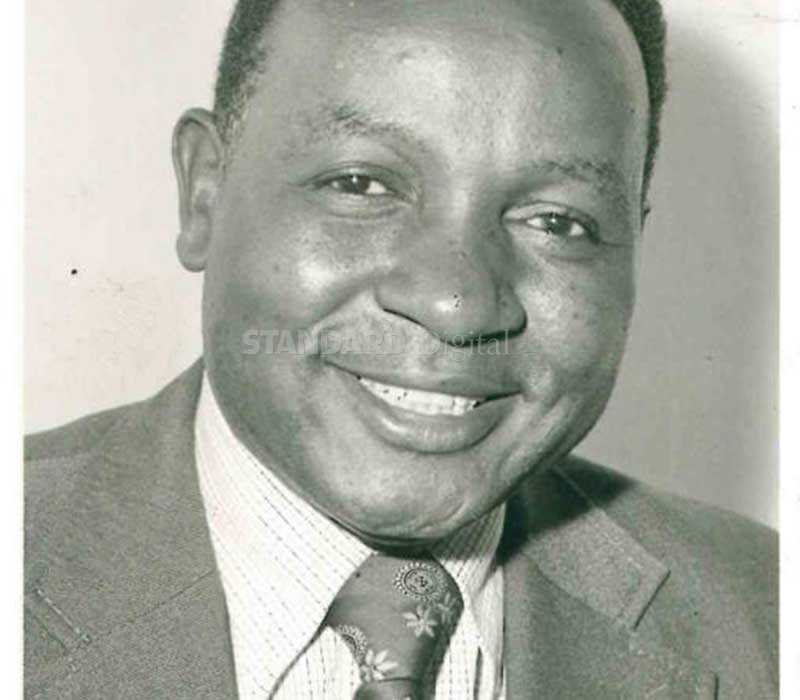
Kenneth Matiba
 Kenya
KenyaAlso known as: Kenneth Stanley Njindo Matiba, Lion Who Roared for Freedom
Birthday
June 1, 1932
Birth Sign
Gemini
Birthplace
Murang'a, Kenya
Age
Died at 85
About
Kenneth Stanley Njindo Matiba was a Kenyan politician and businessman who became a central figure in the country's fight for multi-party democracy. Born on June 1, 1932, in Murang'a, he built a successful career in agribusiness before entering politics in 1979. Matiba served as a government minister and later became a vocal advocate for political reform, culminating in his second-place finish in the 1992 presidential election. He passed away on April 15, 2018, at the age of 85, leaving behind a legacy of principled activism and a lasting impact on Kenya's democratic evolution.
Early Life & Background
Matiba's early life was marked by academic excellence. He attended Alliance High School, one of Kenya's most prestigious institutions, before moving on to Makerere University in Uganda. There, he earned a Bachelor of Arts degree in Sociology, Geography, and History, graduating in 1960. He initially planned to teach and was posted to Kangaru Secondary School in Embu. However, his career path soon shifted when he was appointed deputy officer in charge of higher education at the Ministry of Education, a role that involved approving overseas study passports for students.
Encouraged by friends, Matiba ventured into flower farming, which proved highly profitable and made him a leading exporter of flowers to Europe. In the 1970s, he helped form Wangu Investments Company Limited, which aimed to acquire shares in public companies and purchase land. In 1977, he bought a 12,350-acre farm. He also served as an executive at East African Breweries, further cementing his business credentials before his political career began.
Career Growth
Matiba's political career took off in 1979 when he was elected Member of Parliament for Mbiri Constituency, later renamed Kiharu, in Murang'a District. He served as Minister for Health and later Minister for Works under President Jomo Kenyatta. His tenure was marked by a strong work ethic; he once said he would personally clean toilets if they were dirty.
The 1988 'mlolongo' queue-voting system, which he saw as a violation of human rights, galvanized his push for multi-party democracy. His activism led to his arrest and detention without trial in 1990. While in detention, he suffered a stroke in 1991, for which he claimed he was denied adequate medical treatment. This experience hardened his resolve. In the 1992 presidential election, he ran and secured second place, a significant achievement that made him a major political figure. In 2007, at age 75, he made another presidential bid but finished seventh with 8,046 votes. He led the Saba Saba Asili party until his death.
Career Timeline
Public Image & Style
Matiba was widely regarded as a man of conscience and courage. His detention and subsequent fight for multi-party democracy earned him respect across the political spectrum. He was seen as a principled leader who prioritized democratic values over personal gain. His public persona was that of a determined, no-nonsense figure, often described as a 'Lion Who Roared for Freedom.' Fans and supporters admired his resilience, especially after his stroke, and he remained a symbol of resistance against authoritarian rule. His legacy as a pro-democracy icon continues to inspire political activists in Kenya.
Fame & Fandom (iFAMOUS Rankings)
Kenneth Matiba remains a defining figure in Kenyan history, though his global celebrity footprint does not currently register within the published iFANN Global Top 1,000 rankings. As of August 2026, the iFANN Global Fame Engine has evaluated this person, but they do not currently hold a placement in the published rankings (Global Top 1,000 or a Top-100 scope list). While he commands immense reverence domestically as the man who challenged the one-party state and survived imprisonment for his principles, international fame metrics have not secured him a numeric position on the world stage. His legacy is preserved not through viral chart dominance but through institutional memory and the enduring political narratives of the Saba Saba movement. The audience surrounding Matiba functions less as a traditional fandom and more as a political constituency and a collective of democratic activists. There is no documented formal name for his fanbase; supporters are identified by their shared allegiance to the pro-democracy struggle rather than by a specific club designation or branded following. Unlike pop culture icons who inspire organized streaming campaigns or subway advertisements, Matiba's admirers honor him through the maintenance of institutions like the Kenneth Matiba Hospital and the continued observance of political commemorations tied to his life. His story of rising from a businessman to a prisoner of conscience and finally to an impoverished elder statesman serves as a historical anchor rather than a source of modern fan rituals. The absence of a ranked score reflects the nature of his influence: profound locally and historically, yet lacking the contemporary consumption signals required for a global numerical ranking.
Interesting Facts and Legends
Kenneth Matiba was an adventurous spirit who climbed the Himalayas and planted the Kenyan flag at Island Peak, becoming the first Kenyan to achieve this feat. In 2000, he published his autobiography titled 'Aiming High: The Story of My Life,' where he drew a sharp distinction between a politician driven by personal interests and a person in politics who maintains principles regardless of cost. Known for his intolerance of filth, a trait carried over from his ministry days, he was also a lifelong supporter of Alliance High School, his alma mater. Beyond these facts, legends persist regarding his role in the Saba Saba movement on July 7, 1990, which sparked massive pro-democracy protests across Kenya against the one-party state. This event stands as a powerful symbol of democratic struggle where Matiba helped mobilize public dissent that eventually led to the reintroduction of multi-party politics. Another recurring narrative in his biography is his dramatic fall from wealth; he built a vast empire in the hotel industry and education sector but later sank into poverty due to debt and illness. This trajectory from billionaire tycoon to impoverished elder statesman is often referenced to highlight the sacrifices made by early democracy fighters. Upon his death on April 15, 2018, widespread mourning recognized him as a patriot and visionary entrepreneur.
Notable Quotes
“I cannot tolerate filth wherever I am. I would personally clean toilets rather than leave them dirty.”
“A politician joins for personal interests; a person in politics maintains principles regardless of personal cost.”
Family & Personal Life
Kenneth Matiba was married to Edith Matiba, whom he described as his 'childhood sweetheart and loyal wife.' Edith was a pillar of strength during his political struggles and imprisonment, and Kenneth often relied on her wisdom regarding financial matters. Together, they had five children: Susan, Raymond, Ivy, Julie, and Gitau. The family lived in Kenya, with Matiba's business interests in farming and agribusiness providing for them. His family remained supportive throughout his career, and Edith stood by him until his death in 2018.
Notable Connections
Kenneth Matiba was closely associated with his wife Edith Matiba, who supported him throughout his life. He served under President Jomo Kenyatta as a minister. He was a prominent opponent of President Daniel arap Moi's government during the push for multi-party democracy. His perennial political rival in Mbiri Constituency was Julius Gikonyo Kiano. These relationships shaped his political career and personal life.
Relationships & Dating History
Kenneth Matiba was married to Edith Matiba, his childhood sweetheart, for most of his adult life. They wed in the 1950s and remained together until his death. Edith was a constant source of support, particularly during his detention and political campaigns. The couple had five children. Matiba's marriage was a cornerstone of his life, and he often credited Edith with providing wisdom and stability. There are no records of any other public relationships. As of his death in 2018, he was still married to Edith, who survived him.
- MarriedEdith Matiba1955 - 2018Childhood sweethearts, married for over 60 years, had five children together.
Death & Aftermath
Died
April 15, 2018 (aged 85)
Death Place
Unknown
Cause of Death
Unknown
Kenneth Matiba spent his final years in Kenya as a retired statesman, maintaining a presence in political discourse until the end of his life. On April 15, 2018, at the age of 85, he passed away following a long period of public service that had included decades of activism for multi-party democracy. While the exact location of his passing remains unrecorded in available accounts, the date is consistently cited by multiple sources as marking the conclusion of a life dedicated to the nation's political evolution. The reaction to his passing was characterized by widespread tributes from peers, government officials, and institutions who recognized him as a patriot and a key figure in Kenya's struggle for freedom. He was frequently honored as a Prisoner of Conscience, a status declared by Amnesty International in 1991, which underscored his enduring legacy as a defender of human rights.
Tributes highlighted his role as a nationalist and statesman rather than focusing on personal details, reflecting the high esteem in which he was held across the political spectrum. Specific logistical details regarding his funeral or memorial service, including the date, location, or method of burial, are not present in the available records. However, posthumous recognition has continued through the activities of the United Party of Independent Alliance, which he founded, particularly on Saba Saba day. Physical tributes also persist, with the Kenneth Matiba Hospital in Murang'a County undergoing modernization and expansion as of 2026 to serve as a lasting monument to his contributions.
Net Worth (Estate Value)
$2 Million
iFANN Editorial Team estimate
Per iFANN's editorial analysis, Kenneth Matiba's net worth is estimated at $2 million as of 2026, though this figure remains speculative given his passing in 2018. His wealth was primarily derived from successful business ventures, particularly flower farming and agribusiness, which established him as a leading exporter to Europe. He also held executive positions at East African Breweries and invested in land through Wangu Investments Company Limited. After his death, the estate's value has likely been managed by his family, with income generated from agricultural assets and any remaining investments. However, no recent financial disclosures are available, so this estimate is based on his known business activities and property holdings.
Awards & Accolades
View 2 records, honours and achievementsKnown For
1992 Presidential Election
1992 · Candidate (Second Place)
Pro-Democracy Activism
1990 · Activist
Keywords
Sources
Quick Facts
- Profession
- politician, businessperson
- Born
- June 1, 1932
- Birthplace
- Murang'a, Kenya
- Died
- April 15, 2018
- Gender
- Male
- Birth Sign
- Gemini
- Spouse
- Edith Matiba
- Children
- 5
Personal Details
- Full Name
- Kenneth Stanley Njindo Matiba
- Spouse
- Edith Matiba
- Children
- Susan, Raymond, Ivy, Julie, Gitau Matiba
- Education
- Alliance High School; Makerere University (BA in Sociology, Geography, and History)
Frequently Asked Questions
Who was Kenneth Matiba?
When was Kenneth Matiba born and when did he die?
What was Kenneth Matiba's role in Kenyan politics?
Who was Kenneth Matiba's wife?
What were Kenneth Matiba's major achievements?
Similar People
Join the community
fans discussing