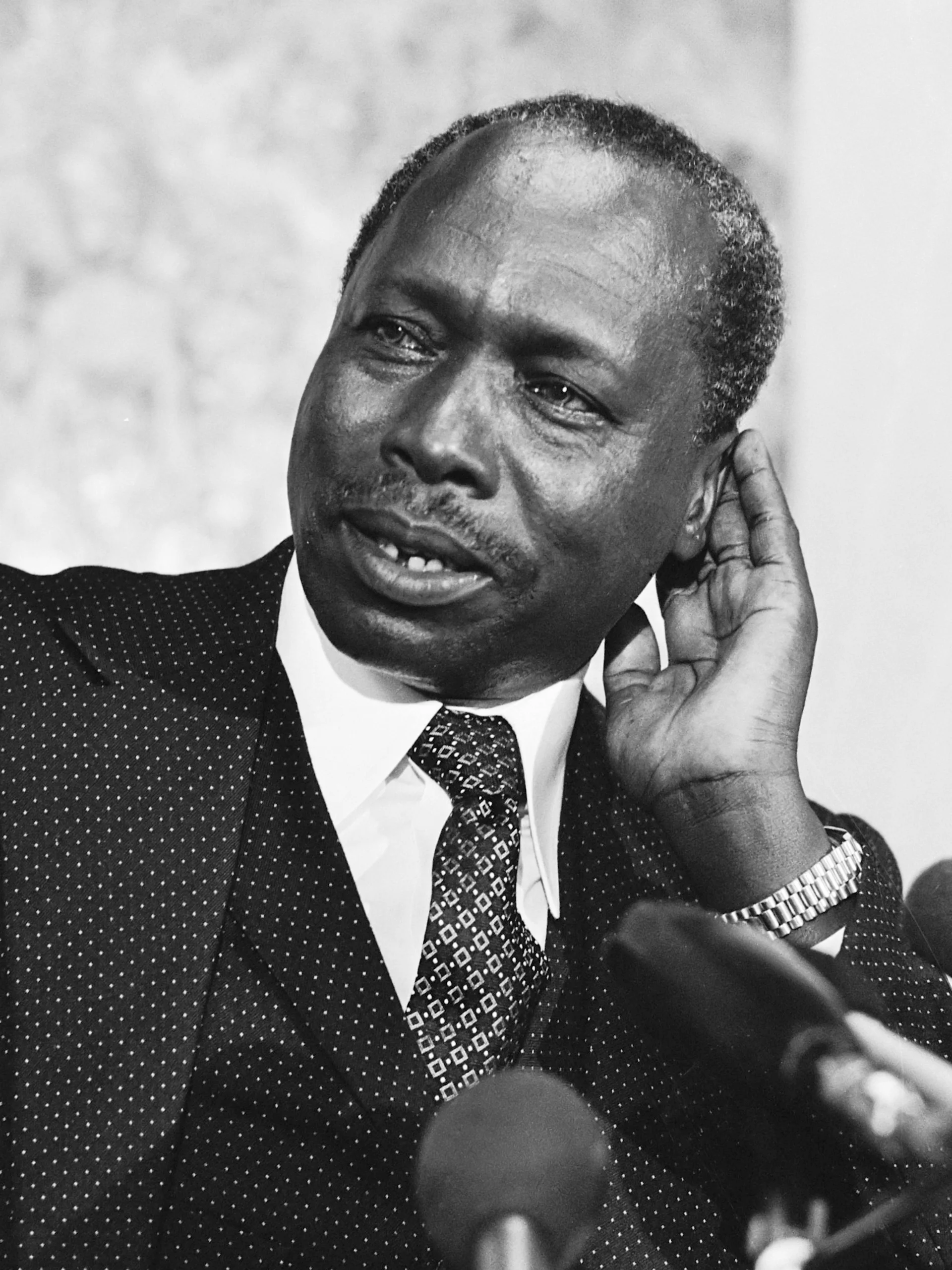
Daniel arap Moi
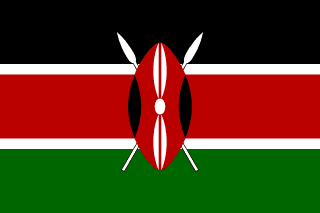 Kenya
KenyaAlso known as: Daniel Toroitich arap Moi, Nyayo
Birthday
September 2, 1924
Birth Sign
Virgo
Birthplace
Sacho, Baringo County, Kenya
Age
Died at 95
About
Daniel Toroitich arap Moi was the second president of Kenya, serving from 1978 to 2002 and remaining the country's longest-serving head of state. He was a Kikuyu-born politician who rose through the ranks of the Kenya African National Union (KANU) and became vice president in 1967. Moi's presidency spanned a period of significant political and economic change in Kenya, from the Cold War era to the advent of multiparty politics.
Moi was known for his autocratic style, especially in the early years of his rule, and his regime was accused of human rights abuses and corruption, notably the Goldenberg scandal. Despite this, he was also remembered for his role in maintaining Kenya's stability during turbulent times and for his efforts in education and infrastructure development. His death in 2020 prompted a complex reassessment of his legacy, with Kenyans reflecting on both his achievements and his shortcomings.
Early Life & Background
Born in the rural village of Kuriengwo in Sacho, Baringo County, Moi grew up in a modest Tugen family. He was raised by his mother and brother, with his uncle as guardian, and spent his early years herding livestock. He attended an Africa Inland Mission school before training as a teacher at Tambach Teachers Training College, qualifying at age 21. He taught in various schools until 1955, when he entered politics by winning a seat in the Legislative Council representing the Rift Valley.
As Kenya moved toward independence, Moi joined the Kenyan delegation to the Lancaster House Conferences in London, which drafted the nation's first post-independence constitution. In 1960, he founded the Kenya African Democratic Union (KADU) as a rival to Jomo Kenyatta's Kenya African National Union (KANU). After independence in 1963, he was elected to Parliament from Baringo North. Kenyatta convinced him to merge KADU into KANU, and Moi joined the government in 1964, becoming vice president in 1967.
Career Growth
Moi assumed the presidency upon Kenyatta's death in August 1978 and served until December 2002, making him Kenya's longest-serving president at 24 years. He announced on Jamhuri Day in 1978 that political detainees had been released, an early move that initially endeared him to the public. During the Cold War, his regime was seen in Western capitals as a counterweight to Eastern Bloc-aligned Ethiopia and Tanzania.
His political standing declined around 1990 as the economy stagnated after the Cold War. Under internal agitation and external pressure, he legalized multiparty politics in 1991. KANU won the 1992 and 1997 elections, though both were widely criticized as neither free nor fair. Constitutionally barred from a third term, Moi backed Uhuru Kenyatta as his successor, but Kenyatta lost to Mwai Kibaki in the 2002 election.
Career Timeline
Public Image & Style
Moi's public image was a complex blend of authoritarianism and paternalism. He projected an image of a strong, fatherly leader who was deeply connected to the Kenyan people, often seen wearing a fedora and carrying a walking stick. His regime was characterized by a cult of personality, with his portrait displayed in public offices and his speeches broadcast regularly. However, his image was also marred by accusations of corruption and human rights abuses, leading to a polarized legacy. In his later years, he was often referred to as 'Nyayo' (footsteps), a symbol of his desire to follow in Kenyatta's footsteps. Fans of his era remember him as a unifying figure who brought stability, while critics recall his repressive tactics.
Fame & Fandom
Daniel arap Moi remains a towering, polarizing figure in African history, his name evoking both the stability of a long reign and the scars of an autocratic era. As the 15th most famous person from Kenya, he holds a steady position in global consciousness more than two decades after leaving office. This ranking reflects enduring media coverage and historical analysis rather than fleeting celebrity trends. His legacy is defined by the duality of a paternalistic leader who spoke the language of the common villager and a ruler accused of crushing dissent through state machinery. Unlike pop stars with organized cults, Moi never cultivated a formal fanbase or a moniker for his supporters. There is no "Moi-hive" or official club; his connection to the public was forged through political patronage, the KANU party structure, and the complex dynamics of post-colonial governance. While some remember him as a protector of rural interests, others view his tenure as a period of repression where opposition was silenced. The absence of voluntary fan rituals or birthday billboards underscores his nature as a head of state rather than an entertainer. Today, discussions about him are driven by historians, political factions, and family members navigating the aftermath of his estate, keeping his story alive in the halls of power and the pages of history books.
Interesting Facts and Legends
Known affectionately yet ruthlessly as the 'professor of politics,' Daniel arap Moi mastered the art of neutralizing opponents while championing education through the enduring 8-4-4 system. He was a sports enthusiast who invested heavily in athletics and rugby, often attending matches in his trademark dark suit, fedora, and carrying his iconic walking stick. Beyond these documented facts, legends of his rule persist in Kenyan folklore. The story of his 'Nyayo' philosophy, which promised peace and unity but served to stifle dissent, remains a central part of his mythos. A specific chapter in this lore involves the 1995 election cycle, where his defiance against the Ol Kalou region cemented his grip on grassroots power despite overt opposition. Even years after his death, the narrative of his family's legal battles over lost title deeds in Kitale keeps his political relevance in the news. These stories, ranging from the brutality of the 1982 coup crackdown to the national split sparked by his passing in 2020, form the unique cultural mythology surrounding a man who ruled for three decades.
Family & Personal Life
Moi was married to Lena Moi, and together they had several children, including sons Gideon, Jonathan, Raymond, John Mark, and Philip, and daughters Doris, June, and Jennifer. His son Gideon Moi has been active in Kenyan politics, serving as a senator and aligning with various political factions. The family residence was at Kabarnet Gardens in Nairobi, and they also had a home at Kabarak, where Moi spent much of his later life. Moi's family life was relatively private, but his children have occasionally been in the public eye, particularly Gideon, who has been involved in political alliances and disputes.
Notable Connections
Daniel arap Moi was closely associated with Jomo Kenyatta, the first president of Kenya, who brought him into government and mentored him. He also worked with former US President Jimmy Carter, who chaired peace talks between Ethiopia and Eritrea that Moi participated in. Moi's chosen successor was Uhuru Kenyatta, who lost to Mwai Kibaki in the 2002 election. His son Gideon Moi has been active in politics, and his legacy has been debated by figures like Mogotio MP Reuben Kiborek.
Relationships & Dating History
Daniel arap Moi was married to Lena Moi for most of his adult life. Their marriage was largely private, with Lena rarely appearing in public. They had several children together, including Gideon Moi, who became a prominent politician. Moi's marriage to Lena lasted until her death, and he did not remarry. As of 2026, Moi is deceased, and his widow Lena Moi was married to him at the time of his death.
- MarriedLena Moi1945 - 2020Married for most of his life, they had several children together.
Death & Aftermath
Died
February 4, 2020 (aged 95)
Death Place
Nairobi, Kenya
Cause of Death
Complications from pneumonia and age-related illness
Daniel arap Moi died on February 4, 2020, at The Nairobi Hospital in Nairobi, Kenya. He passed away at the age of 95 following a prolonged illness involving complications from pneumonia and other age-related health issues. His final days were spent in private medical care after being hospitalized earlier that month for respiratory problems, with no public appearances made since his admission. President Uhuru Kenyatta confirmed the death and declared a seven-day national mourning period, marking the end of an era for the nation's longest-serving head of state. Public reaction to his passing was deeply polarized, reflecting the complex legacy of a leader accused of human rights abuses yet credited with maintaining stability during turbulent times. While international bodies like the United Nations and the African Union honored him as a key figure in African politics, sentiments within Kenya ranged from official tribute to quiet vigils criticizing his autocratic rule.
A state funeral took place on February 11, 2020, at Nyayo National Stadium, attended by thousands of mourners including dignitaries such as South African former President Jacob Zuma. The ceremony featured traditional Kipsigis cultural displays and hymns before Moi's body was flown to Kabarnet in Baringo County for a private family burial at the estate where he had spent much of his later life. Posthumously, his legacy is preserved through the Daniel arap Moi Presidential Library and Museum in Kabarnet, which continues to operate while his family manages the private estate.
Net Worth (Estate Value)
$10 Million
iFANN Editorial Team estimate
Per iFANN's editorial analysis, Daniel arap Moi's estate is valued at $10 Million following his death in 2020. This wealth accumulated over his long tenure as president, encompassing substantial salaries, benefits, and strategic investments in real estate across Nairobi and Kabarak. His family continues to manage these assets, generating ongoing revenue from property holdings and royalties. The financial standing of the estate has drawn public scrutiny, with reports linking the family's fortune to corruption allegations during his presidency, including the infamous Goldenberg scandal. As of 2026, the estate's value remains estimated at $10 Million, reflecting the continued stewardship of his assets by his heirs.
Awards Won (1)
Daniel arap Moi received several honors during his lifetime, including honorary degrees from various universities. He was awarded the Order of the Golden Heart of Kenya and the Order of the Elder of the Order of the Golden Heart. He also received the Grand Cordon of the Order of the Star of Africa from Liberia. However, he did not win any major international awards.
1978 · National Honor
Service to Kenya
Known For
Presidency of Kenya
1978 · President
Founding of KADU
1960 · Founder
Keywords
Sources
Quick Facts
- Profession
- politician
- Born
- September 2, 1924
- Birthplace
- Sacho, Baringo County, Kenya
- Died
- February 4, 2020
- Death Place
- Nairobi, Kenya
- Gender
- Male
- Spouse
- Lena Moi
- Birth Sign
- Virgo
Personal Details
- Full Name
- Daniel Toroitich arap Moi
- Spouse
- Lena Moi
- Children
- Gideon Moi, Jonathan Moi, Raymond Moi, John Mark Moi, Philip Moi, Doris Moi, June Moi, Jennifer Moi
- Education
- Tambach Teachers Training College
Frequently Asked Questions
How long did Daniel arap Moi rule Kenya?
Was Daniel arap Moi a dictator?
How did Daniel arap Moi die?
Who succeeded Daniel arap Moi?
What was the Goldenberg scandal?
Join the community
fans discussing