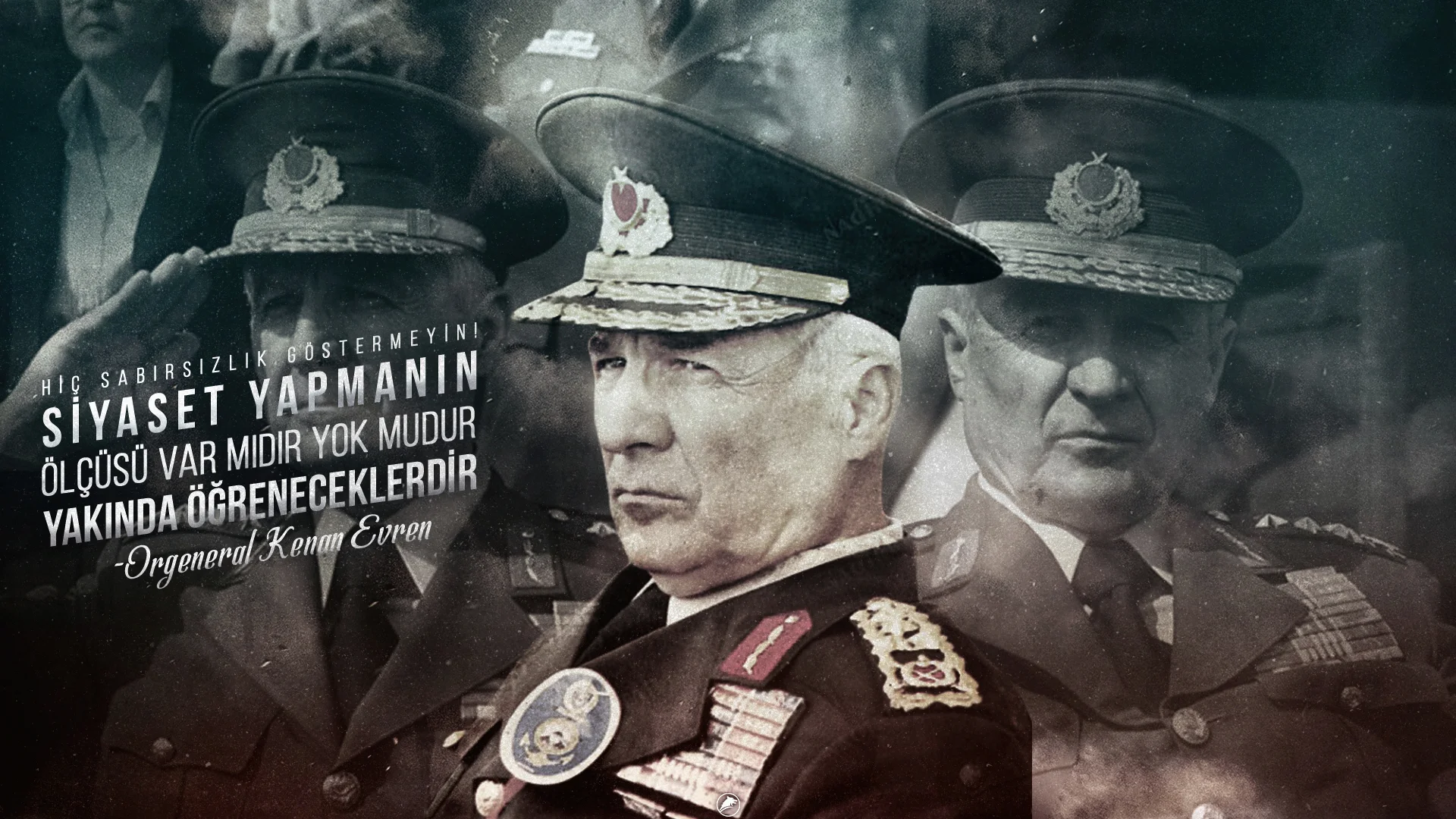
Kenan Evren
 Turkey
military officer•politician•statesman
Also known as: Ahmet Kenan Evren
Birthday
July 17, 1917
Birth Sign
Cancer
Birthplace
Kula, Manisa, Ottoman Empire
Age
Died at 97
About
Ahmet Kenan Evren was a Turkish military officer and statesman who served as the seventh President of Turkey from 1982 to 1989. He rose through the ranks of the armed forces to become Chief of the General Staff before leading the September 12, 1980, coup d'état that overthrew the civilian government. His presidency was defined by the suspension of the constitution, the banning of political parties, and the implementation of martial law, which resulted in widespread arrests and allegations of torture across the country.
Evren remained in office until his term ended in 1989, leaving behind a legacy that continues to divide public opinion in Turkey decades later. Supporters often view him as a savior who restored order during a period of intense political violence, while critics condemn his regime for severe human rights abuses. He died on May 9, 2015, at the age of 97, having spent his final years under house arrest following a controversial conviction related to the coup.
Early Life & Background
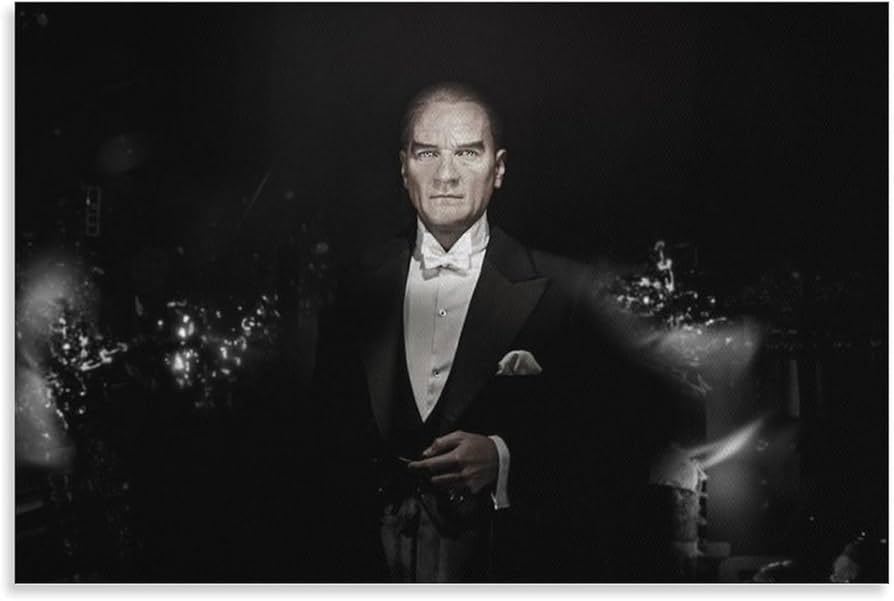
Ahmet Kenan Evren entered the world on July 17, 1917, in the town of Kula within the Manisa province of the Ottoman Empire. Born into a family with deep roots in the region, his early life unfolded against the backdrop of the empire's collapse and the birth of the modern Republic of Turkey. Like many young men of his generation who sought stability and purpose, Evren turned toward the military as a path forward. He attended the prestigious Turkish Military Academy, where he received rigorous training in strategy, leadership, and discipline. The academy instilled in him a strict adherence to secular principles and national unity, values championed by Mustafa Kemal Atatürk that would shape his entire career.
After graduating in 1938, Evren began his service in various infantry and staff positions within the Turkish Army. He climbed the ranks steadily over the next four decades, gaining experience in command roles that tested his resolve and tactical thinking. By the 1960s and 1970s, he had become a Lieutenant General and eventually took command of the Turkish Land Forces Command. His reputation grew as a loyal servant of the state and a capable commander during times of regional tension. In 1974, he played a key role in the Turkish invasion of Cyprus, an operation that solidified his standing among senior military leaders. These formative years built the foundation for his eventual ascent to the highest levels of power in the nation.
Career Growth
Evren's rise to the pinnacle of power culminated in the September 12, 1980, military coup, the third such event in Turkish history. Seizing control amidst severe political instability and street violence between left-wing and right-wing factions, he suspended the constitution and dissolved parliament. Following the adoption of a new constitution via referendum in November 1982, the Grand National Assembly elected him as the seventh President of Turkey. He held this office for seven years, overseeing a period of significant economic liberalization while maintaining strict controls on civil liberties, freedom of speech, and assembly.
His tenure concluded on November 9, 1989, when he retired from public office after completing his term. The post-presidency years were quiet until legal proceedings resumed regarding his role in the 1980 coup. In June 2014, a Turkish court sentenced him to life imprisonment for staging the coup and stripping him of his military rank from Field Marshal to Private. Although the sentence was suspended due to his advanced age and poor health, the conviction marked a dramatic end to a career that had once placed him at the head of the state.
Career Timeline
Public Image & Style
Kenan Evren's public image is deeply polarized, reflecting the divided nature of Turkish society regarding his rule. To conservative supporters, he is remembered as a "savior" who restored order to a country descending into near-civil war. They credit him with stabilizing the nation during a chaotic era. Conversely, opponents and human rights organizations view him as a dictator responsible for mass arrests, torture, and the suppression of democracy. Media portrayals often focus on his stern demeanor and the heavy-handed nature of his regime. His appearance in uniform and official presidential portraits became iconic symbols of the military's influence in Turkish politics.
Fame & Fandom (iFAMOUS Rankings)
The iFANN Global Fame Engine has evaluated Ahmet Kenan Evren, but he does not currently hold a placement in the published rankings (Global Top 1,000 or a Top-100 scope list). As of the August 2026 data, he is outside the current published rankings, meaning his fame is measured by historical significance rather than active celebrity metrics. Unlike entertainers, Evren did not cultivate a formal fanbase with a specific name or organized campaigns. Public interaction surrounding him remains strictly political, oscillating between nostalgic reverence for stability among conservatives and sharp condemnation for human rights violations among opposition groups. His presence in global memory is driven by his role as a military dictator and former president rather than cultural influence. While entertainment icons gather crowds for concerts, Evren gathered scrutiny for courtrooms, culminating in his 2014 conviction for crimes against the state before his death in 2015. The absence of a fandom does not diminish his impact; it merely shifts the nature of his remembrance from adoration to historical reckoning.
Interesting Facts and Legends
Unlike many politicians of his stature, Kenan Evren had a creative side; he was an accomplished painter who enjoyed creating landscapes and portraits in his spare time. His most infamous legacy is tied to a chilling quote he gave regarding the actions taken during the 1980 coup: "I never felt a pang of conscience." This statement has become a central reference point in discussions about authoritarian accountability and the lack of remorse among military leaders. Evren also played a pivotal role in drafting the 1982 Constitution, which remains the foundational legal document of modern Turkey despite numerous amendments over the years. Another unique aspect of his story is the legal challenge to his honors; he became one of the few individuals in Turkish history to have his highest military rank legally challenged and effectively nullified by a civilian court decision decades after his death.
Notable Quotes
“I never felt a pang of conscience.”
“The army is the guardian of the republic.”
Family & Personal Life
Evren was married to Sekine Evren, a union that lasted for approximately four decades starting in the 1960s. Together they raised three children, though details about their private lives remain relatively scarce compared to his public persona. The couple lived a life that balanced his demanding military career with domestic responsibilities until Sekine passed away, leaving Evren widowed before his own death. There are no widely reported extramarital affairs or other public romantic relationships documented in credible sources. His family life was characterized by the traditional values of his upbringing and the strict discipline required by his profession.
Notable Connections
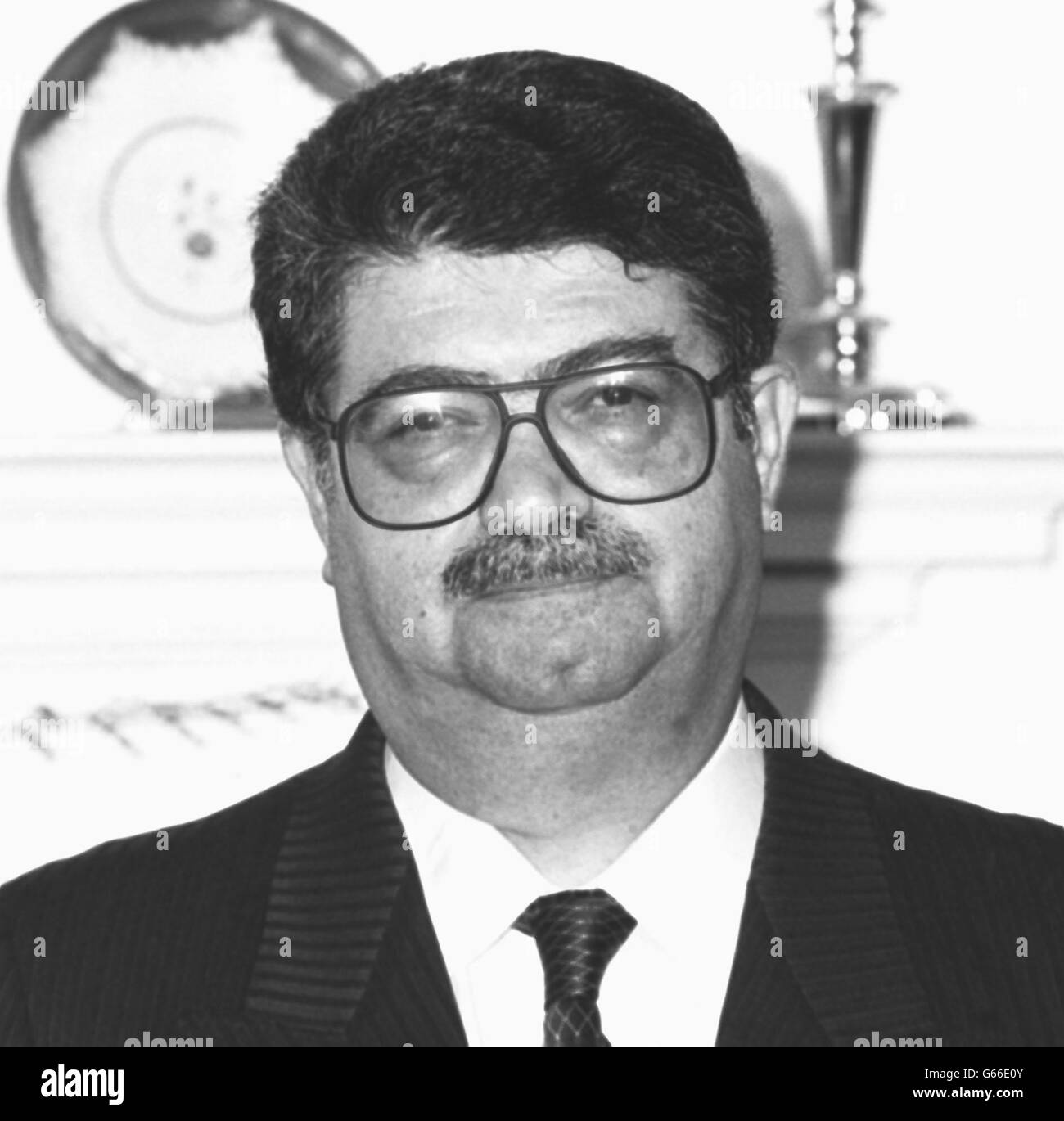
Süleyman Demirel, Turgut Özal, Sekine Evren, Hulusi Akar.
Relationships & Dating History
Kenan Evren was married to Sekine Evren for nearly forty years, beginning in the 1960s. Their marriage was a long-standing partnership that lasted until Sekine's death, leaving Evren widowed before his own passing in 2015. There are no widely reported extramarital affairs or other public romantic relationships documented in credible sources. He remained devoted to his wife throughout his long career in the military and politics. As of his death in 2015, he was widowed, having lost his spouse prior to his own passing. No further relationships were recorded after his wife.
- MarriedSekine Evren1960 - presentMarried for nearly forty years until her death; Evren was widowed at the time of his own death.
Death & Aftermath
Died
May 9, 2015 (aged 97)
Death Place
Ankara, Turkey
Cause of Death
Natural causes associated with old age
The death of Ahmet Kenan Evren sparked a sharply divided response across Turkey, reflecting the deep fissures his legacy had carved into the nation's history. Supporters viewed him as a savior who restored order to a country fractured by violence in the late 1970s, while critics condemned him as a dictator responsible for widespread human rights abuses and the suppression of political dissent. Obituaries in major international publications like The New York Times, The Washington Post, and The Guardian served as the primary tributes, summarizing his iron-fisted rule and eventual downfall rather than offering unified celebrations. He passed away on May 9, 2015, in Ankara at the age of 97, having spent his final months under house arrest following a June 2014 conviction that sentenced him to life imprisonment for staging the coup d'état.
A state funeral followed shortly after his death, with Evren buried in the Cebeci Asri Cemetery, a common resting place for high-ranking Turkish military officials and politicians. Five years later, legal scrutiny continued to dog his memory when a Turkish prosecutor sought to strip him of his military rank and honors in February 2020, arguing that his status should be revoked due to his prior conviction.
Net Worth (Estate Value)
$0
iFANN Editorial Team estimate
As a state official and military leader, Kenan Evren did not accumulate wealth through commercial ventures, endorsements, or entertainment contracts. His income was derived entirely from his salary as a military officer and later as President, followed by a pension upon retirement. No specific estate valuation is available, and his assets were likely modest compared to modern celebrities, consisting of real estate and savings typical for a senior military officer of his era. The 2014 court ruling focused on his political crimes rather than asset forfeiture, though his rank was stripped. Research by the iFANN Editorial Team puts his fortune at around $0, as his financial profile reflects public service rather than private enterprise accumulation.
Awards & Accolades
View 2 records, honours and achievementsKnown For
1980 Turkish Coup d'état
1980 · Leader
President of Turkey
1982 · 7th President
Keywords
Sources
Quick Facts
- Profession
- statesperson, military personnel, politician
- Born
- July 17, 1917
- Birthplace
- Kula, Manisa
- Died
- May 9, 2015
- Death Place
- Ankara
- Gender
- Male
- Spouse
- Sekine Evren
- Birth Sign
- Cancer
Personal Details
- Full Name
- Ahmet Kenan Evren
- Spouse
- Sekine Evren
- Children
- Three children
- Education
- Turkish Military Academy
Frequently Asked Questions
Who was Kenan Evren?
How did Kenan Evren die?
Was Kenan Evren convicted of a crime?
Did Kenan Evren have any children?
What is Kenan Evren's legacy?
Similar People
Join the community
fans discussing