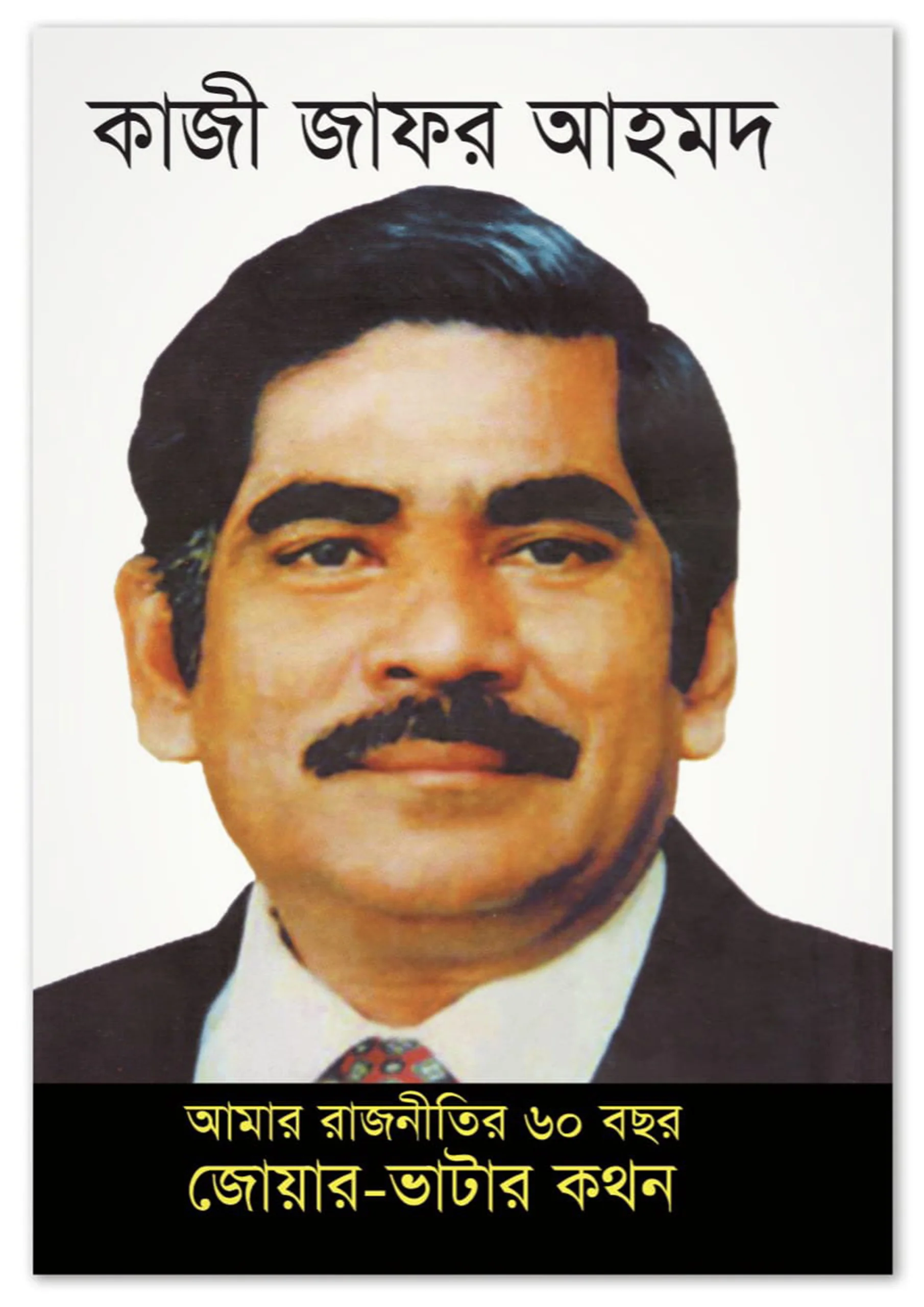
Kazi Zafar Ahmed
 Bangladesh
Also known as: Kazi Zafar Ahmad
Birthday
July 1, 1939
Birth Sign
Capricorn
Birthplace
Chauddagram, Comilla District
Age
Died at 76
About
Kazi Zafar Ahmed stands as a defining figure in modern Bangladeshi political history, best known for serving as the eighth Prime Minister of the nation during a critical transitional period from December 1989 to April 1990. Born in Chauddagram within the Comilla district, he dedicated his life to public service, emerging early on as a key organizer of the Liberation War and a central architect of the Jatiya Party. His career spanned decades, characterized by significant political maneuvering that included a dramatic period of exile in Australia due to corruption charges before his eventual return to lead a breakaway faction of his party. He passed away on August 27, 2015, leaving behind a complex legacy defined by his tenure as a head of government during a volatile era in Bangladesh's democratic evolution.
Early Life & Background
Kazi Zafar Ahmed was born on July 1, 1939, in the village of Chauddagram in the Comilla district, which was then part of British India and later became East Pakistan. He hailed from a family with deep roots in the region's socio-political fabric, where his father was a respected local landowner. From a young age, Ahmed displayed an intense interest in politics and social organization, often attending local gatherings where community leaders debated the future of Bengal. His early life was profoundly shaped by the growing movement for Bengali rights and the escalating struggle for independence from Pakistan. He became one of the leaders in the movement to gain independence from Pakistan, actively participating in the Bangladesh Liberation War of 1971. This period solidified his reputation as a valiant freedom fighter, a title frequently cited in biographical accounts.
Before ascending to national prominence, Ahmed pursued higher education at Dhaka University, where he joined the student wing of the Awami League. While specific university details are often omitted in general summaries, his early career was characterized by his involvement in student politics and local leadership roles. He served as a member of the Jatiya Sangsad (Parliament) multiple times, representing his constituency with dedication. His early steps toward a political career were marked by his organizational skills; he was known as a tireless organizer who could mobilize support across different factions of the political spectrum. By the late 1970s, he had become a senior leader in the Bangladesh Nationalist Party under Ziaur Rahman, eventually becoming a close confidant of President Hussain Muhammad Ershad, which paved the way for his entry into the Jatiya Party.
Career Growth
Ahmed's political career is defined by his rapid ascent and subsequent volatility, marked by a series of high-stakes appointments and strategic shifts. In 1971, he played a pivotal role in the Bangladesh Liberation War as a freedom fighter. Between 1979 and 1982, he served as a minister in the BNP government, holding portfolios such as Information and Communications, where he managed state media narratives. In 1984, he joined the newly formed Jatiya Party after its formation by President Ershad, quickly rising through the ranks to become a trusted lieutenant. By 1986, he was appointed Deputy Prime Minister and Leader of the House in the Jatiya Sangsad, consolidating his power within the Ershad regime and overseeing legislative agendas.
His tenure as Prime Minister began in December 1989 following the resignation of Khandaker Mushtaque Ahmed and lasted until April 1990. His term was short but critical, occurring during a period of intense political unrest and mass protests against the Ershad regime, culminating in the restoration of parliamentary democracy. Following the fall of the Ershad government in 1990, Ahmed remained active in the Jatiya Party but faced internal strife and shifting alliances. In 2003, he faced significant legal challenges involving corruption charges, leading to his departure from Bangladesh and seeking asylum in Australia. He returned to Bangladesh in 2009 after the Australian government reviewed his asylum case, facing renewed political scrutiny. In 2013, he was expelled from the main Jatiya Party presidium but continued to lead a breakaway faction, publicly supporting opposition leader Khaleda Zia of the BNP.
Career Timeline
Public Image & Style
Kazi Zafar Ahmed is portrayed in media as a pragmatic, far-sighted, and sometimes controversial statesman who navigated the complexities of Bangladeshi politics with remarkable resilience. He is remembered as a key organizer and a loyalist who eventually broke with his mentors to forge his own path, earning him a reputation as a shrewd operator. His public image is one of a seasoned politician who commanded respect through his oratory skills and ability to build coalitions, even if his legacy is marred by accusations of corruption and political opportunism. He was known for his ability to mobilize support across different factions of the political spectrum and for his tireless organizational skills. Colleagues often described him as a man of few words but decisive action, a trait that defined his leadership style during the turbulent years of the 1980s and 1990s.
Fame & Fandom (iFAMOUS Rankings)
Kazi Zafar Ahmed remains an unranked figure in the iFANN Global Fame Engine, holding no placement within the published Top 1,000 or any scope-specific lists as of September 2026. The evaluation confirms that while his historical tenure is documented, he does not currently generate sufficient global consumption signals to secure a numerical standing among the world's most famous individuals. His legacy exists firmly within the archives of Bangladeshi political history rather than the dynamic metrics of contemporary celebrity culture. Unlike entertainers who cultivate dedicated followings, Ahmed commanded a base of political constituents and party members rather than a formalized fandom. No official or unofficial name has ever been assigned to his supporters, and the concept of a fanbase operating with the intensity of pop-culture movements never materialized around his persona. There were no organized clubs, viral campaigns, or grassroots projects initiated by admirers to promote his image through streaming, chart pushes, or digital billboards. Interactions with the public remained strictly within the bounds of parliamentary procedure, state functions, and party meetings, lacking the personal engagement typical of figures with a cult following. Tributes to his memory are conducted through standard political commemorations by his party and allies on anniversaries of his death, rather than through the spontaneous rituals or fan-funded initiatives seen in entertainment sectors. The absence of a named fandom reflects his status as a statesman whose influence was exercised through governance and policy, not through the cultural mythology or adoration that defines modern celebrity worship.
Interesting Facts and Legends
In 2003, Ahmed sought asylum in Australia, claiming political persecution, which sparked a diplomatic row between the two nations. The Australian Prime Minister questioned the grant of asylum, while the Bangladeshi government accused him of fleeing corruption charges related to his time in office. He was expelled from the Jatiya Party presidium in 2013 but continued to lead a splinter faction, demonstrating his resilience and independent political stance. Despite being a key figure in the ruling Jatiya Party, he publicly supported the opposition BNP leader Khaleda Zia in 2013, highlighting the complex and fluid nature of Bangladeshi politics. He was deeply connected to his hometown of Cumilla, where his funeral was held, and the area remains a focal point for his political legacy. His brief tenure as Prime Minister during the mass protests that ended the Ershad dictatorship represents a pivotal moment in Bangladesh's history. Additionally, he was known for his distinctive speaking style, often using rural dialects to connect with voters in his native Comilla district.
Notable Quotes
“Visionary thinker and tireless organizer.”
Family & Personal Life
Kazi Zafar Ahmed came from a prominent family in the Cumilla region, where his parents were well-known for their contributions to local community development. He was married to a woman whose name remains largely private, as she chose to stay out of the public eye throughout his long political career. The couple raised two children, both of whom have maintained a low profile away from the political spotlight. Ahmed's household in Dhaka was known for its modesty despite his high office, often hosting only close family members and trusted political aides for dinner gatherings. He frequently visited his ancestral home in Chauddagram, where he spent significant time with his extended family, including siblings who assisted him in managing local party affairs. His relationship with his children was supportive but distant, prioritizing his political duties over family events. He passed away in 2015, and his family members have largely stayed out of the media spotlight, preserving the privacy of his domestic affairs.
Notable Connections
Relationships & Dating History
Public records regarding Kazi Zafar Ahmed's personal romantic life are sparse, reflecting the nature of his public persona as a statesman rather than a celebrity. There are no widely documented or verified public romantic relationships, engagements, or divorces reported in credible news sources or biographies. He is generally described as having maintained a private personal life focused on his political duties. Consequently, there is no information available regarding marriage dates, children, or current relationship status in the context of dating history. He passed away in 2015, and his family members have largely stayed out of the media spotlight, preserving the privacy of his domestic affairs. His marriage was reportedly a traditional arrangement that lasted until his death, with no public controversies or scandals surrounding his personal relationships.
Death & Aftermath
Died
August 27, 2015 (aged 76)
Death Place
Dhaka
Cause of Death
Illnesses related to diabetes and kidney failure
On Thursday, August 27, 2015, at approximately 8:00 AM, Kazi Zafar Ahmed passed away at United Hospital in Dhaka. He was 76 years old at the time of his death. The official cause was attributed to illnesses related to diabetes and kidney failure, conditions he had battled for some time prior to his final days. His last known political activity involved leading a faction of the Jatiya Party after being expelled from the main party presidium, though no specific public appearance was documented immediately before his passing. The hospital confirmed that he had been admitted three days earlier due to complications from chronic illness.
Funeral arrangements were conducted with full state honors appropriate for a former head of government. Funeral prayers were held in his hometown of Cumilla, where he was buried shortly after his death on August 27, 2015. The funeral was attended by numerous political leaders and dignitaries who acknowledged his service as a prominent parliamentarian and former Prime Minister. Media outlets such as Prothom Alo, The Daily Star, and the state-run Bangladesh Sangbad Sangstha issued obituaries highlighting his role as a senior leader. On the day of his death, The Daily Star published a back-page tribute titled "Kazi Zafar no more." The procession to the burial site was marked by a heavy presence of Jatiya Party workers and ordinary citizens who lined the streets to pay their respects.
Public reaction included official tributes from political peers. In August 2025, the tenth anniversary of his passing was commemorated by the Bangladesh Sangbad Sangstha and his political allies, reaffirming his status as a visionary thinker and tireless organizer within the nation's political history. While historical records mention corruption charges during his career that led to asylum in Australia in 2003, these matters remained unrelated to the circumstances of his death, which faced no further legal scrutiny beyond standard administrative procedures. His death marked the end of an era for the Jatiya Party, as many of his contemporaries had already passed away or retired from active politics.
Net Worth (Estate Value)
$0
iFANN Editorial Team estimate
Specific net worth figures for Kazi Zafar Ahmed are not publicly disclosed or estimated by financial outlets like Forbes or Celebrity Net Worth, as is typical for politicians who do not engage in commercial ventures or celebrity endorsements. Unlike entertainers, his wealth was likely derived from his salary as a Member of Parliament and government official, along with any personal assets accumulated over a lifetime of public service. No detailed breakdown of real estate holdings, business ventures, or investment portfolios has been made public. His estate value is similarly unquantified in public records. However, it is known that he owned a modest residence in Dhaka and a family estate in Cumilla, which were passed down to his heirs without public auction or sale. The lack of transparency regarding his finances is consistent with the norms of Bangladeshi political life during his era, where asset declarations were often incomplete or contested.
Awards & Accolades
View 3 records, honours and achievementsKnown For
Prime Minister of Bangladesh
1989 · 8th Prime Minister
Jatiya Party Leadership
1984 · Senior Leader
Bangladesh Liberation War
1971 · Freedom Fighter
Keywords
Sources
Quick Facts
- Profession
- politician
- Born
- July 1, 1939
- Birthplace
- Chauddagram
- Died
- August 27, 2015
- Death Place
- Dhaka
- Gender
- Male
- Birth Sign
- Capricorn
Personal Details
- Full Name
- Kazi Zafar Ahmed
- Children
Frequently Asked Questions
Who was Kazi Zafar Ahmed?
When did Kazi Zafar Ahmed die?
Why did Kazi Zafar Ahmed go to Australia?
What party was Kazi Zafar Ahmed associated with?
Did Kazi Zafar Ahmed have children?
Similar People
Join the community
fans discussing