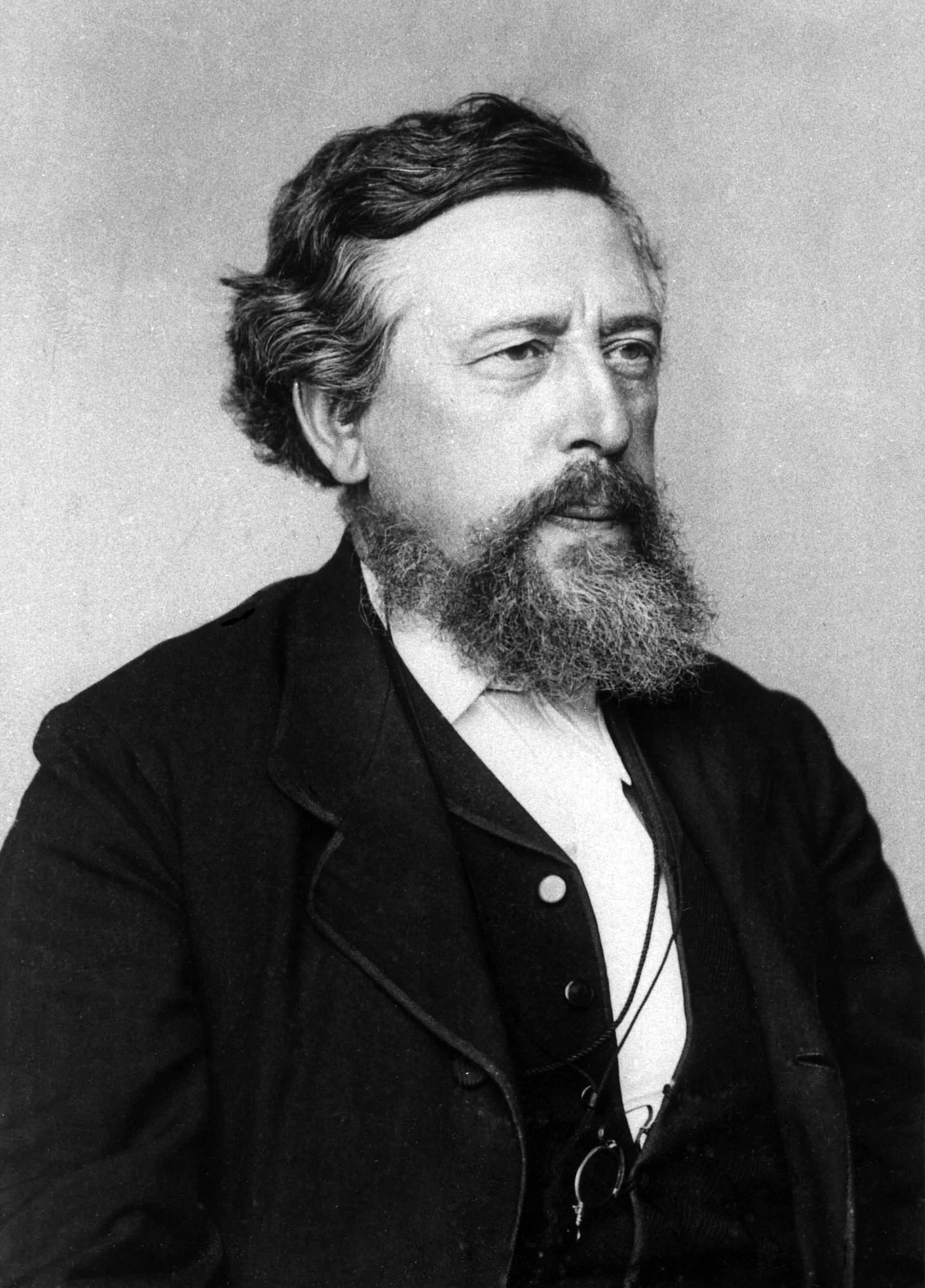
Karl Liebknecht
 Germany
politician•lawyer•revolutionary
Also known as: Karl Paul August Friedrich Liebknecht
Birthday
August 13, 1871
Birth Sign
Leo
Birthplace
Leipzig, Germany
Age
Died at 47
About
Karl Liebknecht was a German socialist politician, lawyer, and revolutionary who became one of the most prominent figures of the far left in early 20th-century Germany. Born in Leipzig on August 13, 1871, he was the son of Wilhelm Liebknecht, a co-founder of the Social Democratic Party of Germany (SPD). Following in his father's footsteps, Karl studied law and political economy, but his political activism quickly overshadowed his legal career. In 1907, he was imprisoned for a year after publishing an anti-militarism pamphlet that criticized the German army. His defiance earned him a reputation as a radical, and in 1912 he was elected to the Reichstag, where he continued to push against the establishment. When World War I broke out in 1914, the SPD voted to support the German war effort, a decision Liebknecht fiercely opposed. He became the most vocal critic of the war within the party, co-founding the Spartacus League with Rosa Luxemburg to organize anti-war resistance. His outspoken stance led to his expulsion from the SPD in 1916, and he was later imprisoned for leading an illegal demonstration. In 1917, the Spartacus League joined the Independent Social Democratic Party (USPD), but Liebknecht's vision grew more revolutionary. He was released from prison in October 1918, just days before the November Revolution that toppled the German monarchy. On November 9, 1918, he famously proclaimed Germany a "Free Socialist Republic" from the balcony of the Berlin Palace. Liebknecht's push for a soviet-style republic was rejected by the Reich Congress of Workers' and Soldiers' Councils in December 1918, leading him to co-found the Communist Party of Germany (KPD) later that month. In January 1919, he and Luxemburg led the Spartacist uprising, a failed attempt to seize power in Berlin. The uprising was brutally suppressed by the SPD-led government, and on January 15, 1919, Liebknecht and Luxemburg were captured by Freikorps paramilitaries and executed without trial. Their deaths turned them into martyrs for the communist and socialist movements across Europe. Today, Liebknecht is remembered as a fearless opponent of war and a tireless advocate for working-class revolution, with his legacy still honored by the German left.
Early Life & Background
Karl Liebknecht entered the world in Leipzig on August 13, 1871, into a family already steeped in the labor movement. His father, Wilhelm Liebknecht, was a founding member of the Social Democratic Party of Germany (SPD) and a respected Marxist theorist. Growing up in this politically charged environment meant that Karl's childhood was less about typical schooling and more about absorbing the principles of socialism and workers' rights. By the time he reached university age, his path was clear; he would not be a passive observer of history but an active participant. He enrolled at the University of Leipzig to study law and political economy. While many students used these years to build conventional careers, Karl spent his time organizing student groups and writing for socialist publications. His legal studies provided him with the tools to defend fellow activists in court, but his heart remained with the radical cause. By the time he completed his degree and was admitted to the bar in 1895, his legal practice was merely a cover for his growing political influence. He married Sophie Ruppel in 1899, a fellow activist who shared his dedication to the movement. Together they raised two children, Franz and Marianne, while navigating the dangers of a state increasingly hostile to socialist agitation. Before his rise to national prominence, Karl had already established himself as a fierce critic of militarism and a dedicated organizer within the SPD, setting the stage for the dramatic events that would follow.
Career Growth
Liebknecht's professional trajectory was dominated by political struggle rather than commercial success. After being admitted to the bar in 1895, he quickly shifted focus to representing socialists in court. His first major breakthrough came in 1900 when he was elected to the Reichstag (German Parliament) as a member of the SPD, a position he held with interruptions until his death. However, his true impact lay in his ideological leadership. In 1907, Liebknecht was imprisoned for one year after publishing an anti-militarist pamphlet titled Militarism and Anti-Militarism, which criticized the German army and the government's war preparations. This act cemented his reputation as a radical within the party. In 1912, he was re-elected to the Reichstag, becoming one of its youngest members. The pivotal moment of his career occurred during World War I. When the SPD voted to support war credits in August 1914, Liebknecht was the only member of the SPD parliamentary group to vote against it. On December 2, 1915, in the Reichstag, he famously shouted "Gegen alle!" ("Against all!") while casting his solitary vote against further war credits. This act made him a symbol of resistance but led to his expulsion from the SPD in 1916. He was subsequently arrested and sentenced to four years in prison for high treason and inciting mutiny among soldiers. While in prison, he continued to correspond with Rosa Luxemburg, and together they co-founded the Spartacus League (Spartakusbund) in 1916, an underground organization dedicated to overthrowing the monarchy and establishing a socialist republic. Upon his release in October 1918, following the collapse of the German Empire, Liebknecht emerged as a central figure in the November Revolution. On November 9, 1918, he proclaimed the "Free Socialist Republic" from the balcony of the Berlin Palace, directly challenging the moderate socialist leadership of Friedrich Ebert. In late December 1918, Liebknecht helped found the Communist Party of Germany (KPD), splitting the left-wing movement into reformist and revolutionary factions. In January 1919, he and Luxemburg led the Spartacist Uprising, an armed insurrection in Berlin aimed at seizing power. The uprising was brutally suppressed by the government using right-wing paramilitary forces known as the Freikorps.
Career Timeline
Public Image & Style
Karl Liebknecht is portrayed in media and history as a fearless, uncompromising revolutionary. He is depicted as a man of principle who placed his ideals above his safety, ultimately sacrificing his life for his beliefs. His image is often associated with the color red, the hammer and sickle, and the slogan "Workers of the world, unite!" He is remembered as a man of intense intellectual presence and unwavering resolve, typical of the revolutionary leaders of his era. His public persona was defined by his refusal to compromise on anti-war principles, even when it meant isolation from his own party.
Fame & Fandom (iFAMOUS Rankings)
Karl Liebknecht commands a legacy defined not by pop-culture fandoms but by the enduring political rituals of activists who treat his life as a foundational text. While no organized fanbase with a formal name gathers to chart streams or erect billboards, his mythos persists through annual demonstrations where thousands reject rearmament and chant slogans inherited from the early twentieth century. These gatherings transform historical tragedy into living political practice, with red ribbons and specific chants serving as the only recognizable markers of devotion. The narrative of his sole vote against war credits in 1915, his co-founding of the Spartacus League alongside Rosa Luxemburg, and his brutal execution by Freikorps troops form the core stories retold by historians and radicals alike. Artistic tributes, such as Käthe Kollwitz's lithographs, further cemented his image as an icon of grief and resistance within German cultural memory. Although East German state propaganda once elevated him to national hero status, his modern reputation rests on the authenticity of his martyrdom rather than manufactured celebrity. In August 2026, iFANN evaluated this figure to determine their standing among global personalities. Karl Liebknecht has been evaluated by iFANN but does not currently hold a placement in the published rankings (Global Top 1,000 or a Top-100 scope list).
Interesting Facts and Legends
Born in Leipzig in 1871, Karl Liebknecht was the son of Wilhelm Liebknecht, a co-founder of the Social Democratic Party of Germany. He studied law and political economy before his activism overshadowed his legal career, leading to a year-long imprisonment in 1907 for publishing an anti-militarism pamphlet. A verified historical legend involves his singular vote against war credits in the Reichstag in 1915, where he shouted "Gegen alle!" (Against all!), becoming the sole member to break with his party. Another pivotal moment occurred in 1916 when he co-founded the Spartacus League with Rosa Luxemburg, fracturing the German left between reformists and revolutionaries. His death remains a potent story; arrested without warrants following the Spartacist Uprising, he and Luxemburg were executed by right-wing paramilitary troops at the Hotel Eden in Berlin on January 15, 1919. Their bodies were disposed of without legal process, creating a martyrdom narrative that fueled leftist mythology for over a century. This event is commemorated annually as a day of mourning, with the 100th anniversary in 2019 drawing massive global attention.
Notable Quotes
“Gegen alle!”
“The main enemy is at home.”
“Socialism means freedom.”
Family & Personal Life
Karl Liebknecht was born into a family deeply embedded in the labor movement. His father, Wilhelm Liebknecht, was a co-founder of the Social Democratic Party of Germany (SPD) and a prominent Marxist theorist. Karl's mother, although less publicly documented, supported her husband's political endeavors and raised their son in an environment where socialist ideals were the norm. Karl married Sophie Ruppel in 1899, a fellow socialist and activist who remained his sole partner throughout their lives until his death. Sophie was a dedicated activist in her own right, often working alongside her husband. They had two children: Franz Liebknecht, who also became a prominent communist politician, and Marianne Liebknecht. Sophie outlived her husband by many years, continuing to advocate for the memory of her husband and Rosa Luxemburg until her own death in 1970.
Notable Connections
Relationships & Dating History
Karl Liebknecht was married to Sophie Ruppel, a fellow socialist and activist whom he met through their shared involvement in the movement in the late 19th century. They married in 1899 and remained partners until his death in 1919. Sophie was a dedicated activist in her own right, often working alongside her husband. There are no records of any other romantic relationships or affairs; Sophie remained his only spouse. They had two children: Franz Liebknecht, who became a prominent communist politician, and Marianne Liebknecht. Sophie outlived her husband by many years, continuing to advocate for the memory of her husband and Rosa Luxemburg until her own death in 1970.
- MarriedSophie Ruppel1899 - 1919Lifelong partner and fellow activist; she died in 1970.
Death & Aftermath
Died
January 15, 1919 (aged 47)
Death Place
Berlin, Germany
Cause of Death
Homicide: gunshot wounds and blunt force trauma
On the evening of January 15, 1919, Karl Liebknecht was arrested by members of the Freikorps while attempting to move through Berlin following the suppression of the Spartacist uprising. He was taken to the Hotel Eden in Berlin, where he was held alongside Rosa Luxemburg before being beaten with rifle butts and shot in the head near the hotel's courtyard or entrance area. A trial did not occur until much later, with Waldemar Pabst, the officer who ordered the killing, eventually convicted in 1958 after a retrial in West German courts, though he served only a portion of his sentence before release. The immediate public reaction among the working class and left-wing movements was one of shock and outrage, sparking massive demonstrations across Germany that drew over 100,000 people to a funeral procession and rally on January 16, 1919.
This procession moved through the city to the Zentralfriedhof Friedrichsfelde, where Liebknecht was buried in a grave adjacent to Rosa Luxemburg, creating a significant memorial landmark often referred to as the Memorial to the Victims of Fascism. Following his death, Liebknecht was honored with numerous posthumous recognitions, including the naming of the Karl-Liebknecht-Haus and various streets, schools, and squares across Germany, particularly in the former East Germany, while Käthe Kollwitz created the famous lithograph In Memoriam Karl Liebknecht in 1920.
Net Worth (Estate Value)
$0
iFANN Editorial Team estimate
Karl Liebknecht did not accumulate personal wealth; he was a public servant and revolutionary who lived modestly. His estate value is effectively zero in terms of personal assets. Posthumously, his estate (in the form of intellectual property, books, and archives) is managed by various socialist foundations, libraries, and the German state. Revenue generated from the licensing of his works, the sale of commemorative items, and the operation of his memorial sites goes to these institutions rather than to heirs. The "net worth" of his legacy is measured in cultural capital and political influence rather than financial assets.
Awards & Accolades
View 3 records, honours and achievementsKnown For
Karl Liebknecht
1919 · Revolutionary Leader
Keywords
Sources
Quick Facts
- Profession
- politician, lawyer, revolutionary
- Born
- August 13, 1871
- Birthplace
- Leipzig
- Died
- January 15, 1919
- Death Place
- Berlin
- Gender
- Male
- Spouse
- Sophie Liebknecht
- Birth Sign
- Leo
Personal Details
- Full Name
- Karl Paul August Friedrich Liebknecht
- Spouse
- Sophie Liebknecht
- Children
- Franz Liebknecht · Marianne Liebknecht
- Education
- University of Leipzig (Law and Political Economy)
Frequently Asked Questions
Who killed Karl Liebknecht?
Why did Karl Liebknecht vote against war credits?
What happened to Karl Liebknecht's body?
Did Karl Liebknecht have children?
Is Karl Liebknecht still remembered today?
Similar People
Join the community
fans discussing