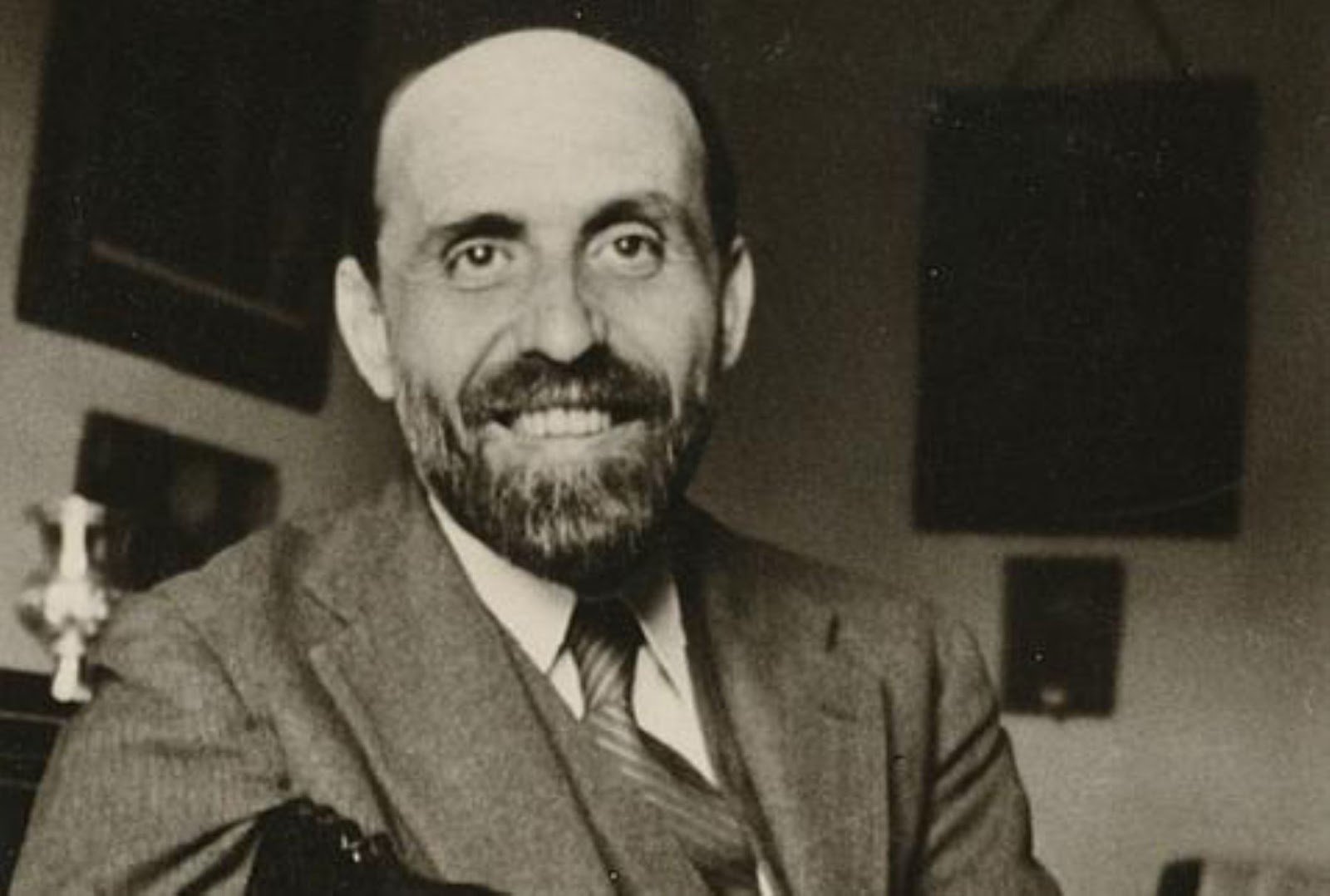
Juan Ramón Jiménez
 Spain
SpainAlso known as: Juan Ramon Jimenez Mantecon, Juan Ramón Jiménez Mantecón
Birthday
December 23, 1881
Birth Sign
Sagittarius
Birthplace
Moguer, Andalusia, Spain
Age
Died at 76
About
Juan Ramón Jiménez Mantecón was a seminal Spanish poet, essayist, and librettist whose career defined the trajectory of 20th-century Spanish literature. Born on December 23, 1881, in Moguer, Andalusia, he is best known for his philosophy of "pure poetry" (*poesía pura*), which sought to strip language of all superfluous elements to reveal its essential spiritual core. His most enduring work, *Platero y yo* (Platero and I), published in 1914, remains a cornerstone of Spanish education globally. In 1956, he was awarded the Nobel Prize in Literature "for his lyrical poetry, which in the Spanish language constitutes an example of high spirit and artistically pure style." He died on May 29, 1958, in San Juan, Puerto Rico, where he had lived in exile since fleeing the Spanish Civil War. His work is celebrated for its precision, clarity, and emotional depth, transcending the boundaries of language and time. The poet's legacy continues to influence writers and readers around the world through his unique ability to capture the essence of nature and human emotion.
Early Life & Background
Juan Ramón Jiménez Mantecón was born into a wealthy family in Moguer, a town in the province of Huelva, Andalusia. His father, Juan Ramón Jiménez Rodríguez, was a lawyer and landowner, while his mother, María de los Dolores Jiménez, was the daughter of a local merchant. From a young age, Juan Ramón displayed a profound sensitivity and a love for nature, often walking through the olive groves and fields of Moguer, experiences that would later permeate his writing. He suffered from ill health as a child, including a severe case of tuberculosis that kept him bedridden for months, fostering a deep introspection and a retreat into books and imagination. His early education took place in Moguer and later in Seville. He attended the University of Seville but did not complete a degree in law, preferring to immerse himself in literature and the arts. By his teenage years, he was already writing poetry with a romantic, modernist flair. His first publications appeared in local newspapers, and by 1900, at the age of 18, he published his first two collections: *Ninfeas* and *Almas de violeta*. These early works were heavily influenced by French Symbolism and the Spanish Modernismo movement, characterized by lush imagery and musicality. He moved to Madrid in 1901, where he began to navigate the intellectual circles of the capital, working as a journalist and editor while refining his unique poetic voice.
Career Growth
Jiménez's career is defined by a relentless pursuit of poetic perfection and a series of stylistic evolutions. After moving to Madrid in 1901, he became part of the intellectual elite, contributing to various literary magazines. His early career was marked by a shift away from the ornate style of *Ninfeas* toward a more personal, intimate voice. Key milestones include the release of *Platero y yo* in 1914, a prose-poem masterpiece about a donkey named Platero, which became an instant classic and has been translated into dozens of languages. In 1917, the publication of *Diario de un poeta recién casado* (Diary of a Newly Married Poet) marked a pivotal turning point, signaling his shift toward "pure poetry." This work reflected a new aesthetic of precision, clarity, and emotional depth. In 1918, he published *Eternidades* (Eternities), further cementing his reputation for philosophical and lyrical depth. During the Spanish Civil War, he was forced to flee Spain in 1936, traveling through Cuba and the United States before settling in Puerto Rico. His prolific output during exile included major works such as *Animal de fondo* (Animal of Depth). In 1956, he was awarded the Nobel Prize in Literature, bringing global acclaim to his life's work. He died in San Juan, Puerto Rico, in 1958, shortly after receiving the prize.
Career Timeline
Public Image & Style
Juan Ramón Jiménez is remembered as a poet of great sensitivity and intellectual rigor. His public image is that of a solitary, contemplative figure who dedicated his life to the pursuit of artistic truth. He is often portrayed as a symbol of resilience and creativity in the face of adversity, particularly during his years of exile. His dedication to "pure poetry" earned him a reputation as a master of form and language, respected by peers and critics alike. Even in exile, he maintained a dignified presence, continuing to write and engage with literary circles despite the challenges of displacement. Contemporary accounts describe him as a man of slender build, often appearing frail due to his chronic health issues.
Fame & Fandom (iFAMOUS Rankings)
Juan Ramón Jiménez stands as the 78th most famous person in Art & Design, a position he has maintained with steady consistency since the previous cycle. This standing within the iFANN Global Fame Rankings reflects a global attention span that tracks media coverage and cultural consumption across decades. While modern celebrity culture often relies on active fanbases to drive visibility, the poet's legacy operates through a different mechanism entirely. There is no documented name for his followers, nor does his audience organize under a specific collective moniker. His admirers consist principally of scholars, students, and literary critics who engage with his work through academic study rather than social campaigns or digital rituals. The concept of fan-funded projects, birthday billboards, or interactive engagement remains absent from his biography, given that he passed away long before such phenomena emerged. Instead, his enduring presence is sustained by the continuous translation and study of his masterpieces, including *Platero y yo* and *Eternities*, which bridge the gap between early 20th-century Spanish verse and contemporary readers. Additionally, the Fundación Juan Ramón Jiménez maintains active profiles on platforms like Twitter and Facebook to promote his works, organizing events and sharing quotes as the digital hub for his fanbase.
Interesting Facts and Legends
The donkey featured in *Platero y yo* was based on a real animal owned by the poet's family in Moguer, blending fact and fiction to celebrate the bond between humans and animals. The creation of *Platero y yo* is legendary, reportedly written in a few weeks inspired by daily walks with the donkey. Jiménez spent time in New York City in the 1930s, where the city's energy served as a muse for his later works, contrasting sharply with the tranquility of his Andalusian roots. His concept of "pure poetry" was revolutionary, advocating for a form that eliminated narrative and descriptive elements to focus solely on the essence of emotion. He lived in exile for over 20 years, never returning to Spain during the Franco regime. His Nobel acceptance speech is considered a masterpiece of literary reflection, speaking to the importance of beauty and the poet's role in society. He was buried in the Cementerio de Santa María Magdalena in San Juan. Notable quotes attributed to him include "If they give you ruled paper, write the other way" and "I am not I. I am this one walking beside me whom I do not see..."
Notable Quotes
“If they give you ruled paper, write the other way.”
“I am not I. I am this one walking beside me whom I do not see...”
“I do not cut my life up into days but my days into lives, each day, each hour, an entire life.”
“The poet is a creator of worlds.”
Family & Personal Life
Juan Ramón Jiménez was married only once to Zenobia Camprubí Aymar, a Puerto Rican writer, translator, and scholar. They met earlier in his life, likely through literary circles, and their relationship was a profound partnership both personally and professionally. Zenobia became his muse, secretary, and collaborator, translating many of his works into English and managing his correspondence. She also introduced him to American culture and helped him navigate his life in exile. The couple had no children, dedicating their lives entirely to art and each other. Their marriage lasted until Jiménez's death in 1958, and Zenobia continued to manage his estate and promote his legacy after his passing. There are no records of other public romantic relationships or affairs; his life is widely portrayed as one dedicated entirely to his art and his wife.
Notable Connections
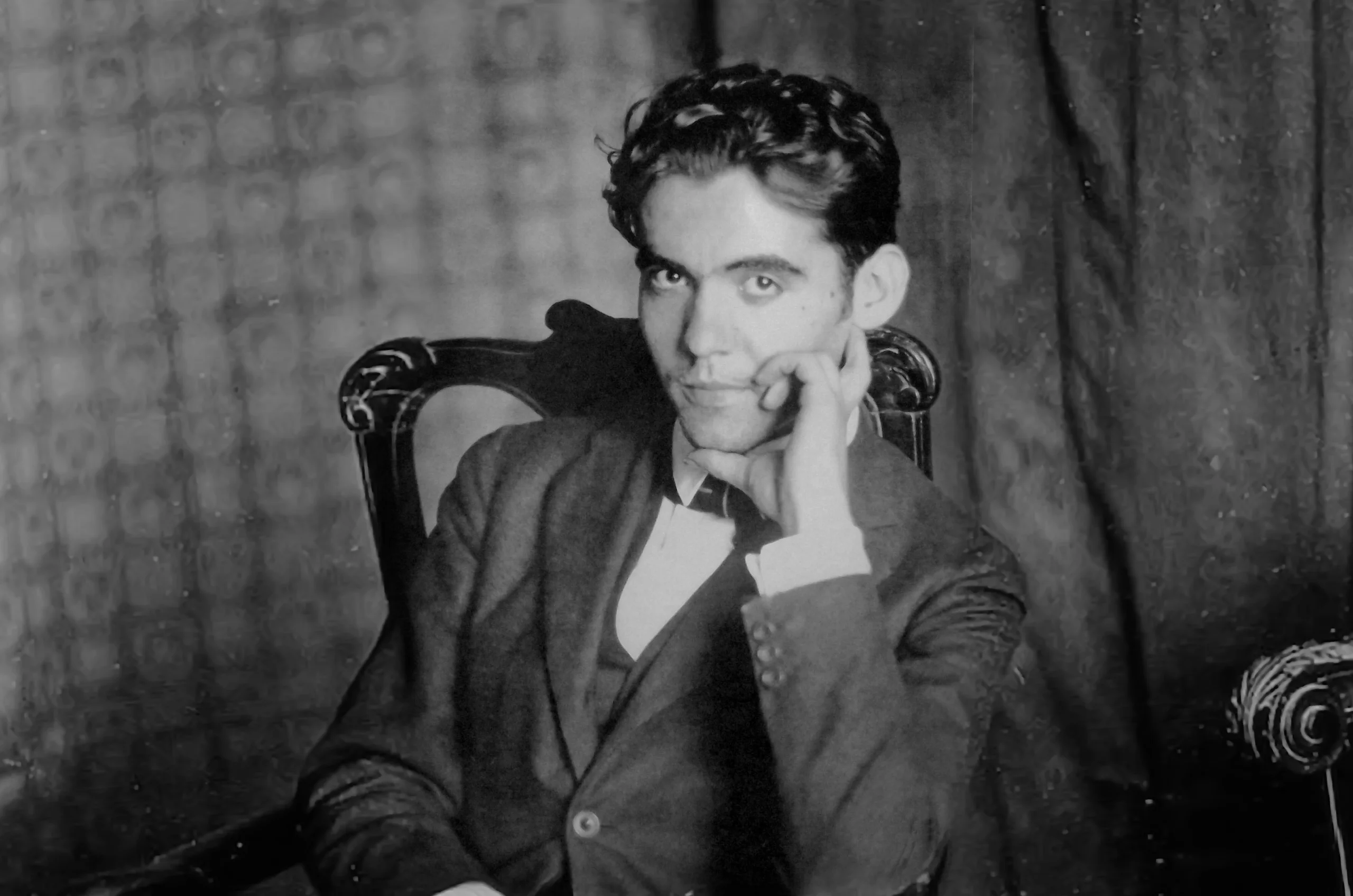
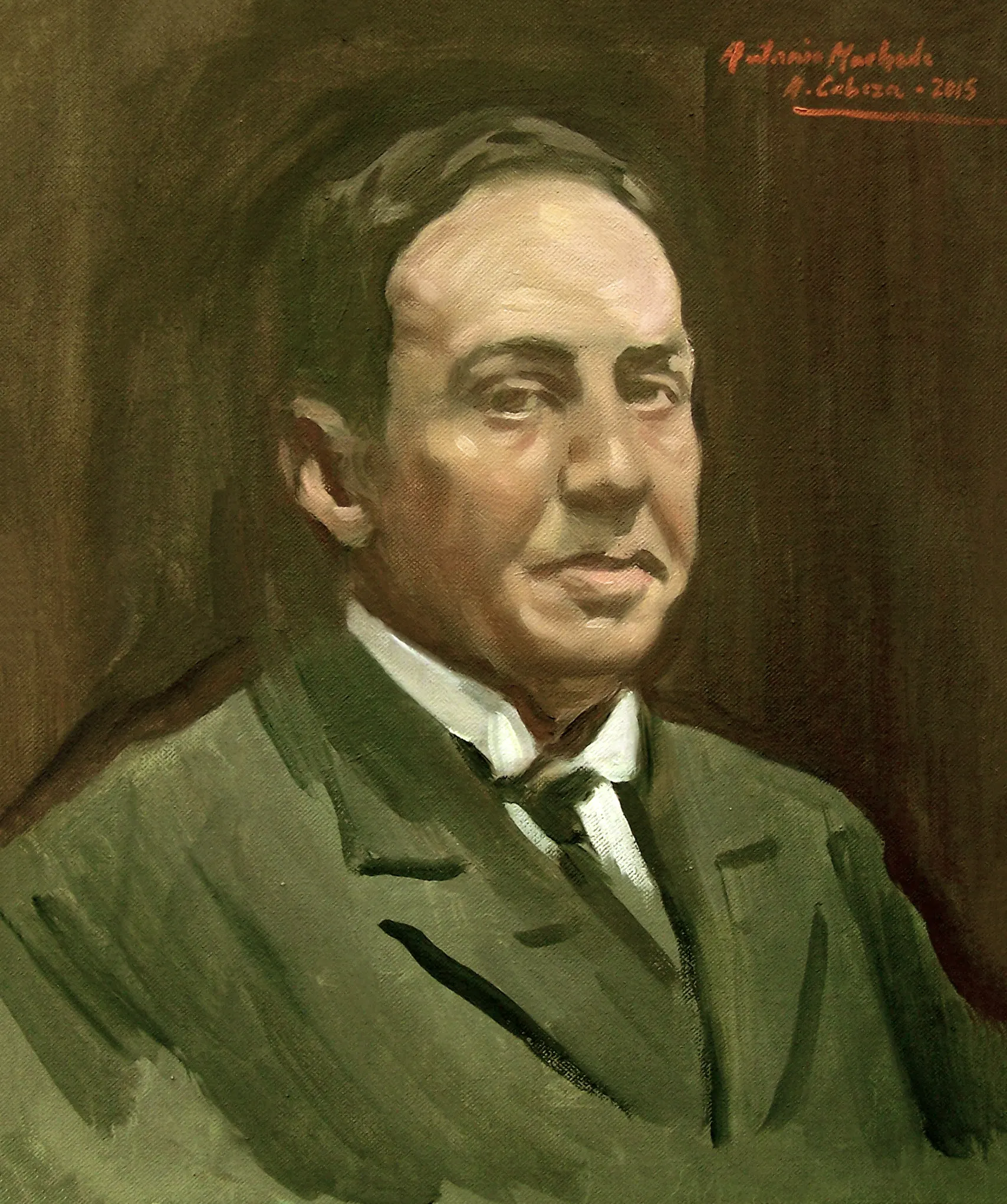
Zenobia Camprubí, Federico García Lorca, Antonio Machado
Relationships & Dating History
Juan Ramón Jiménez was married only once. On September 12, 1916, he married Zenobia Camprubí Aymar, a Puerto Rican writer, translator, and scholar. Their relationship was a profound partnership both personally and professionally. Zenobia became his muse, secretary, and collaborator, translating many of his works into English and managing his correspondence. She also introduced him to American culture and helped him navigate his life in exile. The couple had no children. Their marriage lasted until Jiménez's death in 1958. Zenobia continued to manage his estate and promote his legacy after his passing. There are no records of other public romantic relationships or affairs; his life is widely portrayed as one dedicated entirely to his art and his wife. Federico García Lorca was a fellow poet and friend who shared a connection to New York City with Jiménez.
- MarriedZenobia Camprubí1916 - 1958Married until his death; she managed his estate and promoted his legacy.
Death & Aftermath
Died
May 29, 1958 (aged 76)
Death Place
San Juan, Puerto Rico
Cause of Death
Natural causes related to age and declining health
Juan Ramón Jiménez passed away on May 29, 1958, in San Juan, Puerto Rico, at the age of 76. He died in his home while living in exile after fleeing Spain following the outbreak of the Spanish Civil War in 1936. The cause of death was attributed to natural causes associated with old age and a long history of frailty, which had plagued him since childhood. His final years were spent in relative isolation within the Puerto Rican literary community, though he remained intellectually active until the end. Public reaction to his death was marked by solemn tributes from literary institutions in both Spain and Puerto Rico rather than mass public vigils. The funeral was a private affair held in San Juan, attended by family members, close friends, and fellow exiled writers who had shared his journey into displacement. He was buried in the Cementerio de Santa María Magdalena in San Juan.
In the aftermath of his death, his widow Zenobia Camprubí worked tirelessly to preserve his legacy and manage his estate. The Fundación Juan Ramón Jiménez was established to oversee his intellectual property, publish remaining works, and promote his contributions to literature. Posthumous collections like *Tiempo* continued to appear, ensuring his voice remained part of the global canon. Recent scholarship continues to analyze his time in New York and his influence on modernist poetry, while educational curricula worldwide maintain *Platero y yo* as a foundational text. In recent years, scholars have revisited his work, particularly his time in New York City and his influence on modernist poetry. A recent article from September 2026 discusses the cultural significance of esparto grass in relation to his writings, highlighting the enduring relevance of his connection to nature and Andalusian landscape.
Net Worth (Estate Value)
$0
iFANN Editorial Team estimate
As a deceased historical figure who died in 1958, Juan Ramón Jiménez does not have a current net worth in the traditional sense. However, his estate continues to generate revenue through royalties, licensing deals, and the management of his literary rights. The Fundación Juan Ramón Jiménez manages his intellectual property and estate, ensuring his works remain accessible to the public. Revenue sources include royalties from the sale of his books, especially *Platero y yo*, which is a staple in schools, as well as translations, adaptations into films and theater, and academic studies. No specific dollar figure is publicly available for the total value of his estate as of 2026, as it is managed by a foundation and not a publicly traded entity. The estate's value is derived from continuous sales and licensing, estimated to be substantial given the global reach of his work. Posthumous collections like *Tiempo* continue to appear, adding to the ongoing financial value generated by his literary contributions.
Awards Won (2)
Juan Ramón Jiménez received the Nobel Prize in Literature in 1956, becoming the first Spanish poet to win the award since Rubén Darío. He was also awarded the Premio Nacional de Literatura in Spain. His work is universally recognized as a cornerstone of Spanish literature, and he is often cited in lists of the greatest writers of the 20th century. He received honorary degrees from various universities, including the University of Puerto Rico and the University of Havana.
1956 · Literature
Lyrical Poetry
1956 · Literature
Lifetime Achievement
Known For
Platero y yo
1914 · Author
Nobel Prize in Literature
1956 · Recipient
Diario de un poeta recién casado
1917 · Author
Keywords
Sources
Quick Facts
- Profession
- poet, writer, librettist
- Born
- December 23, 1881
- Birthplace
- Moguer, Andalusia, Spain
- Died
- May 29, 1958
- Death Place
- San Juan, Puerto Rico
- Gender
- Male
- Spouse
- Zenobia Camprubí
- Birth Sign
- Sagittarius
Personal Details
- Full Name
- Juan Ramón Jiménez Mantecón
- Spouse
- Zenobia Camprubí
- Children
- Education
- University of Seville (did not complete degree)
Frequently Asked Questions
Who was Juan Ramón Jiménez?
When did Juan Ramón Jiménez die?
What is Juan Ramón Jiménez's most famous work?
Did Juan Ramón Jiménez have children?
Why did Juan Ramón Jiménez go into exile?
Similar People
Join the community
fans discussing