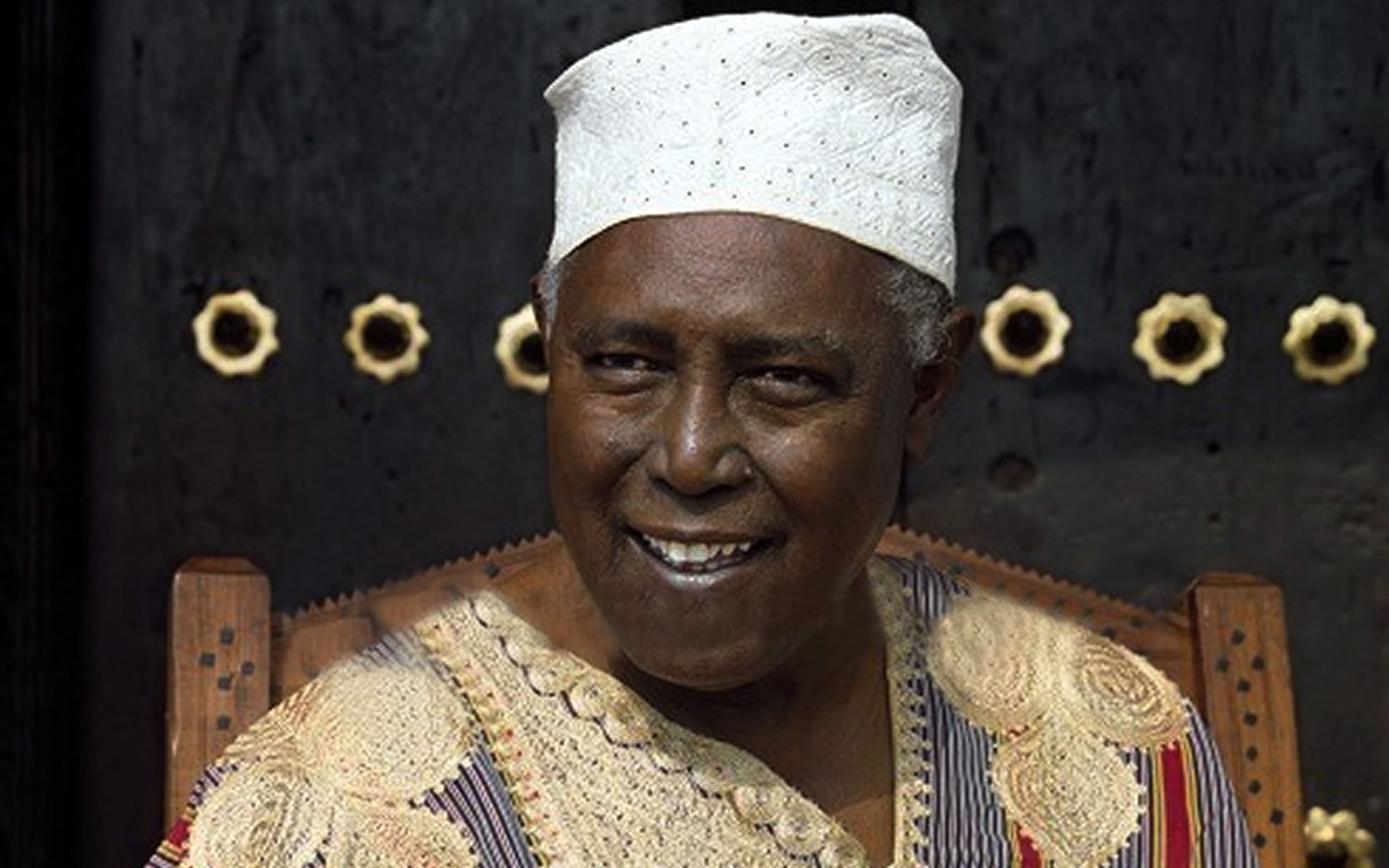
Joseph Murumbi
 Kenya
KenyaPolitician•Minister•Art Collector
Also known as: Joseph Zuzarte Murumbi, Joseph Murumbi-Zuzarte
Birthday
June 18, 1911
Birth Sign
Gemini
Birthplace
Eldama Ravine, Baringo County, Kenya
Age
Died at 79
About
Joseph Zuzarte Murumbi was a Kenyan politician and diplomat who served as the country's first Minister of Foreign Affairs from 1964 to 1966 and as its second Vice-President in 1966. He was a close ally of President Jomo Kenyatta, helping shape Kenya's foreign policy and establishing its embassies abroad. Murumbi is remembered for his principled stand in resigning from government, a decision that defined his reputation for integrity. After leaving politics, he devoted himself to art and heritage, co-founding the African Heritage gallery with Alan Donovan, which became one of the largest Pan-African art spaces on the continent. He amassed a significant collection of African art and rare books, and his collections are now housed at the Kenya National Archives and the African Heritage House. Murumbi remains a respected figure for his cultural contributions and his unwavering commitment to his principles.
Early Life & Background
Joseph Murumbi was born on 18 June 1911 in Eldama Ravine, in Kenya's Baringo County. His father, Peter Nicholas Zuzarte, was a Goan trader who arrived in Kenya in 1897 during the railway construction era. His mother was a Maasai woman, the daughter of Murumbi, the Laibon of the Uasin Gishu Maasai. At age six, Murumbi was sent to India for his education. He attended Good Shepherd Convent School and St. Joseph's High School in Bangalore, then finished at St. Pancras European Boys High School in Bellary. He stayed in India until 1933, when he returned to Kenya. He worked with his father until 1935, then took a clerical job before moving to Somalia, where he worked during World War II. During his time in Britain, he began collecting books and art, and he worked for the Moroccan Embassy in London for a period before 1962. His political awakening came during the Emergency Period in 1952, when he became involved in party organization and negotiations for Kenya's independence. In 1953, the Kenya African Union sent him to India, Cairo, and Britain to lobby for independence, with support from the Indian government. That same year, his activism forced him into exile, and he spent nine years abroad during the struggle.
Career Growth
Murumbi's political career reached its peak after Kenya's independence in 1963. President Jomo Kenyatta appointed him personal secretary, then Minister of State, and in 1964 he became Kenya's first Minister of Foreign Affairs. In that role, he was instrumental in shaping the new constitution and setting up Kenya's embassies, high commissions, and consulates around the world. In May 1966, following a political fallout with Jaramogi Oginga Odinga, Kenyatta appointed Murumbi as Kenya's second Vice-President. But the role lasted only months. On 30 November 1966, Murumbi resigned, disturbed by the assassination of his close friend Pio Gama Pinto and growing corruption. On 31 December, he walked into Kenyatta's office in Mombasa and said, "Mzee, I wanted to hear from you whether it is ok for me to leave. Today is my last day." Kenyatta turned his back and walked away. After leaving politics, Murumbi served as Acting Chairman of the Kenyan National Archives. He then co-founded African Heritage with Alan Donovan, which grew into one of the largest Pan-African art galleries on the continent. He supported early East African artists like Francis Nnaggenda, buying five monumental works when no other African had purchased any.
Career Timeline
Public Image & Style
Murumbi was described in declassified CIA documents as "urbane, intelligent and articulate." He was seen as a principled politician who resigned from the vice-presidency on moral grounds, a rare act in African politics. In later years, he became a respected elder statesman and patron of the arts. His public image evolved from a key independence figure to a cultural custodian, with his collections displayed at the Kenya National Archives. He was known for his quiet dignity and his commitment to preserving African heritage, making him a beloved figure in Kenya's cultural circles. He held the title of Elder of the Golden Heart (E.G.H.), a Kenyan national honour.
Fame & Fandom
Joseph Murumbi never courted a modern fanbase, yet his legacy commands a specific kind of reverence among historians and political ethicists who view him as the benchmark for integrity in post-colonial Africa. Unlike pop stars with organized chapters or viral movements, his supporters are defined by institutional memory rather than social media hashtags. The African Heritage House stands as the primary physical anchor for those preserving his story, a museum initiative that functions more like a state archive than a shrine built by adoring crowds. There is no formal name for this audience; they are simply students of Kenyan history who revere the man who walked away from the Vice-Presidency to save his conscience. This absence of a branded fandom reflects his life's trajectory: a public servant who shunned the spotlight even when holding the highest offices in the land. His influence remains potent but quiet, sustained by the enduring weight of his resignation story rather than any active mobilization. Joseph Murumbi has been evaluated by iFANN's Global Fame Engine, but he does not currently hold a placement in the published rankings (Global Top 1,000 or a Top-100 scope list).
Interesting Facts and Legends
Murumbi spoke five languages fluently: English, Italian, Hindi, Kiswahili, and likely Gujarati, reflecting his Goan and Indian upbringing. He was an avid collector of rare books, owning editions of which only two copies were known to exist worldwide, and rare daggers of which only three existed. Despite his political prominence, he was known for his humility and often shunned the spotlight. His home in Nairobi became a gathering place for artists and intellectuals. Murumbi was a close friend of Pio Gama Pinto, whose assassination in 1965 deeply affected him and influenced his decision to resign from politics. A defining legend surrounds his six-month tenure as Vice-President, where he resigned on moral grounds rather than compromise his principles regarding government corruption. Another persistent narrative details his struggle against opponents who tried to classify him as 'Asian' to disqualify him; he successfully fought to be recognized as a Kenyan African despite his mixed heritage. Biographers also recount his discomfort in the role, describing him as a reluctant leader who felt uneasy sitting at President Kenyatta's desk.
Notable Quotes
“Mzee, I wanted to hear from you whether it is ok for me to leave. Today is my last day.”
“I think he didn't want me to leave. I think he was hurt.”
Family & Personal Life
Murumbi was married to Sheila Murumbi, a British woman, and together they had two sons. The family lived largely out of the public eye, especially after Murumbi's retirement from politics. His father, Peter Nicholas Zuzarte, was a Goan trader, and his mother was a Maasai woman, daughter of the Laibon Murumbi. His parents separated when he was young, and his father remarried Ezalda Clara Albuquerque, who already had nine children, giving Murumbi a large blended family. He maintained ties with his Indian relatives, having spent his childhood in India. In 1982, Murumbi sustained an injury from a fall in his house that left him dependent on a wheelchair for mobility. He lived largely away from public life until his death on 22 June 1990 in Nairobi, Kenya, at age 79.
Notable Connections
Joseph Murumbi was closely associated with Kenya's founding president Jomo Kenyatta, serving as his personal secretary and later as a minister. He was a close friend and mentee of Pio Gama Pinto, the Kenyan-Goan socialist journalist and freedom fighter whose assassination in 1965 profoundly affected him. He also collaborated with Alan Donovan, co-founding the African Heritage gallery, and supported artists like Francis Nnaggenda.
Relationships & Dating History
Joseph Murumbi was married to Sheila Murumbi, a British woman. The couple had two sons together. Their marriage lasted until his death in 1990. Sheila was a supportive partner, often accompanying him in his political and cultural pursuits. The family lived in Nairobi, where they hosted artists and intellectuals. After his resignation from politics, Sheila remained a constant presence in his life, helping him manage his collections and public engagements. At the time of his death, he was still married to Sheila.
- MarriedSheila Murumbi1938 - 1990British wife, mother of his two sons, married until his death.
Death & Aftermath
Died
June 22, 1990 (aged 79)
Death Place
Nairobi, Kenya
Cause of Death
Natural causes related to long-term illness
In the final years of his life, Joseph Murumbi lived in quiet confinement at his home in Nairobi, confined to a wheelchair for eight years after a fall that damaged a nerve. He spent his last days away from the public eye, enduring a long illness that eventually claimed his life on June 22, 1990, at the age of seventy-nine. The cause was attributed to natural complications arising from this prolonged condition. His passing drew immediate recognition from international media, including an obituary in The New York Times that highlighted his reputation for integrity and his principled resignation from government decades earlier. Tributes from peers focused on his unique heritage as a man of mixed Goan and Maasai descent and his tireless championing of African art and culture.
Murumbi received a private burial in Nairobi, consistent with his status as a prominent national figure, though specific details of the service remained out of the public record. In the posthumous era, his legacy has been preserved primarily through the African Heritage House in Nairobi, which he founded to house his extensive collection of African art and artifacts. Although the institution faced threats of demolition by railway authorities in 2014, it remains a significant landmark dedicated to his life's work. Posthumous publications like the book Joseph Murumbi: A Legacy of Integrity continue to detail his political career and artistic contributions.
Net Worth (Estate Value)
$10 Million
iFANN Editorial Team estimate
Joseph Murumbi's net worth at the time of his death in 1990 was estimated at around $10 million, adjusted to 2026 values. Per iFANN's editorial analysis, this figure represents the value of a portfolio built through his political career, business ventures, and an extensive art collection featuring rare books and artifacts. After his death, his estate has been managed by his family, with his collections donated to the Kenya National Archives and the African Heritage House. The estate has received income from the display and licensing of his art collection, as well as from book royalties and memorabilia. In 2026, the estate's value is estimated at $10 million, reflecting the enduring worth of his cultural contributions.
Awards Won (1)
Joseph Murumbi was honoured with the Elder of the Golden Heart (E.G.H.), a Kenyan national honour, in recognition of his service to the nation. This award is among the highest civilian honours in Kenya, highlighting his contributions to politics and culture.
1966 · National Honour
Public Service
Known For
First Minister of Foreign Affairs of Kenya
1964 · Minister
Second Vice-President of Kenya
1966 · Vice-President
Co-founder of African Heritage
1972 · Co-founder
Keywords
Sources
Quick Facts
- Profession
- politician, minister, art collector
- Born
- June 18, 1911
- Birthplace
- Eldama Ravine, Baringo County, Kenya
- Died
- June 22, 1990
- Death Place
- Nairobi, Kenya
- Gender
- Male
- Birth Sign
- Gemini
- Spouse
- Sheila Murumbi
- Children
- Two sons
- Nationality
- Kenyan
Personal Details
- Full Name
- Joseph Murumbi-Zuzarte
- Spouse
- Sheila Murumbi
- Children
- Two sons
- Education
- Good Shepherd Convent School, Bangalore; St. Joseph's High School, Bangalore; St. Pancras European Boys High School, Bellary
Frequently Asked Questions
Who was Joseph Murumbi?
Where was Joseph Murumbi born?
Why did Joseph Murumbi resign as Vice President?
Was Joseph Murumbi married?
What was Joseph Murumbi's contribution to art?
Similar People
Join the community
fans discussing