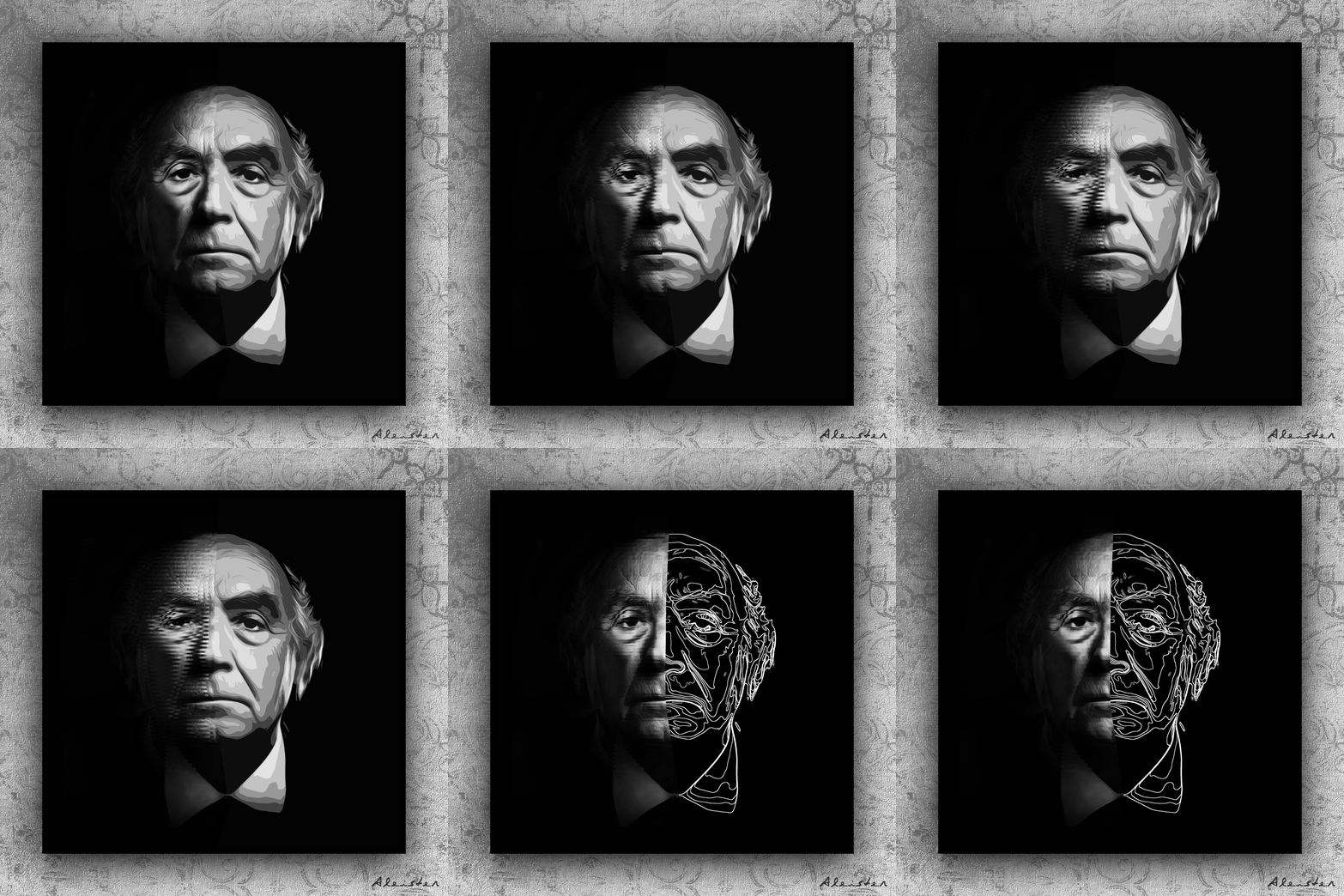
José Saramago
 Portugal
novelist•playwright•poet•journalist
Also known as: José de Sousa Saramago, J.S. Saramago
Birthday
November 16, 1922
Birth Sign
Scorpio
Birthplace
Azinhaga, Portugal
Age
Died at 87
Height
5 ft 9 in (175 cm)
About
José de Sousa Saramago (16 November 1922 – 18 June 2010) stands as a monumental figure in global literature, distinguished as the only Portuguese writer to receive the Nobel Prize in Literature. His legacy is defined by a unique narrative voice that challenged conventional storytelling through long, comma-heavy sentences and the deliberate omission of quotation marks, creating a fluid dialogue between narrator and character. Beyond his stylistic innovations, Saramago was renowned for his subversive blending of history, religion, and magic realism, often reinterpreting biblical narratives through a secular, humanist lens. His work consistently addressed themes of societal collapse, bureaucratic absurdity, and the resilience of the human spirit against oppressive systems. He remained a fierce critic of authority figures, including the Catholic Church, the European Union, and the International Monetary Fund, identifying as an atheist and a proponent of libertarian communism. Even after achieving international fame, he maintained a stance of intellectual independence, refusing to attend the 1998 Nobel ceremony in Stockholm to protest the imprisonment of Cuban dissidents. His influence extends beyond literature into the realms of political discourse and cultural philosophy, where he is remembered not just for his books, but for his unwavering moral courage and his belief in the power of art to effect social change. The José Saramago Foundation, established in 2007, continues to champion human rights and culture, ensuring his vision remains active in the modern world.
Early Life & Background
Jose Saramago entered the world on November 16, 1922, in the tiny hamlet of Azinhaga within the Ribatejo province of Portugal. His parents were Manuel Saramago and Maria Isaura de Sousa, rural laborers whose financial situation remained precarious throughout his childhood. When José was just six years old, his family relocated to Lisbon, seeking better opportunities in the capital city. This move placed the young boy into an urban environment that contrasted sharply with the agrarian life he had known in the countryside. Schooling proved difficult for the family, and Saramago left formal education at the age of 15. He did not pursue higher learning or university studies, instead entering the workforce immediately to support himself. His first jobs involved manual labor and technical trades; he worked as a mechanic in a garage, gaining hands-on experience with engines and machinery. Later, he found employment as a typographer and translator, roles that required precision and a command of language. These early experiences in the working class shaped his worldview and provided the raw material for his future fiction. From 1947 until 1973, Saramago served as a journalist for the newspaper Diário de Notícias. This twenty-six-year tenure was not merely a job but a formative period where he honed his observational skills and developed a sharp political eye. During these years, he covered local events and social issues, witnessing the struggles of ordinary people firsthand. In 1969, he joined the Portuguese Communist Party, an affiliation that would later draw intense scrutiny and influence the trajectory of his career. It was during this long stretch of journalism that he began writing fiction in earnest, though he would not publish his first novel until nearly three decades later.
Career Growth
The turning point for Saramago arrived in his fifties when he published his debut novel, Levantado do Chão (Raised from the Ground), in 1975. While this book garnered attention, it was the 1982 release of Baltasar and Blimunda that truly launched him onto the international stage. This epic novel blended historical fact with magical realism, depicting the construction of the Mafra Palace in 18th-century Portugal through the eyes of two fictional characters. Critics praised its intricate plotting and deep humanity, establishing Saramago as a major literary figure. Following this success, he produced a string of influential works that solidified his reputation. All the Names appeared in 1984, exploring themes of bureaucracy and identity. History of the Siege of Lisbon followed in 1989, playing with historical truth by inserting a single word into a chronicle of the past. However, the most contentious moment of his career occurred in 1992 with the publication of The Gospel According to Jesus Christ. The book reimagined the life of Christ in a way that offended religious sensibilities, leading the Portuguese government to withdraw it from the Aristeion Prize. This censorship scandal forced Saramago to leave Portugal permanently. In 1994, he settled in Tías on the island of Lanzarote in the Canary Islands, living there with his partner Pilar del Río. From this new base, he continued to write prolifically. His 1995 novel Ensaio sobre a Cegueira (Blindness) became a global phenomenon, translated into dozens of languages and adapted into films. The work's allegorical power resonated worldwide, addressing themes of societal collapse and human compassion. In 1998, the Swedish Academy awarded him the Nobel Prize in Literature, citing his ability to create parables sustained by imagination and irony. He never attended the ceremony in Stockholm, protesting the imprisonment of Cuban dissidents. The prize cemented his status as a global icon, and he continued to publish until his death in 2010. In 1999, he won the Camões Prize, the most prestigious award in Portuguese-language literature. In 2003, he published The Cave, and in 2007, he founded the José Saramago Foundation to defend human rights and promote culture.
Career Timeline
Public Image & Style
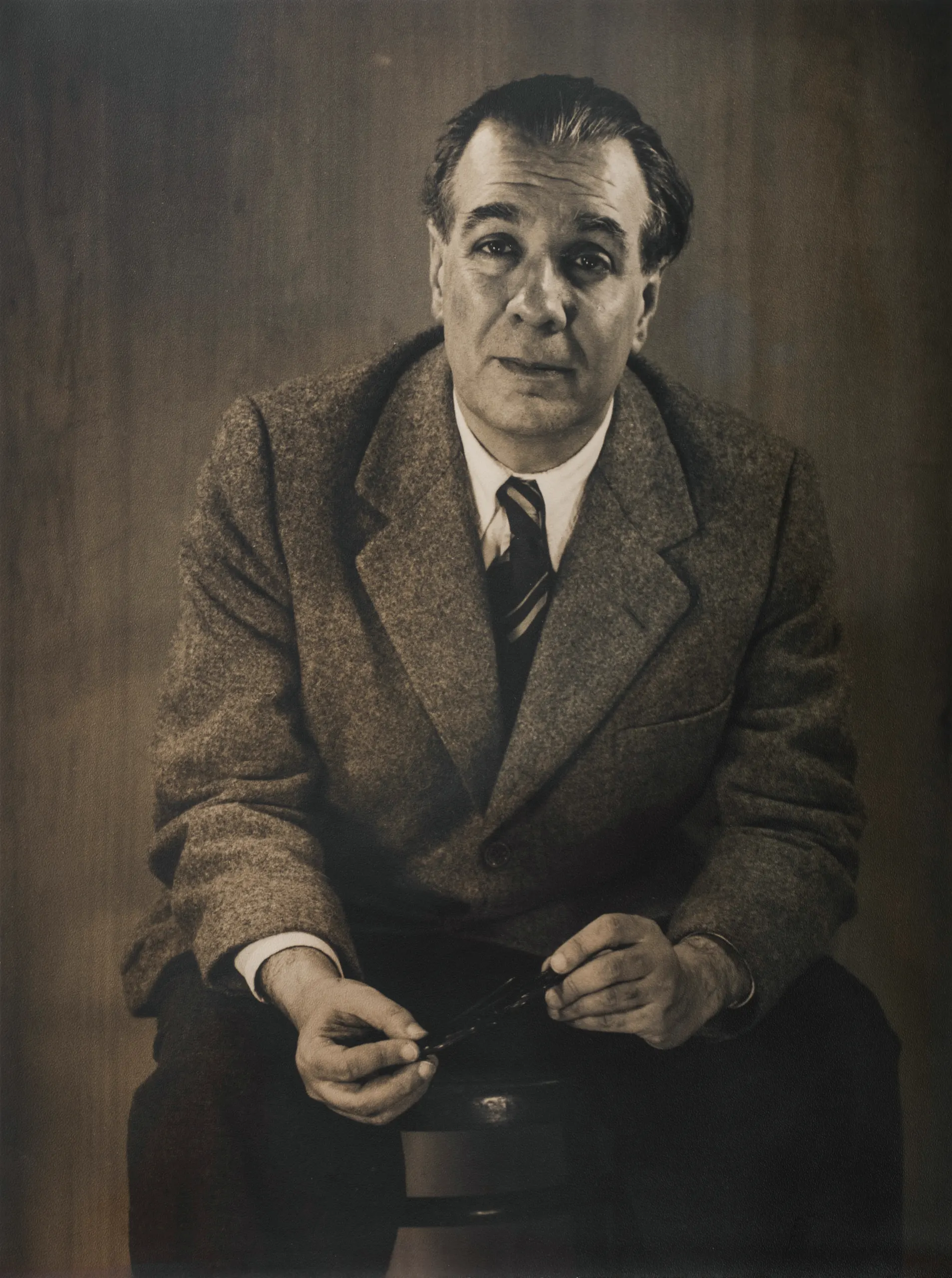
Saramago was widely recognized as a fierce intellectual and a relentless critic of authority. His public persona was defined by his bald head, intense gaze, and simple, casual clothing that reflected his humble origins and anti-establishment stance. He was known for his willingness to challenge powerful institutions, including the Catholic Church, the European Union, and the International Monetary Fund. His content was consistently serious, philosophical, and politically charged, reflecting his belief in the power of literature to effect social change. Media coverage emphasized his role as a man of deep moral conviction who refused to bow to pressure. He was often photographed speaking directly to the camera or engaging in debates, projecting an image of unyielding integrity. His reputation as an atheist and proponent of libertarian communism made him a polarizing figure in some circles, but a hero to others. He was seen as a guardian of free speech and human rights, willing to sacrifice personal comfort for his principles. TIME Magazine named him one of the 100 Most Influential People of the 20th Century in 2000, and Rolling Stone ranked Blindness among the greatest novels of the 20th century in 2015. His distinctive physical attributes included a height of approximately 1.75 meters (5 ft 9 in) and an average build, often captured wearing attire that mirrored his rejection of elitism.
Fame & Fandom (iFAMOUS Rankings)
While Saramago does not have a formalized fandom name like pop stars, his readers are often referred to as "Saramaguistas" in academic and literary circles. His fanbase is highly organized around literary societies and university departments, particularly in Lusophone countries and Europe. Notable fan campaigns include the "Read Saramago" initiative, which encourages schools to include his works in curricula, and charity drives in his name to support literacy programs. Fans often celebrate his birthday on November 16 with readings and discussions. Saramago was known for his direct engagement with fans through letters and rare public appearances, often discussing politics and philosophy rather than his personal life. Official accounts for the José Saramago Foundation maintain active profiles on platforms like Twitter and Instagram, sharing quotes, news about adaptations, and updates on the foundation's activities. As of 2026, the Guadalajara International Book Fair in Mexico hosted a special tribute titled "Saramago's Journey: 100 Years of Memory and Lucidity," celebrating his enduring relevance despite being born in 1922. Discussions regarding whether Saramago should remain required reading in Portuguese schools continue, with arguments both for and against his inclusion in modern curricula. His works continue to be celebrated globally, with Blindness listed by The Guardian as one of the top 100 books of all time in 2019.
Interesting Facts and Legends
Saramago developed a distinctive writing style that defied conventional grammar rules. He famously omitted quotation marks entirely, using commas to separate dialogue from narration. This technique created a continuous flow of text where the boundaries between the narrator's voice and the characters' speech blurred. He wrote all his novels in longhand first, often using a fountain pen before typing them out on a computer. His handwriting was so dense and unique that it sometimes required careful deciphering by editors. Despite his atheism and criticism of organized religion, Saramago maintained a deep fascination with biblical narratives. He frequently used stories from the Old and New Testaments as frameworks for his fiction, reinterpreting them through a secular and humanist lens. His refusal to attend the Nobel Prize ceremony in 1998 became a legendary act of protest. He cited the imprisonment of Cuban dissidents as the reason for his absence, stating that he could not celebrate while people were suffering in Cuba. He accepted the prize money but sent his daughter Viviane to collect the medal on his behalf. He was a staunch critic of the European Union, calling it a "bureaucratic monster" in various interviews. Harold Bloom called him "the most gifted novelist alive" in 2003, and James Wood praised his narrative voice. Artifacts from his home, including his glasses and manuscripts, were donated to the Nobel Prize Museum in 2024.
Notable Quotes
“If shame still has an effect on me, it is because I am ashamed of being alive in a world where so many people die without having lived.”
“I don't believe in God, but I believe in the possibility of God.”
“To write is to discover what one does not know.”
“The only thing that can save us is love.”
“We are all responsible for everything that happens in the world.”
Family & Personal Life
José Saramago was born to Manuel Saramago and Maria Isaura de Sousa, both of whom worked as agricultural laborers. He had a sister named Maria, though details about her life remain scarce in public records. His relationship with his parents was defined by the hardships of rural poverty, a theme that permeates much of his early work. After leaving school, he supported himself through various manual jobs, maintaining close ties with his working-class roots throughout his life. He was married three times. His first marriage was to Ilda Reis, whom he met in Lisbon during his early years. They had one daughter together, Viviane Saramago, who later became a key figure in managing her father's legacy. The marriage eventually ended in divorce. His second marriage was to Isabel da Nóbrega, which also concluded in separation. Neither of these unions produced children other than Viviane from his first marriage. His most enduring relationship was with Pilar del Río, a Spanish journalist and editor. They met in the late 1980s while she was working on a project involving his books. Del Río became his lifelong companion, secretary, and literary executor. They never formally married but lived together as partners for over two decades. She accompanied him to Lanzarote in 1994, where they resided until his death. Following his passing, she continued to manage his estate and oversee the translation and adaptation of his works, ensuring his voice remained active in the world.
Notable Connections
Relationships & Dating History
José Saramago was married three times throughout his life. His first marriage was to Ilda Reis, whom he met during his early years in Lisbon. They had a daughter named Viviane, but the marriage eventually ended in divorce. His second marriage was to Isabel da Nóbrega, a union that also concluded in separation. Neither of these marriages produced children other than Viviane from his first marriage. His most significant and enduring relationship was with Pilar del Río, a Spanish journalist and editor. They met in the late 1980s while she was working on a project involving his work. Del Río became his lifelong companion, secretary, and literary executor. They never formally married but lived together as partners for over two decades. Del Río accompanied him to Lanzarote in 1994, where they resided until his death. They had no children together. At the time of his death in 2010, Saramago was widowed. Following his passing, Pilar del Río continued to manage his estate and legacy, overseeing the translation and adaptation of his works. She remains a central figure in preserving his memory and ensuring his literary contributions continue to reach new audiences.
- DivorcedIlda Reis1940 - 1950Met in Lisbon; had one daughter, Viviane.
- DivorcedIsabel da Nóbrega1955 - 1965Married during his journalistic years; no children recorded.
- WidowedPilar del Río1988 - 2010Lifelong partner and secretary; lived together until his death; no children.
Death & Aftermath
Died
June 18, 2010 (aged 87)
Death Place
Tías, Lanzarote, Canary Islands, Spain
Cause of Death
Pancreatic cancer
José Saramago spent his final days in quiet seclusion at his home in Tías on the island of Lanzarote, where he had resided since 1994. The Portuguese novelist and Nobel laureate passed away on June 18, 2010, at the age of 87, having lived with pancreatic cancer for some time prior to his death. Official statements from his family confirmed the cause, a diagnosis that major international outlets reported without dispute or legal complication. Tributes arrived swiftly from world leaders like Portuguese President Aníbal Cavaco Silva and Spanish Prime Minister José Luis Rodríguez Zapatero, while literary peers such as Ursula K. Le Guin honored his moral courage. In Portugal, spontaneous gatherings and moments of silence filled Lisbon and other cities, with citizens laying flowers at public squares dedicated to him. Sales of his works surged globally immediately following the news, placing titles like Blindness and All the Names back on bestseller lists across multiple countries. A private funeral service took place shortly after his passing in Lanzarote, adhering to his wishes for simplicity. He was cremated, and his ashes were scattered at sea by his wife, Pilar del Río, meaning no state funeral occurred despite his status as the country's only literature Nobel winner. His estate remains under the stewardship of his family to preserve his literary legacy, with adaptations of his novels continuing to emerge. Recent years have seen artifacts including a stone, glasses, and a manuscript donated to the Nobel Prize Museum, cementing his historical significance. A new film adaptation of his novel The Night is set to be shot by director Leonel Vieira, with production expected to begin in late 2026.
Net Worth (Estate Value)
$16.5 Million
iFANN Editorial Team estimate
As a deceased individual whose primary wealth was intellectual property and real estate holdings in Portugal and Spain, specific net worth figures are estimates based on estate valuations and royalty streams. Research by the iFANN Editorial Team puts José Saramago's estate value at around $16.5 million USD as of 2026, with Forbes estimating €15 million ($16.5 million USD) and the Financial Times suggesting €12 million ($13.2 million USD). Major revenue sources include book sales, with over two million copies sold in Portugal alone and millions more globally, plus film and theater adaptations and licensing deals. The estate has seen a surge in earnings following recent announcements of new film adaptations, such as Leonel Vieira's The Night. Annual income from royalties and adaptations is estimated at approximately €1.5 million according to The Guardian. There are no known business ventures or endorsement deals beyond literary IP management. The estate is managed by his widow, Pilar del Río, and the José Saramago Foundation. The estate continues to generate significant revenue through translations and international distribution of his works, ensuring his financial legacy remains robust. Recent years have seen artifacts including a stone, glasses, and a manuscript donated to the Nobel Prize Museum, cementing his historical significance.
Awards Won (5)
José Saramago received the 1998 Nobel Prize in Literature, becoming the first Portuguese writer to win the award. He also won the prestigious Camões Prize in 1999, considered the highest honor in Portuguese-language literature. Additional accolades include the Grand Cross of the Order of Liberty in 2002 and honorary doctorates from the University of Coimbra and the University of Lisbon. He received numerous lifetime achievement awards from literary organizations across Europe and Latin America.
1998 · Literature
Body of Work
1999 · Literature
Body of Work
Known For
Blindness
1995 · Author
Baltasar and Blimunda
1982 · Author
The Gospel According to Jesus Christ
1991 · Author
All the Names
1984 · Author
Keywords
Sources
Quick Facts
- Profession
- novelist, playwright, poet, journalist
- Born
- November 16, 1922
- Birthplace
- Azinhaga, Portugal
- Died
- June 18, 2010
- Death Place
- Tías, Lanzarote, Spain
- Gender
- Male
- Spouse
- Ilda Reis, Isabel da Nóbrega, Pilar del Río
- Birth Sign
- Scorpio
Personal Details
- Full Name
- José de Sousa Saramago
- Height
- 5 ft 9 in (175 cm)
- Spouse
- Ilda Reis, Isabel da Nóbrega, Pilar del Río
- Children
- Viviane Saramago
- Education
- Elementary school (left at age 15)
Frequently Asked Questions
Who was José Saramago?
When did José Saramago die?
What was José Saramago's most famous book?
Why did José Saramago move to Lanzarote?
Did José Saramago have children?
Join the community
fans discussing