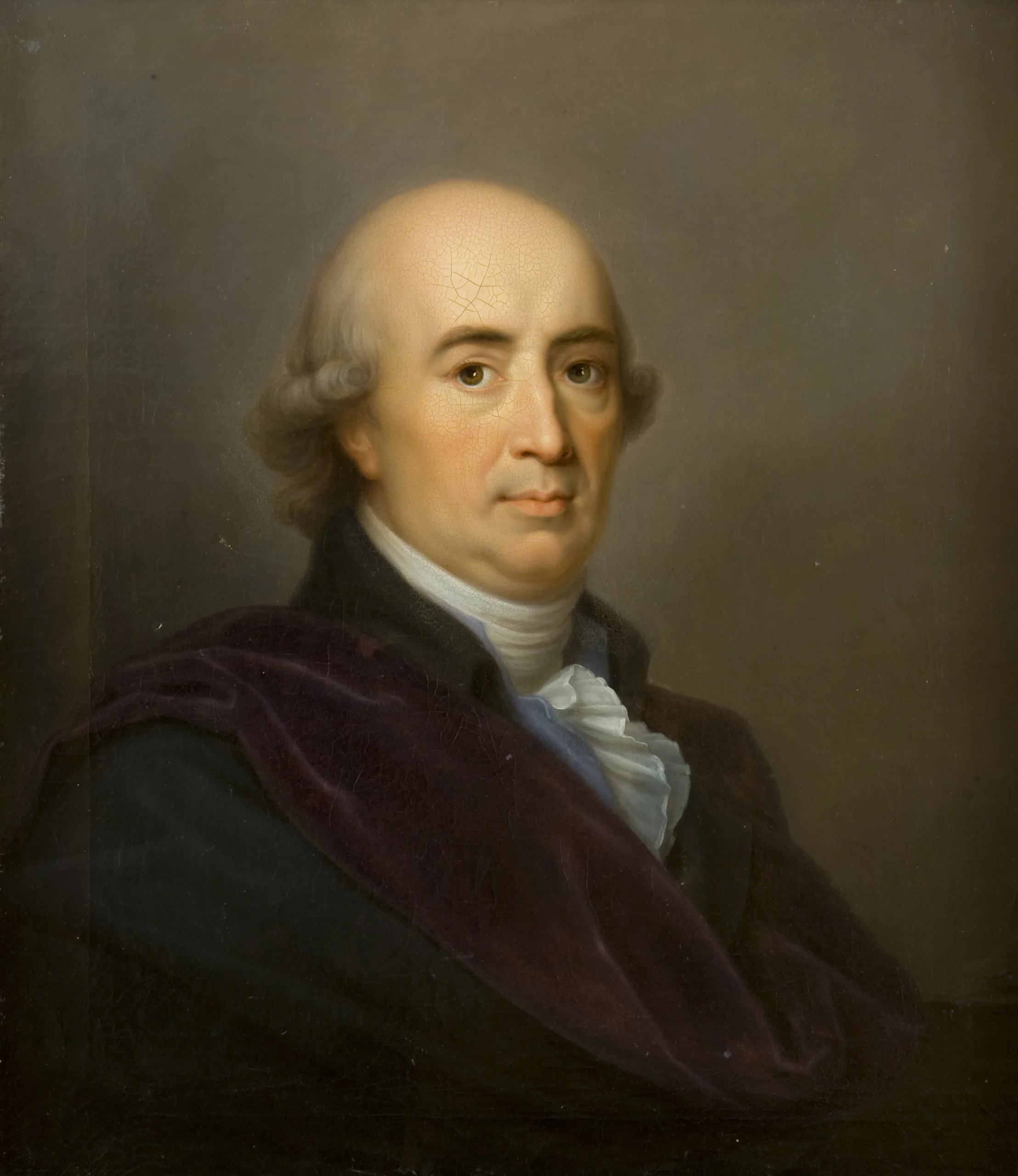
Johann Gottfried Herder
philosopher•theologian•poet•literary critic
Also known as: Johann Gottfried von Herder, Herder
Birthday
August 25, 1744
Birth Sign
Sagittarius
Birthplace
Mohrungen (now Morąg), Royal Prussia, Kingdom of Prussia
Age
Died at 59
About
Johann Gottfried von Herder was a German philosopher, theologian, poet, and literary critic whose work bridged the Age of Enlightenment, the Sturm und Drang movement, and Weimar Classicism. Born in Mohrungen in 1744, he spent his life challenging the rigid rationalism of his era by championing the unique spirit of individual cultures. His intellectual legacy rests on concepts like Volksgeist, which argued that the true soul of a nation resides in the folk traditions of its common people rather than in aristocratic courts.
Herder served as a Lutheran pastor and General Superintendent in Weimar from 1776 until his death in 1803. During this period, he shaped the region's educational and religious institutions while engaging in prolific writing on history, aesthetics, and linguistics. He is widely credited with coining or popularizing terms such as Zeitgeist and establishing the foundations of modern hermeneutics and historical sociology.
Early Life & Background
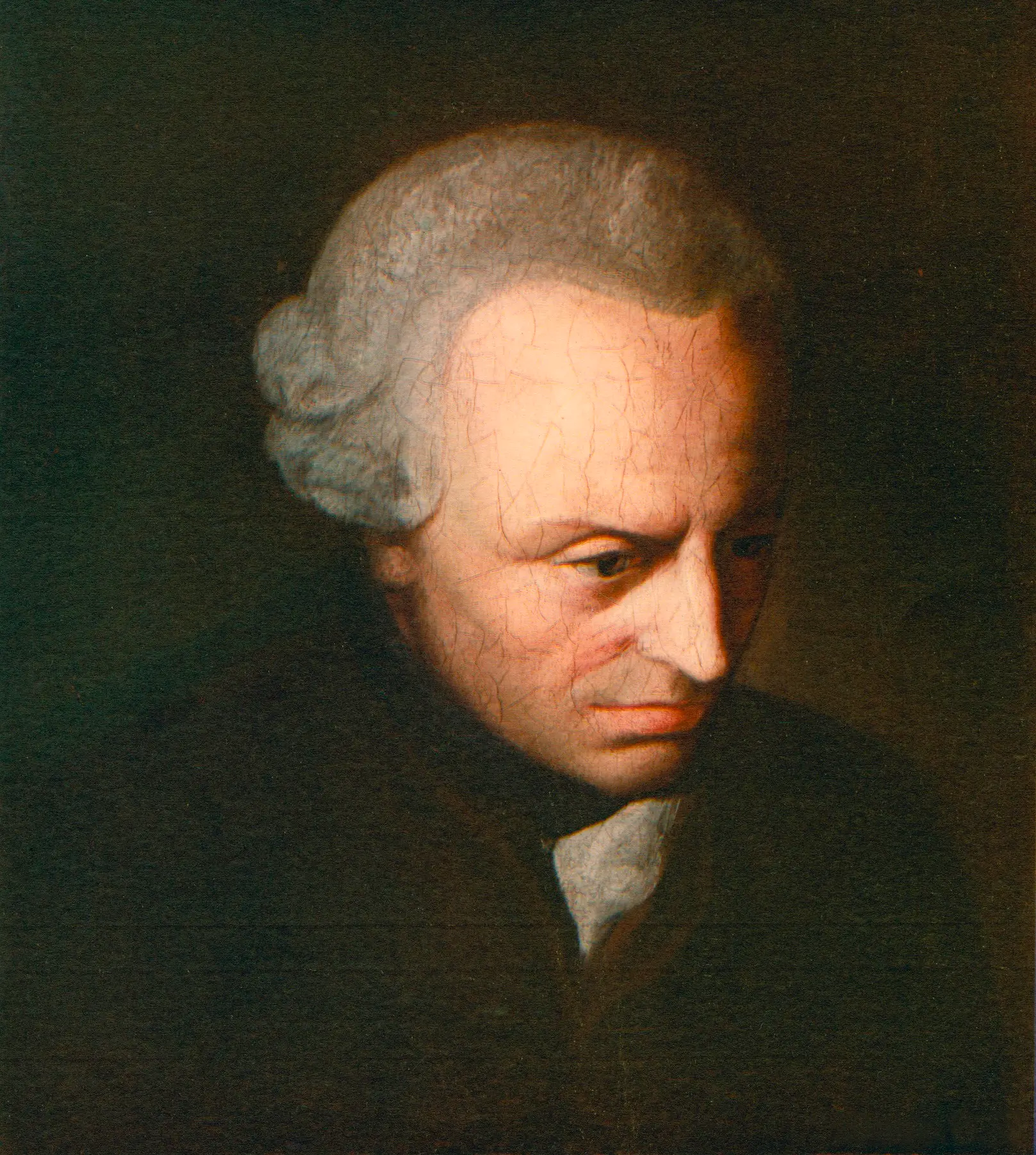
Johann Gottfried von Herder was born into modest circumstances in Mohrungen, a town in Royal Prussia, now part of Poland. His father worked as a schoolteacher, and his mother was Johanna Elisabeth Trosiener. Despite limited financial resources, young Johann displayed an intense intellectual curiosity that drove him to pursue higher education. In 1762, he enrolled at the University of Königsberg to study medicine and theology. It was here that he first encountered the lectures of Immanuel Kant, whose philosophical ideas deeply influenced his early thinking, although their relationship would later become contentious over fundamental questions regarding anthropology and human understanding.
Before achieving widespread recognition, Herder took a position as a private tutor in Riga, Latvia, between 1764 and 1769. This period proved transformative for his career and philosophy. Immersed in the local Latvian culture, he began collecting folk songs, poems, and customs, realizing that these oral traditions held the key to understanding a nation's identity. He published these findings in Volkslieder decades later, but the insights gained during his time in Riga solidified his rejection of universalist rationalism in favor of cultural particularism. This work laid the groundwork for his return to Germany, where his essays and poetry would soon spark the Sturm und Drang movement.
Career Growth
Herder's breakthrough occurred upon his return to Germany, where his writings ignited the Sturm und Drang movement, emphasizing emotion, individual genius, and national identity. In 1772, he published the Treatise on the Origin of Language, a radical text arguing that language originated from human sensory experience rather than divine intervention. This work established his reputation as a leading thinker and marked a departure from the prevailing Enlightenment views on reason alone.
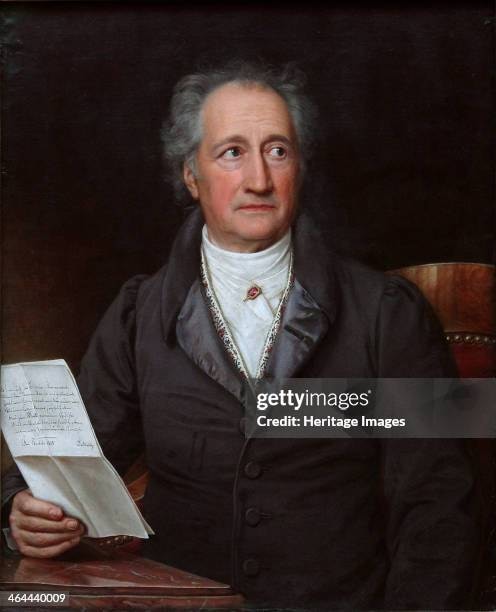
In 1776, Duke Karl August invited Herder to Weimar, where he moved permanently and became a close friend and collaborator of Johann Wolfgang von Goethe. Serving as the General Superintendent of the Duchy of Saxe-Weimar-Eisenach, Herder oversaw religious and educational reforms while continuing his scholarly output. His magnum opus, Ideas for the Philosophy of the History of Humanity, appeared between 1784 and 1791, synthesizing his views on history, culture, and the diversity of human societies. His influence extended across Europe, shaping the works of Hegel, Nietzsche, and the Romantic poets.
Career Timeline
Public Image & Style
Herder is remembered as a visionary thinker who championed the dignity of the common person and the uniqueness of every culture. He is often portrayed in academic circles as a complex figure: a precursor to nationalism who simultaneously preached inclusivity and opposed European imperialism. Modern scholars debate whether his emphasis on distinct cultural identities inadvertently laid the groundwork for later nationalist ideologies, yet his advocacy for the marginalized remains a central theme in his legacy.
Fame & Fandom
Johann Gottfried Herder commands a legacy that transcends the modern mechanics of celebrity, existing instead as a foundational pillar within the global study of philosophy, theology, and cultural anthropology. Unlike contemporary icons who rely on viral moments or organized fan campaigns, his enduring influence is sustained by scholars, students, and historians who engage with his texts to understand the roots of nationalism and the Sturm und Drang movement. There is no formal moniker for his admirers; the community that keeps his work alive operates through academic discourse rather than social media trends or fan clubs. While some historical accounts mention 'Herderians' in the context of Baltic German cultural identity, this refers to a specific historical demographic influenced by his ideas rather than a self-identifying fanbase with rituals or gatherings. His presence today is defined by the continuous publication of his works and the ongoing scholarly debates regarding his complex views on imperialism and human dignity. The iFANN Editorial Team has not yet gathered sufficient data to assign a global fame ranking to Herder, as he does not currently appear in the metrics used to evaluate living pop culture figures or recent deceased celebrities with active commercial legacies. Consequently, no ordinal placement can be cited for his current standing in the world's most famous people lists.
Interesting Facts and Legends
Herder was a polyglot fluent in Latin, Greek, French, and English, actively collecting and translating folk songs from Latvia, Lithuania, and Scotland. A devout Lutheran pastor, he used his sermons to advocate for social justice and the education of the poor. His opposition to slavery and colonialism was ahead of his time; he criticized the exploitation of indigenous peoples by European powers in his writings. The term Zeitgeist is often attributed to him, though he used variations to describe the spirit of the age with an emphasis on cultural context. In October 2024, the city of Riga erected a monument to honor his contributions, marking the first major public memorial to him in Latvia in decades. Historical narratives frequently recount the intellectual rivalry between Herder and Immanuel Kant, framing it as a clash where Herder's emphasis on history and anthropology eventually overshadowed Kant's rigid rationalism in certain domains. Another enduring story involves his pivotal role in preserving folklore, arguing that the true soul of a nation resides in the songs and stories of its common people rather than aristocratic courts. This collection effort is widely credited with laying the groundwork for the Romantic movement across Europe.
Notable Quotes
“Every nation has its own center of happiness... different from all others.”
“Language is the organ of thought.”
“To think what is true, to sense what is beautiful and to want what is good, hereby the spirit finds purpose of a...”
Family & Personal Life
Herder married Caroline Flachsland in 1773 in Riga. She was the daughter of a local merchant, and the couple shared a long-lasting and stable union until his death. They had several children, including Wilhelm Herder, who became a diplomat, and Friedrich Herder, who pursued a career in law. There are no records of other romantic relationships, engagements, or divorces in his biography. As of his passing in 1803, he left behind a family that continued to carry his name through subsequent generations.
Notable Connections
Relationships & Dating History
Johann Gottfried Herder was married to Caroline Flachsland starting in 1773. The couple met in Riga, where she was the daughter of a local merchant. Their marriage was long-lasting and stable, lasting until Herder's death in 1803. They had several children together, including Wilhelm and Friedrich Herder. There are no records of other romantic relationships, engagements, or divorces in his biography. At the time of his death, he was widowed, having lost his wife prior to his own passing or surviving her depending on the exact timeline of their deaths, though historical records indicate they remained partners throughout his adult life.
- MarriedCaroline Flachsland1773 - 1803Met in Riga; married until his death; had children Wilhelm and Friedrich.
Death & Aftermath
Died
December 18, 1803 (aged 59)
Death Place
Weimar
Cause of Death
Natural causes associated with old age and chronic illness
In the final years of his life, Johann Gottfried Herder remained deeply engaged with his duties as General Superintendent in Weimar, overseeing religious and educational reforms while continuing his scholarly output despite a long period of declining health. By late December 1803, the philosopher had succumbed to severe gout and general physical deterioration common to his era, passing away quietly within the city where he had served for decades. The specific medical cause was never established through modern forensic means or autopsy, consistent with the legal and medical practices of early nineteenth-century Europe for natural deaths of prominent citizens, leaving the consensus that he simply succumbed to old age and chronic illness. Following his death on December 18, 1803, immediate tributes arose from his peers, most notably from Johann Wolfgang von Goethe, who delivered a eulogy expressing deep personal grief over the loss of such a crucial intellectual partner.
Herder was buried in the Stadtkirche St. Peter und Paul in Weimar, likely during a private affair attended by family, colleagues, and local clergy rather than a massive public spectacle. In the posthumous era, his extensive writings have been handled through continuous publication and translation, including recent efforts such as the first English translation of Letters for the Advancement of Humanity published by Professor John Noyes in 2026., his ideas on Volksgeist remain foundational in anthropology and political philosophy, with institutions like the University of Riga celebrating his legacy in 2024.
Net Worth (Estate Value)
$0
iFANN Editorial Team estimate
iFANN currently estimates Johann Gottfried von Herder's net worth at $0. Since he passed away in 1803, he holds no personal estate value in the modern financial sense. His intellectual property and works remain in the public domain, generating revenue through academic publications, translations, and university courses globally. The management of his legacy is handled by academic institutions and publishers rather than a family estate. Recent developments, such as the 2026 English translation of Letters for the Advancement of Humanity by Professor John Noyes, demonstrate the continued commercial viability of his texts within the academic market. However, no specific monetary figures regarding his estate exist, as his assets were distributed among his heirs over two centuries ago.
Awards & Accolades
View 5 records, honours and achievementsKnown For
Treatise on the Origin of Language
1772 · Author
Ideas for the Philosophy of the History of Humanity
1784 · Author
Volkslieder
1778 · Editor/Collector
Keywords
Sources
Quick Facts
- Profession
- philosopher, theologian, poet
- Born
- August 25, 1744
- Birthplace
- Morąg
- Died
- December 18, 1803
- Death Place
- Weimar
- Gender
- Male
- Spouse
- Caroline Flachsland
- Birth Sign
- Sagittarius
Personal Details
- Full Name
- Johann Gottfried von Herder
- Spouse
- Caroline Flachsland
- Children
- Wilhelm Herder · Friedrich Herder
- Education
- University of Königsberg
Frequently Asked Questions
Who was Johann Gottfried Herder?
When did Johann Gottfried Herder die?
What was Herder's main contribution to philosophy?
Did Johann Gottfried Herder meet Goethe?
Is Johann Gottfried Herder still alive?
Join the community
fans discussing