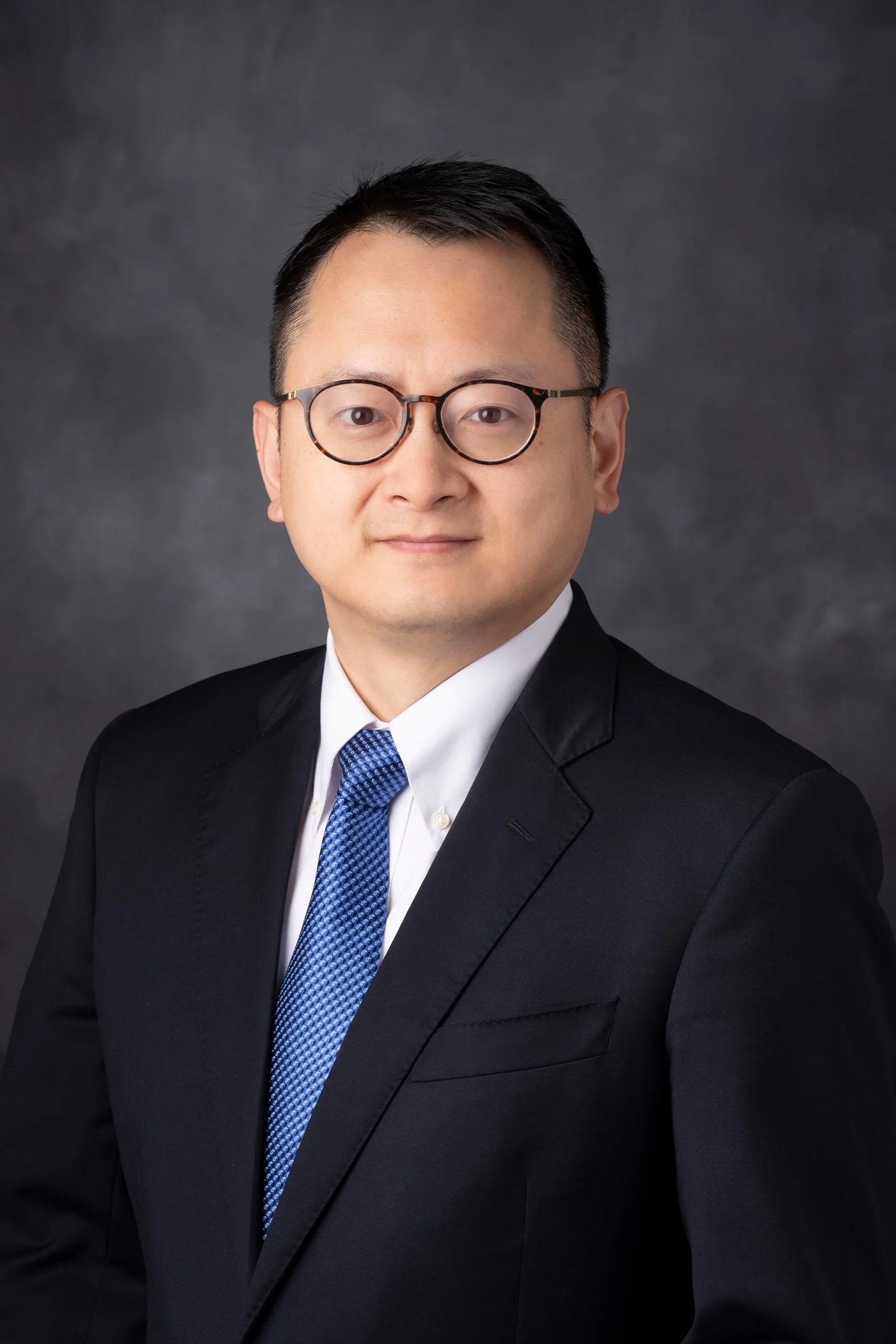
Jiang Wen
 China
ChinaActor•screenwriter•film director
Also known as: Jiang Xiaojun, Wen Jiang
Birthday
January 5, 1963
Birth Sign
Capricorn
Birthplace
Tangshan, Hebei, China
Age
63 years old
About
Jiang Wen is a Chinese actor, screenwriter, and film director whose work has shaped modern Chinese cinema. Born in Tangshan in 1963, he rose to prominence in the 1980s with roles in Hibiscus Town and Red Sorghum, then became a household name across China through the 1992 TV drama A Native of Beijing in New York. As a director, he is known for visually bold, fiercely original films like In the Heat of the Sun and Let the Bullets Fly.
Today, Jiang Wen is regarded as one of the most influential figures in Chinese film, celebrated for his fearless storytelling and commanding screen presence. He has acted in more than thirty films and television productions, and his directorial work has won international acclaim, including the Grand Prix at Cannes for Devils on the Doorstep. In 2016, he reached a global audience as Baze Malbus in Rogue One: A Star Wars Story. He continues to work actively, directing and starring in the 2025 biopic You Are the Best and serving as an ambassador for French cinema in 2026.
Early Life & Background
Jiang Wen was born Jiang Xiaojun on January 5, 1963, in Tangshan, Hebei Province, into a military family. Growing up in an army household, he moved around frequently and developed a tough, observant personality that later fed his on-screen intensity. He showed an early interest in performing, and after high school he enrolled at the Central Academy of Drama in Beijing, one of China's most prestigious acting schools.
His first film role came in 1985 with Sun Yat-sen, where he played the young revolutionary Lu Haodong. Two years later, director Zhang Yimou cast him as the lead in Red Sorghum, a role that would change his life. The film, adapted from Mo Yan's novel, won the Golden Bear at the 1988 Berlin Film Festival and put both Zhang and Jiang on the international map. Before that breakthrough, Jiang had already shown his range in Hibiscus Town (1986), a drama about the Cultural Revolution that earned him a Best Actor nomination at the Hundred Flowers Awards.
In 1992, Jiang Wen became a national star overnight with the television series A Native of Beijing in New York, playing a Chinese immigrant struggling to make it in America. The show drew record audiences and made him one of the most recognized faces in China.
Career Growth
Jiang Wen made his directorial debut in 1994 with In the Heat of the Sun, a semi-autobiographical coming-of-age story set during the Cultural Revolution. The film was a critical and commercial hit in China, and it won six Golden Horse Awards in Taiwan, including Best Film and Best Director. It established Jiang as a filmmaker with a singular vision, one willing to blend nostalgia with raw energy.
His follow-up, Devils on the Doorstep (2000), was a black comedy about a villager forced to guard two prisoners during the Japanese occupation. The film won the Grand Prix at Cannes, but the Chinese government banned it for years due to its portrayal of Chinese collaboration with the enemy. Jiang later said he made the film to explore moral ambiguity, and it remains one of his most debated works.
In 2010, Jiang delivered Let the Bullets Fly, a Western-style action comedy starring Chow Yun-fat and Ge You. It became one of the highest-grossing Chinese films ever, earning over 670 million yuan at the box office. The film's sharp political satire and quotable dialogue made it a cultural phenomenon, and it is often cited as one of the best Chinese films of the decade.
Jiang continued to alternate between acting and directing. He starred in Gone with the Bullets (2014), a lavish period piece that underperformed, and then took on a supporting role in the Hollywood blockbuster Rogue One: A Star Wars Story (2016), playing the blind warrior Baze Malbus. In 2025, he returned to directing with You Are the Best, a biopic about pianist Lang Lang, which he also wrote and starred in.
Career Timeline
Public Image & Style
Jiang Wen is known for his intense, brooding screen presence and his willingness to take risks. In front of the camera, he often plays tough, charismatic men who defy authority. Behind it, he is seen as a perfectionist who demands total control over his projects, a trait that has earned him both admiration and criticism.
He is often grouped with China's "Sixth Generation" filmmakers, who emerged in the 1990s with a more personal, edgy style. His films are celebrated for their bold visual language, dark humor, and political subtext, even when they court controversy with censors.
Fans appreciate his authenticity and his refusal to compromise his artistic vision. He has a reputation for being outspoken in interviews, often dismissing questions about censorship with a laugh. His public image is that of a maverick, a filmmaker who answers to no one but himself.
Fame & Fandom (iFAMOUS Rankings)
Jiang Wen commands a distinct sphere of global attention, bridging the gap between arthouse cinema prestige and mainstream commercial success across Asia. His standing is quantified by precise metrics that track his enduring relevance within specific cultural sectors. He holds the position of the 12th most famous person in C-Drama, a placement confirmed by the iFANN Global Fame Rankings for August 2026, holding steady from the previous cycle. This ranking reflects his unique ability to anchor productions that resonate deeply with regional audiences while maintaining international critical acclaim. The iFANN system places him among the elite figures whose influence extends beyond mere viewership into the shaping of industry standards. While his fame spans multiple continents, his fanbase operates without a formal organizational name or centralized social media apparatus. Unlike modern idol culture which relies on coordinated chart-pushing and ritualistic support, Jiang Wen's audience consists primarily of cinephiles, critics, and industry professionals who engage with his work through traditional appreciation rather than viral campaigns. There are no documented fan rituals, inside jokes, or interactive projects initiated specifically to honor him directly, as his legacy remains rooted in film criticism and academic study rather than mobilized fandom dynamics.
Interesting Facts and Legends
Jiang Wen's nickname in the Chinese film industry is "Jiang the Unruly," a moniker earned through his reputation for clashing with producers and censors over creative control. Fluent in both Mandarin and English, a skill acquired during filming in New York and later utilized on the set of Rogue One, he brings a unique linguistic dexterity to his roles. A trained opera singer capable of performing Peking opera, he showcased this talent in In the Heat of the Sun. He once declined an offer to direct a Hollywood superhero film, citing a lack of depth in the script, and cites The Godfather as his favorite film, having watched it more than twenty times. Beyond these personal anecdotes, his professional mythology is built on specific cinematic milestones. He is widely recognized as a pivotal figure often grouped with China's Sixth Generation filmmakers, despite emerging slightly earlier with works like Hibiscus Town and Red Sorghum. A major point of cultural significance surrounds his 2000 film Devils on the Doorstep, which won the Grand Prix at the Cannes Film Festival, cementing his status as a global auteur. In 2016, he joined the global Star Wars franchise as Baze Malbus in Rogue One: A Star Wars Story, marking a unique crossover moment between Chinese arthouse cinema and Hollywood blockbuster culture. His public persona is further defined by sharp cultural commentary, notably his 2015 statement that "China today is beyond parody," reflecting the satirical nature of his films like Let the Bullets Fly.
Notable Quotes
“A film is not a debate. It is a question mark.”
“I don't make films for the audience. I make films for myself, and if they like them, that's a bonus.”
“Censorship is like a wall. You can either crash into it or find a door.”
“I am not a rebel. I just tell the truth as I see it.”
“The best stories are the ones that make you uncomfortable.”
Family & Personal Life
Jiang Wen comes from a military family. His father was an army officer, and his mother was a teacher. He has a younger brother, Jiang Wu, who is also a well-known actor in China, appearing in films like Let the Bullets Fly and Beijing Bicycle.
Jiang Wen married actress Zhou Yun in 2005. Zhou Yun, who starred in Let the Bullets Fly and The Sun Also Rises, gave up much of her acting career to support her husband's work. The couple has two sons, Jiang Yilang and Jiang Yini. The family lives in Beijing, where Jiang Wen keeps a low profile away from the spotlight.
His older brother, Jiang Wen's half-brother from his father's previous marriage, is also in the entertainment industry, working as a director.
Notable Connections
Jiang Wen has collaborated with some of the most prominent names in Chinese cinema. Zhang Yimou directed him in Red Sorghum, the film that launched both their careers. He has worked with actor Chow Yun-fat in Let the Bullets Fly, and with Ge You in several films. In 2025, he directed pianist Lang Lang in You Are the Best. He also served on the jury of the Beijing Film Festival alongside actress Joan Chen, and was a co-ambassador for the French Cinema Panorama with Sophie Marceau. His brother, Jiang Wu, is also a well-known actor.
Relationships & Dating History
Jiang Wen has been married to actress Zhou Yun since 2005. The couple met in the early 2000s when Zhou Yun was cast in his film The Sun Also Rises. They have two sons together. Before his marriage, Jiang Wen was linked to French actress Sandrine Bonnaire, with whom he appeared in the 1993 film Farewell My Concubine. The relationship was brief and largely kept out of the press.
In the late 1990s, Jiang Wen had a well-publicized romance with actress Liu Xiaoqing, who was a major star at the time. Their relationship ended amicably, and they remained friends. As of 2026, Jiang Wen is still married to Zhou Yun, and the couple continues to live in Beijing.
- DatedLiu Xiaoqing1990 - 1995A high-profile relationship with the actress, which ended amicably.
- DatedSandrine Bonnaire1993 - 1994Brief romance with the French actress, whom he met on the set of Farewell My Concubine.
- MarriedZhou Yun2005 - presentCurrentMarried since 2005; they have two sons together.
Salary, Net Worth In 2026
$80 Million
iFANN Editorial Team estimate
iFANN currently estimates Jiang Wen's net worth at $80 million as of 2026. This valuation aggregates his earnings from acting salaries, directing fees, and box office bonuses. As one of China's most bankable stars, he has commanded top dollar for his work, particularly for blockbusters like Let the Bullets Fly, which earned over 670 million yuan at the Chinese box office. In addition to his film work, Jiang Wen has earned money through brand endorsements and appearances. He has been the face of several Chinese luxury brands over the years, including a notable campaign for the carmaker Audi. He also receives royalties from the international distribution of his films, which have been screened at festivals and in theaters around the world. Jiang Wen's production company, which he runs with his wife Zhou Yun, has produced several of his films. This gives him a share of the profits beyond his directorial fee. In recent years, his net worth has grown steadily, thanks to the continued popularity of his back catalog and his ongoing work as a director and actor.
Awards Won (7)
Jiang Wen has won numerous awards throughout his career. His directorial debut In the Heat of the Sun won six Golden Horse Awards, including Best Film and Best Director. Devils on the Doorstep won the Grand Prix at the Cannes Film Festival. As an actor, he has won two Hundred Flowers Awards for Best Actor and a Golden Rooster Award. His work has been recognized at festivals around the world, cementing his reputation as a master filmmaker.
2000 · Cannes Film Festival
Devils on the Doorstep
1996 · Golden Horse Awards
In the Heat of the Sun
Known For
Red Sorghum
1987 · Actor (as Yu Zhan'ao)
In the Heat of the Sun
1994 · Director, writer, actor
Devils on the Doorstep
2000 · Director, writer, actor
Let the Bullets Fly
2010 · Director, writer, actor
Rogue One: A Star Wars Story
2016 · Actor (as Baze Malbus)
Keywords
Sources
Quick Facts
- Profession
- Actor, screenwriter, film director
- Born
- January 5, 1963
- Birthplace
- Tangshan, Hebei, China
- Gender
- Male
- Spouse
- Zhou Yun
- Children
- Jiang Yilang, Jiang Yini
- Education
- Central Academy of Drama
- Birth Sign
- Capricorn
Personal Details
- Full Name
- Jiang Xiaojun
- Spouse
- Zhou Yun
- Children
- Jiang Yilang, Jiang Yini
- Education
- Central Academy of Drama
Filmography
38
Total
30
Film
8
TV
Frequently Asked Questions
Who is Jiang Wen?
When was Jiang Wen born?
What is Jiang Wen's net worth in 2026?
Is Jiang Wen still active in 2026?
How many Golden Horse Awards has Jiang Wen won?
Join the community
fans discussing