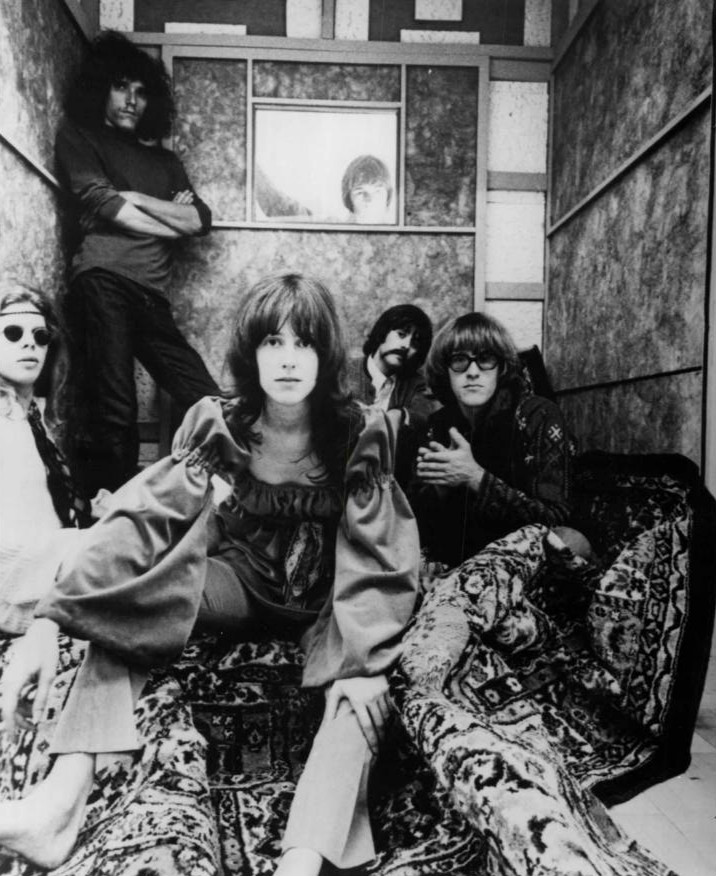
Jefferson Airplane
The definitive voice of the San Francisco Sound
6
Members
About
Jefferson Airplane stands as the primary architect of the San Francisco Sound, a genre that fused folk harmonies with psychedelic experimentation. By the time they released Surrealistic Pillow in 1967, the band had transformed from a local club act into a global phenomenon. Their ability to merge protest lyrics with catchy melodies set a template for rock music that influenced countless artists. The group's peak era featured a potent chemistry between the driving rhythm section of Casady and Dryden, the bluesy leads of Kaukonen, and the contrasting vocal styles of Balin and Slick.
While the band officially ceased operations in 1972, the musical DNA of Jefferson Airplane lives on through its members' subsequent projects. The split resulted in two distinct paths: Jorma Kaukonen and Jack Casady formed Hot Tuna, focusing on acoustic and electric blues, while Paul Kantner and Grace Slick launched Jefferson Starship, steering toward arena rock. Despite these departures, the core identity of the original group remains intact in the public consciousness. Fans today still celebrate their contributions to the counterculture movement, recognizing them as the first Bay Area act to achieve true international stardom.
Formation Story
The story begins in the Haight-Ashbury district of San Francisco during the summer of 1965. Marty Balin and Paul Kantner met at a party and decided to form a band that would combine the folk music they loved with the emerging psychedelic sounds of the city. They recruited bassist Jack Casady and drummer Bob Harvey, along with vocalist Signe Toly Anderson. On August 13, 1965, the group played their debut gig at The Matrix, a small club that became the epicenter of the local scene. Their early sound leaned heavily towards folk-rock, characterized by acoustic guitars and tight harmonies.
The lineup shifted dramatically when the band hired Spencer Dryden to replace Harvey later that year. The turning point arrived in late 1966 with the recruitment of Grace Slick. She left her previous band, The Great Society, to join Jefferson Airplane, bringing a powerful alto voice and a more aggressive stage presence. Her arrival coincided with the release of Surrealistic Pillow, which catapulted the band to fame. The album's success forced the group to abandon their folk roots for a heavier, electric sound that defined the Summer of Love. By 1967, they were headlining major festivals and recording in top-tier studios.
Members
Former Members
Sub-Units
Hot Tuna (1969)
Jorma KaukonenJack Casady
Musical Style
Jefferson Airplane's sound evolved rapidly over their short lifespan. Their debut album, Jefferson Airplane Takes Off, showcased a softer folk-rock approach with acoustic instrumentation. The addition of Grace Slick and producer Rick Jarrard pushed the band toward a harder, psychedelic rock style on Surrealistic Pillow. This era is defined by distorted guitars, swirling organ sounds, and surreal lyrics inspired by Lewis Carroll's Alice in Wonderland. Songs like "White Rabbit" utilized drug metaphors to critique societal norms.
As the 1960s progressed, the band incorporated more political themes into their music. Albums like We Can Be Together and Volunteers reflected the growing anti-war sentiment and social unrest. The sound became grittier, featuring extended improvisational jams during live performances. Jorma Kaukonen's blues influences remained a constant thread, often appearing in acoustic side tracks or solo projects. This blend of folk, blues, and psychedelia created a unique sonic landscape that distinguished them from their contemporaries.
Discography
| Title | Year |
|---|---|
| Jefferson Airplane Takes Off | 1966 |
| Surrealistic Pillow | 1967 |
| After Bathing at Baxter's | 1967 |
| Baron von Tollbooth & the Chrome Nun | 1970 |
| Volunteers | 1969 |
| Long John Silver | 1972 |
Tours
Monterey Pop Festival Tour
1967 · 1 shows
Isle of Wight Festival
1968 · 1 shows
Woodstock Festival
1969 · 1 shows
Altamont Free Concert
1969 · 1 shows
US Tour
1970 · 45 shows
Cultural Impact
The band served as the soundtrack for the 1960s counterculture movement. Their music challenged censorship laws and normalized discussions about drug use and sexual freedom. Grace Slick's performance at the Monterey Pop Festival in 1967 introduced her to a national audience, marking a shift in how female musicians were perceived in rock. The group's fashion choices, including long hair for men and psychedelic prints for women, became iconic symbols of the era. They paved the way for future generations of rock bands by proving that experimental music could achieve mainstream success.
Beyond music, Jefferson Airplane influenced fashion, art, and social activism. Their association with Bill Graham's Fillmore Auditorium helped establish the model for modern concert promotion. The band's involvement in benefit concerts and political rallies demonstrated their commitment to social causes. Even after disbanding, their songs remain staples on classic rock radio, continuing to inspire new listeners. The group's legacy extends to the preservation of the San Francisco Sound as a distinct cultural phenomenon.
Fandom Culture
Unlike modern K-pop groups, Jefferson Airplane did not have an official fandom name or lightstick system. Fans generally referred to themselves as part of the "San Francisco Sound" community or simply as lovers of the band's music. Purple became associated with the group due to the artwork on Surrealistic Pillow, though no single color was mandated. Fan traditions included gathering for tribute concerts and celebrating anniversaries of key albums. The annual "Jefferson Airplane Day" in San Francisco serves as a reminder of their impact on the city's history.
Awards Won (4)
Jefferson Airplane has received two major accolades throughout their career. The group was inducted into the Rock and Roll Hall of Fame in 1996, recognizing their contribution to the development of rock music. In 2016, the band was honored with the Grammy Trustees Award for lifetime achievement, celebrating their enduring impact on the industry.
Lifetime Achievement
for: Career
Classic Rock
for: Lifetime Achievement
Milestones
First performance at The Matrix
Release of Surrealistic Pillow
Performance at Woodstock
Disbandment
Induction into Rock and Roll Hall of Fame
Grammy Lifetime Achievement Award
Trivia
Keywords
Sources
Quick Facts
- Type
- Rock Band
- Formed
- 1965
- Origin
- San Francisco
- Label
- RCA Victor
- Genres
- rock music, psychedelic rock, psychedelic folk, blues rock, garage rock, progressive rock, acid rock, hard rock
- Members
- 11
- Disbanded
- 1972
Group Info
- Formed
- 1965
- Debut
- August 13, 1965
- Debut Song
- It's No Secret
- Origin
- San Francisco, California
- Company
- Bill Graham Presents
- Label
- RCA Victor
- Status
- Disbanded (1972)
Social Media
Also Known As
Join the community
fans discussing