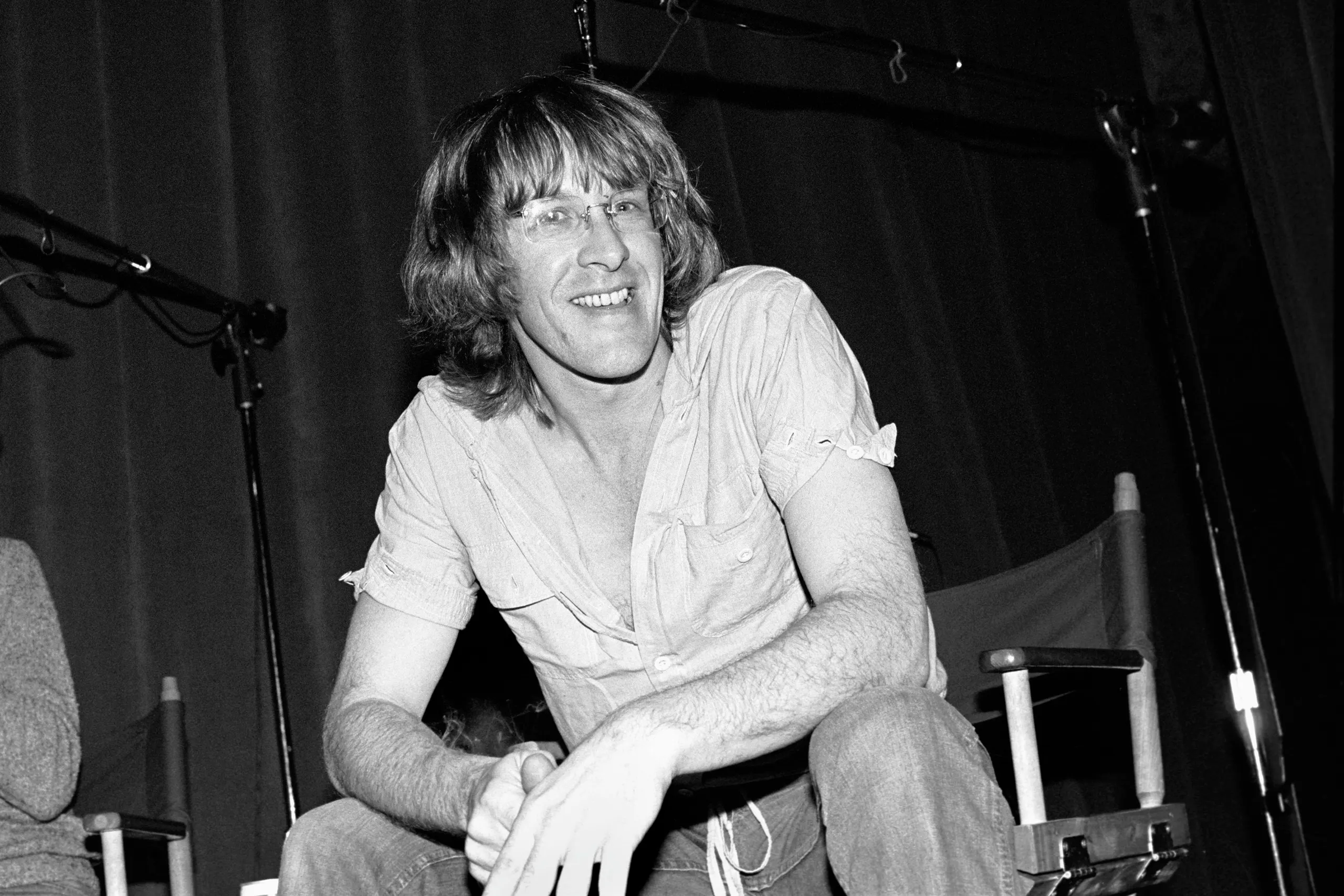
Paul Kantner
Member of Jefferson Airplane
singer-songwriter•guitarist•recording artist
Also known as: Paul Lorin Kantner
Birthday
March 17, 1941
Birth Sign
Pisces
Birthplace
San Francisco, California
Age
Died at 74
Height
5 ft 10 in (178 cm)
About
Paul Lorin Kantner (March 17, 1941 – January 28, 2016) was an American rock musician and songwriter best known as the co-founder, rhythm guitarist, and secondary vocalist of Jefferson Airplane. He served as the band's primary conceptual leader and lyrical visionary throughout its existence and subsequent iterations. Kantner continued his musical leadership with the band's successor, Jefferson Starship, and later the reformed Jefferson Starship, maintaining membership for nearly four decades until his death.
Kantner was a foundational figure in the San Francisco psychedelic rock scene. He co-founded Jefferson Airplane in 1965 with Marty Balin, and the group became the flagship act of the Summer of Love in 1967. He wrote or co-wrote many of the band's most enduring hits, including "White Rabbit" and "Somebody to Love." His unique vision extended beyond standard rock tropes, exploring themes of space exploration, politics, and social revolution in works like the concept album Blows Against the Empire.
At the time of his death, Kantner was the only founding member of the original Jefferson Airplane lineup to remain with the band continuously through its various reincarnations. He was inducted into the Rock and Roll Hall of Fame as a member of Jefferson Airplane in 1996. His legacy endures as a central pillar of the counterculture movement and classic rock history.
Early Life & Background
Paul Lorin Kantner was born into a middle-class family in San Francisco, California. His father worked as a civil engineer, and his mother was a homemaker. Growing up in the Bay Area during the post-war era, Kantner developed an early interest in music influenced by the folk revival and the emerging blues scene. He attended the University of California, Berkeley, where he initially studied political science before dropping out to pursue music full-time.
Before achieving fame, Kantner was deeply embedded in the folk music circuit of San Francisco's North Beach district. In the late 1950s and early 1960s, he performed in local coffeehouses alongside other future counterculture icons. His early musical influences included Bob Dylan, The Kingston Trio, and traditional folk artists, but he quickly gravitated toward the electric sound that would define the "San Francisco Sound." He was known for his intellectual approach to songwriting, often infusing his lyrics with themes of space exploration, politics, and social revolution, which distinguished him from many of his peers.
It was during his time at Berkeley that he met Marty Balin, a fellow student and aspiring musician. This meeting proved to be the pivotal moment that launched his career. Together, they formed the nucleus of what would become Jefferson Airplane. Kantner's background in political science and his fascination with science fiction literature began to shape the thematic depth of his songwriting long before the band achieved commercial success.
Career Growth
Kantner's career is defined by his relentless evolution through the changing tides of rock music, always positioning himself at the forefront of innovation. In 1965, he co-founded Jefferson Airplane with Marty Balin. The band became the flagship act of the Summer of Love in 1967. Kantner led the group through its commercial peak with albums like Surrealistic Pillow (1967), featuring the hits "White Rabbit" and "Somebody to Love," both co-written by him. He emerged as the band's de facto leader and chief lyricist during this period.
In 1970, while still active with Jefferson Airplane, Kantner released Blows Against the Empire, a concept album co-credited to "Jefferson Starship." This project explored a sci-fi narrative about space colonization and highlighted Kantner's unique vision beyond standard rock tropes. Following the dissolution of Jefferson Airplane in 1973, Kantner formed Jefferson Starship, continuing the band's legacy with a more polished, pop-rock sound.
From 1974 to 1984, Kantner led Jefferson Starship to massive commercial success with albums like Nuclear Furniture and Red Octopus. During this era, the band produced hits like "Miracles," "Count on Me," and "Jane," cementing Kantner's status as a hitmaker in the 1970s and early 80s. In 1984, he left Jefferson Starship due to creative differences and internal band conflicts, particularly regarding the direction of the music and the departure of Grace Slick.
Kantner pursued a solo career and collaborated with various artists from 1985 to 1991, including the formation of the short-lived group Planet Earth Rock and Roll Orchestra. He also released solo albums such as Planet Earth Rock and Roll Orchestra (1985) and Kantner (1989). In 1992, he reunited with former bandmates to reform Jefferson Starship, adopting a more classic rock-oriented sound. He remained the only founding member of the original Jefferson Airplane lineup to stay with the band continuously through its various reincarnations until his death in 2016. He was inducted into the Rock and Roll Hall of Fame as a member of Jefferson Airplane in 1996.
Career Timeline
Public Image & Style
Paul Kantner was portrayed as a visionary, intellectual, and slightly eccentric figure. His signature style included long hair, a beard, and colorful, psychedelic clothing. He was known for his articulate interviews and his ability to articulate the ideals of the counterculture movement. Kantner's public persona was that of a thinker who used rock music as a vehicle for exploring complex ideas about society, technology, and human consciousness.
Media perception often highlighted his role as the "intellectual" of Jefferson Airplane, contrasting with the more flamboyant personas of other band members. His commitment to political activism and social justice issues earned him respect beyond the music industry. Kantner was seen as a bridge between the idealism of the 1960s and the evolving landscape of modern rock.
Fame & Fandom (iFAMOUS Rankings)
The devotion surrounding Paul Kantner remains distinctively rooted in the collective identity of his bands rather than a separate, organized cult. Fans who revere him typically identify as part of the broader Jefferson Airplane or Jefferson Starship communities, treating his legacy as inseparable from the psychedelic movement he helped architect. There is no formal name for his specific fanbase, and the community operates through shared reverence for his role as the conceptual heart of the San Francisco sound. Commemorative digital tributes appear annually on his birthday, where followers share memories of his contributions as an unrepentant freak and visionary leader, yet these moments lack the structured campaigns or ritualistic gatherings seen with other rock icons.
His passing marked a definitive end to an era, sparking deep mourning within the counterculture community that contrasted sharply with the muted reaction from mainstream outlets at the time. This enduring connection highlights his status as a true legend among those who understand the evolution of the band from its 1965 origins through the pop-rock transition of the 1970s. While the global scale of his fame places him outside the current published scope of the iFANN Global Top 1,000 rankings, his influence remains a cornerstone of classic rock history. The iFANN Global Fame Engine has evaluated this subject, but they do not currently hold a placement in the published rankings (Global Top 1,000 or a Top-100 scope list). Consequently, there is no numerical rank or score to assign to his standing in the world's most famous people.
Interesting Facts and Legends
Paul Kantner was obsessed with space exploration and science fiction, which heavily influenced his songwriting. He wrote several songs about space, including "Wooden Ships" and the entire concept album Blows Against the Empire. His lyrics often featured futuristic imagery and political commentary that set him apart from his contemporaries.
He was a vocal political activist, supporting causes such as environmental protection, indigenous rights, and anti-war movements. Kantner frequently used his platform to advocate for social change, reflecting the ideals of the counterculture movement he helped lead.
Kantner made cameo appearances in films like Forrest Gump and Wet Hot American Summer, showcasing his sense of humor and willingness to engage with pop culture. These roles allowed him to connect with new generations of fans while maintaining his eccentric persona.
He lived a bohemian lifestyle, often associated with the Haight-Ashbury district, and was known for his eccentric personality and love for the outdoors. Kantner's distinctive style included long hair, a beard, and colorful, psychedelic clothing that became synonymous with the San Francisco sound of the late 1960s.
Notable Quotes
“We're all just travelers on this planet, trying to find our way.”
“Music is the language of the soul, and we're all speaking it.”
“The world is a strange place, and we need to explore it.”
Family & Personal Life
Paul Kantner was married twice and had two sons. He was married to China Katzi Katz (née China Phillips) from 1972 until his death in 2016. They met in the early 1970s when she was a fellow musician and artist. China was a significant influence on his artistic life, often collaborating with him visually and musically. They had two sons together: Alexander Kantner and Gareth Kantner.
China Kantner has been a steadfast guardian of his legacy, managing his estate and participating in tributes and reunions. She continues to be involved in projects that honor Paul's contributions to music and the counterculture movement. The family resides in the San Francisco Bay Area, maintaining a connection to the city where Paul spent his entire life.
Notable Connections
Relationships & Dating History
Paul Kantner was married to China Katzi Katz (née China Phillips) from 1972 until his death in 2016. They met in the early 1970s when she was a fellow musician and artist. Their relationship was both personal and professional, with China often collaborating with Kantner on visual and musical projects. They had two sons together: Alexander Kantner and Gareth Kantner. China Kantner has been a steadfast guardian of his legacy, managing his estate and participating in tributes and reunions.
During his marriage to China, there were widely reported rumors and later confirmed accounts of a brief romantic involvement between Kantner and Grace Slick, who joined Jefferson Airplane in 1966. This relationship contributed to the complex interpersonal dynamics within the band. Slick and Kantner eventually divorced (or rather, their professional and personal paths diverged significantly) after years of tension. Slick has publicly discussed these tensions in interviews, noting the friction caused by the band's internal relationships.
At the time of his death in 2016, Paul Kantner was widowed. He is survived by his wife, China Kantner, and his two sons, Alexander and Gareth. The family continues to maintain his legacy and manage his estate.
- MarriedChina Kantner1972 - 2016Met in early 1970s; remained together until his death; had two sons.
- RumouredGrace Slick1968 - 1975Brief romantic involvement rumored during Kantner's marriage to China; contributed to band tensions.
Death & Aftermath
Died
January 28, 2016 (aged 74)
Death Place
San Francisco, California
Cause of Death
Multiple organ failure resulting from septic shock
Paul Kantner passed away on Thursday, January 28, 2016, at his home in San Francisco, California. He was 74 years old when he died. The official cause of death was multiple organ failure resulting from septic shock, a condition that developed following a heart attack earlier in the week. His publicist, Cynthia Bowman, confirmed the news to the press, noting that Kantner had been hospitalized shortly before his passing. While no detailed autopsy report or legal inquest was made public, the circumstances were treated as a natural health event by his family and associates.
The reaction to his death reflected a split between mainstream media coverage and the deep resonance within the music community. Major outlets provided relatively brief notices compared to other rock legends of his era, but the counterculture movement and the San Francisco Bay Area music scene mourned him deeply. Tributes arrived quickly from surviving bandmates like Grace Slick and David Crosby, alongside peers such as Jim Marshall. These messages highlighted his role as a visionary who helped define the psychedelic sound of the late 1960s.
A memorial service was held for Kantner attended by family, friends, and fellow musicians. He is survived by his wife, China Kantner, and their two sons, Alexander and Gareth. Following his death, his estate has been managed by his family, with China Kantner serving as a key guardian of his legacy. Posthumous recognition has included anniversary retrospectives, such as a Zoom conversation with Jefferson Starship and China Kantner on the fifth anniversary of his passing in January 2021. In 2026, the 60th anniversary of the debut album Jefferson Airplane Takes Off was celebrated, further cementing his foundational status in rock history. No major estate disputes have been reported, and the family continues to oversee licensing and archival releases.
Net Worth (Estate Value)
$8 Million
iFANN Editorial Team estimate
As of 2026, the value of Paul Kantner's estate is estimated by the iFANN Editorial Team at approximately $8 million. This figure reflects the ongoing earnings from his extensive catalog of work with Jefferson Airplane and Jefferson Starship, as well as real estate holdings in the San Francisco Bay Area. The estate continues to generate revenue through music royalties, streaming services, and licensing deals for merchandise and documentaries.
Kantner's wealth accumulation spanned nearly five decades, beginning with the early days of the San Francisco psychedelic scene and extending through the pop-rock success of Jefferson Starship in the 1970s and 1980s. His estate is managed by his wife, China Kantner, and his two sons, Alexander and Gareth. The family oversees the distribution of assets and royalties, ensuring that his legacy remains financially viable for future generations.
Posthumous releases and archival material continue to contribute to the estate's value. Licensing agreements for film, television, and video game placements of his music provide steady income streams. The appreciation of property in the San Francisco area has also played a significant role in the estate's overall worth. While specific financial details remain private, the consistent activity of the estate suggests a healthy financial trajectory maintained by careful management.
Awards Won (2)
Paul Kantner was inducted into the Rock and Roll Hall of Fame in 1996 as a member of Jefferson Airplane. He also received a Grammy Lifetime Achievement Award in 2016, awarded posthumously to Jefferson Airplane. These honors recognize his significant contributions to the development of psychedelic rock and his role as a foundational figure in the genre.
2016 · Lifetime Achievement
Jefferson Airplane
1996 · Induction
Jefferson Airplane
Known For
White Rabbit
1967 · Songwriter, Performer
Somebody to Love
1967 · Songwriter, Performer
Blows Against the Empire
1970 · Concept Album Creator, Performer
Jefferson Airplane Takes Off
1965 · Co-founder, Performer
Keywords
Sources
Quick Facts
- Profession
- singer-songwriter, guitarist, recording artist
- Born
- March 17, 1941
- Birthplace
- San Francisco, California
- Died
- January 28, 2016
- Death Place
- San Francisco, California
- Gender
- Male
- Birth Sign
- Pisces
Personal Details
- Full Name
- Paul Lorin Kantner
- Height
- 5 ft 10 in (178 cm)
- Spouse
- China Kantner
- Children
- Alexander Kantner, Gareth Kantner
- Education
- University of California, Berkeley (attended)
Filmography
2
Total
2
Film
0
TV
Frequently Asked Questions
Who was Paul Kantner?
How did Paul Kantner die?
Was Paul Kantner married?
What was Paul Kantner's biggest hit?
Is Paul Kantner still alive?


Join the community
fans discussing