Jean Renoir
 France
film director•actor•screenwriter
Birthday
September 15, 1894
Birth Sign
Virgo
Birthplace
Montmartre, Paris, France
Age
Died at 84
Height
5 ft 8 in (173 cm)
About
Jean Renoir was a French filmmaker, actor, producer, and author, widely regarded as one of cinema's greatest directors. Born the second son of Impressionist painter Pierre-Auguste Renoir, he directed more than 40 films over four decades, including the anti-war classic La Grande Illusion (1937) and the satirical masterpiece The Rules of the Game (1939). In 2002, the British Film Institute's Sight & Sound poll ranked him fourth among the greatest directors of all time. Renoir received a Lifetime Achievement Academy Award in 1975. His work is celebrated for its deep-focus cinematography, long takes, and a humanist perspective that blends tenderness, irony, and empathy. He died on February 12, 1979, in Beverly Hills, California, at the age of 84, leaving an enduring legacy that continues to influence filmmakers and captivate audiences worldwide.
Early Life & Background
Jean Renoir spent his early years in the Montmartre district of Paris, surrounded by artists, models, and relatives. His father's studio was a gathering place for figures like Edgar Degas and Claude Monet, and Jean later described this period as the happiest time of his life. He was largely raised by Gabrielle Renard, a young relative of his mother's, who took him to Guignol puppet shows and early film screenings, fostering his imagination. He recalled discovering Alexandre Dumas at age ten, a passion that stayed with him.
At the outbreak of World War I, Renoir enlisted in the French army. He was gravely wounded in the leg during trench combat and, while convalescing, immersed himself in films, developing a particular affinity for Charlie Chaplin, whom he called "the genius of The Tramp." He returned to the front as a pilot in the fledgling French air force. After the war, he dabbled in ceramics, as his father had advised, and frequented Parisian artistic circles. In 1920, he married his father's last model, Catherine Hessling, who aspired to movie stardom. To support her ambitions, Renoir used his substantial inheritance to become an independent filmmaker, initially as a writer-producer. He funded his first nine silent films, including La Fille de l'eau (1924) and Nana (1926), by selling his father's paintings.
Career Growth
Renoir's first significant success came with La Chienne (1931), a crime drama that showcased his innovative use of sound and deep-focus composition. The 1930s saw a string of notable works, including Boudu Saved from Drowning (1932), Madame Bovary (1934), and The Crime of Monsieur Lange (1936). His 1937 anti-war drama La Grande Illusion became a critical and commercial hit, earning international acclaim. The Rules of the Game (1939), a satire of French upper-class society, was initially a commercial failure but is now considered one of the greatest films ever made.
After the Nazi invasion of France, Renoir fled to Hollywood in January 1941, assisted by Robert Flaherty. He directed The Southerner (1945), which earned him an Academy Award nomination for Best Director. He later became a U.S. citizen. In 1951, he shot his first color film, The River, in India, the first color film made there. Returning to Europe, he directed The Golden Coach (1952) and French Cancan (1955), reflecting his love of theater. He published the biography Renoir, My Father in 1962 and released his final film, Le Caporal épinglé (The Elusive Corporal), the same year. His memoir, My Life and My Films, appeared in 1974, and he received a Lifetime Achievement Academy Award in 1975.
Career Timeline
Public Image & Style
Renoir's public image is that of a humanist filmmaker whose work blended tenderness, irony, and a deep empathy for human folly. His style, characterized by deep-focus cinematography and long takes, influenced the poetic realism of French cinema in the 1930s. Critic Pauline Kael wrote: "At his greatest, Jean Renoir expresses the beauty in our common humanity, the desires and hopes, the absurdities and follies, that we all, to one degree or another, share." The New York Times described his style as "a mixture of tenderness, irony and Gallic insouciance." Film scholars and cinephiles form his primary fandom, with retrospectives and academic study keeping his legacy alive. He was known for wearing a beret and carrying a cane in his later years.
Fame & Fandom (iFAMOUS Rankings)
Jean Renoir commands a following defined by academic reverence rather than the organized fervor of modern celebrity culture. No formal fan club, collective moniker, or grassroots campaign exists to mobilize supporters for his legacy; instead, his audience comprises film scholars, cinephiles, and students who engage with his work through institutional curation and scholarly analysis. While contemporary stars might inspire viral tributes or dedicated social media accounts, Renoir's influence remains rooted in the preservation of his films within archives and the ongoing study of his humanist style. There are no documented instances of fans organizing birthday billboards, subway ad campaigns, or charity drives specifically in his name. The iFANN Global Fame Engine evaluated his standing in August 2026 and determined that he does not currently hold a placement in the published rankings, including the Global Top 1,000 or any Top-100 scope list. This absence of a numeric rank reflects the nature of his fame: it is historical and enduring rather than driven by the fluctuating metrics of contemporary consumption signals. His cultural mythology centers on his lineage as the son of Pierre-Auguste Renoir and his status as a master of cinematic realism, a narrative sustained by film archives and restoration efforts rather than active fandom engagement. The lack of a specific fandom name underscores the distinction between his role as a revered figure in cinema history and the pop culture icons who generate immediate, viral attention. Even as recent auctions of family artworks and exhibitions like "Renoir Father and Son" renew interest in the dynasty, these events remain matters of art history and institutional programming rather than fan-led initiatives. The legacy of Jean Renoir is maintained by those who study the transition from silent to sound cinema and the complexity of human nature captured in works like La Grande Illusion, without the chaotic energy of a modern fanbase.
Interesting Facts and Legends
Jean Renoir appeared as an actor in several of his own films, most notably portraying Octave in The Rules of the Game, where he delivered the famous line: "Everyone has his reasons." He was among the first filmmakers recognized as an auteur, with critic Penelope Gilliatt noting that a Renoir shot could be identified "in a thousand miles of film." François Truffaut and Jean-Luc Godard referred to him as "Le Patron," a title once bestowed upon his father. Gravely wounded during World War I, he returned to the front as a pilot. His nephew Claude Renoir, son of his brother Pierre, served as cinematographer on several of his films, including The River. A widely retold story emphasizes his birth into the world of high art as the son of the Impressionist painter Pierre-Auguste Renoir, a connection often cited as the foundation of his unique visual sensibility. Another legend frames his anti-war sentiments in films like La Grande Illusion as a two-decade warning to France about impending conflict that went unheeded, adding a layer of tragic foresight to his biography. These narratives highlight his artistic lineage and his status as a master of cinematic realism rather than dramatic public incidents. In late 2025, a previously unseen painting of Jean as a toddler by his father sold at auction in Paris for over $2 million, reinforcing the mythos of the Renoir family dynasty. An exhibition titled "Renoir Father and Son: Painting and Cinema" was announced for 2026 to explore the relationship between the two artists.
Notable Quotes
“I spent my life trying to determine the extent of the influence of my father upon me, passing from periods when I did my utmost to escape from it to dwell upon those when my mind was filled with the precepts I thought I had gleaned from him.”
“You see, in this world, there is one awful thing, and that is that everyone has his reasons.”
“I discovered Alexandre Dumas when I was about ten. I am still discovering him.”
Family & Personal Life
Jean Renoir was the second son of painter Pierre-Auguste Renoir and Aline Charigot. His elder brother Pierre became a stage and film actor, and his younger brother Claude had a brief film career, assisting on several of Jean's films. His parents married in 1890, though their first child was born in 1885. Jean was largely raised by Gabrielle Renard, a young relative of his mother's, who took him to puppet shows and film screenings. He married Catherine Hessling in 1920; they had one son, Alain, born in 1921, who became a professor of literature at UC Berkeley. After their divorce in 1930, Renoir married Dido Freire in 1944; they had no children. He lived with Dido in Beverly Hills until his death in 1979.
Notable Connections
Jean Renoir was associated with his father, Pierre-Auguste Renoir, the Impressionist painter; his first wife Catherine Hessling, who starred in his early films; his second wife Dido Freire, who worked as his assistant and editor; and his nanny Gabrielle Renard, who influenced his early years. His elder brother Pierre was an actor, and his nephew Claude Renoir served as cinematographer on several of his films. Robert Flaherty helped him enter the United States. François Truffaut and Jean-Luc Godard, who called him "Le Patron," were among his followers.
Relationships & Dating History
Jean Renoir married Catherine Hessling, his father's last model, in 1920. She aspired to movie stardom, and Renoir used his inheritance to fund nine silent films starring her, including La Fille de l'eau (1924) and Nana (1926). The marriage ended in divorce in 1930. They had one son, Alain, born in 1921. In 1944, Renoir married Dido Freire, who had been his assistant and editor. They remained together until his death in 1979. The marriage was the longest and most stable of his life. Renoir was married to Dido at the time of his death.
- MarriedCatherine Hessling1920 - 1930Married his father's last model; she starred in his early silent films.
- MarriedDido Freire1944 - 1979CurrentFormer assistant and editor; remained together until his death.
Death & Aftermath
Died
February 12, 1979 (aged 84)
Death Place
Caudéran, Gironde, France
Cause of Death
Natural causes
The global film community marked the passing of Jean Renoir with widespread tributes from peers and institutions, recognizing him as a foundational figure of cinematic realism and humanist filmmaking. While specific dates for immediate fan vigils are not detailed in available records, his legacy has been consistently honored through retrospectives and academic study, with institutions like the Harvard Film Archive dedicating programs to his complete works. Jean Renoir died on February 12, 1979, at the age of 84 in Caudéran, a suburb of Bordeaux, France, at his home. The circumstances leading to his final days are documented as a natural passing at his residence. He remained active in the film industry until shortly before his death, having directed The Little Theatre of Jean Renoir in 1970 and continued working on various projects throughout the 1970s.
Funeral and burial details are not explicitly specified in the provided records regarding the specific date, location, or notable attendees of the service, though it is widely understood that he was laid to rest in France given his status as a French national hero in cinema. Posthumously, Renoir has received numerous honors, including inductions into halls of fame and continued critical acclaim for films like La Grande Illusion and The Rules of the Game.
Net Worth (Estate Value)
$10 Million
iFANN Editorial Team estimate
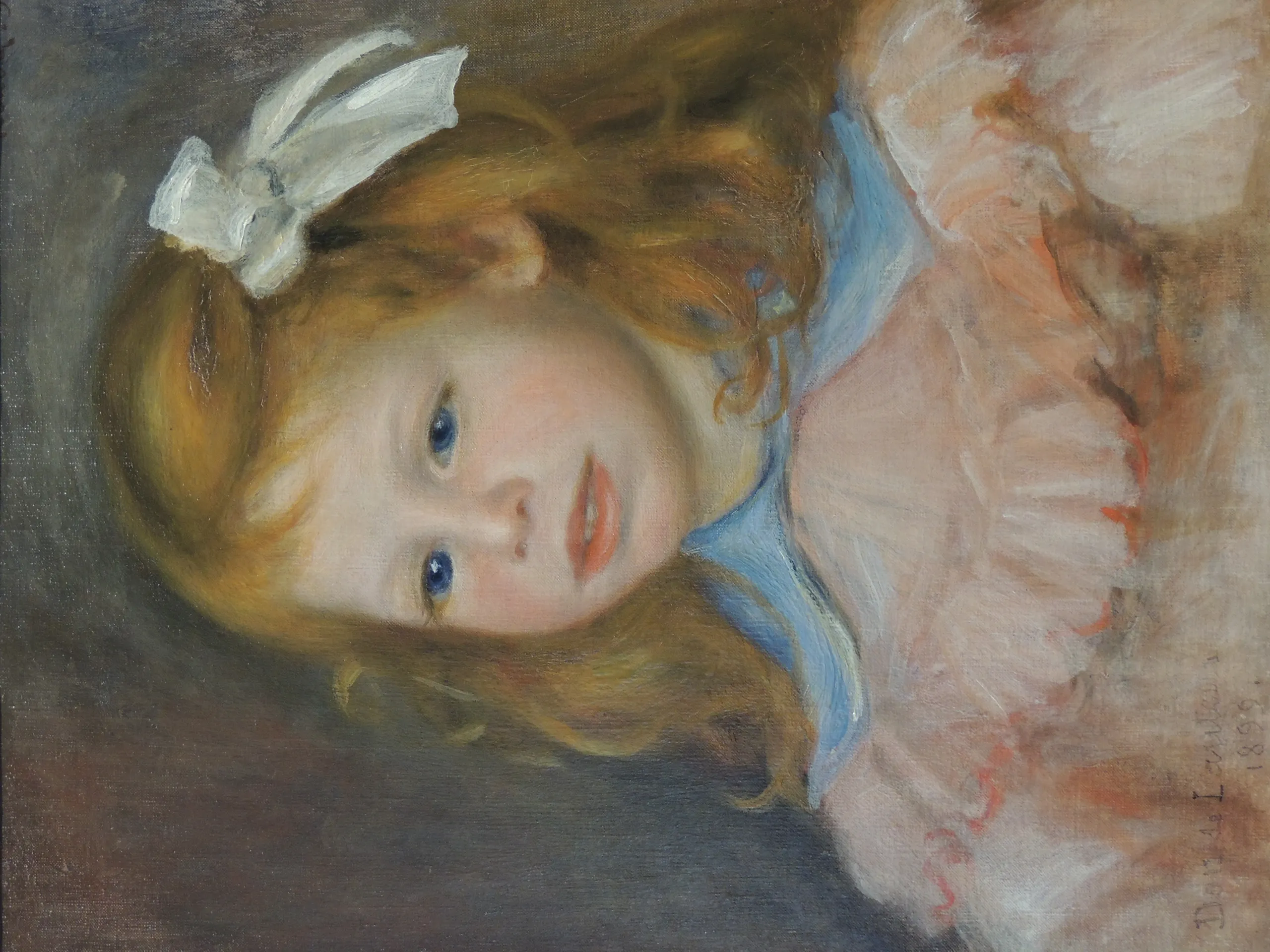
Jean Renoir's estate continues to generate revenue from film royalties, licensing for restoration and distribution, and the sale of artworks associated with the family. Per iFANN's editorial analysis, the estate's value is estimated at $10 Million as of 2026. Revenue streams include ongoing distribution of his filmography, home video releases, streaming licensing, and occasional sales of family artworks. For instance, in November 2025, a previously unseen Renoir painting of Jean as a child with his nanny Gabrielle Renard sold for over $2 million at auction. The estate is managed by his descendants through family trusts. While specific financial details remain private, the enduring popularity of his films ensures a steady income from royalties and licensing agreements.
Awards Won (1)
Jean Renoir received a Lifetime Achievement Academy Award in 1975, an honorary Oscar recognizing his contributions to cinema. He was also nominated for Best Director for The Southerner (1945) but did not win in that category. His legacy is primarily measured through critical recognition and retrospective polls rather than competitive awards.
1975 · Lifetime Achievement
Lifetime Achievement
Known For
La Grande Illusion
1937 · Director
The Rules of the Game
1939 · Director, Actor
The Southerner
1945 · Director
The River
1951 · Director
French Cancan
1955 · Director
Keywords
Sources
Quick Facts
- Profession
- film director, actor, screenwriter
- Born
- +1894-09-15
- Birthplace
- Montmartre, Paris, France
- Died
- +1979-02-12
- Death Place
- Beverly Hills, California, USA
- Gender
- Male
- Spouse
- Catherine Hessling, Dido Freire
- Birth Sign
- Virgo
- Height
- 5 ft 8 in (173 cm)
- Children
- Alain Renoir
Personal Details
- Full Name
- Jean Renoir
- Height
- 5 ft 8 in (173 cm)
- Spouse
- Catherine Hessling, Dido Freire
- Children
- Alain Renoir
Filmography
40
Total
40
Film
0
TV
Frequently Asked Questions
Was Jean Renoir related to the painter Pierre-Auguste Renoir?
How many films did Jean Renoir direct?
Was Jean Renoir married?
Did Jean Renoir win an Oscar?
Why is The Rules of the Game considered a masterpiece?
Similar People
Join the community
fans discussing