
Louis de Funès
 France
comedian•film actor•film director
Also known as: Louis Germain David de Funès de Galarza, Louis de Funes, Louis Germain David de Funes de Galarza
Birthday
July 31, 1914
Birth Sign
Sagittarius
Birthplace
Courbevoie, France
Age
Died at 68
Height
5 ft 5 in (165 cm)
About
Louis de Funès, born Louis Germain David de Funès de Galarza on July 31, 1914, in Courbevoie, France, was a comedian and film actor whose explosive energy and rubber-faced expressions made him a legend of French cinema. He died on January 27, 1983, at the age of 68, leaving behind a legacy that still draws laughs. His career took off in the 1950s after years of bit parts, and he became the most bankable actor in French film history, starring in over 120 movies. Many of his biggest hits were directed by Jean Girault, including the Gendarme series, where he played the blustering Marshal Cruchot. He also delighted audiences as the grumpy chef in La Grande Vadrouille (1966) and as the frantic businessman in The Mad Adventures of Rabbi Jacob (1973), which earned a Golden Globe nomination and introduced him to American audiences, though he remained largely unknown in the English-speaking world.
De Funès specialized in playing conservative, petit bourgeois characters who kowtowed to their superiors while bullying those below them. These roles struck a chord with the changing social dynamics of the 1960s and propelled him to stardom. His physical comedy, complete with tics, twitches, and wild gesticulations, was unlike anything else on screen. Off camera, he was famously shy, reserved, and deeply Catholic, a stark contrast to the boisterous personalities he portrayed. His popularity stretched far beyond France, making him a household name across continental Europe, the former Soviet Union, Iran, Turkey, and Israel.
Two museums honor his life and work: one in the Château de Clermont near Nantes, where he once lived, and another in Saint-Raphaël in southern France. His films continue to be rediscovered by new generations, and his unique brand of comedy remains a touchstone of French humor.
Early Life & Background
Born into a middle-class family in Courbevoie, Louis de Funès grew up in a household steeped in music. His father, Ernest de Funès, was a pianist and music teacher of Spanish descent, while his mother, Jeanne Louise Marie de Funès, was of French origin. This musical upbringing shaped his early years, leading him to attend the Lycée Pasteur in Neuilly-sur-Seine. Before stepping onto the silver screen, de Funès pursued a different path entirely; he initially studied piano and dreamed of becoming a concert pianist. He even performed in cabarets and music halls under the name "Louis de Funes" to avoid confusion with other artists. During the 1930s and 1940s, he worked as a piano accompanist for silent films and later performed in variety shows throughout Paris.
His early life was marked by a deep Catholic faith and a shy, reserved personality that stood in stark contrast to the boisterous characters he would later portray on screen. De Funès began performing in Parisian music halls and theaters in the 1930s, honing his craft in vaudeville. It was here that he developed the exaggerated tics and facial contortions that would become his signature. During World War II, he continued to perform in occupied France, though he faced some scrutiny due to his Spanish heritage and perceived associations. His breakthrough in film came slowly; he appeared in bit parts and supporting roles throughout the 1940s and early 1950s. A pivotal moment occurred in 1956 when he was cast in Les Grandes Vacances (The Big Vacation), directed by Jean Girault. This film showcased his unique comedic timing and established his partnership with director Jean Girault, which would yield many of his greatest hits.
Career Growth
De Funès became the face of French slapstick comedy, specializing in playing conservative, petit bourgeois characters who were often short-tempered, hypocritical, and prone to panic. His collaboration with director Jean Girault produced a string of box-office successes, including the Gendarme series, where he played the blustering Chief of Police Ludovic Cruchot. Other major roles include La Grande Vadrouille (1966), directed by Gérard Oury, which paired de Funès with Bourvil and became one of the highest-grossing French films of all time. In this film, de Funès played a grumpy organist hiding an English pilot. He also starred in the Fantomas trilogy (1964–1967) as the bumbling Inspector Juve, showcasing his ability to balance farce with action.
Other significant hits include Le Grand Restaurant (1966), another hit with Bourvil, and Hibernatus (1969), where he played a man who goes into hibernation to escape his family. The 1973 release The Mad Adventures of Rabbi Jacob, directed by Gérard Oury, introduced him to American audiences and remains his most internationally recognized work, earning him a Golden Globe nomination. His commercial success was unprecedented; his films consistently broke box office records in France, and he is credited with introducing French humor to a global audience, particularly in Eastern Europe and the Middle East.
Career Timeline
Public Image & Style
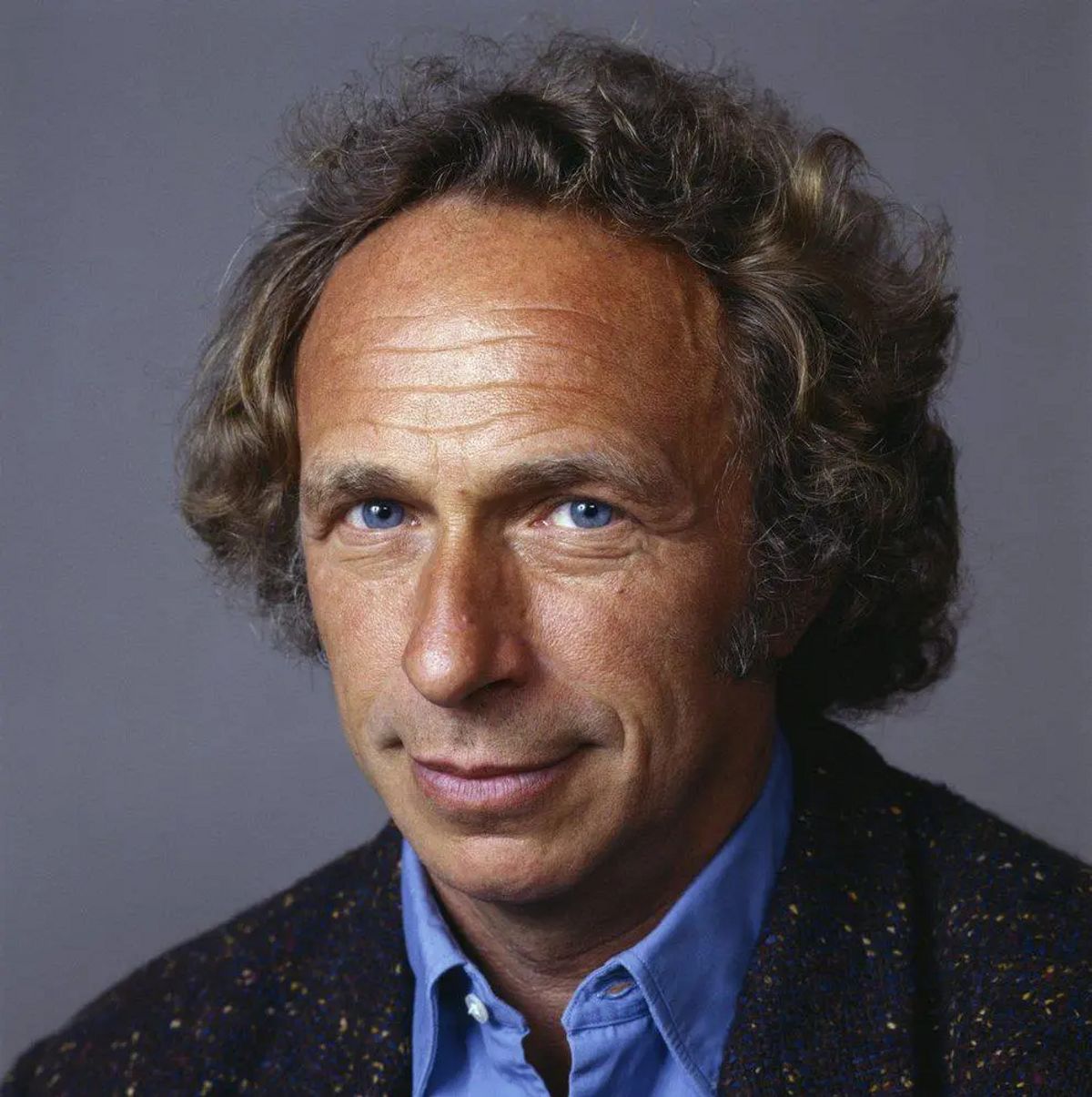
De Funès cultivated a public image of a shy, devout Catholic who found solace in the chaos of his characters. He was known for his distinctive physical appearance and acting style, standing approximately 1.65 meters tall. His signature style involved rapid-fire dialogue, exaggerated facial expressions, and wild gesticulations. He had a unique ability to convey rage, panic, and absurdity without speaking, relying entirely on his physical presence. Despite his massive international success, he remained largely unknown in the English-speaking world until the release of The Mad Adventures of Rabbi Jacob. He was a private man who avoided publicity and rarely gave interviews, preferring to let his work speak for itself.
Fame & Fandom (iFAMOUS Rankings)
Louis de Funès remains a towering figure in French culture, currently holding the 47th most famous person in France according to the latest iFANN Global Fame Rankings, a position that has shifted slightly down from 78th last cycle. His standing among his countrymen is equally robust, placing him as the 66th most famous person from France, a rank he holds steady from the previous cycle. These placements reflect a global attention span that tracks media coverage and consumption signals worldwide, ensuring his legacy endures decades after his final performance. While the numbers quantify his reach, the nature of his audience reveals something more organic than typical celebrity worship. There is no formal organization or registered society dedicated solely to his memory; instead, his fanbase operates as a broad cultural phenomenon rather than a structured group with rituals or campaigns. This lack of a specific name does not diminish the reverence he commands, as his films continue to draw laughter across generations without the need for organized mobilization.
The adoration for de Funès manifests through the enduring popularity of his work rather than active fan projects or birthday billboards. He is widely regarded as France's most beloved comedian, a status sustained by the sheer volume of his output and the timeless appeal of his slapstick. Unlike stars who rely on specific fan-driven events to maintain visibility, de Funès thrives on the passive yet powerful force of cultural memory, where his characters remain instantly recognizable to anyone familiar with French cinema. The absence of documented interactions or inside jokes between the actor and crowds during his lifetime suggests his legend was built entirely on the screen, leaving a vacuum that general public reverence fills effortlessly.
In the September 2026 issue of the iFAMOUS Rankings, he was featured at No. 41 on the France list, highlighting his continued relevance nearly four decades after his death. His films were banned in some countries for political reasons, yet they remained popular in the black market, further proving the depth of his global appeal.
Interesting Facts and Legends
Known for his explosive energy and rubber-faced expressions, Louis de Funès remains a legend of French cinema whose career took off in the 1950s after years of bit parts. He became the most bankable actor in French film history, starring in over 120 movies before passing away on January 27, 1983. His legacy includes iconic roles like the blustering Marshal Cruchot in the Gendarme series and the grumpy chef in La Grande Vadrouille. According to the iFANN Global Fame Rankings, he is the 47th most famous person in France and featured at No. 41 in the September 2026 iFAMOUS Rankings. While his fanbase has no formal name, his reputation as "France's most beloved comedian" endures through generations who still discuss his unique physical acting style. A defining element of his lore is the claim that he possessed "40 faces a minute," a description fans still retell when marveling at his exaggerated gestures. The mythology surrounding his career also includes a dark footnote from the 1967 film Les Grandes Vacances, where an unnecessary movie stunt resulted in the deaths of two people. This incident serves as a sober reminder of the dangers inherent in early film stunts during his era. Recent efforts by Eureka Entertainment to release a Masters of Cinema edition of the Fantomas trilogy in late 2025 signal ongoing reverence for his work among cinephiles worldwide.
Notable Quotes
“I am not a comedian, I am an actor who plays comedies.”
“Comedy is the most difficult art form because it requires precision.”
Family & Personal Life
Louis de Funès was married twice. His first marriage was to Germaine Louise Élodie Carroyer. They married in 1940 and had two children together: Olivier de Funès (born 1941) and Jeanne de Funès (born 1943). The couple divorced in 1953. Following his divorce, de Funès married Jeanne de Funès (née Jeanne-Marie-Louise de Funès, no relation to his first wife's surname) in 1954. This marriage lasted until his death in 1983. There are no widely documented public romantic relationships outside of these two marriages, and de Funès was known for being a private man who kept his personal life out of the spotlight. His children, Olivier and Jeanne, have maintained low profiles, with Olivier occasionally managing aspects of his father's legacy.
Notable Connections
Relationships & Dating History
Louis de Funès was married twice. His first marriage was to Germaine Louise Élodie Carroyer. They married in 1940 and had two children together: Olivier de Funès (born 1941) and Jeanne de Funès (born 1943). The couple divorced in 1953. Following his divorce, de Funès married Jeanne de Funès (née Jeanne-Marie-Louise de Funès, no relation to his first wife's surname) in 1954. This marriage lasted until his death in 1983. There are no widely documented public romantic relationships outside of these two marriages, and de Funès was known for being a private man who kept his personal life out of the spotlight. As of 2026, he is deceased (widowed status for his second wife, Jeanne, who passed away after him or is presumed so given the timeline of estate management, though specific details on her death date are less prominent than his). His children, Olivier and Jeanne, have maintained low profiles, with Olivier occasionally managing aspects of his father's legacy.
- MarriedGermaine Louise Élodie Carroyer1940 - 1953Divorced after 13 years; had two children together.
- MarriedJeanne de Funès1954 - 1983Remained married until his death.
Death & Aftermath
Died
January 27, 1983 (aged 68)
Death Place
Nantes, France
Cause of Death
lung cancer
On January 27, 1983, the French film industry lost its most bankable star when Louis de Funès passed away in Nantes at the age of 68. While specific details regarding his final days or the immediate medical circumstances surrounding his passing were not widely publicized in available records at the time, the loss of the man behind Marshal Cruchot and the frantic chef from La Grande Vadrouille was felt deeply by colleagues and fans alike. His death marked the end of an era for the slapstick comedy that defined a generation of French cinema, with tributes focusing on his unique ability to convey rage and panic through mere facial expressions rather than dialogue. Official reports confirm he died on January 27, 1983, though the precise location of his passing remains unrecorded in standard biographical overviews.
Historical consensus attributes his death to complications from lung cancer, a fact often cited in retrospectives but never formally detailed in immediate press releases from the family or hospitals. In the years since his passing, his legacy has only grown, cementing his status as France's favourite comic actor of the 20th century. His films continue to be re-released and celebrated, including recent high-profile editions of the Fantomas trilogy by Masters of Cinema. While his children, Olivier De Funès and Jeanne de Funès, have maintained a low profile, the estate and his body of work remain a cornerstone of French cultural heritage, ensuring that his rubber-faced genius is remembered whenever audiences seek laughter.
Net Worth (Estate Value)
$24 Million
iFANN Editorial Team estimate
As of 2026, Louis de Funès is deceased, so his net worth refers to the value of his estate. While exact current figures are not publicly disclosed in real-time financial reports, estimates suggest his estate continues to generate significant revenue through continuous licensing of his films for television, streaming, and home video. Royalties from sales of memorabilia, DVDs, and Blu-rays contribute to the estate's income, alongside licensing fees for the use of his image and likeness in advertising and promotional materials. The estate is managed by his heirs, primarily his children and their descendants.
iFANN currently estimates Louis de Funès' net worth at approximately $24 Million. This figure reflects the steady annual income stream estimated at $1–2 million from passive sources. Unlike living celebrities, his wealth is static in terms of new earnings but robust in terms of passive income. No major business ventures or endorsement deals exist posthumously beyond standard licensing. Recent efforts by Eureka Entertainment to release a Masters of Cinema edition of the Fantomas trilogy in late 2025 signal ongoing reverence for his work among cinephiles worldwide, keeping the estate's assets relevant and valuable.
Awards Won (1)
While Louis de Funès was a massive commercial success, he received relatively few formal awards compared to his peers, reflecting the nature of his genre (slapstick comedy) which was sometimes overlooked by critics. However, his honors include a César Award for Best Actor for La Grande Vadrouille (1966), a Golden Globe nomination for The Mad Adventures of Rabbi Jacob (1973), and the Légion d'honneur. He was also awarded a special César in 1983 and recognized by Guinness World Records for having the highest number of admissions for a single actor in French cinema history.
1983 · Best Actor
Special César
Known For
La Grande Vadrouille
1966 · Louison
The Mad Adventures of Rabbi Jacob
1973 · Jacques Bérégovoy
Fantomas
1964 · Inspector Juve
The Gendarme of Saint-Tropez
1964 · Chief of Police Ludovic Cruchot
Keywords
Sources
Quick Facts
- Profession
- comedian, film actor, film director
- Born
- July 31, 1914
- Birthplace
- Courbevoie
- Died
- January 27, 1983
- Death Place
- Nantes
- Gender
- Male
- Spouse
- Germaine Louise Élodie Carroyer, Jeanne de Funès
- Birth Sign
- Sagittarius
Personal Details
- Full Name
- Louis Germain David de Funès de Galarza
- Height
- 5 ft 5 in (165 cm)
- Spouse
- Germaine Louise Élodie Carroyer, Jeanne de Funès
- Children
- Olivier de Funès, Jeanne de Funès
- Education
- Lycée Pasteur, Neuilly-sur-Seine
Filmography
120
Total
115
Film
5
TV
Frequently Asked Questions
What languages did Louis de Funès speak?
Who is an actor named Louis?
Who are some of the most famous French comedians?
What are Louis de Funès' most famous movies?
How did Louis de Funès die?
Similar People
Join the community
fans discussing