 France
About
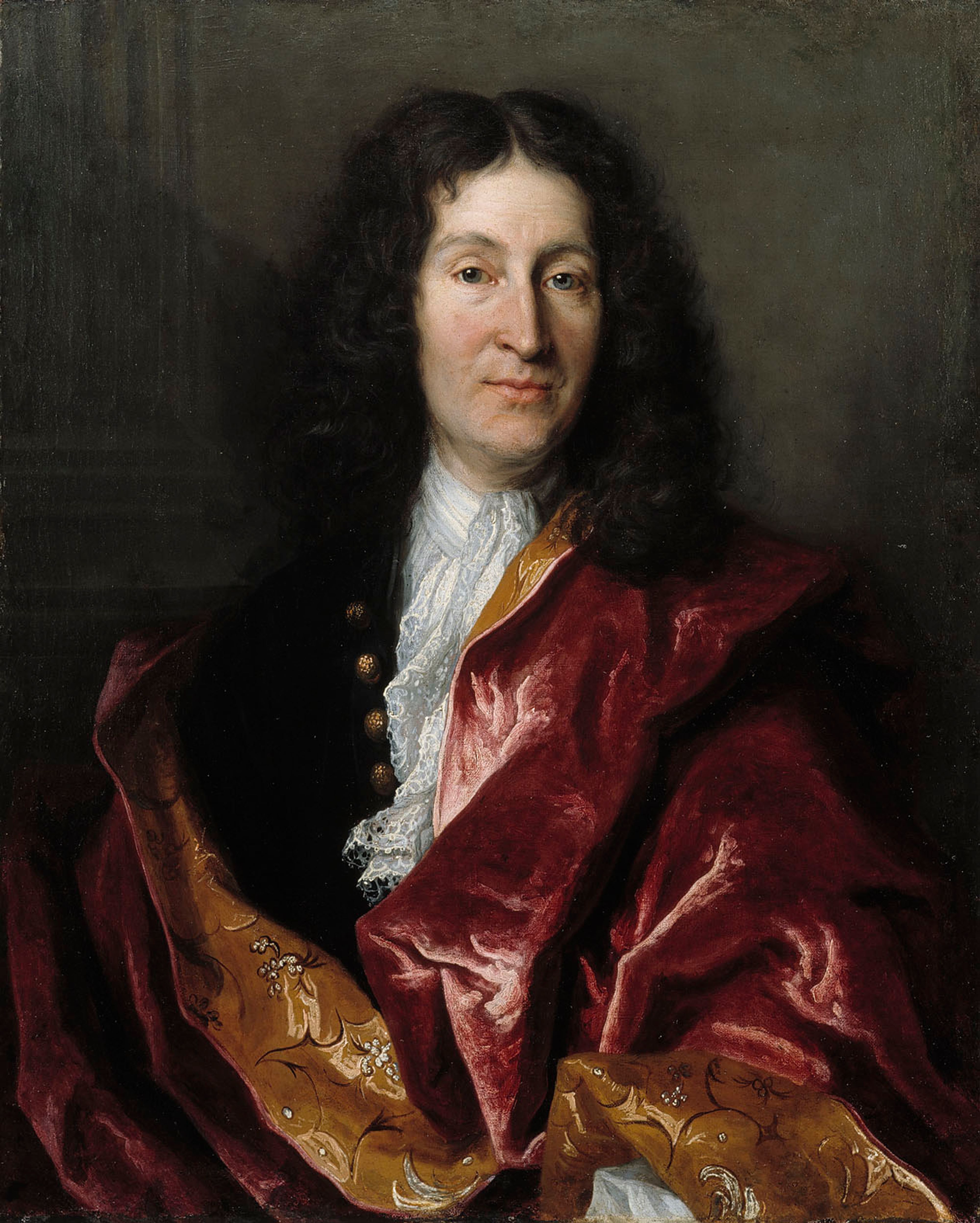
Jean de La Fontaine, born on July 8, 1621, in Château-Thierry, was a French fabulist and poet whose work has enchanted readers for centuries. He is best known for his Fables, a collection of witty and moralistic tales featuring animals that critique human folly. La Fontaine's fables became a model for storytellers across Europe and inspired countless adaptations in France and its regional languages. Despite his literary brilliance, he faced royal suspicion for years before finally being admitted to the Académie Française. His reputation in France has never waned, as evidenced by the many portraits, statues, medals, coins, and postage stamps that bear his image. He died on April 13, 1695, at the age of 73, leaving behind a legacy that continues to shape the art of storytelling.
Fame & Fandom
Centuries after his death, the audience for Jean de La Fontaine remains distinct from modern fandom culture; there is no organized group with a formal name calling itself fans of the fabulist. Instead, his readership consists of literary scholars, students, and enthusiasts of French literature who engage with his work through institutional channels rather than social media or fan campaigns. His legacy is preserved by heritage organizations and the education system, where his Fables remain mandatory reading, ensuring his influence persists as a cultural cornerstone rather than a viral phenomenon. Despite the absence of modern rituals, his stature in the world of letters is undeniable. According to the iFANN Global Fame Rankings, he holds significant standing among historical figures. Specifically, he is the 47th most famous person in France, a position holding steady from the previous cycle. This ranking reflects his enduring presence in national consciousness, visible on portraits, statues, medals, coins, and postage stamps that bear his image. The data confirms that while he lacks a contemporary fanbase with an official designation, his impact on the French language and moral code remains profound. He is not merely a subject of academic study but a figure whose stories continue to shape the national identity. The iFANN framework places him firmly within the upper echelons of French historical fame, acknowledging that his wit and moral allegories have transcended the boundaries of time to become part of the collective memory.
Interesting Facts and Legends
Jean de La Fontaine's life is rich with anecdotes that have become part of literary lore. One enduring story casts him as a "vagabond, dreamer, and free spirit," a man who prioritized poetry over courtly ambition, often at odds with the strict etiquette of Louis XIV's court. Another pivotal episode involves his friendship with Nicolas Fouquet, the Superintendent of Finances. La Fontaine's ode praising Fouquet was interpreted by the king as a challenge to royal authority, contributing to Fouquet's downfall and forcing La Fontaine to retreat from public life. The most pervasive legend surrounding La Fontaine is the creation of his Fables. Drawing from Aesop and Phaedrus, he transformed simple animal tales into sophisticated allegories that captured the complexities of human society. These fables became so ubiquitous in 17th-century France that they were recited in salons and schools, effectively shaping the national moral code for generations. His birthplace, Château-Thierry, has become a site of pilgrimage for admirers, with tourism initiatives highlighting it as a cultural destination. The "inside jokes" of his era were the witty moral twists in his fables, many of which survive as common proverbs today. Modern commemorations include immersive exhibitions celebrating his legacy, such as the "Heritage Days 2026" event featuring an immersive city of fables, proving that his stories still draw crowds three centuries later.
Death & Aftermath
Died
+1695-04-13 (aged 73)
Death Place
Paris, France
Cause of Death
Prolonged illness
Jean de La Fontaine spent his final days in Paris, suffering from gout and ailments associated with old age while maintaining his activity within literary circles until shortly before his passing. He died on April 13, 1695, at the age of seventy-four following a prolonged illness that remains without a specific medical diagnosis in the public record. His death was mourned by the Académie Française and his peers, who recognized him as a master of French literature and praised his unique ability to blend moral instruction with entertainment through his fables. The literary community responded with renewed attention and reprints of his works, cementing his status among the pantheon of French giants. He was buried in the cemetery of the Saint-Joseph church in Paris, though subsequent urban development has since obscured the exact location of his grave. In the centuries since, his legacy endured through numerous dedications, including schools, libraries, and parks across France that bear his name. His fables remain a staple of French education.
Awards & Accolades
Keywords
Quick Facts
- Profession
- fabulist, poet, lawyer
- Born
- +1621-07-08
- Birthplace
- Château-Thierry
- Died
- +1695-04-13
- Death Place
- Paris
- Gender
- Male
- Spouse
- Marie Héricart
- Birth Sign
- Cancer
Personal Details
- Spouse
- Marie Héricart
Join the community
fans discussing