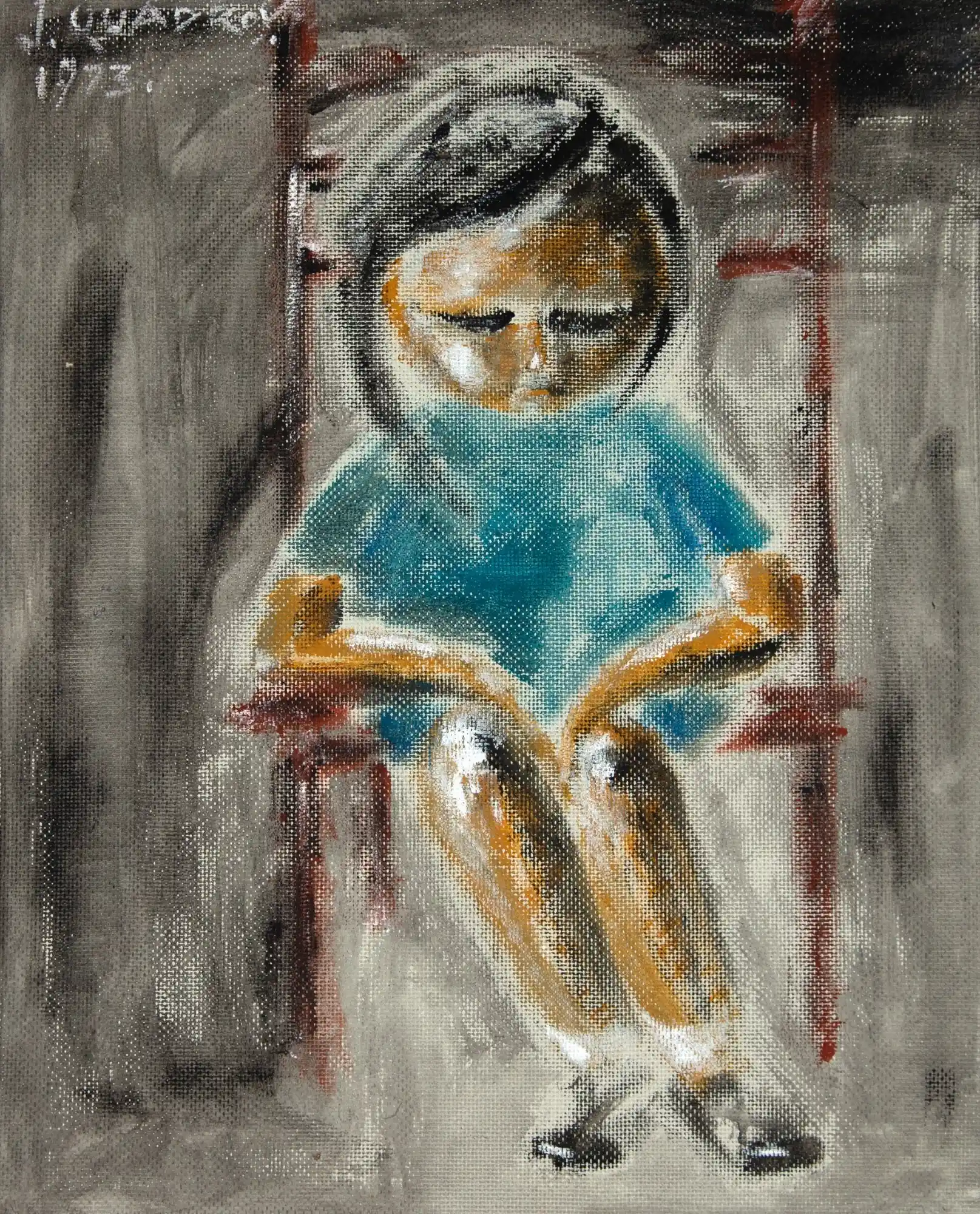
Jânio Quadros
 Brazil
Also known as: Janio Quadros
Birthday
January 25, 1917
Birth Sign
Sagittarius
Birthplace
Campo Grande, Mato Grosso (now Mato Grosso do Sul)
Age
Died at 75
About
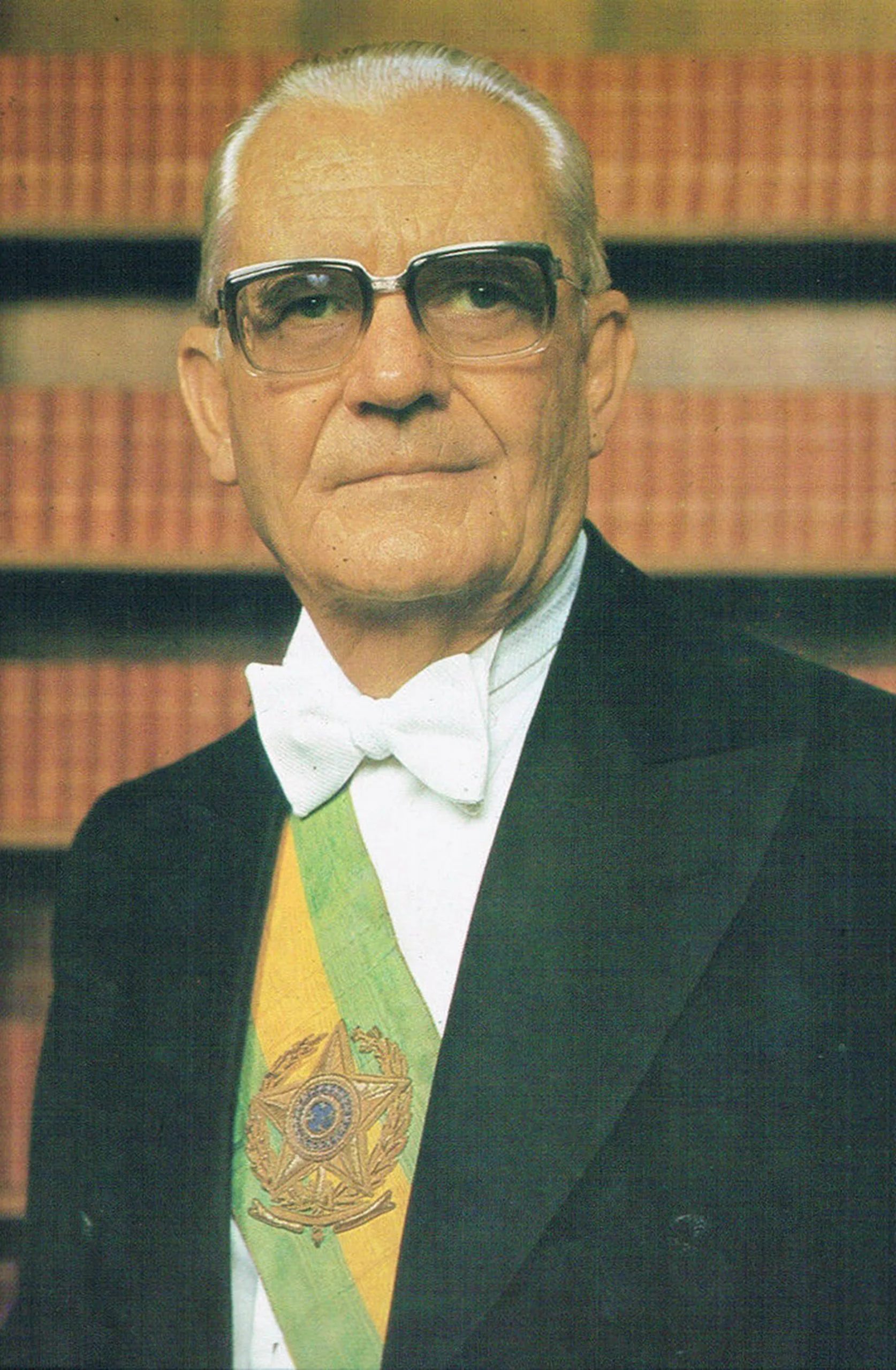
Jânio da Silva Quadros was a Brazilian lawyer and politician who served as the 22nd President of Brazil. His tenure remains one of the shortest in the nation's history, lasting only from January 31 to August 25, 1961. Before reaching the presidency, he established himself as a formidable regional leader, serving twice as Mayor of São Paulo and once as the state's Governor. He is historically defined by his brief and dramatic tenure in office, which ended abruptly when he resigned after just under seven months. Known for his sharp intellect and eccentric style, he rose to power by campaigning against corruption with a broom as his symbol, promising to "sweep away" the dirt of graft. His time in office was marked by a controversial independent foreign policy that sought to balance relations between the United States and the Eastern Bloc. This approach alienated powerful domestic factions, including the military establishment. On August 25, 1961, amidst growing pressure, he submitted his resignation in an enigmatic note stating he was being persecuted by forces beyond his control. This sudden departure triggered a massive constitutional crisis that reshaped Brazil's political landscape for decades.
Early Life & Background
Jânio da Silva Quadros entered the world on January 25, 1917, in Campo Grande, a town then part of the vast state of Mato Grosso (now the capital of Mato Grosso do Sul). He was born into a family of modest means; his father worked as a clerk. Despite these humble beginnings, Jânio displayed early academic promise that would define his future path. As a young man, he moved to the bustling city of São Paulo to pursue higher education, seeking opportunities far removed from his rural origins. He enrolled at the University of São Paulo (USP), where he immersed himself in legal studies. By 1939, he had earned his law degree, a credential that opened doors to both professional practice and teaching. Following graduation, he did not immediately enter politics. Instead, he practiced law and taught Portuguese history and literature at secondary schools. These years of instruction honed his rhetorical skills and deepened his understanding of national identity, traits that would later become central to his political persona. His background as an educator gave him a platform to speak with authority and clarity, setting the stage for his eventual entry into the political arena in 1945.
Career Growth
Quadros launched his political career in the post-World War II democratic wave. His first significant victory came in 1947 when he was elected as a city councilor in São Paulo, securing 1,707 votes. This success paved the way for his election as Mayor of São Paulo in 1948, a position he held until 1951. During this first term, he gained national attention for his administrative rigor and attempts to clean up corruption, though he faced stiff opposition from entrenched political machines.
He returned to the mayoralty in 1955, winning re-election by a narrow margin of just 1 percent. His second term as mayor (1955–1959) saw him implement significant urban reforms and infrastructure projects. In 1959, he successfully ran for Governor of São Paulo, a role he held until his election to the presidency. His gubernatorial campaign and subsequent administration were pivotal in establishing him as a national figure known for his "sweeping" rhetoric against bureaucratic inefficiency.
The apex of his career occurred in the 1960 presidential election. Running on a platform of moralizing the government, he adopted a broom as his electoral symbol, promising to "sweep away" corruption. This visual strategy resonated deeply with a populace weary of graft, leading to a landslide victory where he secured 48% of the vote, defeating his main rival, João Goulart. He assumed the presidency on January 31, 1961. Domestically, he focused on economic austerity measures and attempted to root out corruption within the civil service. However, his most controversial move was his independent foreign policy. He sought to establish diplomatic relations with communist countries, including Cuba and the Soviet Union, while simultaneously maintaining ties with the United States. This "independent path" alienated both the military establishment and conservative factions within his own party, as well as the US government. On August 25, 1961, amidst growing pressure from the military and political elites who opposed his policies, Quadros submitted his resignation. He left an enigmatic note stating that he was being persecuted by powerful forces without specifying them, famously writing, "I am leaving because I am not free." The resignation triggered a massive constitutional crisis. Vice President João Goulart, who was visiting China at the time, became the focal point of a struggle over succession. The crisis was eventually resolved through the "Legality Campaign," which forced the military to accept Goulart's inauguration, provided he agreed to a parliamentary system of government. Quadros's departure remains one of the most studied moments in Brazilian political history, often cited as a precursor to the 1964 military dictatorship.
Career Timeline
Public Image & Style
Quadros cultivated a distinct public persona defined by his rejection of traditional political norms. He was known for his casual attire, often appearing in simple shirts and trousers rather than the formal suits expected of high-ranking officials. This sartorial choice reinforced his image as a man of the people and a critic of the elitist establishment. His use of the broom as a campaign symbol became iconic, representing a direct appeal to voters' desire for cleanliness and honesty in government. Media portrayals often emphasized his unpredictability and sharp wit, painting him as a figure who operated outside the rigid structures of Brazilian bureaucracy. His independent foreign policy stance further cemented his reputation as a maverick willing to challenge both domestic conservatives and international powers.
Fame & Fandom (iFAMOUS Rankings)
The legacy of Jânio Quadros is not measured in trending hashtags or streaming numbers, but in the enduring mystery of a resignation that shocked a nation. His brief tenure as Brazil's 22nd president ended abruptly in August 1961, leaving behind a cryptic note about persecution and a political landscape forever altered by his sudden departure. While the city of Presidente Jânio Quadros in Mato Grosso do Sul continues to host civic events under his name, the man himself holds no active fanbase with rituals or organized campaigns. He was a populist figure whose support came from voters rather than devotees, and his iconic broom symbol remains a historical artifact of a campaign promise to sweep away corruption. Decades later, the story of his eccentric behavior, refusing formal suits, challenging military power, and vanishing from the presidency, retains its grip on Brazilian cultural memory. Yet this historical fascination does not translate into modern fandom metrics. The iFANN Global Fame Engine has evaluated his standing among global figures, noting that as of September 2026, he does not hold a placement in the published rankings (Global Top 1,000 or any Top-100 scope list). Consequently, there is no specific ordinal rank or score assigned to his current fame level within the Global Top 1,000 or any scope list. This absence reflects the reality that while his name evokes historical curiosity, he lacks the contemporary celebrity status required for a documented ranking position. Furthermore, no formal fandom name is documented in the iFANN data for his supporters.
Interesting Facts and Legends
The broom was not just a symbol but a central prop in his campaign rallies, used to visually demonstrate his commitment to cleaning up the government. He was known for rejecting formal dress codes, often appearing in casual clothes rather than the traditional suits expected of presidents, which further alienated the conservative elite. A persistent legend surrounds his abrupt resignation, where he left an enigmatic note stating he was being persecuted without naming his accusers. Some theories suggest he hoped the public would beg him to return after his departure, a populist stunt that ultimately failed. Another tale from his time in office highlights his refusal to wear traditional suits and ties, preferring casual attire instead of the formal dress code expected of the era. These eccentricities contributed to his reputation as an unpredictable and captivating figure in Brazilian politics. Additionally, he was born in Campo Grande, which was then part of the vast state of Mato Grosso before becoming the capital of the newly created state of Mato Grosso do Sul in 1977.
Notable Quotes
“I am leaving because I am not free.”
“I will sweep away the corruption.”
Family & Personal Life
Jânio Quadros was married to Eloá Maria da Silva Quadros. They met during his early political years in São Paulo. Their marriage was long-standing and produced several children, though specific details regarding the number of children and their names are less frequently highlighted in international sources compared to his political deeds. The couple remained together until his death. There are no widely documented records of prior engagements or high-profile romantic flings outside of his marriage; his public image was largely that of a bachelor-turned-family-man politician whose personal life was overshadowed by his eccentric public persona. As of his death in 1992, he was widowed by Eloá, who survived him.
Notable Connections
Relationships & Dating History
Jânio Quadros was married to Eloá Maria da Silva Quadros. They met during his early political years in São Paulo. Their marriage was long-standing and produced several children, though specific details regarding the number of children and their names are less frequently highlighted in international sources compared to his political deeds. The couple remained together until his death. There are no widely documented records of prior engagements or high-profile romantic flings outside of his marriage; his public image was largely that of a bachelor-turned-family-man politician whose personal life was overshadowed by his eccentric public persona. As of his death in 1992, he was widowed by Eloá, who survived him.
- MarriedEloá Quadros1940 - 1992Remained married until his death; she survived him.
Death & Aftermath
Died
February 16, 1992 (aged 75)
Death Place
São Paulo, Brazil
Cause of Death
Natural causes associated with old age and illness
Jânio da Silva Quadros spent his final days in São Paulo. The former president passed away on February 16, 1992, at the age of 75 within the metropolitan area where he had built his reputation as an unpredictable populist force. Contemporary accounts from major publications like The New York Times and The Washington Post attributed his passing to natural causes linked to old age and illness, noting his death as the end of an era for a man who had once shaken the foundations of the republic. Specific medical details remained unelaborated in immediate reports. The reaction to his death focused on his unique historical footprint rather than immediate public mourning rituals. Tributes acknowledged his role as the president who resigned after just seven months, an event that triggered a crisis leading to military intervention in 1964. Historians and political analysts continued to discuss his legacy, ensuring his brief tenure remained a subject of study regarding the nation's trajectory toward dictatorship.
Details regarding funeral arrangements, burial locations, or notable attendees were not recorded in available sources, leaving the logistics of his final rites undocumented. Posthumously, Quadros remained a prominent figure in Brazilian political history, frequently cited in educational materials and documentaries analyzing the 1961 crisis. While no major scholarships or book releases dedicated solely to his memory appeared in records following 1992, his name endured as a critical reference point for understanding the era. The estate matters and family statements surrounding his passing were not reported, allowing the focus to remain entirely on his enduring impact on the country's political narrative. His legacy has been cemented in historical texts and documentaries as a tragic figure whose idealism clashed with the rigid structures of mid-20th-century Brazilian politics.
Net Worth (Estate Value)
$0
iFANN Editorial Team estimate
As a historical political figure who passed away in 1992, Jânio Quadros does not have a modern net worth or estate value tracked by contemporary financial databases. His career earnings as a lawyer, teacher, and public official were typical for mid-20th-century Brazilian politicians and are not publicly itemized in a way that allows for a precise calculation. Unlike modern celebrities or business magnates, his wealth was not accumulated through commercial ventures, stock markets, or real estate empires that generate ongoing revenue streams. The concept of a net worth estimate for a figure of his era and profession is generally not applicable in the same manner as it is for living personalities. Historical records focus on his political contributions and the dramatic nature of his resignation rather than his personal financial portfolio. Therefore, no specific dollar figure can be attributed to his estate or assets in 2026. No estate litigation or major legal proceedings followed his death.
Awards & Accolades
Known For
President of Brazil
1961 · 22nd President
Keywords
Sources
Quick Facts
- Profession
- lawyer, politician
- Born
- January 25, 1917
- Birthplace
- Campo Grande
- Died
- February 16, 1992
- Death Place
- São Paulo
- Gender
- Male
- Spouse
- Eloá Quadros
- Birth Sign
- Sagittarius
Personal Details
- Full Name
- Jânio da Silva Quadros
- Spouse
- Eloá Quadros
- Children
- Several children (names not widely documented)
- Education
- University of São Paulo (Law degree, 1939)
Frequently Asked Questions
Who was Jânio Quadros?
Why did Jânio Quadros resign?
What is the significance of the broom in Jânio Quadros's campaign?
When and where did Jânio Quadros die?
Did Jânio Quadros have children?
Join the community
fans discussing