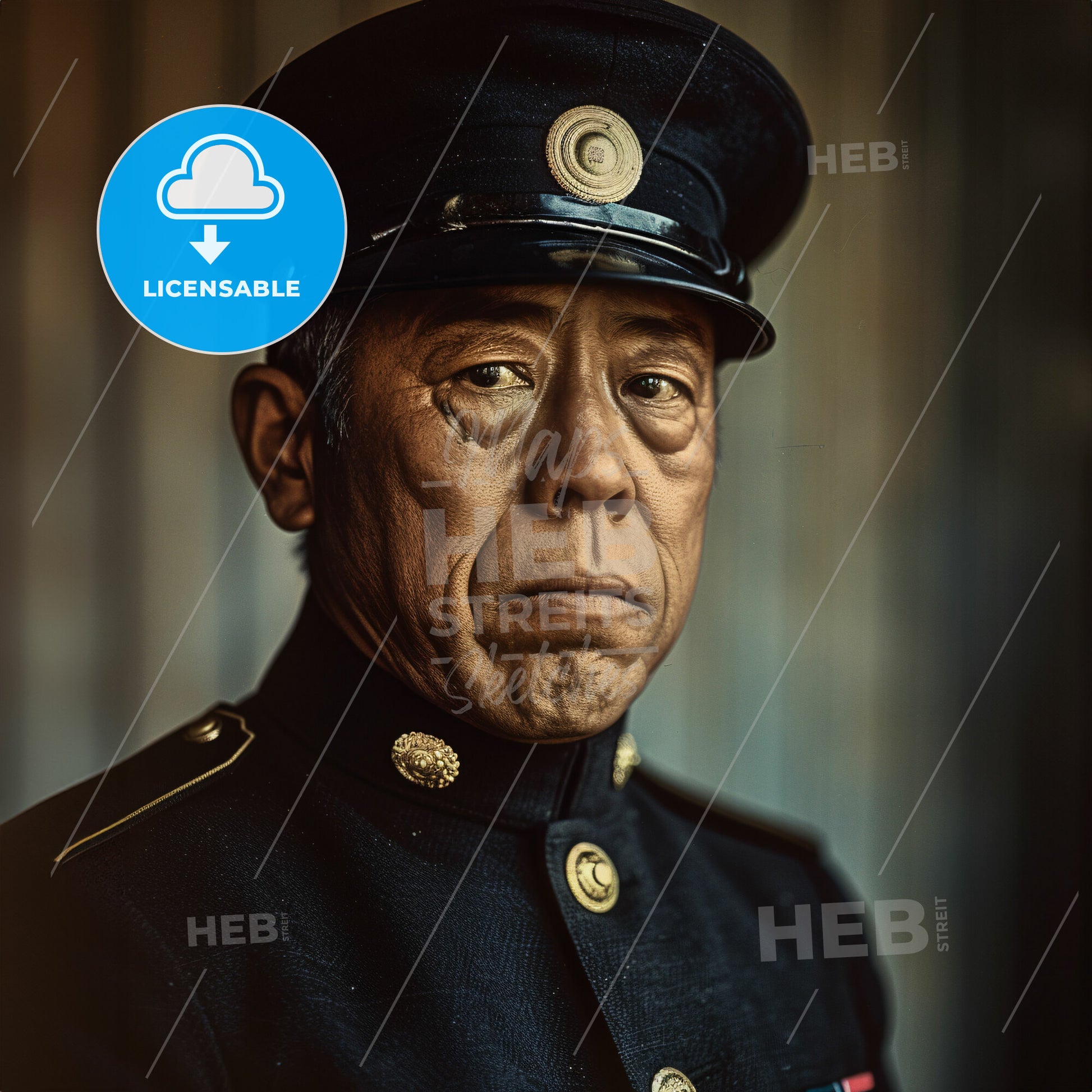
Isoroku Yamamoto
 Japan
JapanAlso known as: Yamamoto Isoroku, Admiral Yamamoto, Jisaburō Yamamoto
Birthday
April 4, 1884
Birth Sign
Aries
Birthplace
Nagaoka, Niigata Prefecture, Japan
Age
Died at 59
About
Isoroku Yamamoto was a Marshal Admiral of the Imperial Japanese Navy and the primary architect of the attack on Pearl Harbor. Born Jisaburō Yamamoto on April 4, 1884, he rose through the ranks to command the Combined Fleet during World War II. His career is defined by the strategic foresight that led to the surprise assault on Oahu in December 1941 and the subsequent defeat at the Battle of Midway in June 1942. He died on April 18, 1943, when his aircraft was shot down over Bougainville Island by U.S. forces executing Operation Vengeance.
Yamamoto's approach to warfare was shaped by his early experiences in the Russo-Japanese War and his years studying in the United States. He became a vocal advocate for naval aviation, arguing that aircraft carriers would supersede battleships in future conflicts. Despite his belief that Japan could not sustain a prolonged war against the industrial might of the United States, he executed the orders given to him with meticulous precision until his death at age 59.
Early Life & Background
Jisaburō Yamamoto entered the world on April 4, 1884, in Nagaoka, a town in Niigata Prefecture known for its sake brewing industry. He was the third son of Yoshimasa Yamamoto, a samurai who served as a local official. The family name Yamamoto is common in Japan, but his birth name was Jisaburō. In 1902, at the age of 18, he enrolled in the Imperial Japanese Naval Academy in Etajima. During his time there, he adopted the nickname "Go," meaning five, which combined with his surname to form "Isoroku" (five-sixty), a play on words referencing his rank and name, though he officially used Isoroku later in life.
Before rising to prominence as a strategist, Yamamoto saw active combat in the Russo-Japanese War (1904–1905). At the Battle of Tsushima in May 1905, serving as an ensign, he was severely wounded by shrapnel, losing two fingers on his left hand. This injury earned him the reputation of being a "one-handed admiral," a symbol of his sacrifice. Following the war, he pursued higher education, graduating from the Naval War College in 1916. A pivotal moment in his early career occurred between 1919 and 1921, when he studied at Harvard University in Cambridge, Massachusetts, and served as a naval attaché in Washington, D.C., and London. This period deeply influenced his worldview; he witnessed American industrial might firsthand and concluded that Japan could not sustain a prolonged war against the United States due to differences in oil production and manufacturing capacity.
Career Growth
Yamamoto's career trajectory was defined by his advocacy for naval aviation and his strategic foresight. After his studies abroad, he held various command positions, including captain of the battleship Mutsu and commander of the First Air Fleet. He was a vocal proponent of aircraft carriers over battleships, arguing that air power would dominate future naval warfare, a view that was initially controversial within the traditionalist Japanese navy.
In 1936, Yamamoto became Vice Minister of the Navy. In this role, he openly opposed the Tripartite Pact signed with Germany and Italy in 1940, warning that such an alliance would inevitably lead to war with the U.S. and UK, which Japan could not win. Despite his objections, the pact was signed, and he was sidelined politically until 1939. His breakthrough moment came in October 1939 when he was appointed Commander-in-Chief of the Combined Fleet. Tasked with preparing for a potential war with the United States, he devised the plan for the surprise attack on Pearl Harbor. The operation required meticulous planning, including the training of torpedo bombers in shallow waters in Kagoshima Bay to simulate the harbor conditions of Oahu. On December 7, 1941, the attack succeeded in crippling the U.S. Pacific Fleet, though it failed to destroy American aircraft carriers, which were out at sea.
Yamamoto's subsequent campaigns included the Indian Ocean raid and the Battle of Midway in June 1942. At Midway, despite his careful planning, the Japanese fleet suffered a catastrophic defeat, losing four aircraft carriers. This battle marked the turning point of the Pacific War. Yamamoto continued to direct operations in the Solomon Islands, specifically the Guadalcanal campaign, but the Japanese position deteriorated. His death in 1943 deprived Japan of its most capable naval leader.
Career Timeline
Public Image & Style
Yamamoto is portrayed in media as a tragic hero, a brilliant strategist who foresaw the inevitable defeat of Japan but felt bound by duty to serve his country. He is often depicted as a complex figure who understood the futility of the war yet executed it with precision. His distinctive appearance, marked by the missing fingers on his left hand, became an iconic symbol of his sacrifice and experience. Unlike many wartime leaders who projected invincibility, Yamamoto's public image includes moments of candor about the risks of war with the United States. He is remembered as a man of intellect and discipline, fluent in English and deeply familiar with Western culture, which set him apart from his contemporaries.
Fame & Fandom
According to the iFANN Global Fame Rankings, Isoroku Yamamoto is currently the 43rd most famous person from Japan, holding steady from the previous cycle. He also holds the position of the 71st most famous person in East Asia, having moved up from 72nd last cycle. These placements reflect sustained attention across decades, driven by his pivotal role in reshaping the Pacific theater during World War II. While modern entertainment often captures fleeting public adoration, Yamamoto's legacy endures through scholarly inquiry and military history enthusiasts who dissect his campaigns with relentless precision. Unlike contemporary celebrities, he commands no organized fanbase with rituals or collective identities. There is no formal fandom name for Isoroku Yamamoto, nor are there fan-funded projects or birthday billboards dedicated to his memory. Engagement with his life remains strictly academic and commemorative, characterized by intense debates over his strategic choices rather than the fervent devotion seen in pop culture. The closest approximation to a devoted following consists of researchers and buffs on forums like Reddit's r/AskHistorians, where discussions focus on tactical nuances rather than idolization. Even the persistent legends surrounding his death, such as the discovery of a gold tooth at the crash site, circulate as folklore within these circles rather than as celebratory fan lore. The ranking data underscores a reality where fame is measured by enduring historical impact rather than active participation.
Interesting Facts and Legends
The attack on Pearl Harbor remains the central legend of Yamamoto's career, a meticulously planned operation that brought the United States into World War II. He personally oversaw the training of pilots in Kagoshima Bay, where the geography closely mimicked the target harbor, though the romanticized story of him selecting the site solely for its resemblance contains elements of myth. A widely retold tale claims he warned that attacking the U.S. would awaken a sleeping giant, yet historians agree this specific quote lacks primary source evidence and likely originated from the 1970 film Tora! Tora! Tora!. His death in April 1943 cemented his legendary status, occurring after American codebreakers intercepted his travel plans and launched Operation Vengeance. P-38 Lightning fighters ambushed his plane over Bougainville, killing him instantly in one of history's most celebrated intelligence-driven assassinations. Folklore persists around the crash site, including a story about a professor finding Yamamoto's gold tooth glinting in the mud years later. The Battle of Midway in June 1942 marked a devastating turning point, where four Japanese carriers were destroyed despite Yamamoto's careful planning, shifting the war's momentum permanently. These verified events and the stories that grew around them continue to fuel intense historical interest, particularly in Japan where his reputation remains a subject of nuanced debate.
Notable Quotes
“I shall run wild for six months to a year... but I have absolutely no confidence as to what will happen after that.”
“If you tell me that you can win a war against the United States, then I will fight. But if you say we cannot win, then why are we fighting?”
Family & Personal Life
Isoroku Yamamoto married Reiko Mihashi in 1917. They remained together until his death. There is no public record of other romantic relationships or marriages; historical accounts consistently refer to Reiko as his sole spouse. The couple had one daughter, Kyoko Yamamoto, born in 1919. As a military figure of his era, Yamamoto maintained a private personal life, and details regarding dating history prior to his marriage are scarce and not documented in credible historical sources. His relationship with his wife was characterized by stability, and she survived him, living until 1968. There are no reports of divorces, engagements, or high-profile flings. His status at the time of death was "married." His father, Yoshimasa, was a local official, and the family hailed from a samurai background in Nagaoka.
Notable Connections
Reiko Mihashi (wife), Kyoko Yamamoto (daughter), Hideki Tojo (Prime Minister), Franklin D. Roosevelt (U.S. President), Nobutake Kondo (subordinate admiral).
Relationships & Dating History
Isoroku Yamamoto married Reiko Mihashi in 1917. They remained together until his death in 1943. There is no public record of other romantic relationships or marriages; historical accounts consistently refer to Reiko as his sole spouse. The couple had one daughter, Kyoko Yamamoto, born in 1919. As a military figure of his era, Yamamoto maintained a private personal life, and details regarding dating history prior to his marriage are scarce and not documented in credible historical sources. His relationship with his wife was characterized by stability, and she survived him, living until 1968. There are no reports of divorces, engagements, or high-profile flings. His status at the time of death was "married." The couple lived quietly amidst the chaos of rising militarism in Japan, focusing on their family life away from the public eye.
- MarriedReiko Mihashi1917 - 1943Remained married until his death; they had one daughter.
Death & Aftermath
Died
April 18, 1943 (aged 59)
Death Place
Bougainville Island, Solomon Islands
Cause of Death
Fatal gunshot wounds from machine-gun fire
The Japanese government announced the death of Marshal Admiral Isoroku Yamamoto via radio broadcast on April 18, 1943, declaring a period of national mourning immediately after confirming the loss of the Combined Fleet commander. The official finding established that fatal gunshot wounds sustained during an aerial engagement over Bougainville Island had killed him instantly alongside several other officers aboard his Mitsubishi G4M bomber. U.S. codebreakers had intercepted his specific travel itinerary, enabling sixteen P-38 Lightning fighters to intercept the aircraft at treetop level near Balalai Airfield around 09:28 local time. Confirmation relied on visual identification of the wreckage and the recovery of personal effects by Japanese search parties arriving two days later. Public reaction in Japan was defined by shock and grief for the architect of Pearl Harbor, while American leadership viewed the strike as a strategic triumph that shifted the psychological momentum of the Pacific War.
President Franklin D. Roosevelt famously noted the precarious balance between killing Yamamoto and winning the war. A state funeral service took place at the Meiji Shrine in Tokyo on April 24, attended by Emperor Hirohito and high-ranking officials, followed by a procession where thousands lined the streets. His remains were cremated at sea off the coast of Japan to prevent desecration or capture by enemy forces. Posthumously, Yamamoto received promotion to Marshal Admiral and inspired decades of historical study, films, and academic works. A scholarship foundation was established by the Japanese government to support naval education, and his former residence in Tokyo was preserved as a museum dedicated to his life.
Net Worth (Estate Value)
$0
iFANN Editorial Team estimate
As a military officer who died in 1943, Isoroku Yamamoto did not accumulate a net worth in the modern sense. His estate value is not tracked by contemporary financial outlets. Any wealth he possessed was tied to his salary as a high-ranking naval officer and standard assets of a samurai-era family. There are no current revenue streams, licensing deals, or managed estates generating income for his heirs in the manner of celebrity estates today. The "value" of his legacy is purely historical and cultural. Research by the iFANN Editorial Team puts his estate value at approximately $0, reflecting the lack of commercial assets or ongoing royalties associated with his life and work.
Awards Won (4)
Yamamoto received significant military honours during his lifetime and posthumously. He was promoted posthumously to Marshal Admiral, the highest possible rank in the Imperial Japanese Navy. He was awarded the Order of the Chrysanthemum with Paulownia Flowers posthumously. Earlier in his career, he received the Order of the Golden Kite for his service in the Russo-Japanese War and multiple classes of the Order of the Rising Sun.
1943 · Military Rank
Posthumous Promotion
1943 · Order
Posthumous Award
Known For
Attack on Pearl Harbor
1941 · Architect and Commander
Battle of Midway
1942 · Commander-in-Chief
Operation Vengeance
1943 · Target
Keywords
Sources
Quick Facts
- Profession
- military officer, admiral
- Born
- April 4, 1884
- Birthplace
- Nagaoka, Niigata Prefecture, Japan
- Died
- April 18, 1943
- Death Place
- Bougainville Island, Solomon Islands
- Gender
- Male
- Spouse
- Reiko Mihashi
- Birth Sign
- Aries
Personal Details
- Full Name
- Jisaburō Yamamoto
- Spouse
- Reiko Mihashi
- Children
- Kyoko Yamamoto
- Education
- Imperial Japanese Naval Academy (graduated 1904), Naval War College (graduated 1916), Harvard University (1919–1921)
Frequently Asked Questions
Who was Isoroku Yamamoto?
How did Isoroku Yamamoto die?
Did Isoroku Yamamoto really say 'awaken a sleeping giant'?
What was Isoroku Yamamoto's full birth name?
Why did Isoroku Yamamoto plan the attack on Pearl Harbor?
Similar People
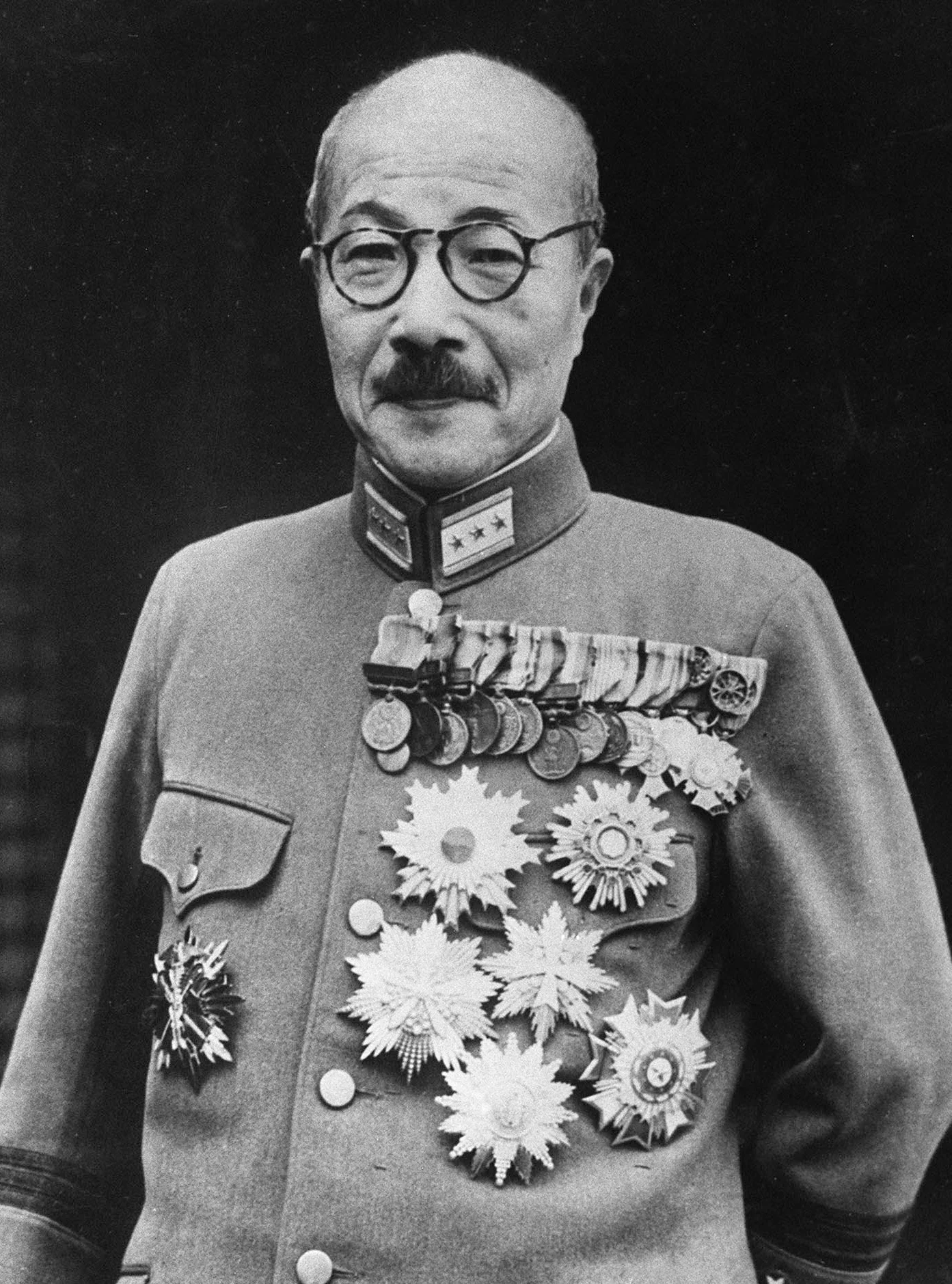
Join the community
fans discussing