 Japan
JapanAbout
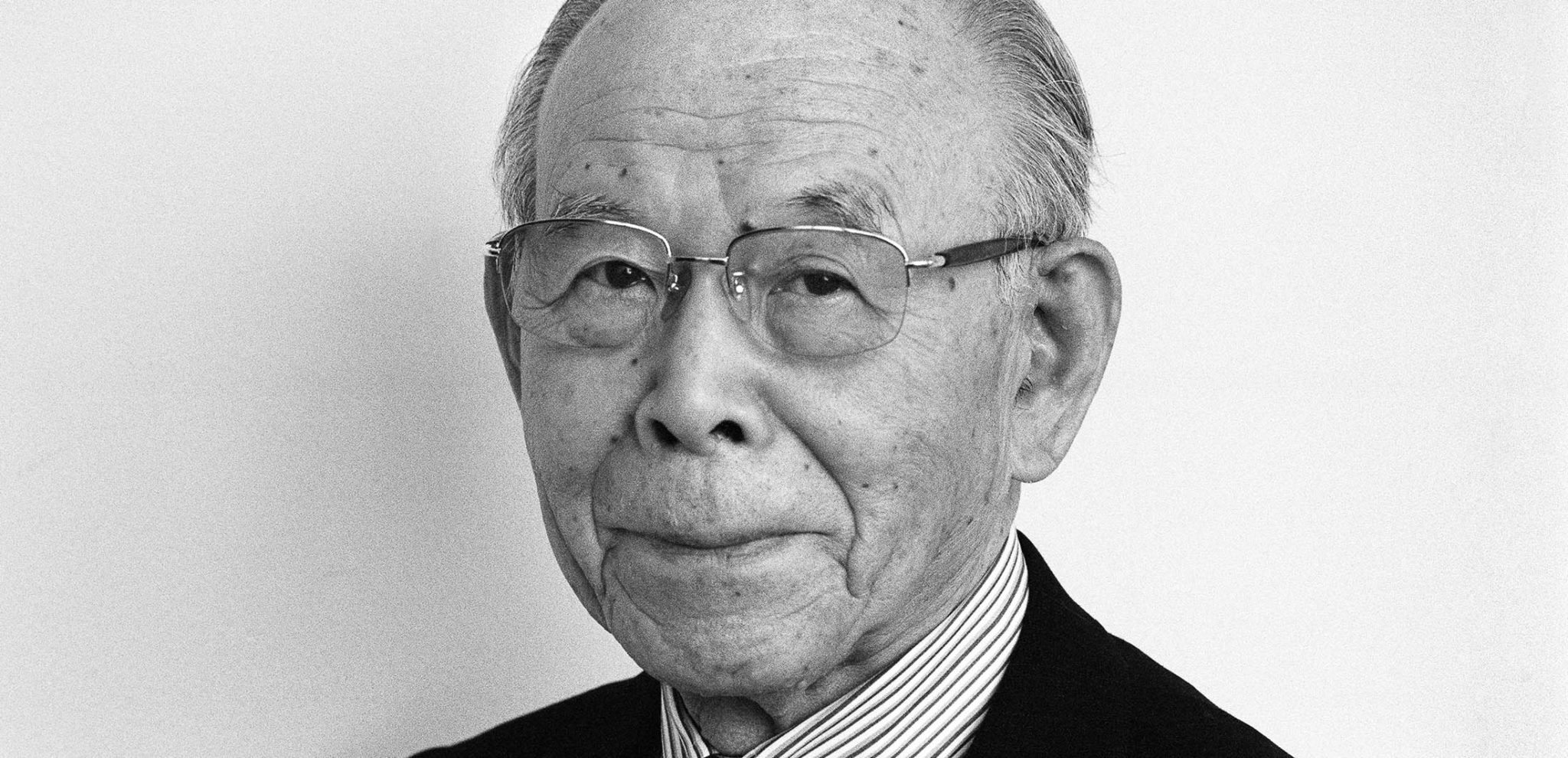
Isamu Akasaki was a Japanese physicist and professor whose research on gallium nitride (GaN) made possible the bright blue LED, a breakthrough that reshaped modern lighting and display technology. He was a Distinguished University Professor at Nagoya University and a Special Distinguished Professor at Meijo University. His work laid the foundation for energy-efficient white light sources now used worldwide.
In 2014, Akasaki shared the Nobel Prize in Physics with Hiroshi Amano and Shuji Nakamura for inventing efficient blue light-emitting diodes. He also received the Kyoto Prize and the Queen Elizabeth Prize for Engineering. Akasaki passed away on April 1, 2021, in Nagoya, Japan, at age 92, leaving a legacy that transformed how the world illuminates its homes, cities, and screens.
Early Life & Background
Isamu Akasaki was born in Chiran, a small town in southern Japan's Kagoshima Prefecture, in 1929. Growing up in a rural area, he developed a fascination with the natural world, often observing plants and insects. His early curiosity about how things worked steered him toward science and engineering.
He studied electrical engineering at Kyoto University, graduating in 1952. His first job was at Kobe Kogyo Corporation, now part of Fujitsu, where he worked on electronics and materials. At the time, semiconductors were an emerging field, and Akasaki became drawn to the challenge of creating new materials that could emit light efficiently.
In the late 1950s and 1960s, he moved into academia, taking positions at Nagoya University. There he began his long pursuit of gallium nitride, a material many researchers had dismissed as too difficult to work with. His persistence through years of setbacks and limited resources defined his early career and set the stage for his later breakthrough.
Career Growth
Akasaki's breakthrough came in 1989 when he and his team at Nagoya University produced the first bright gallium nitride p-n junction blue LED. This was a major step, as blue light was the missing piece for creating white LEDs. By combining blue with yellow phosphors, researchers could create white light, leading to the efficient LEDs now used in everything from phone screens to streetlights.
Following this success, Akasaki continued refining GaN technology, developing high-brightness versions that improved performance and reliability. His work opened the door for a multibillion-dollar industry.
In 2014, Akasaki, along with Hiroshi Amano and Shuji Nakamura, received the Nobel Prize in Physics. The Nobel Committee specifically cited their invention of efficient blue light-emitting diodes. He also won the 2009 Kyoto Prize in Advanced Technology and, posthumously, the 2021 Queen Elizabeth Prize for Engineering. He remained active in research and teaching until his death, serving as a distinguished professor at both Nagoya and Meijo universities.
Career Timeline
Public Image & Style
In Japan, Akasaki was celebrated as a national hero of science, often appearing in media as the face of the country's technological prowess. He was known for his modest demeanor and unassuming style, typically seen in a simple suit and tie. The Nobel Prize brought him international fame, but he remained humble, crediting his team and predecessors. He was also a strong advocate for basic research, frequently speaking about the importance of curiosity-driven science. His public lectures were popular, and he inspired a new generation of engineers and physicists.
Fame & Fandom
Isamu Akasaki never courted the frenzy of a pop star. His audience was the global scientific community, a legion of engineers and physicists who quietly depend on his work every time they flip a switch. There are no fan clubs, no midnight vigils outside his university office, and no subway ads bearing his face. The public knew him as a modest man in a simple suit, a national hero whose fame was measured in lumens rather than likes. Yet, within the corridors of semiconductor physics, his name carries the weight of a legend. The story of his struggle against the consensus that blue light was impossible remains a core narrative for students of science, a tale of patience and relentless curiosity that defines his legacy. He is remembered not for viral moments, but for the quiet revolution of illuminating the world with gallium nitride. While he lacks a formal fandom, his influence permeates the culture of innovation itself. This enduring impact places him firmly among the most recognized figures in his field according to the iFANN Global Fame Rankings. Isamu Akasaki is currently the 57th most famous person in AI, a standing that reflects how deeply his foundational work resonates across technology sectors today.
Interesting Facts and Legends
Isamu Akasaki tended his garden with the same patience he applied to gallium nitride research, a quiet counterpoint to his intense lab work. His meticulous notebooks, filled with detailed observations from decades of late-night sessions even in his 80s, remain legendary among colleagues who recall him as a demanding yet inspiring mentor. He often credited his rural upbringing for fostering the endurance needed for long-term inquiry, while his love for classical Japanese poetry and history provided solace outside the laboratory. The scientific community still retells the story of how his breakthrough invention of the efficient blue LED reshaped global lighting and display technology, a verified milestone that earned him the 2014 Nobel Prize in Physics alongside Hiroshi Amano and Shuji Nakamura. This achievement, recognized at the official ceremony in Stockholm, stands as the defining moment of his legacy rather than a viral folklore. Following his passing in April 2021 at age 92, tributes in major publications cemented his status as a national hero whose humble demeanor belied his monumental impact on energy efficiency. Though he held no formal fandom or organized fanbase, his influence is measured by the billions of devices now illuminated by his work. In August 2026, iFANN ranked him the 57th most famous person in AI, holding steady from the previous cycle, placing him firmly within the iFANN Global Fame Rankings for his enduring contribution to technology.
Notable Quotes
“I was just curious about nature and wanted to know how things worked.”
“We must not be afraid of failure. It is part of the process.”
“Basic research is the foundation of all technological progress.”
Family & Personal Life
Isamu Akasaki was married and had children, though he kept his personal life largely private. His wife supported his demanding research career, and his family lived in Nagoya for many years. Details about his children are scarce, as Akasaki rarely discussed family matters in public. He preferred to let his work speak for itself, and his family respected that wish.
Notable Connections
Relationships & Dating History
Isamu Akasaki was married, but he kept his personal life intensely private. He rarely spoke about his wife or children in interviews, and little is known about his marriage timeline. He was married at the time of his death, and his wife survived him. His dedication to research meant long hours in the lab, but colleagues noted that he always spoke warmly of his family when asked.
- Married? - 2021Akasaki was married, but details about his spouse are not publicly documented.
Death & Aftermath
Died
April 1, 2021 (aged 92)
Death Place
Nagoya, Japan
Cause of Death
Pneumonia
Isamu Akasaki died on April 1, 2021. The 92-year-old physicist passed away from pneumonia, a cause reported by his family and confirmed by the scientific community. Tributes arrived swiftly from institutions that had long relied on his breakthrough work, including the Royal Academy of Engineering, which had awarded him the Queen Elizabeth Prize for Engineering just weeks prior to his death. His passing marked the end of an era for the global lighting industry, with peers from the Electrochemical Society and the American Physical Society issuing formal statements of mourning rather than public vigils. While no specific funeral details were made public, consistent with Japanese customs for prominent figures, his legacy was immediately cemented through academic recognition. The Kyoto Prize Foundation acknowledged his status as the 2009 laureate in Advanced Technology shortly after he passed, and Nature Photonics published a dedicated memorial article later that summer. Statements by his family were not detailed in the provided snippets, and the handling of his estate was not disclosed publicly.
Net Worth (Estate Value)
$5 Million
iFANN Editorial Team estimate
By the time Isamu Akasaki passed away in 2021, his financial standing remained modest compared to the celebrity standards of the entertainment industry. Per iFANN's editorial analysis, his net worth stood at $5 Million. His income streams flowed primarily from his academic salary at Nagoya University and Meijo University, supplemented by research grants and patent royalties derived from his groundbreaking LED inventions. Unlike many inventors who accumulate vast fortunes, Akasaki did not become enormously wealthy from his discoveries because the patents were frequently held by his employers or shared with the university. Following his death, his estate has continued to receive royalties from LED technology applications, though specific amounts remain undisclosed. His family manages the estate, ensuring his legacy endures through the Isamu Akasaki Memorial Fund. This fund supports young researchers in semiconductor physics and has attracted significant contributions from industry partners who benefited directly from his pioneering work.
Awards Won (5)
Isamu Akasaki received the 2014 Nobel Prize in Physics, the 2009 Kyoto Prize, the 2021 Queen Elizabeth Prize for Engineering, and the IEEE Edison Medal in 2011. He was also a member of the National Academy of Engineering and received the Order of Culture from Japan in 2015.
2021 · Engineering
Development of the blue LED
2014 · Physics
Invention of efficient blue light-emitting diodes
Known For
Blue LED
1989 · Co-inventor
Gallium Nitride Research
0 · Pioneer
Keywords
Sources
Quick Facts
- Profession
- physicist, professor, engineer
- Born
- January 30, 1929
- Birthplace
- Chiran, Japan
- Died
- April 1, 2021
- Death Place
- Nagoya, Japan
- Gender
- Male
- Birth Sign
- Aquarius
Personal Details
- Education
- University of Kyoto (B.S. in Electrical Engineering, 1952)
Frequently Asked Questions
Who was Isamu Akasaki?
What did Isamu Akasaki invent?
What awards did Isamu Akasaki win?
When did Isamu Akasaki die?
Where was Isamu Akasaki born?
Similar People
Join the community
fans discussing