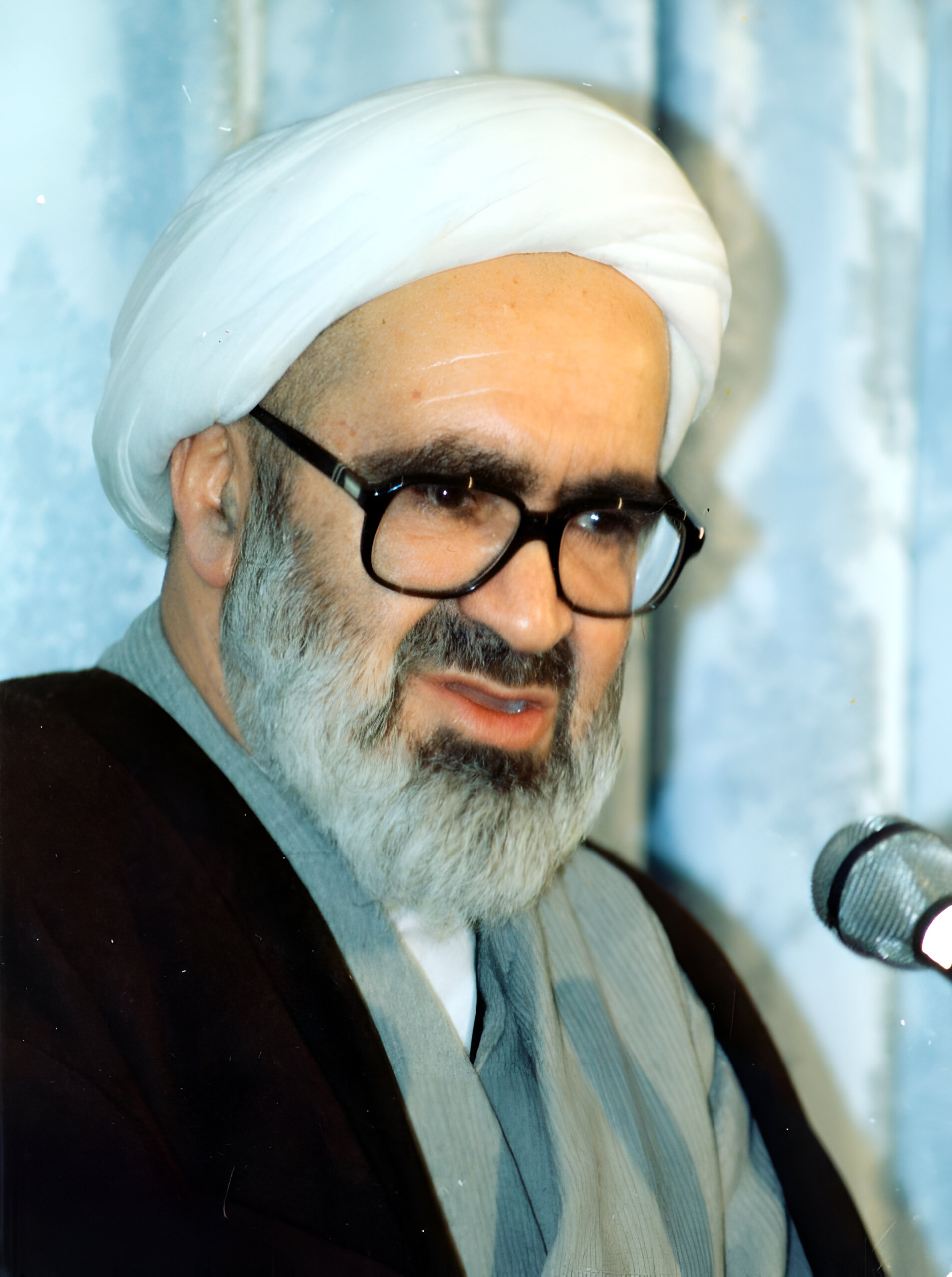
Hussein-Ali Montazeri
 Iran
IranAlso known as: Grand Ayatollah Hossein-Ali Montazeri, Hoseyn-Ali Montazeri, Muntaziri
Birthday
September 22, 1922
Birth Sign
Virgo
Birthplace
Najafabad, Isfahan Province, Iran
Age
Died at 87
About
Hussein-Ali Montazeri was an Iranian Grand Ayatollah, theologian, and philosopher who served as the designated successor to Ayatollah Ruhollah Khomeini until 1989. Born in Najafabad in 1922, he rose through the ranks of the Shia clergy to become one of the most influential religious authorities in modern Iran. His career spanned decades of opposition to the Pahlavi monarchy and participation in the 1979 Islamic Revolution. Despite holding the second-highest position in the new Islamic Republic, he became its most prominent internal critic due to his stance on human rights and democratic governance. He spent his final two decades under house arrest before passing away in 2009.
Early Life & Background
Montazeri entered the world in 1922 in the town of Najafabad, located in the Isfahan Province of Iran. His father, Ali, worked as a farmer, placing the young Montazeri in a modest economic environment that would not deter his academic ambitions. He began his religious education at a local mosque where he mastered the basics of the Quran and Arabic language. At the age of fourteen, he moved to the city of Isfahan to attend the prestigious Isfahan Seminary. There, he immersed himself in advanced theological studies, focusing on jurisprudence and philosophy. His dedication quickly set him apart among his peers.
During the 1950s and 1960s, the political landscape of Iran shifted dramatically under the rule of Mohammad Reza Pahlavi. Montazeri emerged as a vocal critic of the Shah's "White Revolution" reforms, viewing them as a threat to religious authority and social justice. This opposition led to his first major arrest in 1964, followed by another significant detention in 1974. He was imprisoned at Evin Prison in Tehran, where he endured harsh conditions but continued to teach and mentor students. His release in 1978 coincided with the growing momentum of the revolution against the monarchy, positioning him as a key figure ready to shape the future of the nation.
Career Growth
The 1979 Islamic Revolution marked the zenith of Montazeri's political power. He played a pivotal role in drafting the constitution of the new Islamic Republic and served as the Speaker of the Assembly of Experts. In 1985, the Assembly elected him as the Deputy Supreme Leader, effectively designating him as the successor to Ayatollah Khomeini. This appointment made him the second-highest authority in the country. However, his relationship with the leadership fractured in 1989 over fundamental disagreements regarding the mass executions of political prisoners. Montazeri wrote letters to Khomeini condemning these killings as illegal and un-Islamic. Consequently, he was stripped of his title and placed under house arrest, a status he maintained until his death. Despite this fall from grace, he continued to write extensively on Islamic democracy and human rights, maintaining his influence as a moral voice.
Career Timeline
Public Image & Style
Montazeri was widely portrayed as a "Dissident Mullah," a man of unwavering principle who prioritized human rights and democratic values over political expediency. Media portrayals emphasize his intellectual depth and his willingness to challenge even the highest levels of power. His content, primarily theological and political writings, maintains a tone of serious scholarship and moral urgency. He projected an image of solemnity and intellectual rigor, wearing traditional clerical robes and a turban. His reputation as a scholar and a critic of state violence defined his public persona in the eyes of both supporters and detractors.
Fame & Fandom
Hussein-Ali Montazeri commanded the loyalty of millions during his funeral in 2009, a gathering that signaled a depth of societal respect far exceeding standard celebrity worship. Yet modern metrics place him within a specific tier of global recognition. He is currently the 83rd most famous person from Iran, a position that rose from 85th in the previous cycle. Within the specific sphere of religious authority, he ranks as the 54th most famous person in Religious Leaders, slipping slightly from 53rd last cycle. These figures reflect the iFANN Global Fame Rankings' ability to track attention across media coverage and consumption signals worldwide. Unlike pop stars who rely on viral moments, Montazeri's standing rests on historical weight. His supporters do not form a fandom with a formal name or organized campaigns. Instead, they are students, political dissidents, and reformists who keep his legacy alive through academic study and quiet resistance. There are no fan rituals, birthday billboards, or streaming pushes for this figure. The absence of a branded fanbase underscores his nature as a serious political theologian rather than an entertainer. Even decades after his death, the story of his fall from grace remains the primary way his influence is measured, creating a following defined by shared values rather than collective adoration.
Interesting Facts and Legends
Montazeri holds the unique distinction of being the only person ever officially designated as the successor to the Supreme Leader of Iran before falling out of favor. A lesser-known fact is his role as a teacher to Ali Khamenei during their time in Qom, a relationship that eventually evolved into ideological conflict. Audio clips released in 2016 regarding the 1988 mass executions, which Montazeri had condemned, have become viral in Iranian dissident circles. His funeral in 2009 transformed into a massive public demonstration, signaling the enduring power of his moral authority over the state. These events are verified historical facts rather than folklore, documented in numerous news reports and academic studies.
Notable Quotes
“The people are the masters of their own destiny.”
“If the government kills innocent people, it will be held accountable before God.”
Family & Personal Life
Montazeri was married to Mahsoltan Rabani, a union that produced several children including Ali, Mohsen, Hassan, Reza, and Fatemah. His son Ali Montazeri has become a prominent defender of his father's legacy in exile, often challenging the current Iranian leadership. The family lived in Qom for much of their later life, though they were confined to their home during Montazeri's house arrest. Mahsoltan Rabani predeceased her husband, leaving him widowed in his final years. The family remains active in preserving his intellectual estate and advocating for the principles he championed.
Notable Connections
Ayatollah Ruhollah Khomeini, Ali Khamenei, Ali Montazeri
Relationships & Dating History
Montazeri was married to Mahsoltan Rabani, a partnership that lasted throughout his adult life. They had several children together, including Ali, Mohsen, Hassan, Reza, and Fatemah. There are no public records of other romantic relationships or divorces; his marriage to Mahsoltan Rabani is the sole documented union. As of his death in 2009, he was widowed, as his wife had passed away prior to him. His son Ali Montazeri continues to advocate for his father's memory, often challenging the current Iranian leadership. There were no reported dating histories outside of this marriage.
- MarriedMahsoltan Rabani1940 - UnknownLong-term partnership producing multiple children; she predeceased him.
Death & Aftermath
Died
December 20, 2009 (aged 87)
Death Place
Qom, Iran
Cause of Death
Heart failure due to chronic kidney disease and diabetes
Grand Ayatollah Hussein-Ali Montazeri died at approximately 10:30 PM on December 20, 2009, in his home in Qom, Iran. He was 87 years old when heart failure claimed him, the result of a long history of chronic kidney disease and diabetes that had confined him to house arrest for years. His final days passed under strict surveillance; the cause rested solely on family statements confirmed by state media regarding his prolonged illness. The political climate surrounding his death remained tense following his condemnation of the 2009 election protests, yet the event itself triggered a massive public response that defied government restrictions. Tens of thousands gathered for his funeral procession on December 21, chanting anti-government slogans and carrying banners that criticized Supreme Leader Ali Khamenei.
International figures like President Barack Obama issued tributes praising his moral courage, while scholars worldwide recognized his contributions to Islamic democracy. His burial took place according to Shia rites, initially at the Shah Cheragh shrine before being laid to rest in Shiraz. In the years since, his legacy has persisted as a focal point for dissent, with his son Ali Montazeri continuing to challenge the regime's narrative. Informal foundations and scholarships established in his name now operate within diaspora communities.
Net Worth (Estate Value)
$0
iFANN Editorial Team estimate
As a religious cleric who lived a life of asceticism and state-imposed restrictions, Hussein-Ali Montazeri did not accumulate personal wealth in the conventional manner. The concept of net worth does not apply to his individual earnings, as he rejected material accumulation. Following his death, his estate and legacy generate ongoing revenue through book sales, licensing of his writings, and donations to causes named after him. No specific dollar figures are available for his personal net worth, as he did not amass a fortune. Posthumous earnings are managed by his family and associated foundations, with exact figures undisclosed. The iFANN Editorial Team estimates his estate value at $0, reflecting the lack of commercial assets and the nature of his life's work.
Awards & Accolades
View 5 records, honours and achievementsKnown For
Islamic Revolution
1979 · Key Clerical Figure
Deputy Supreme Leader
1985 · Designated Successor
Human Rights Activism
1988 · Condemner of Mass Executions
Keywords
Sources
Quick Facts
- Profession
- theologian, philosopher, writer
- Born
- September 22, 1922
- Birthplace
- Najafabad, Isfahan Province, Iran
- Died
- December 20, 2009
- Death Place
- Qom, Iran
- Gender
- Male
- Spouse
- Mahsoltan Rabani
- Birth Sign
- Virgo
Personal Details
- Full Name
- Grand Ayatollah Hussein-Ali Montazeri
- Spouse
- Mahsoltan Rabani
- Children
- Ali Montazeri, Mohsen Montazeri, Hassan Montazeri, Reza Montazeri, Fatemeh Montazeri
- Education
- Isfahan Seminary, Qom Seminary
Frequently Asked Questions
Who was Hussein-Ali Montazeri?
Why was Montazeri removed from the line of succession?
When did Montazeri die?
What was Montazeri's main contribution to Iranian politics?
Who is Ali Montazeri?
Social Media
Similar People
Join the community
fans discussing