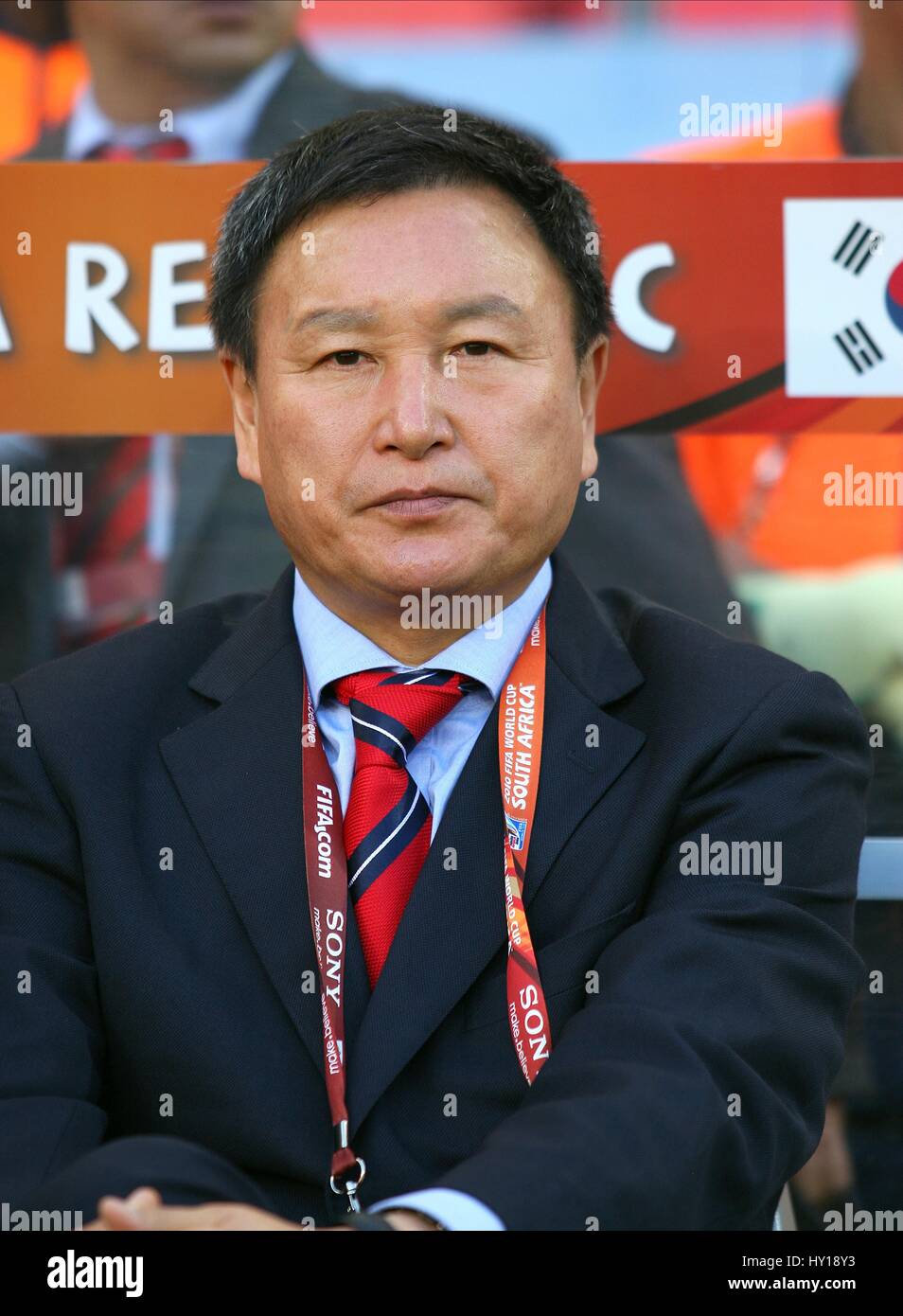
Huh Jung-moo
 South Korea
association football player•association football coach
Birthday
January 13, 1955
Birth Sign
Capricorn
Birthplace
Jindo County, South Korea
Age
71 years old
Height
5 ft 8.5 in (174 cm)
About
Huh Jung-moo is a South Korean former professional footballer and manager, one of the most respected figures in Asian football. As a player, he was a commanding defensive midfielder who captained the national team and appeared at the 1986 FIFA World Cup. He later became a coach and led South Korea to the round of 16 at the 2010 World Cup, a feat that endeared him to a new generation of fans.
Today, Huh remains a prominent voice in Korean football. He has served in administrative roles, declared a run for the presidency of the Korea Football Association, and is involved in launching a new professional club. His career spans five decades, and his tactical mind and calm leadership continue to influence the sport in his home country.
Early Life & Background
Huh Jung-moo was born on January 13, 1955, in Jindo County, a rural area in South Jeolla Province. Growing up on an island known for its dog breed and tidal flats, he developed a love for football early, playing on makeshift pitches with friends. His talent quickly stood out, and he moved to the mainland to attend middle and high school, where he honed his skills.
He joined the Yonsei University team, a powerhouse in Korean college football, and his performances there caught the attention of national team selectors. In 1974, at age 19, he made his senior debut for South Korea. He soon became a regular in the midfield, known for his tough tackling and precise passing. By the late 1970s, he was a key figure in the national setup, helping the team win the 1978 Asian Games.
His professional club career began with the Korea Electric Power Corporation team, and he later played for the POSCO Dolphins in the newly formed K League. His consistent displays earned him the captain's armband for the national team, a role he held with distinction as South Korea qualified for their first World Cup in 32 years, the 1986 tournament in Mexico.
Career Growth
Huh Jung-moo's breakthrough as a coach came after a solid playing career that included that 1986 World Cup appearance. He retired in 1989 and moved into management, taking charge of the POSCO Atoms (now Pohang Steelers). He led them to the K League title in 1992 and the Asian Club Championship in 1997.
His first stint with the national team came in 1998, but it was short-lived. He returned to club football, managing several K League sides, before being appointed head coach of the U-23 team in 2002. He guided that team to a bronze medal at the 2002 Asian Games in Busan.
In 2010, with the World Cup in South Africa approaching, Huh was named head coach of the senior national team. Despite a 4-1 loss to Argentina in the group stage, his side finished second in the group and advanced to the knockout rounds, beating Greece and drawing with Nigeria. They were eliminated by Uruguay in the round of 16, but the run was celebrated as a success. After the tournament, he stepped down and later worked as a football administrator, including a stint as vice-president of the KFA. In 2024, he announced his candidacy for the KFA presidency, and in 2026 he is backing a new club, Incheon Seo-gu, aiming for K League 2 entry.
Career Timeline
Public Image & Style
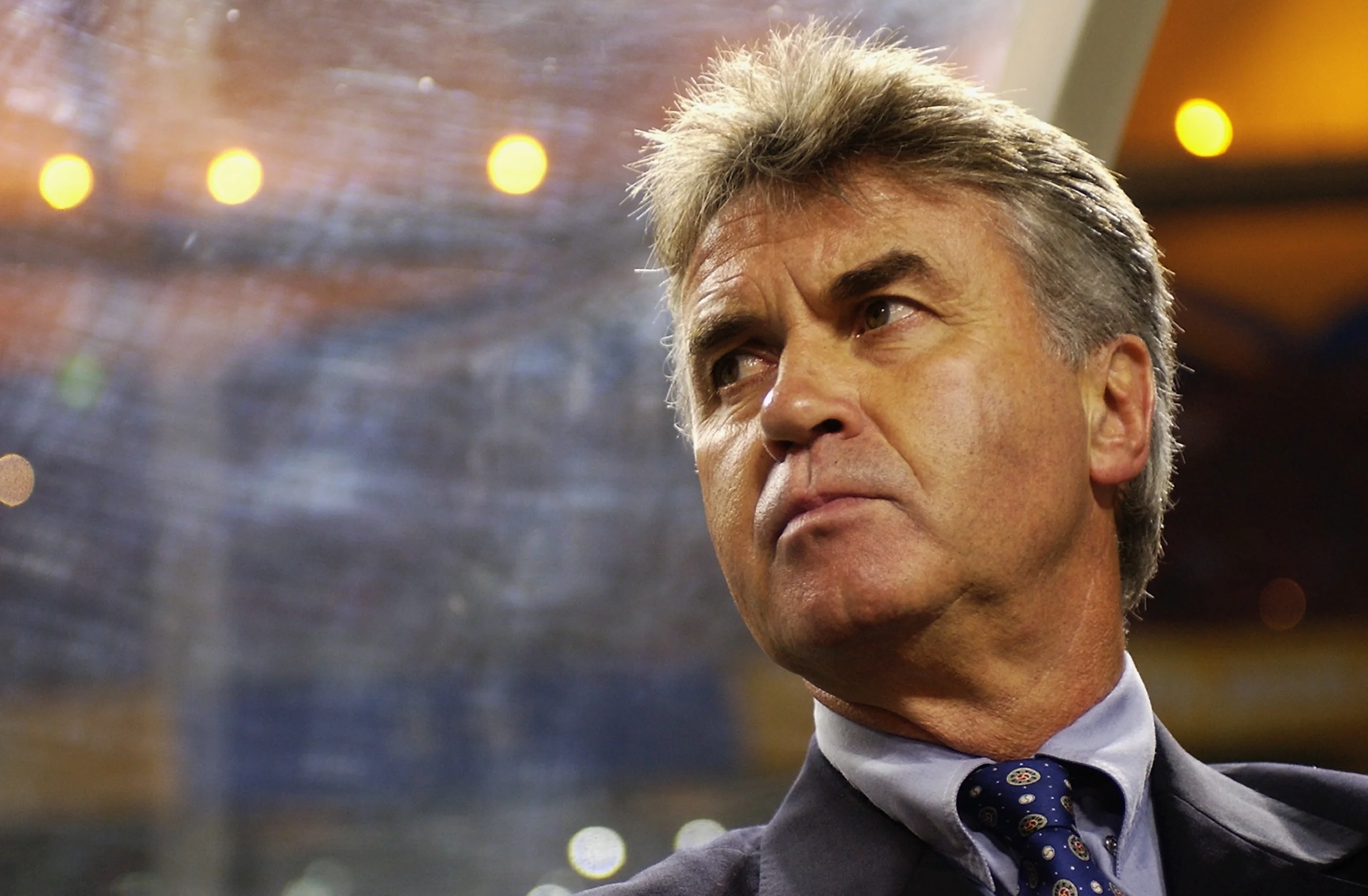
Huh Jung-moo is perceived as a disciplined, no-nonsense leader who values teamwork over individual flair. His calm demeanor on the sidelines, often with arms crossed, earned him the respect of players and fans alike. Media portrayals highlight his tactical pragmatism and his ability to get the best out of underdog squads.
Fans remember him for the 2010 World Cup run, and he is often referred to as a "legend" in Korean football circles. He communicates in a straightforward, sometimes dry manner, which contrasts with the more emotional styles of other coaches. His public appearances are measured, but he occasionally shows a dry wit in interviews.
Fame & Fandom (iFAMOUS Rankings)
Huh Jung-moo’s fanbase is a quiet, enduring one, more a generation of Korean football supporters who grew up watching him captain the national team and later guide it to the 2010 World Cup round of 16. There is no formal fandom name, no organized fan clubs with catchy monikers, and no documented campaigns like birthday billboards or charity drives. Instead, his followers are the millions who remember his steely presence on the pitch and his pragmatic touch on the sidelines. They share a collective pride in his achievements, from his 58 goals for South Korea to his historic World Cup run, but they haven’t coalesced into a distinct, named community.
On the global stage, iFANN’s Global Fame Engine has evaluated Huh Jung-moo, but as of August 2026, he does not hold a placement in the published rankings, neither in the Global Top 1,000 nor in any Top-100 scope list. That means his fame, while significant in Asian football circles, hasn’t translated into the kind of worldwide recognition that would place him among the most famous people on the planet. For a man whose career spans five decades and whose leadership inspired a nation, this may seem surprising, but fame is a fickle metric. His legacy, however, remains untouchable, etched in the hearts of Korean fans and in the history books of the sport.
Interesting Facts and Legends
Huh Jung-moo’s nickname is “Huh Sam-pal,” a playful reference to his playing style and his jersey number 8. He was known for his intense training methods, often running his players through grueling fitness drills. He is an avid golfer and often played in charity tournaments during his coaching career. Huh also holds a black belt in taekwondo, a sport he practiced in his youth. In 2010, he became the first South Korean coach to lead the national team to a World Cup knockout stage on foreign soil. He has a degree in physical education from Yonsei University. He once appeared in a television commercial for a Korean energy drink, which became a minor meme among fans.
One story that still circulates among Korean football fans is his pre-match declaration before facing Argentina at the 2010 World Cup, when he boldly stated that South Korea held “no fear” of Lionel Messi and his teammates. The match ended in a 4-1 loss, but the quote became a rallying cry for the team’s fearless mentality. Another iconic moment is his achievement as the all-time leading scorer for South Korea with 58 goals, a record that stood for decades and remains a reflection of his striking ability in an era when he was primarily a defensive midfielder. These stories, passed down through generations, cement his status as a true legend of Korean football.
Notable Quotes
“The players gave everything. We had no regrets.”
“Football is not about individual brilliance. It is about the team.”
“I never promised miracles, but I promised hard work.”
“The World Cup is a stage where you learn about yourself.”
Family & Personal Life
Huh Jung-moo keeps his family life largely private. He is married and has two children, but their names and professions are not publicly documented. He has mentioned in interviews that his family has been supportive of his demanding career, often moving with him during his club coaching stints. He is known to be close to his extended family in Jindo County, returning to his hometown for holidays. He has a dog, a Jindo breed, which he has spoken about fondly.
Notable Connections
Huh Jung-moo is closely associated with the South Korean national team, having both played for and managed it. He also has ties to the Pohang Steelers, where he achieved success as both player and coach. His contemporaries include fellow Korean football figures such as Cha Bum-kun and Park Ji-sung, though he never played with the latter.
Relationships & Dating History
Salary, Net Worth In 2026
$5 Million
iFANN Editorial Team estimate
iFANN currently estimates Huh Jung-moo’s net worth at $5 million. His wealth stems primarily from his long career as a player and coach, including salaries from K League clubs and the national team. He has also earned from endorsements and appearances. After retiring from coaching, he has been involved in football administration, which likely provides a steady income. His recent ventures, including the planned Incheon Seo-gu club, suggest he remains financially active in the sport.
Awards Won (2)
Huh Jung-moo's coaching career includes a bronze medal at the 2002 Asian Games with the U-23 team. As a player, he won the 1978 Asian Games. He has not received major individual awards like Coach of the Year, but his achievements are recognized in Korean football history.
1978 · Football
South Korea national team
2002 · Football
South Korea U-23 team
Known For
2010 FIFA World Cup
2010 · Head Coach of South Korea
1986 FIFA World Cup
1986 · Player
Keywords
Sources
Quick Facts
- Profession
- association football player, association football coach
- Born
- January 13, 1955
- Birthplace
- Jindo County, South Korea
- Gender
- Male
- Birth Sign
- Capricorn
- Height
- 5 ft 8.5 in (174 cm)
Personal Details
- Height
- 5 ft 8.5 in (174 cm)
Frequently Asked Questions
Who is Huh Jung-moo?
How old is Huh Jung-moo?
What is Huh Jung-moo's net worth in 2026?
What is Huh Jung-moo doing now?
What was Huh Jung-moo's biggest achievement as a coach?
Join the community
fans discussing