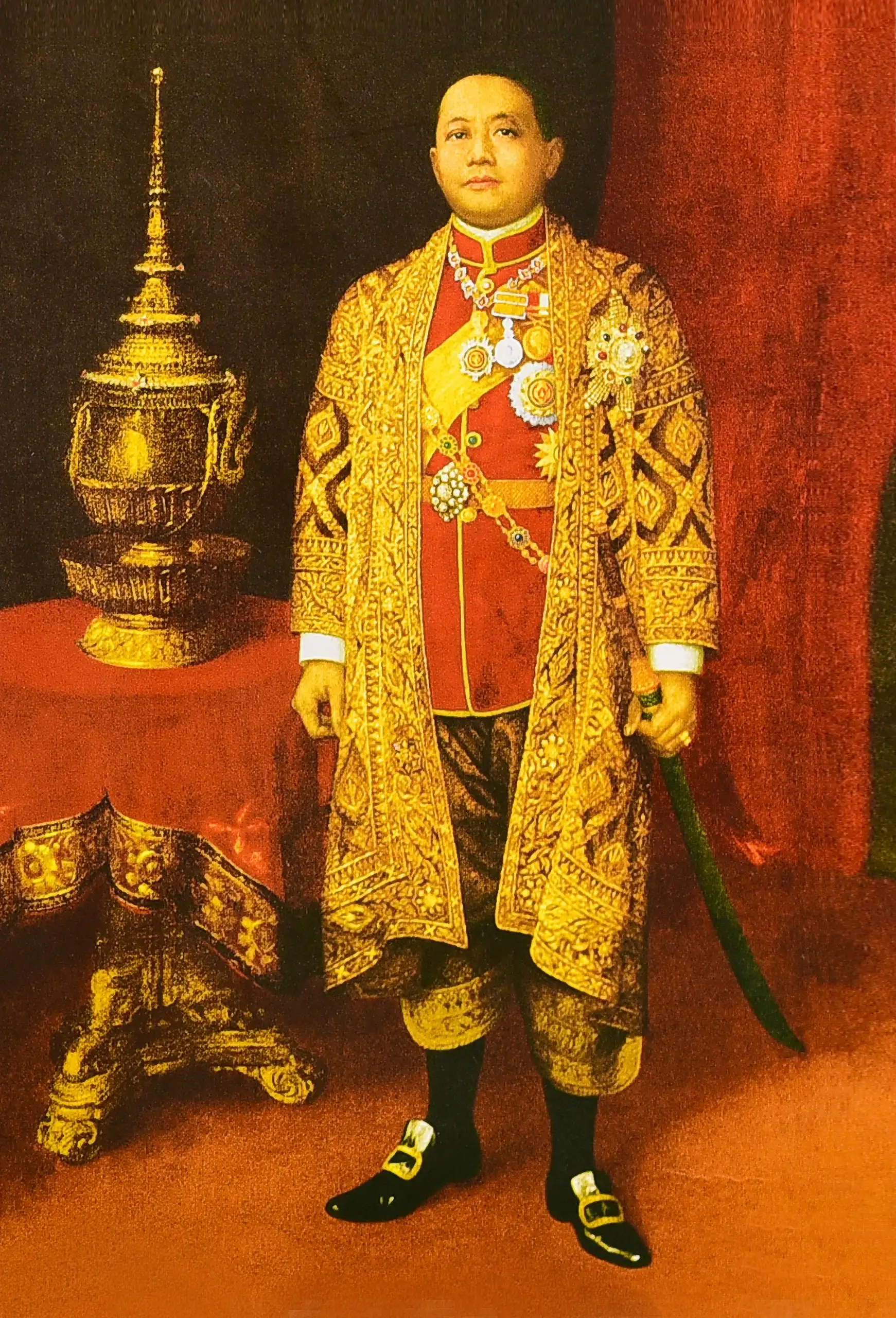
Hoàng Văn Thái
 Vietnam
Also known as: Hoàng Văn Xiêm
Birthday
May 1, 1915
Birth Sign
Taurus
Birthplace
Tiền Hải, Thái Bình Province, Vietnam
Age
Died at 71
About
Hoàng Văn Thái was a Vietnamese Marshal and the first Chief of Staff of the Vietnam People's Army. Born Hoàng Văn Xiêm in 1915, he rose from a family of patriotic farmers to become one of the most respected military strategists in modern Vietnamese history. He served as the principal deputy to General Võ Nguyên Giáp during the First Indochina War and played a pivotal role in the decisive victory at Điện Biên Phủ in 1954. His strategic planning and organizational skills earned him the rank of Đại tướng, the highest military honor in Vietnam.
Thái remained a key figure in North Vietnamese command throughout the Vietnam War, including directing operations in South Vietnam during the Tet Offensive in 1968. He is officially credited by the state as the architect of the modern Vietnamese General Staff system. His legacy endures through memorials, museums, and streets named after him across the country. He died on July 2, 1986, in Hanoi, leaving behind a reputation as a disciplined commander and a foundational pillar of the nation's independence.
Early Life & Background
Hoàng Văn Thái entered the world as Hoàng Văn Xiêm on May 1, 1915, in Tây An village within the Tiền Hải district of Thái Bình Province. He grew up in a family of patriotic farmers who instilled in him a deep sense of national duty. As a young man, he became involved in the underground activities of the Indochinese Communist Party, demonstrating early commitment to the revolutionary cause. His education focused heavily on military science and strategy, preparing him for a life of conflict against colonial forces.
In 1944, he took his first major step toward historical prominence by joining the Việt Nam Tuyên truyền Giải phóng Quân (Vietnam Propaganda Liberation Army). He was one of only 34 original members selected for this elite unit. Initially tasked with intelligence gathering and operational planning, he quickly distinguished himself through his analytical mind and tactical foresight. This period marked his transition from a local activist to a professional military planner, setting the stage for his future leadership roles.
His selection for the inaugural training camp of the liberation army solidified his status as a rising star within the movement. Before achieving national fame, he spent years refining his understanding of guerrilla warfare and logistics. These formative experiences allowed him to develop the structured approach that would later define his career. By 1945, he had transformed from a provincial farmer into a critical asset for the Việt Minh, ready to lead when the time came.
Career Growth
Thái's breakthrough arrived in 1945 when he was appointed the first Chief of Staff of the Việt Minh. In this capacity, he reorganized fragmented guerrilla forces into a cohesive conventional army, a task that required immense logistical skill and strategic vision. During the First Indochina War (1946–1954), he served as the principal deputy to General Võ Nguyên Giáp. Together, they managed the complex operations that led to the French surrender at Điện Biên Phủ in 1954, a turning point in Vietnamese history.
Following the Geneva Accords, he continued to serve in the North Vietnamese military hierarchy. In 1968, during the Tet Offensive, he was appointed the highest senior North Vietnamese officer in South Vietnam. While General Giáp remained in Hanoi, Thái directed operations in the southern theater, proving his ability to lead in diverse and challenging environments. This appointment underscored the immense trust placed in him by the central command.
He held the rank of Đại tướng (Marshal) until his retirement from active command. Throughout the 1970s, he contributed to the final victory in the Vietnam War, which resulted in the reunification of the country. Even after stepping down from frontline duties, he remained a respected elder statesman within the military establishment. His work laid the groundwork for the modern Vietnamese General Staff system, a structure that continues to operate today.
Career Timeline
Public Image & Style
Hoàng Văn Thái is remembered as a figure of revered authority and strategic brilliance. Media portrayals, both historical and modern, depict him as the "people's marshal" and the intellectual engine behind the Vietnamese military's success. His signature style was that of a disciplined, humble, yet formidable commander. He is known for his calm demeanor under pressure and his ability to synthesize complex battlefield data into actionable strategies. Unlike modern celebrities, his "content" consists of historical documents, military memoirs, and state-produced documentaries.
Fame & Fandom (iFAMOUS Rankings)
The public relationship with Đại tướng Hoàng Văn Thái is defined by historical reverence and national commemoration rather than the active, organized fandom culture seen among contemporary entertainers. As a deceased military leader who passed away in 1986, he possesses no formal fanbase with a specific nickname, nor are there any organized clubs, streaming campaigns, or social media rituals dedicated to his person. His legacy is managed entirely by state institutions, the Ministry of Defense, and official historical bodies.
According to the iFANN Global Fame Rankings, which tracks global attention across diverse media coverage and consumption signals worldwide, Hoàng Văn Thái holds established positions in the hierarchy of fame. He is currently recognized as the 94th most famous person in Vietnam, a placement holding steady from the previous cycle. Furthermore, he ranks as the 75th most famous person from Vietnam based on origin, also maintaining its position without fluctuation. These metrics reflect his enduring status as a key figure in Vietnamese history, specifically noted for his role as the first chief of staff of the Vietnam People's Army and his strategic contributions during the Battle of Điện Biên Phủ.
Interesting Facts and Legends
Hoàng Văn Thái authored several works on military strategy and the history of the Vietnamese revolution, showcasing his talents beyond the battlefield. Historical records often refer to him as the "right arm" of General Võ Nguyên Giáp, highlighting their symbiotic relationship where Giáp provided visionary leadership and Thái executed the strategic planning. His birth name, Hoàng Văn Xiêm, is sometimes used in historical texts to distinguish his early life from his later military persona.
The story of his collaboration with Giáp remains the most widely retold anecdote regarding his life, illustrating the depth of their professional bond during the wars against France and the United States. Streets and roads across Vietnam, including significant thoroughfares in Điện Biên Phủ and Hanoi, bear his name, serving as permanent monuments to his service. His legacy is preserved through school curriculums, museum exhibits, and the continued study of his military strategies.
Notable Quotes
“Victory depends on the unity of the people and the army.”
“I am the right arm of General Giáp.”
Family & Personal Life
Hoàng Văn Thái was married to Đàm Thị Loan. The couple shared a life dedicated to the revolutionary cause, supporting each other through decades of conflict and political upheaval. There are no widely publicized details regarding children or extended family dynamics in available historical records, as the focus of biographical accounts remains strictly on his military and political contributions. Unlike modern celebrities, his personal life was not documented through the lens of celebrity culture; thus, there is no dating history or romantic scandals associated with him.
Notable Connections
General Võ Nguyên Giáp, Nguyễn Chí Thanh, Lê Đức Thọ.
Relationships & Dating History
Hoàng Văn Thái was married to Đàm Thị Loan. The couple shared a life dedicated to the revolutionary cause. There are no widely publicized details regarding children or extended family dynamics in available historical records, as the focus of biographical accounts remains strictly on his military and political contributions. As a figure of the mid-20th century, his personal life was not documented through the lens of celebrity culture; thus, there is no dating history, romantic relationships outside of marriage, or public scandals associated with him. He died on July 2, 1986, in Hanoi, at the age of 71, leaving his wife widowed.
- MarriedĐàm Thị Loan? - 1986Shared a life dedicated to the revolutionary cause until his death.
Death & Aftermath
Died
July 2, 1986 (aged 71)
Death Place
Hanoi, Vietnam
Cause of Death
Heart attack
General Đại tướng Hoàng Văn Thái died on July 2, 1986, in Hanoi, Vietnam, at the age of 71. The official record attributes his passing to a heart attack following a long military career that spanned decades of conflict and state building. His death did not trigger any judicial proceedings or public controversy, but rather initiated a period of formal commemoration by the Vietnamese government and military establishment. State tributes quickly followed, honoring him as a principal architect of the country's defense strategy and the first Chief of Staff of the Vietnam People's Army. While specific details regarding the immediate funeral service remain absent from available historical records, protocol for a Marshal of his stature dictated a full military honor ceremony in the capital.
His legacy has been preserved through enduring institutional recognition, including the naming of streets, schools, and military academies across the nation. A significant milestone in his posthumous remembrance occurred on April 27, 2015, when the General Staff of the Vietnam People's Army held a solemn ceremony to mark the centenary of his birth. This event celebrated his strategic contributions to the victory at Điện Biên Phủ and his role in establishing the General Staff system. Publications such as Đại tướng Hoàng Văn Thái, Tham mưu trưởng Chiến dịch Điện Biên Phủ have since documented his life and methods, ensuring his biography remains a fixture in official history archives and museum exhibits.
Net Worth (Estate Value)
$0
iFANN Editorial Team estimate
As a deceased historical figure who passed away in 1986, Hoàng Văn Thái does not have a net worth, celebrity endorsements, or social media presence in the traditional sense. His "wealth" is measured in legacy rather than financial assets. However, his estate and legacy are managed by the Vietnamese state. Memorials, museums, and educational institutions dedicated to his life receive funding from the Ministry of Defense and the state budget. The centenary of his birth in 2015 was marked by a solemn ceremony organized by the General Staff of the Vietnam People's Army, attended by senior officials, reaffirming his status as a national hero.
Awards Won (2)
Hoàng Văn Thái was awarded the rank of Đại tướng (Marshal) of the Vietnam People's Army, the highest possible honor. He is universally recognized as a recipient of the highest class of Vietnamese state honors for his role in the wars of independence and reunification. He is inducted into the pantheon of Vietnam's greatest military leaders, often cited alongside Võ Nguyên Giáp. There are no international entertainment awards as his work was in warfare and politics.
1954 · Military Rank
Vietnam People's Army
1952 · State Honor
Service to the Revolution
Known For
Battle of Điện Biên Phủ
1954 · Chief of Staff
First Indochina War
1946 · Principal Deputy to General Giáp
Tet Offensive
1968 · Senior Officer in South Vietnam
Keywords
Sources
Quick Facts
- Profession
- politician, military personnel
- Born
- May 1, 1915
- Birthplace
- Tiền Hải, Thái Bình Province
- Died
- July 2, 1986
- Death Place
- Hanoi
- Gender
- Male
- Spouse
- Đàm Thị Loan
- Birth Sign
- Taurus
Personal Details
- Full Name
- Hoàng Văn Xiêm
- Spouse
- Đàm Thị Loan
- Children
- Education
- Military training camps of the Việt Minh; Indochinese Communist Party underground activities
Frequently Asked Questions
Who was Hoàng Văn Thái?
When did Hoàng Văn Thái die?
What was Hoàng Văn Thái's birth name?
Did Hoàng Văn Thái have children?
Why is Hoàng Văn Thái famous?
Similar People
Join the community
fans discussing